


Brass Light with Shades
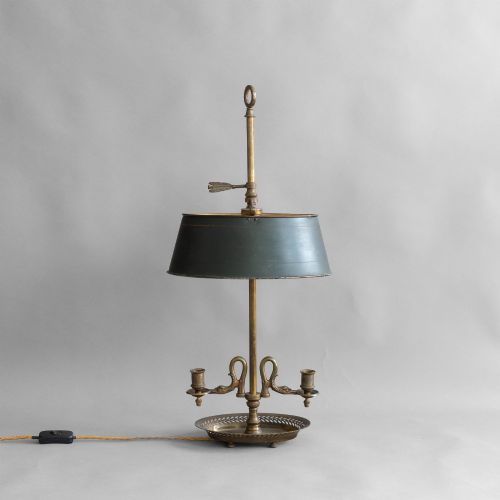
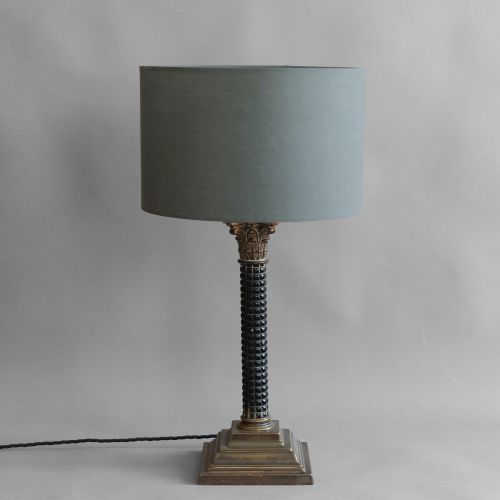
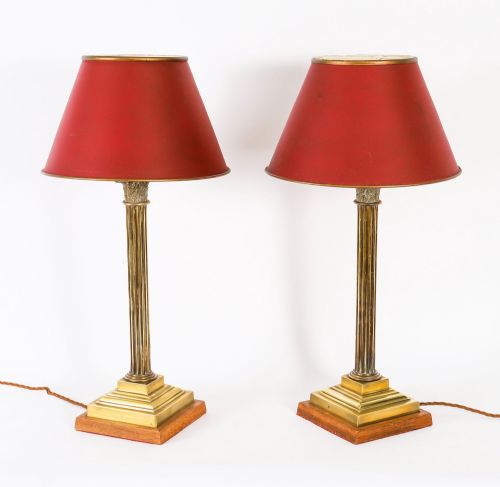
These brass light with shades combine solid metal work with decorative glass or fabric hoods, bringing period character and warm illumination to any room.
Brass Light with Shades
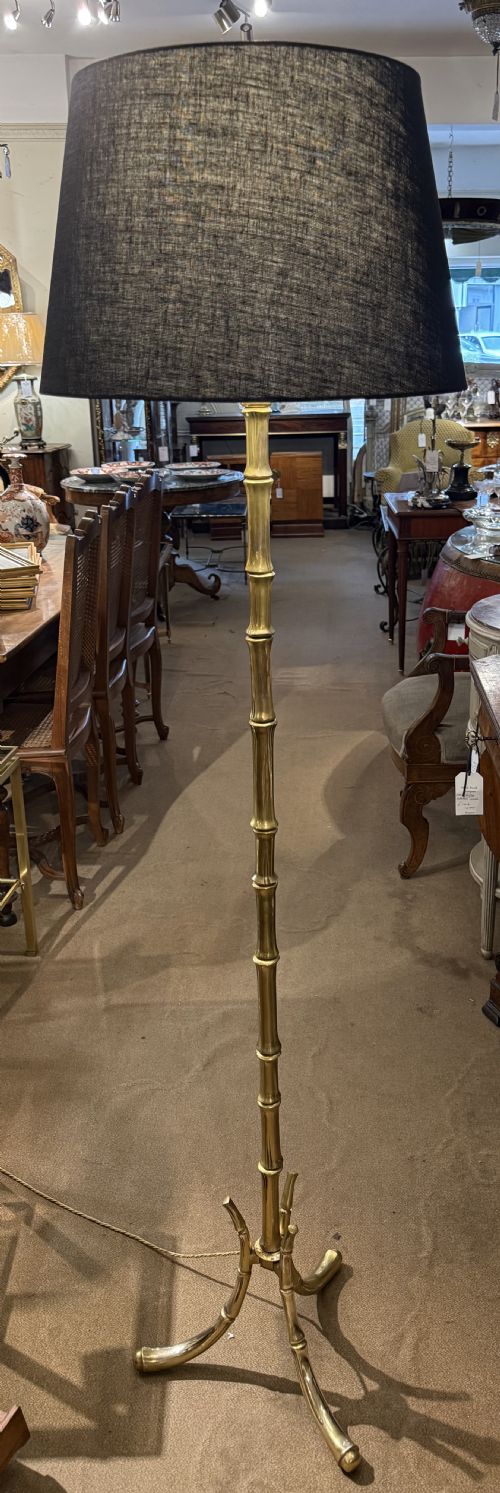
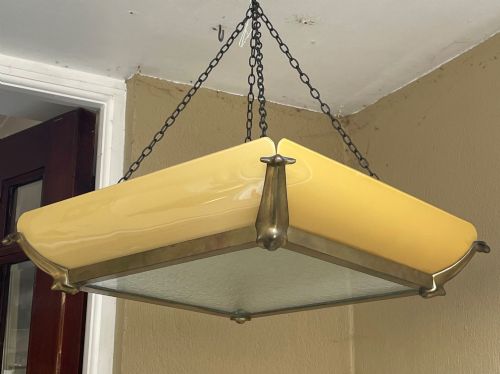
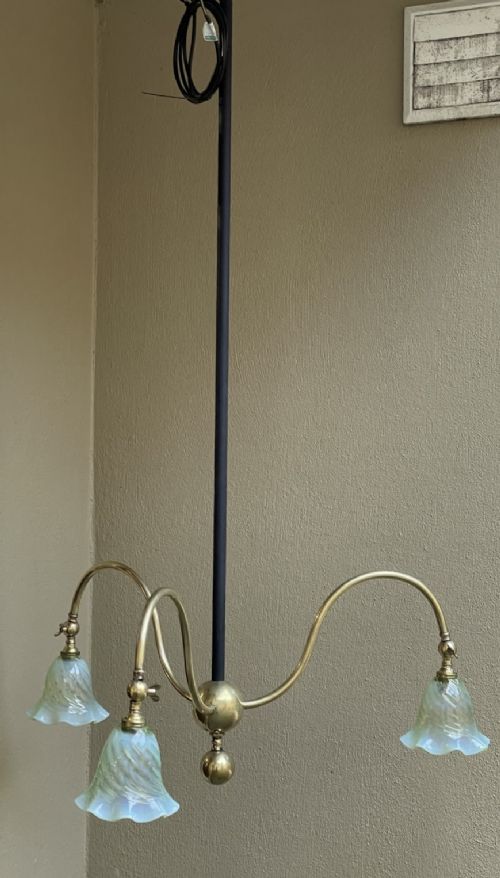
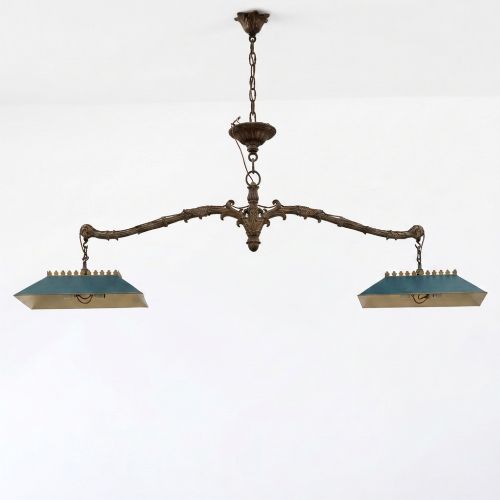
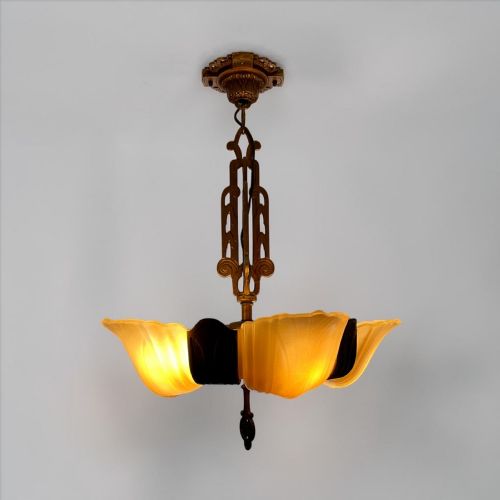
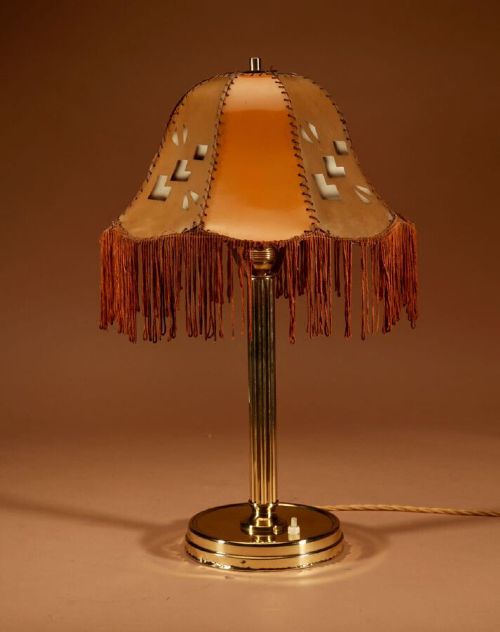
When you search for a brass light with shades, you encounter a wide array of domestic lighting solutions spanning the Victorian, Edwardian, and Art Deco eras. The selection encompasses weighty oil lamps, standard floor lamps, adjustable desk lamps, and multi-armed ceiling chandeliers designed to serve both functional and decorative purposes.
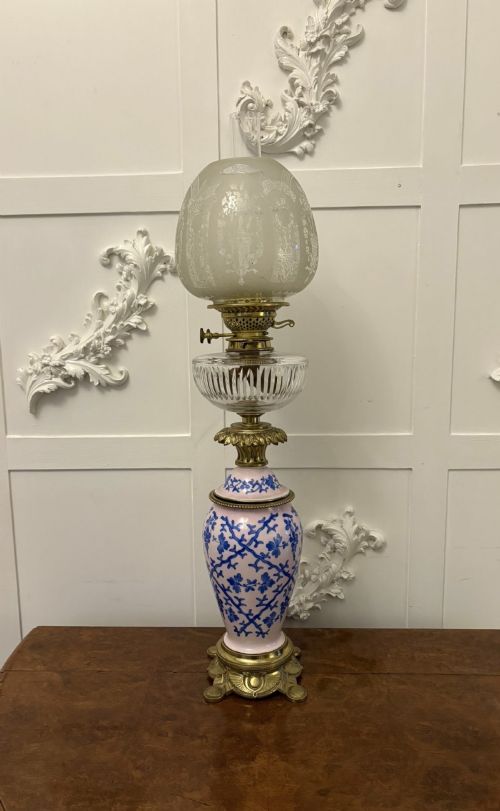
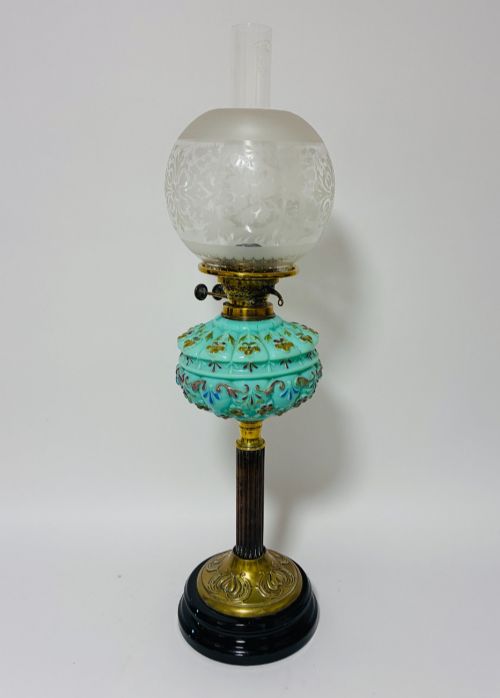
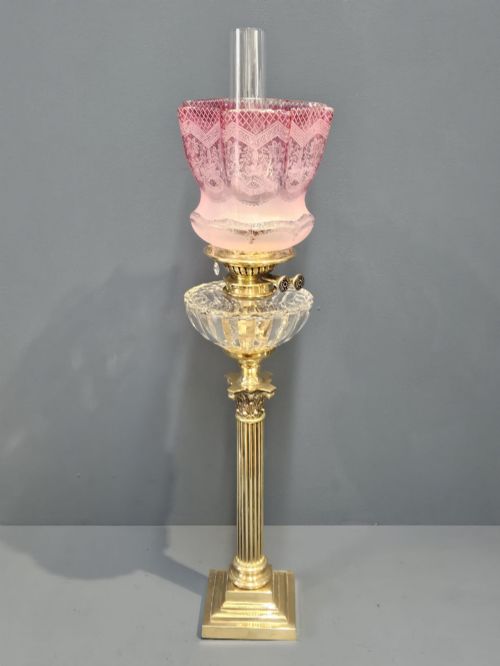
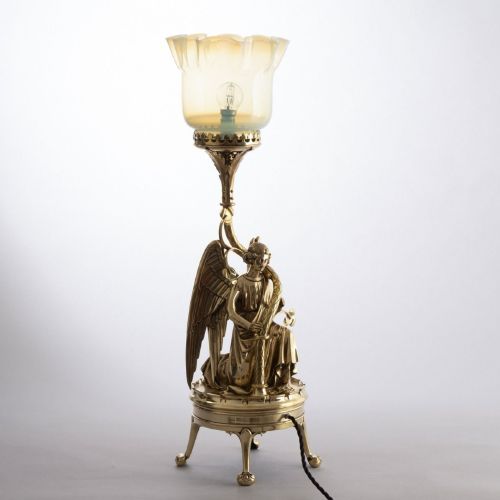
Oil lamps mounted on Corinthian columns and glass-shaded pendants dominate the inventory, accompanied by wall brackets and rise-and-fall ceiling fixtures. These pieces typically combine cast or spun brass components with contrasting glass elements, ranging from simple opaline bowls to deeply etched tulip forms.
Materials and construction
Makers utilised solid brass for the structural frames, columns, and arms, often shaping the metal through casting, spinning, or openwork piercing. This durable base supports various forms of illumination hardware, from early wick mechanisms to later electrical fittings.
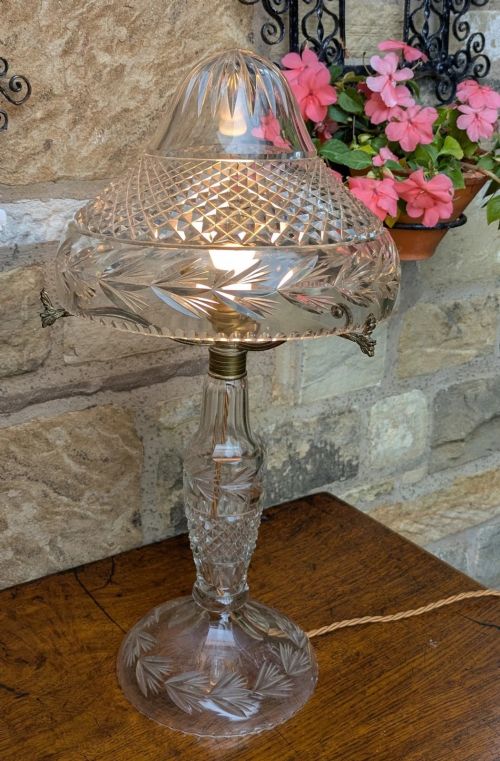
The associated shades rely on specialist glass techniques, including mould-blown opaline, cranberry glass, cut crystal, and prismatic Holophane surfaces. Fabric and Tiffany-style shades also appear, supported by brass rings or galleries that secure them to the metal body.
Listings feature brass combined with cranberry glass, opaline glass, and cut crystal across Victorian, Edwardian, and Art Deco periods.
Assessing quality and execution
Quality reveals itself in the crispness of the brass casting and the depth of decorative detail, such as fluted columns, floral openwork, and clean threading on adjustable mechanisms. Superior pieces maintain their original structural integrity, with well-matched components that sit true without excessive wobble.
The standard of the glassware separates ordinary examples from finer specimens, particularly where hand-etching, flash-crunched cranberry hues, or prismatic optical patterns are present. Original matching shades and maker attributions further elevate an item's standing.
The Brass Light with Shades Glossary
- Duplex burner
- A double-wick mechanism used on late nineteenth-century oil lamps to produce a brighter flame. This fitting sits atop the brass font and requires specific galleries to hold the glass shade.
- Holophane shade
- A pressed glass shade featuring external prisms designed to diffuse light efficiently while reducing glare. These industrial-style shades are commonly found on early twentieth-century pendant lights.
- Rise and fall
- A ceiling light mechanism using a weighted pulley system to allow vertical adjustment of the fixture. This design lets the user raise or lower the pendant over a table or workspace.
- Font
- The oil reservoir of a lamp, often manufactured from coloured cranberry, blue, or opaque glass. It sits directly on the brass base or column structure below the burner.
Brass Light with Shades: Frequently Asked Questions
How do I date a brass light?
Dating relies on examining the manufacturing techniques, electrical conversions, and stylistic markers present in the metalwork and shade. Victorian and Edwardian examples often feature heavy cast brass bases and classical motifs, whereas Art Deco pieces show geometric influences or shell-shaped forms.
The presence of burner mechanisms, wick adjusters, and gas-fitting components helps establish whether a piece originated as an oil lamp, gasolier, or early electric fitting. Comparing the construction details against documented periods narrows down the decade of production.
Were these lights originally electric?
Many of the earlier pieces began life as oil lamps or gas lights before undergoing conversion to electricity during the twentieth century. Standard lamps, ceiling fixtures, and wall lights often show evidence of retrofitted wiring adapting the original metal frame for modern bulbs.
Original oil lamps retain their burners and fonts, whilst ceiling fittings frequently list professional rewiring to ensure safety. The presence of rise-and-fall mechanisms or multi-arm configurations reflects the transition from gas piping to flexible electrical cords.
What styles are most common?
Victorian and Edwardian styles dominate the inventory, featuring ornate floral openwork, Corinthian columns, and classical Revival details. Art Nouveau and Arts and Crafts designs also appear, alongside geometric Art Deco interpretations from the 1920s and 1930s.
French influences emerge through rococo wall lights and amphora lamp bases, while industrial utilitarian designs are represented by prismatic glass pendants. This variety reflects changing domestic lighting fashions across several decades.
How do I care for antique brass?
Maintaining antique brass involves gentle dusting with a soft dry cloth to prevent the accumulation of grime on intricate castings and openwork bases. Avoid abrasive metal polishes that strip away the natural patination built up over a century or more.
Glass shades require careful removal and washing in lukewarm soapy water to preserve etched patterns or delicate cranberry colouring. Ensuring electrical components are periodically tested by a qualified professional keeps the working lamps safe for daily use.