



Two Arm Ceiling Light
A two arm ceiling light provides concentrated illumination from a dual-branch fixture, offering functional elegance for historic interiors.
Two Arm Ceiling Light
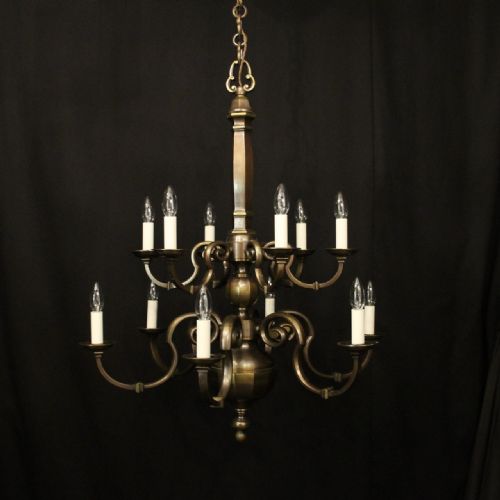
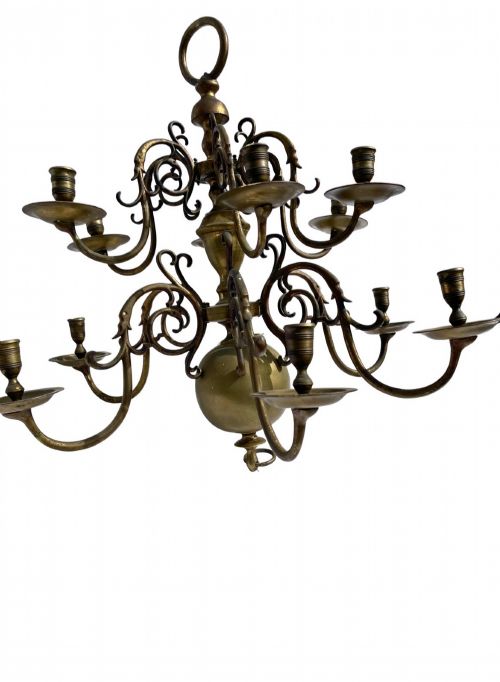
When you search for a two arm ceiling light, you are looking at dual-branch hanging fixtures that bring period character to smaller spaces. These pieces span periods from the 18th century through the Edwardian era, drawing on styles such as Dutch Baroque, Art Nouveau, and Louis XIV. While larger multi-light chandeliers dominate the selection, the category encompasses compact ceiling lights designed with twin arms.
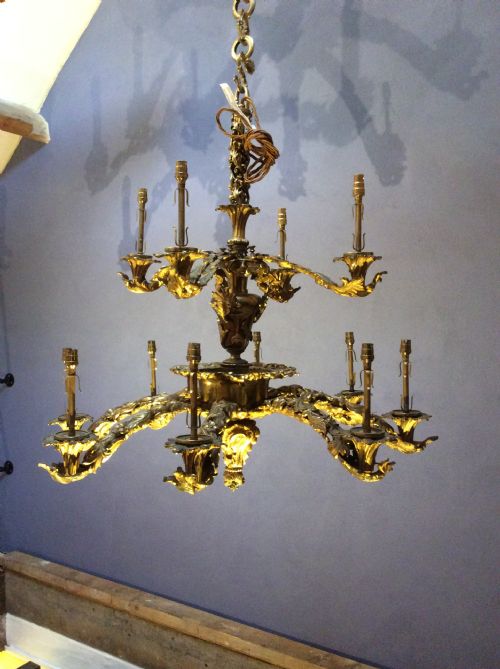
The pieces appearing here include brass, bronze, copper, and gilt metal constructions, often styled after European lighting traditions. You will encounter forms ranging from simple rise and fall mechanisms to elaborate revival designs. Each example reflects the lighting requirements of its period, adapted for ceiling suspension rather than wall mounting.
How they were made
Makers utilised cast and forged metals including brass, bronze, copper, and ormolu to build the structural arms and central bodies of these ceiling lights. Metalwork techniques involved casting components in sections, hand-chasing surface details, and joining elements with mechanical fasteners or brazing. Gilt finishes and polychrome paint were applied to enhance the visual weight of the metal.
Wiring and suspension methods varied over time, transitioning from early oil and candle configurations to later fabric cord electrical adaptations. The integration of glass and crystal components required pierced metal mounts or wire bindings to secure delicate prisms and shades safely to the frame.
Some fixtures include pulley systems designed to let users haul their lights downward for trimming wicks or dusting.
What varies in quality
The distinction between standard production and superior work lies in the crispness of the metal casting and the depth of hand-finishing. Finer examples display sharp definition in chased ornament and substantial metal gauge, whereas lesser pieces rely on softer cast details and thinner sheet metals. The structural integrity of the arm joints and the purity of the metal alloys dictate the longevity of the fixture.
Stylistic coherence also separates ordinary output from exceptional pieces, particularly in revival works that emulate Dutch Baroque or Louis XIV designs. Better execution is evident in the harmonious proportions of the twin arms relative to the central body and the careful application of gilding or patination.
The Two Arm Ceiling Light Glossary
- Ormolu
- Gilded bronze, where a layer of gold is applied to a bronze base using a mercury amalgam technique or electroplating. This finish imparts a rich, warm lustre characteristic of French decorative arts.
- Rise and fall
- A mechanical pulley system utilising a counterweight or spring mechanism to allow the height of the ceiling light to be adjusted. This practical innovation was common in domestic lighting during the Edwardian period.
- Polychrome
- Painted in several colours, often applied to wood, metal, or gesso surfaces to create decorative patterns or simulate natural materials. It appears frequently on Florentine fixtures.
- Dutch Baroque
- A decorative style originating in the Netherlands during the 17th century, characterised by robust proportions, scrolling arms, and bulbous central stems. Revival versions replicate these heavy brass and copper forms.
- Gilt brass
- Brass treated with a thin layer of gold or gold-coloured metallic finish to enhance its appearance and prevent tarnishing. It provides a bright, reflective surface across various historical periods.
Two Arm Ceiling Light: Frequently Asked Questions
What is a two arm ceiling light?
A two arm ceiling light is a suspended fixture featuring two branching arms designed to hold light sources. These fixtures provide balanced illumination while occupying a compact footprint.
They appear in various historical styles, ranging from simple metalwork to ornate revival designs reflecting Dutch or French aesthetics.
How were these ceiling lights used?
These fixtures were hung from ceilings in domestic interiors to illuminate specific rooms, hallways, or dining spaces. Their dual-arm format offered targeted light distribution suited to moderate room dimensions.
Over time, many of these pieces were converted from earlier fuel or candle formats to accommodate electrical wiring.
How do I live with a historic light?
Living with a period ceiling light involves balancing historical character with modern electrical safety and appropriate bulb selection. Ensuring the structural ceiling can support the weight of metal and glass components is essential.
Regular dusting with a soft cloth helps preserve the patination of brass, bronze, and ormolu surfaces without damaging the finish.
How do I tell periods apart?
Distinguishing periods relies on observing stylistic motifs, construction techniques, and materials characteristic of specific eras. Edwardian pieces often incorporate practical mechanisms like rise and fall cords, while 18th-century styles display robust cast brass and copper forms.
Revival pieces combine earlier aesthetic vocabularies with manufacturing methods typical of the late 19th and early 20th centuries.