


Vintage Brass Pendant Fixture
A vintage brass pendant fixture brings concentrated light and substantial presence to a room, drawing the eye upward.
Vintage Brass Pendant Fixture
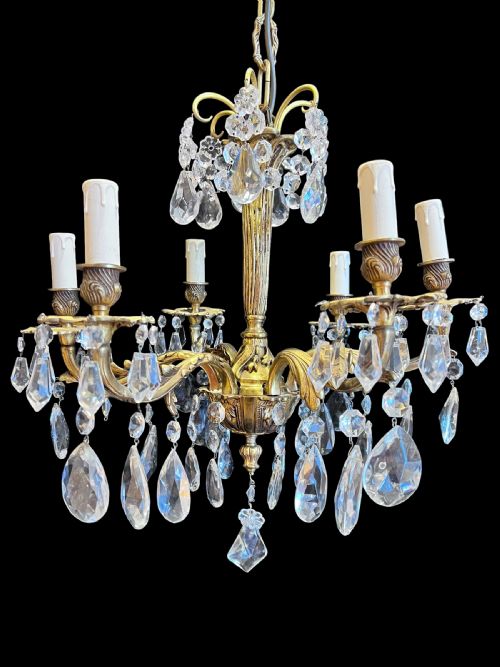
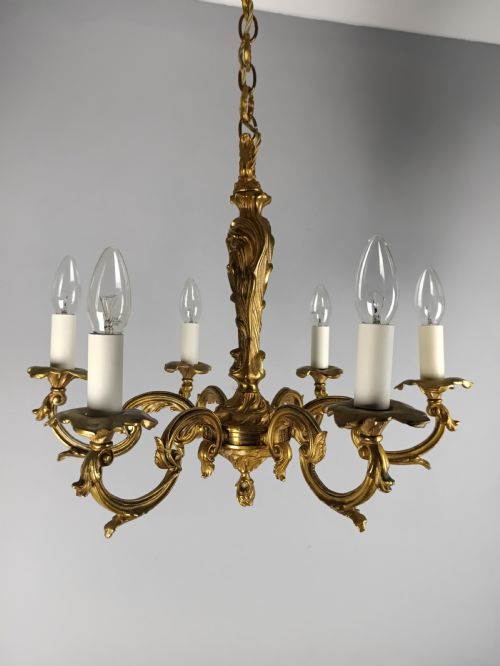
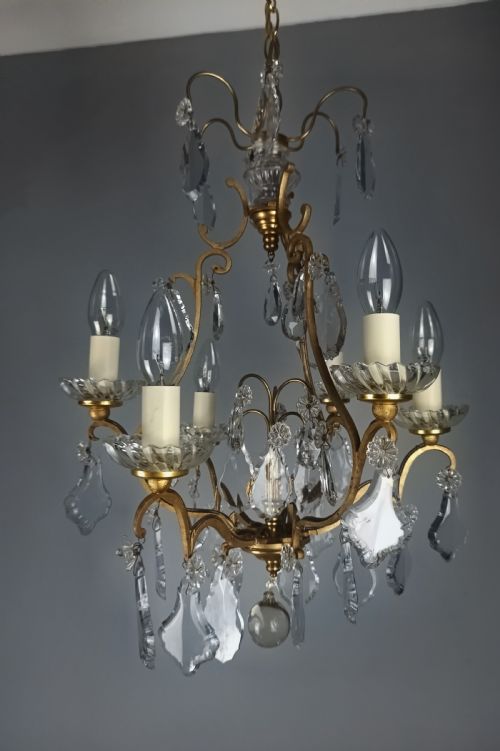
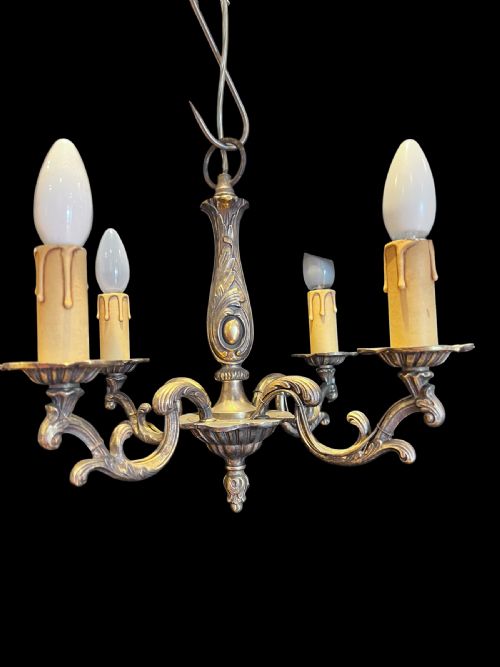
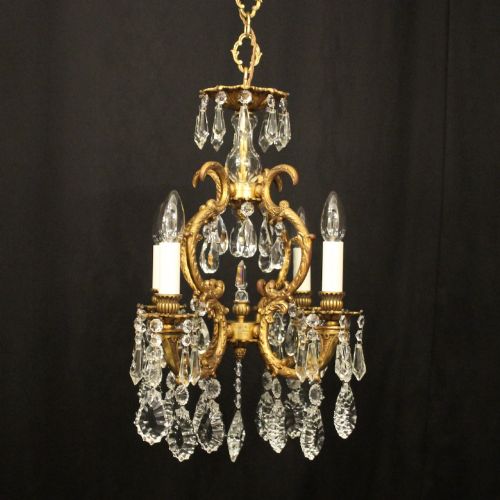
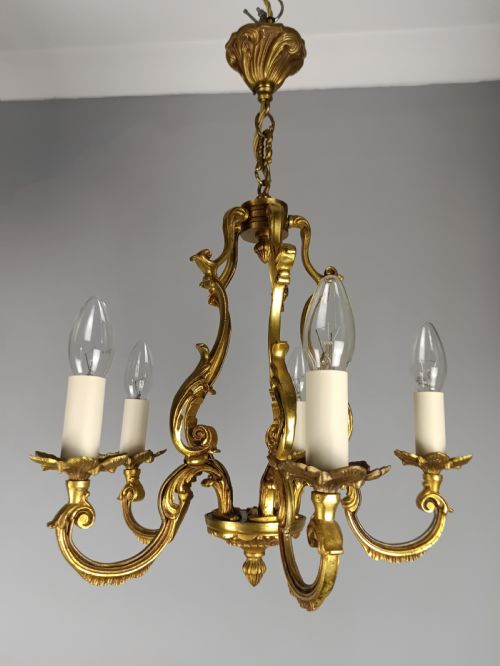
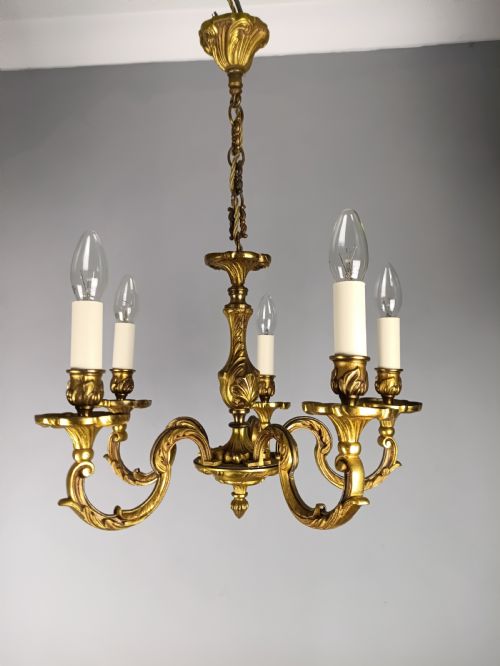
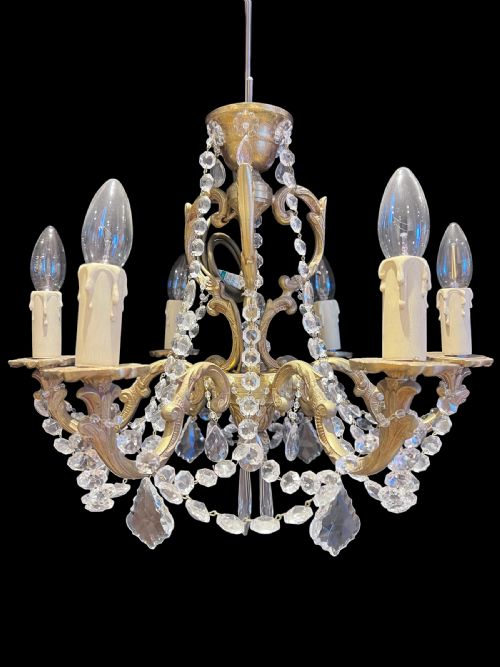
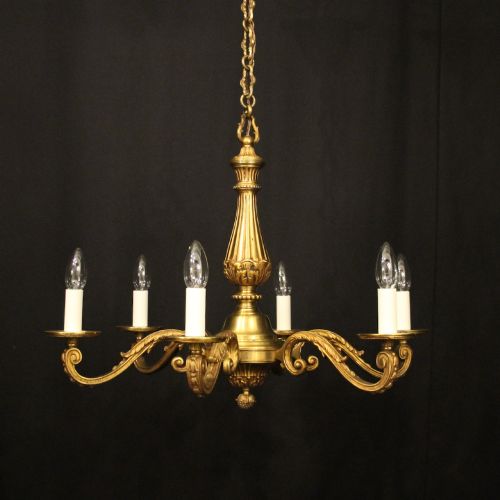
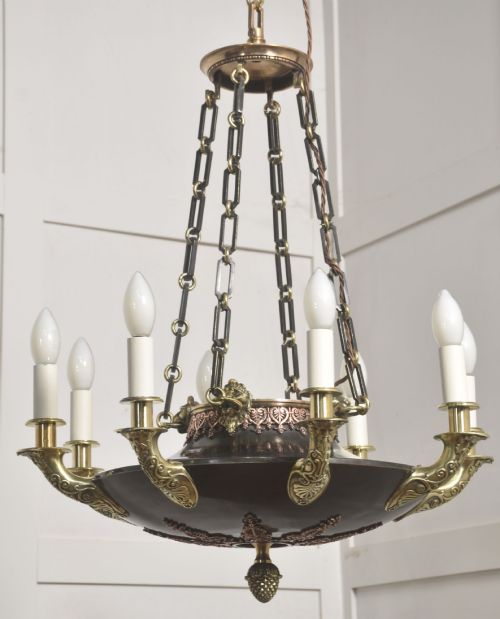
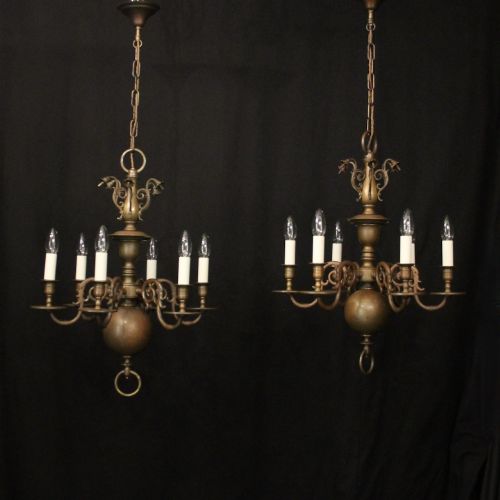
A vintage brass pendant fixture encompasses hanging ceiling lights, hall lanterns, and multi-armed chandeliers forged primarily from brass and bronze. These pieces range from compact single-bulb glass globes and plafonniers to large multi-tiered crystal-hung structures.
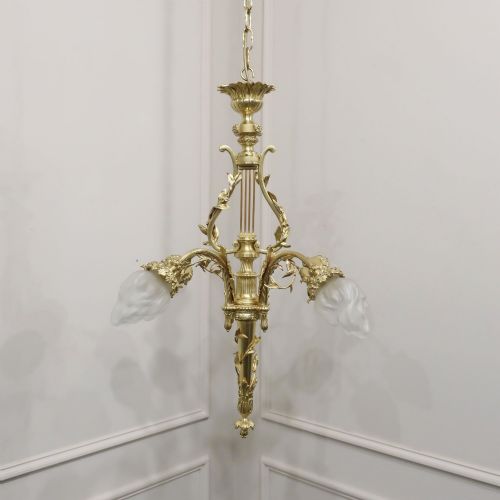
The selections span from the late nineteenth century through the Edwardian era into the 1920s and 1930s Art Deco period. French designs dominate the evidence, frequently incorporating gilt bronze, crystal lustres, and elaborate metalwork frames.
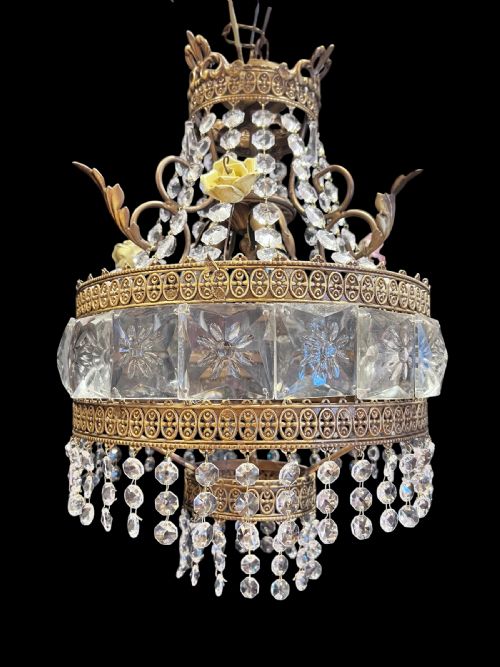
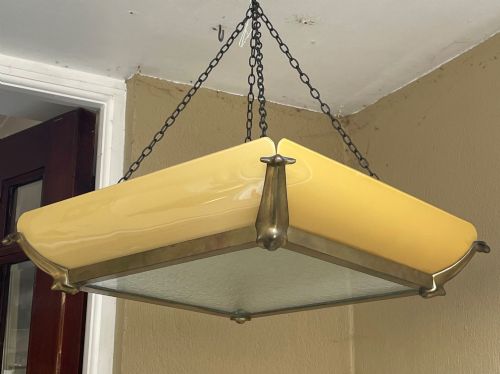
Buyers encounter regional variations including English Arts and Crafts brass lanterns, Italian fixtures featuring porcelain elements, and American slip-shade ceiling lights. Forms vary from simple convex hall lanterns to complex tent and waterfall chandeliers.
How they were made
Construction relies heavily on cast and fabricated brass or bronze frames that support various forms of glass. Makers utilised cut glass, bevelled glass, opalescent shades, and crystal lustres to diffuse and refract light from multiple internal bulbs.
Surface treatments range from gilded finishes on bronze and brass to dark patinated bronze and tôleware painted components. Structural elements incorporate intricate details such as leaf decorations, porcelain flowers, and specialised glass drops.
Object forms span simple hanging pendants and plafonniers to complex multi-armed chandeliers and enclosed hall lanterns.
What varies in quality
Quality depends upon the crispness of the casting in the brass or bronze metalwork and the clarity and cut of the associated glass elements. Superior examples display refined proportions, integrated decorative motifs, and complete sets of matching crystal drops or lustres.
The complexity of the assembly distinguishes standard pendant lights from elaborate multi-tier chandeliers and specialised star lanterns. Better pieces maintain original gilding, patination, and specialised components such as slip shades or opalescent glass.
The Vintage Brass Pendant Fixture Glossary
- Plafonnier
- A ceiling-mounted glass bowl or flush fixture that sits close to the surface. These items direct illumination downward into the space.
- Tent and waterfall chandelier
- A lighting fixture featuring beads arranged in an upper conical tent shape cascading down to a lower ring. This form maximises crystal refraction across multiple arms.
- Hall lantern
- An enclosed hanging light designed specifically for entryways and corridors. They often feature glazed panels held within a brass or bronze metal frame.
- Crystal lustre
- A cut glass pendant drop hung from chandelier arms to catch and reflect light. These elements are typically suspended on small brass wire loops.
- Slip shade
- A glass shade that fits directly into a metal frame without traditional screw fitters. This technique was popular in Art Deco lighting design.
Vintage Brass Pendant Fixture: Frequently Asked Questions
How do I clean a brass pendant fixture?
Dust the metal and glass components regularly with a soft, dry cloth to prevent buildup. Avoid harsh chemical cleaners that can strip historical patinas or damage delicate gilded surfaces.
For glass drops and crystals, remove them carefully if necessary and wash them in lukewarm soapy water. Dry each piece thoroughly before reattaching it to the frame.
Are these lights compatible with modern wiring?
Many vintage fixtures retain older electrical components or gas fittings that require rewiring for modern use. A qualified electrician should inspect and adapt the internal wiring to meet current safety standards.
Original sockets can often be updated while preserving the exterior brass or bronze housing. This ensures the fixture operates safely with contemporary bulbs.
How do I determine the period of a fixture?
Dating relies on stylistic clues such as the geometric lines of Art Deco pieces or the heavy ornamentation of French Neoclassical and Empire Revival designs. Materials like opalescent glass and slip shades point specifically to early twentieth-century manufacturing.
Construction techniques, including the type of casting and screw threads, also help establish age. Comparing the overall form to documented pieces from the Victorian era through the 1930s clarifies the timeline.
Can heavy chandeliers hang from standard ceilings?
Large brass and crystal fixtures require secure ceiling joists and appropriate hardware to support their substantial weight. Professional installation is essential to ensure the mounting box and fixings can bear the load safely.
Ceiling height must also be considered when hanging pendant lights and chandeliers over furniture or walkways. Proper placement prevents obstruction while maintaining the intended visual impact of the drop.