

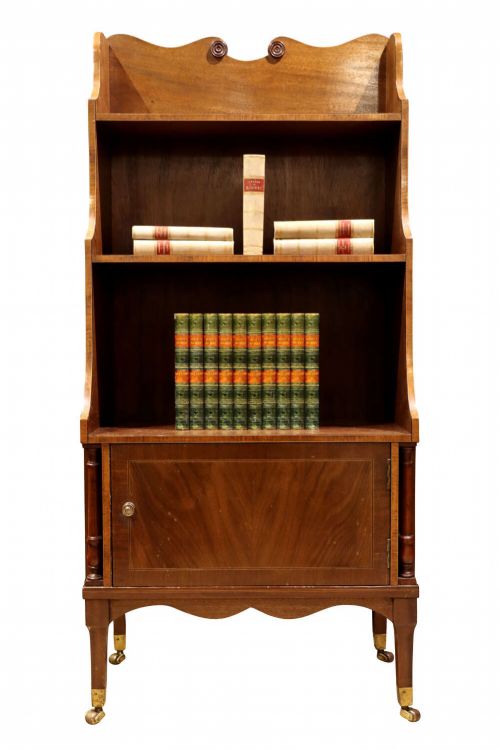


Brass Inlay Display Bookcase
A brass inlay display bookcase holds your volumes and curiosities behind glass, combining polished timber with bright metalwork to catch the eye.
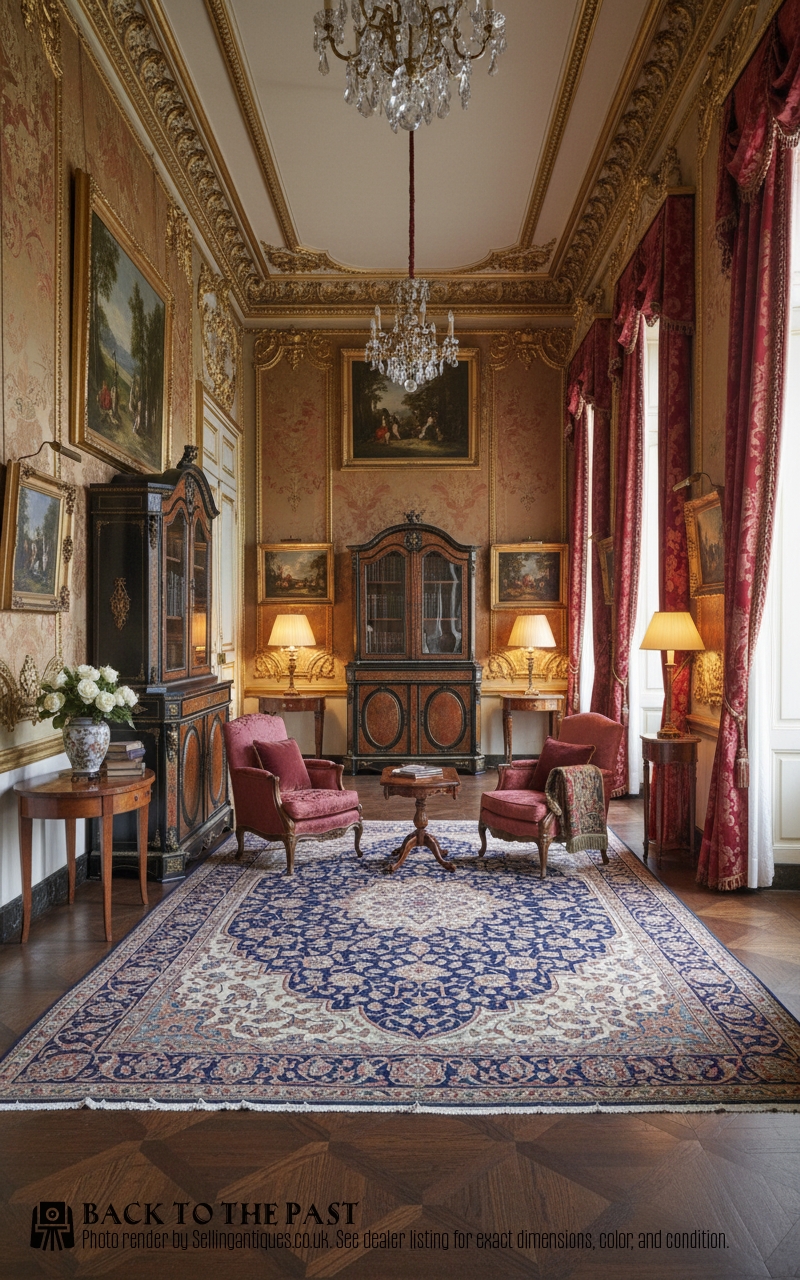
Brass Inlay Display Bookcase
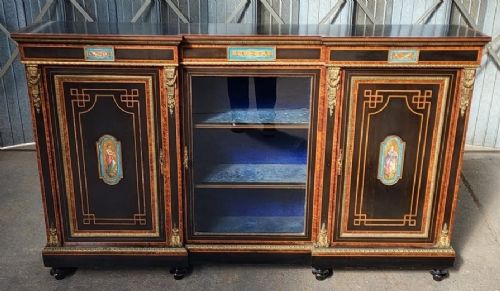
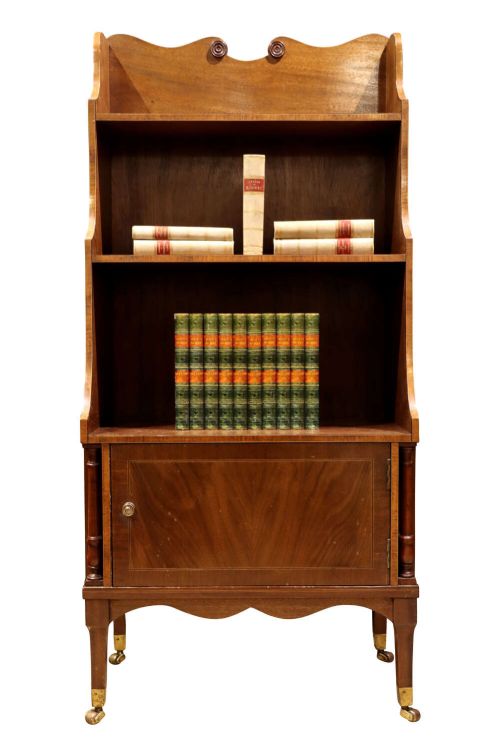
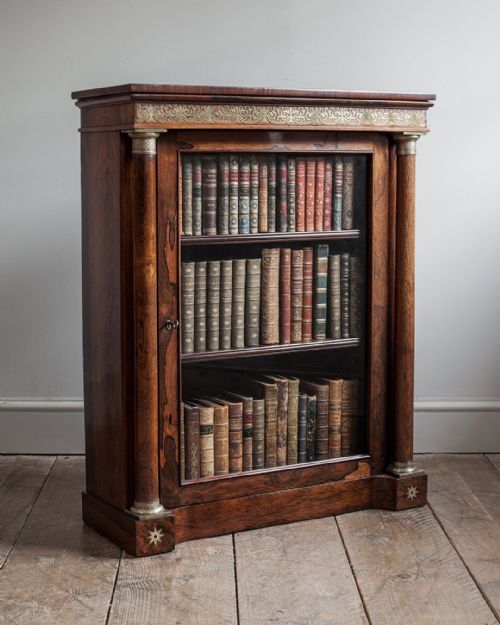
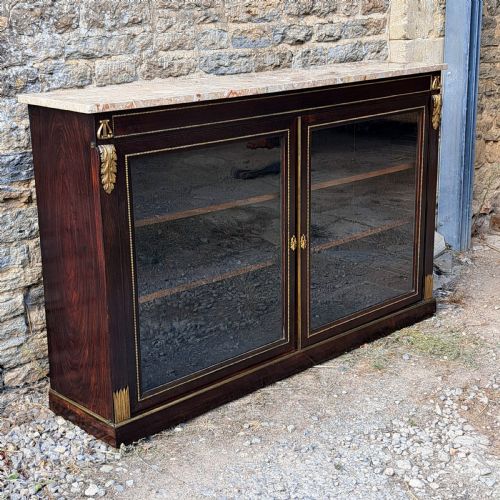
A brass inlay display bookcase combines open or glazed shelving with cabinet storage, designed to present books and prized objects within a formal room. When you examine a brass inlay display bookcase, you typically encounter forms spanning the Regency, Victorian, and Edwardian periods.
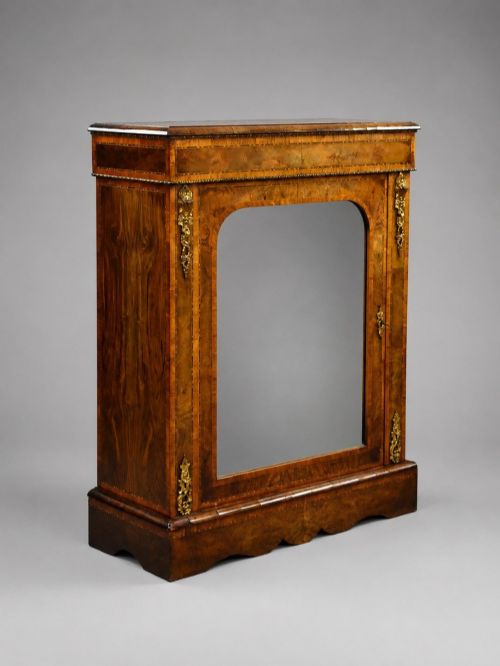
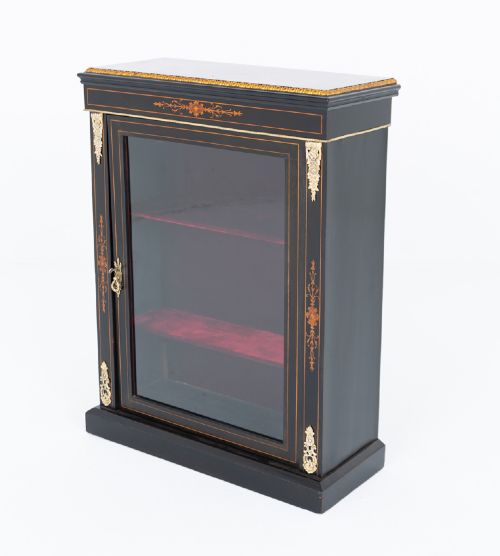
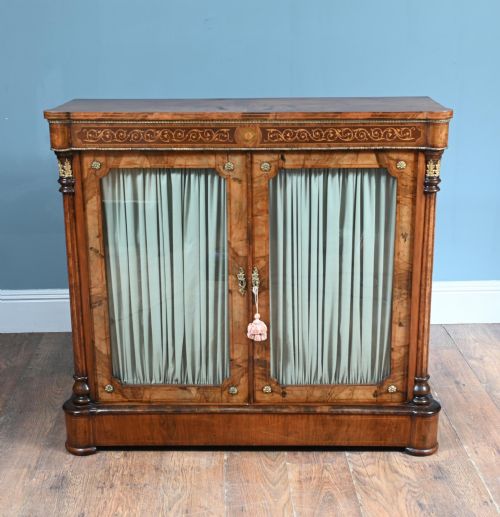
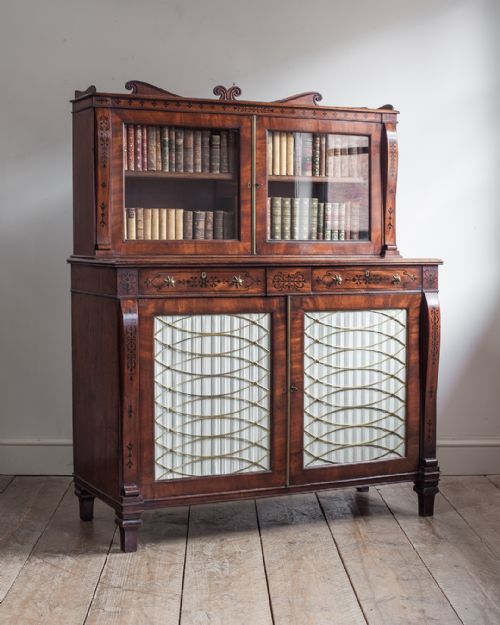
The pieces appearing on this page range from compact pier cabinets and chiffoniers to large breakfront bookcases and credenzas. Rosewood, walnut, and ebonised wood provide the primary carcass structures, frequently enriched with detailed metalwork.
Makers utilised various stylistic influences, including Sheraton revival patterns and French Napoleon III boullework. The resulting furniture serves both a practical shelving purpose and a decorative function in domestic interiors.
Construction and materials
Cabinet makers constructed the foundational carcases using dense timbers such as rosewood, mahogany, and walnut, often applying veneers over secondary woods. Ebonised finishes and tortoiseshell accents provided dark backgrounds designed to highlight the metallic details.
Brass wire, stringing, and cast ormolu mounts were embedded directly into the wooden surfaces or applied as decorative trims around doors and panels. Glass panels fitted into wooden frames secured the display sections while protecting the contents from dust.
Listings feature brass inlay display bookcases executed in rosewood, walnut, and ebonised wood across Victorian, Regency, and Edwardian periods.
Distinctions in quality
The refinement of the metalwork and the precision of the timber matching set finer examples apart from standard production. Artisans who achieved crisp joinery and tightly fitted brass inlays produced pieces that retain their structural integrity and visual clarity over generations.
The choice of figured veneers, such as burr walnut or richly grained rosewood, indicates a higher tier of manufacture. Integrated ormolu mounts and well-cast brass castors further distinguish the more ambitious commissions from simpler utilitarian shelving.
Edwards and Roberts
The Brass Inlay Display Bookcase Glossary
- Pier cabinet
- A low cabinet designed specifically to stand against the wall space between windows. These pieces often feature glass doors for displaying collections.
- Boullework
- A type of marquetry consisting of tortoise-shell and brass inlaid in elaborate scrollwork patterns. This technique originates from French workshop traditions.
- Ormolu
- Gilded bronze used for furniture mounts and decorative hardware. It provides a bright golden contrast against dark timbers like rosewood and ebonised wood.
- Chiffonier
- A low sideboard or cabinet with shelves or a superstructure on top. The form developed during the Regency period for storing books and tableware.
- Breakfront
- A piece of furniture having a central section that projects forward from the flanking sections. This architectural arrangement creates depth and visual rhythm in large bookcases.
- Marquetry
- Decorative patterns formed by the insertion of pieces of wood, shell, or metal into a veneered surface. Craftsmen cut these elements to fit flush within the timber.
Brass Inlay Display Bookcase: Frequently Asked Questions
What is a brass inlay display bookcase?
A brass inlay display bookcase is a cabinet designed for books and decorative objects, featuring glazed or open shelving enhanced by brass stringing or marquetry.
These pieces emerged across Georgian, Regency, and Victorian periods, using timbers like rosewood, walnut, and mahogany.
How were these bookcases used?
Owners utilised them in reception rooms and libraries to store treasured volumes alongside porcelain, glass, and curiosities.
The glass doors kept dust away from delicate bindings while allowing guests to view the contents without opening the cabinet.
How do I identify a Victorian piece?
Victorian examples frequently employ ebonised wood, burr walnut, or figured mahogany, often combined with heavy brass mounts or glazed doors.
Cabinet makers during this era also produced pier cabinets and chiffoniers with elaborate marquetry patterns influenced by earlier French designs.
How do I care for rosewood and walnut?
Keep the wood away from direct sunlight and sudden temperature changes to prevent the timber and veneers from drying out.
Dust regularly with a soft, dry cloth and avoid harsh chemical polishes that can damage the French polished surface and brass inlay.