






French Brass Inlay Vitrine
A french brass inlay vitrine brings nineteenth-century display cabinets and bijouterie tables together to showcase precious objects.
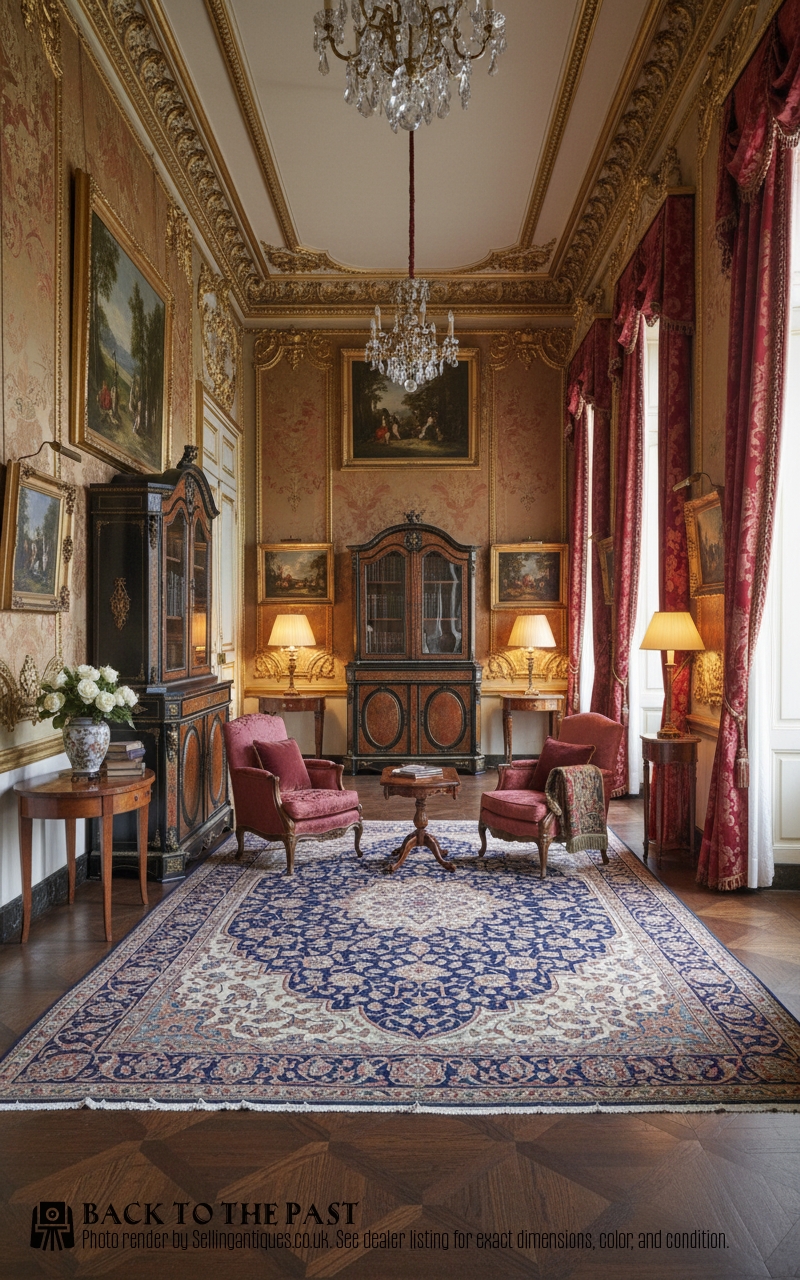
French Brass Inlay Vitrine
A french brass inlay vitrine stands as an elegant cabinet or table designed to hold small collections and precious items under glass. Buyers seeking this phrase encounter pieces shaped during the nineteenth century and the Edwardian era, alongside Victorian and Napoleon III periods.
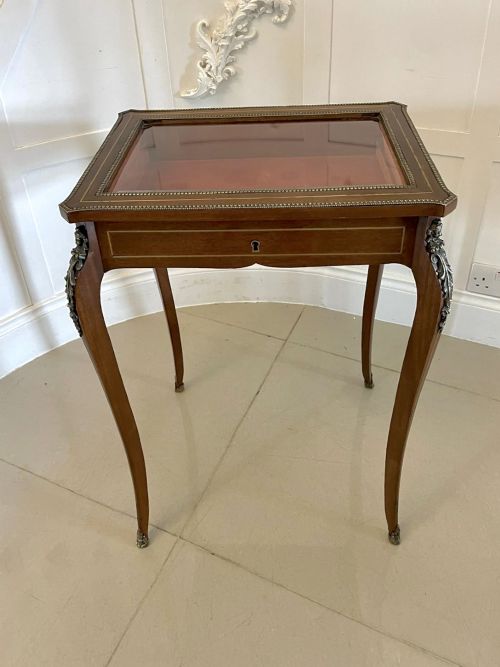
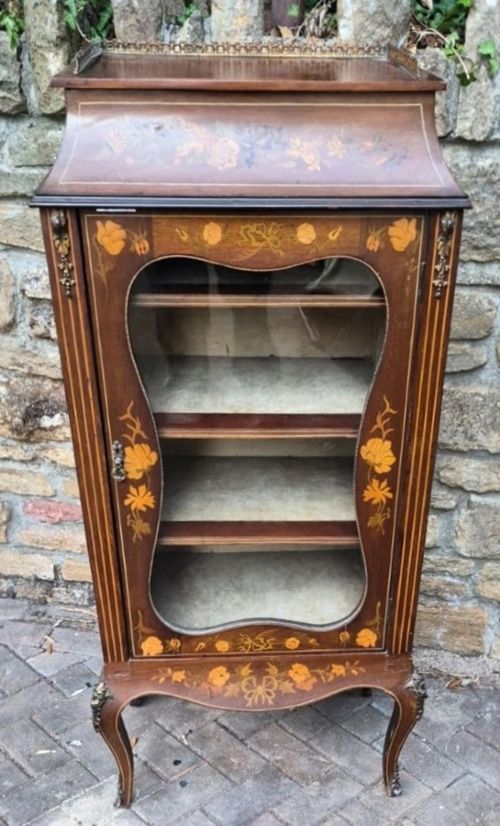
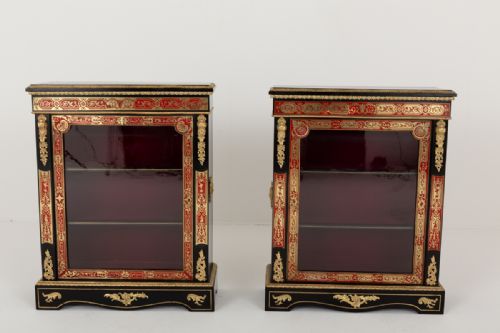
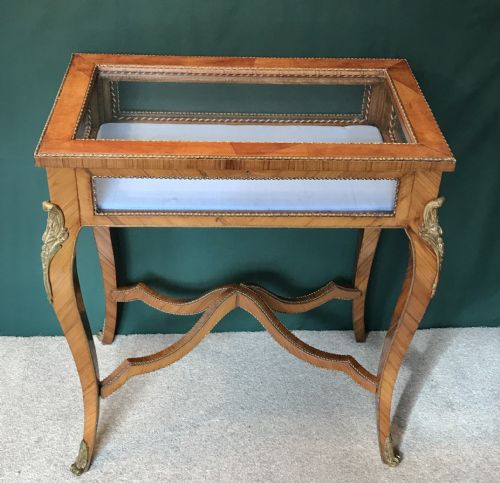
The selections span distinct forms including tall pier cabinets, display cabinets, and smaller bijouterie tables. Louis XV Revival and French Rococo Revival styles frequently appear across these listings, alongside mahogany, ebonised wood, kingwood, and satinwood foundations.
Materials and construction
Craftsmen built these display pieces using solid carcases faced with exotic timbers such as mahogany, kingwood, and ebonised wood. Artisans then meticulously set brass and ormolu mounts into the wooden surfaces.
Boulle work and marquetry techniques define the ornamentation, incorporating tortoiseshell alongside polished brass inlay. Glass panels fitted into doors and tabletops complete the construction, protecting the contents while offering all-round visibility.
Some kidney-shaped tables hide your treasures beneath curved glass.
Assessing quality and craftsmanship
The distinction between average and exceptional examples lies in the crispness of the brass cutting and the precision of the marquetry inlay. Superior pieces display smooth integration of ormolu mounts and finely figured timber veneers.
Structural integrity of the glass framing and the weight of the timber foundations separate standard production from masterwork pieces. Finer examples maintain accurate door alignment and refined proportions across pier cabinets and display tables.
The French Brass Inlay Vitrine Glossary
- Vitrine
- A glass-fronted cabinet designed for displaying fine porcelain, curiosities, or small valuables. These pieces often feature glazed sides to maximise light.
- Boulle
- An elaborate form of marquetry using brass and tortoiseshell inlaid into wood, named after the cabinetmaker André-Charles Boulle. This technique creates a rich, contrasting surface pattern.
- Ormolu
- Gilded bronze used for decorative mounts and furniture embellishments during the eighteenth and nineteenth centuries. The metal is cast and then finished with gold leaf or mercury gilding.
- Bijouterie table
- A low display table with a glazed top and compartment designed for holding jewellery and small ornaments. These tables frequently stand on slender legs.
- Pier cabinet
- A tall, narrow cabinet designed to fit the wall space between windows. These pieces often feature a single glazed door and brass ormolu detailing.
French Brass Inlay Vitrine: Frequently Asked Questions
What is a french brass inlay vitrine used for?
These cabinets and tables served historically to display precious ornaments, ceramics, and personal collections securely. Today they fulfil a similar decorative purpose in interiors.
Collectors utilise the glass-shelved interiors to exhibit small antiques and glassware while protecting them from dust.
How do I identify a Napoleon III vitrine?
Napoleon III pieces frequently showcase ebonised wood combined with elaborate brass boulle inlay and gilt bronze mounts. Revival styles from this era draw heavily on earlier monarchical designs.
Look for rounded or serpentine contours and dark polished surfaces typical of the mid-nineteenth-century French aesthetic.
Where should I place a display table?
Bijouterie tables and display tables suit drawing rooms, studies, or hallways where natural light can illuminate the glazed tabletop compartment. They work best away from direct heat sources.
Placement should allow clearance around the piece so that visitors can view the contents from above and the sides.
How do I care for inlaid wood?
Maintain inlaid furniture by dusting gently with a soft cloth and avoiding chemical polishes that might damage the brass and wood interface. Keep pieces away from direct sunlight.
Stable room humidity prevents the timber from expanding or contracting, which protects delicate brass inlay work from lifting.