
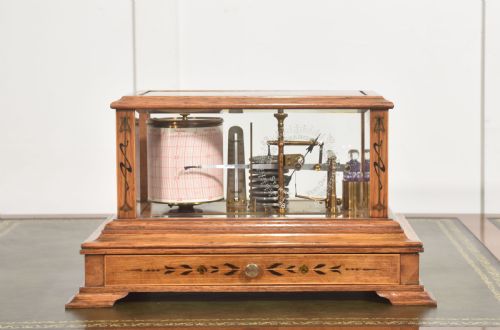
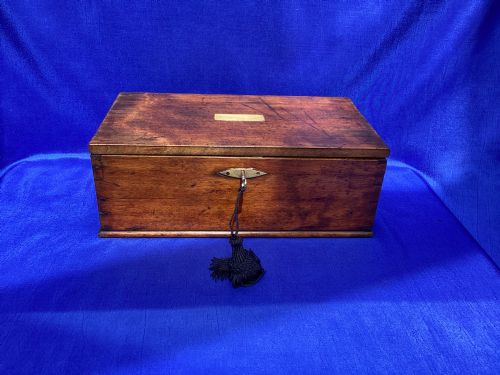


Brass Inlaid Case
A brass inlaid case brings together figured timbers and bright metalwork, framing clocks, musical boxes, and cabinets from the Georgian and Victorian eras.
Brass Inlaid Case
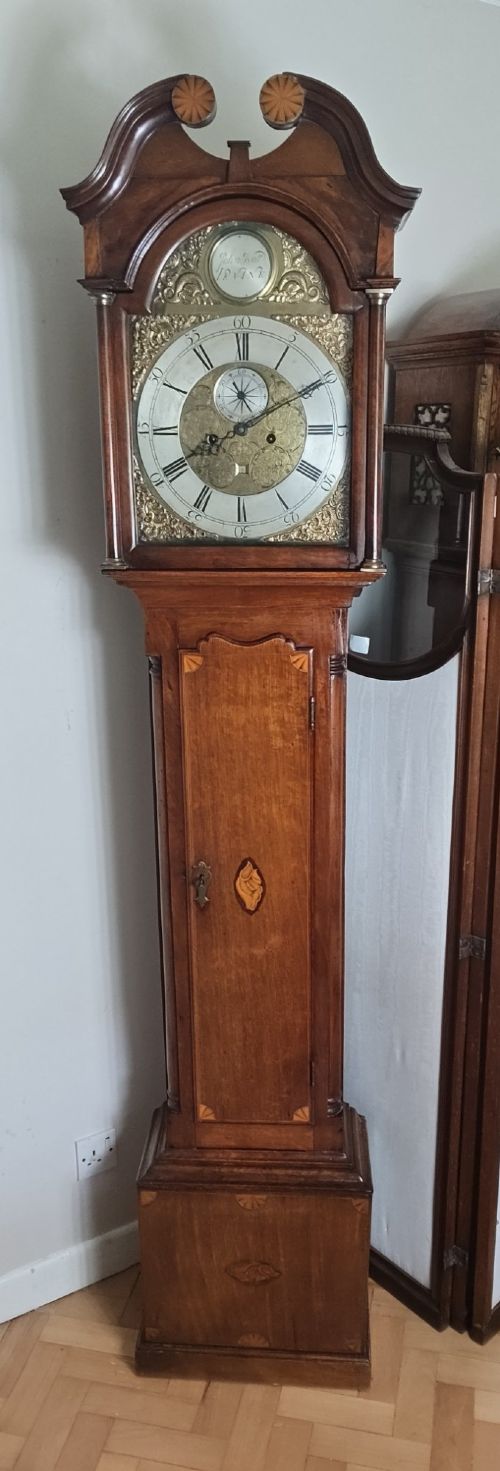
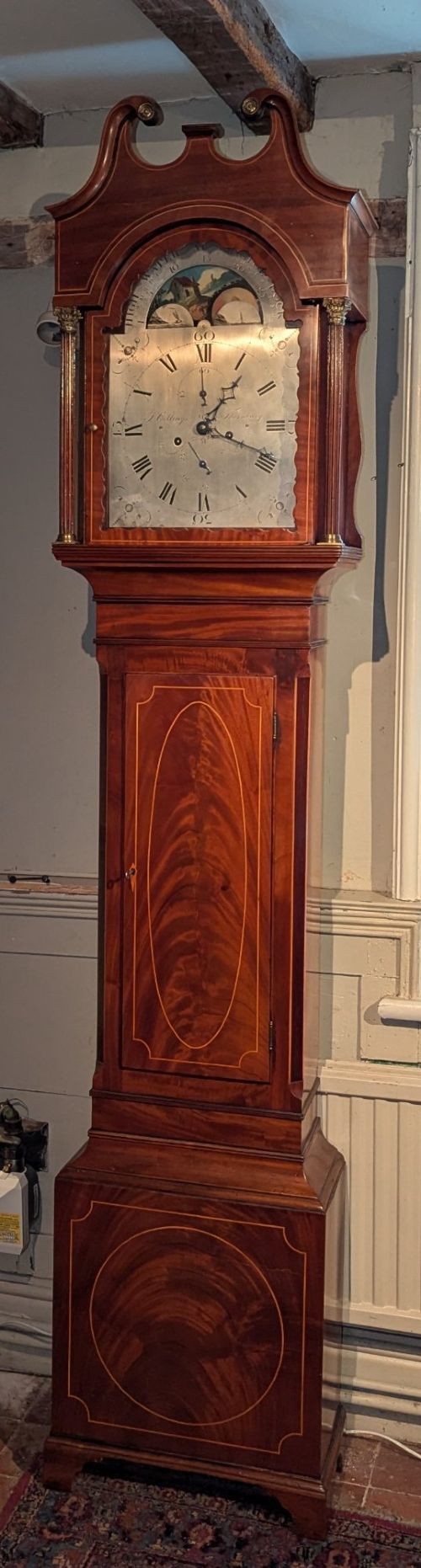
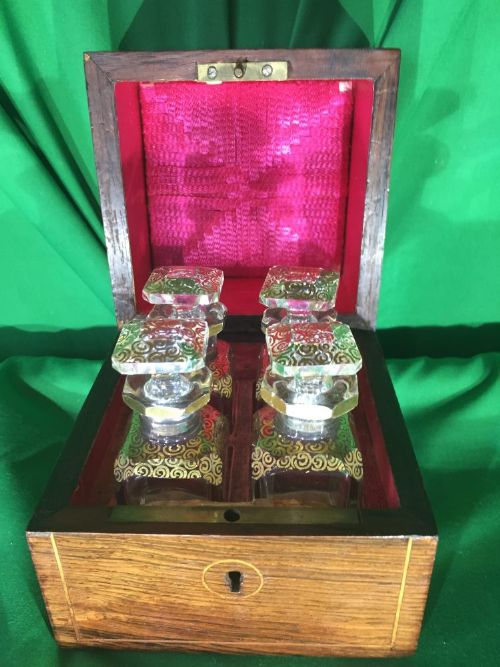
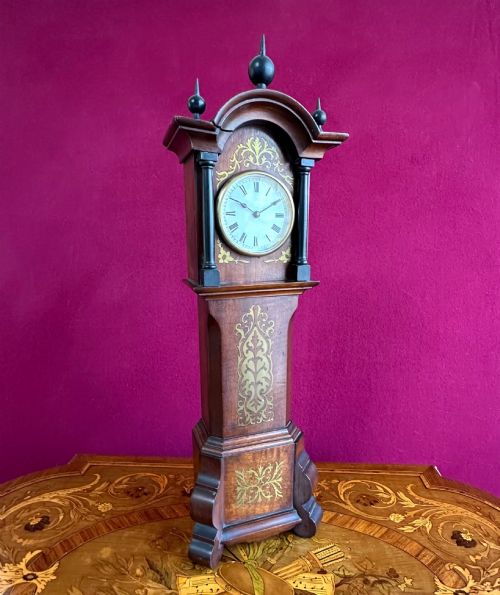
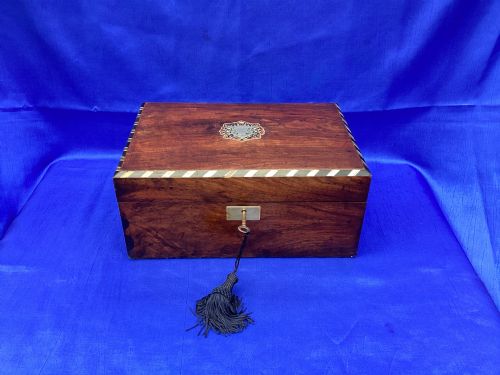
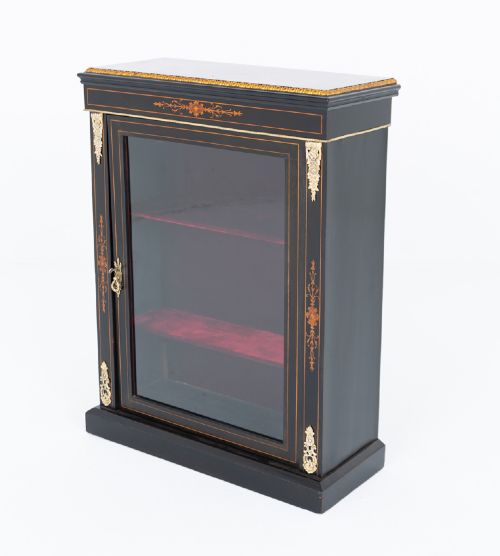
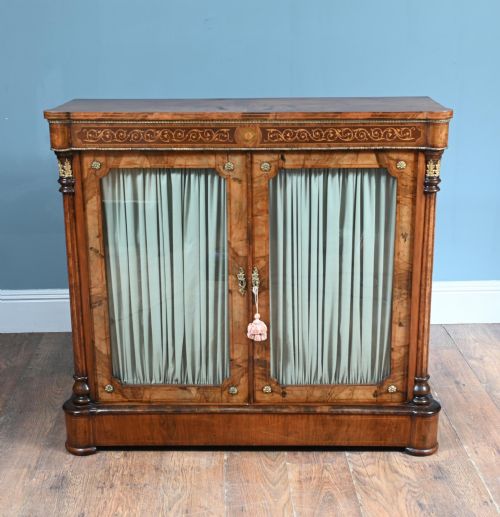
When you search for a brass inlaid case, you encounter a varied group of decorative and practical objects designed to house timepieces, books, and personal belongings. The selection spans tall longcase clocks, wall dials, table cabinets, and extensive bookcases.
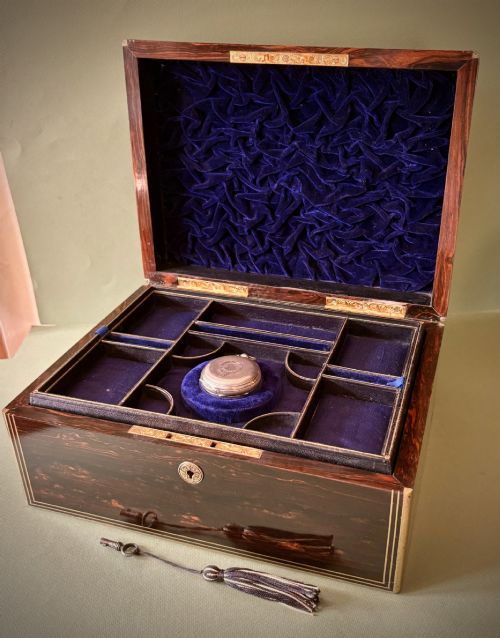
The most frequent examples on this page are Regency and Victorian rosewood or mahogany bookcases, alongside tall grandfather clocks and fitted dressing boxes. These items served domestic utility and display in nineteenth-century interiors.
Origins range across English workshops, Scottish makers, and French ateliers, utilising periods from the late eighteenth century through to Edwardian revivals.
How they were made
Cabinet makers built these pieces using dense hardwoods such as mahogany, rosewood, walnut, and coromandel, often laid over secondary framing timbers. Brass strip or sheet metal was carefully let into channels cut into the wood surface.
Inlay techniques frequently combined brass with other materials like satinwood, pewter, or tortoiseshell in elaborate Boulle or marquetry patterns. Interiors featured velvet linings, glass panels, and specialised hardware such as Bramah locks.
Listings feature longcase clocks, bookcases, and dressing boxes across mahogany, rosewood, and walnut from the Georgian to Edwardian eras.
What varies in quality
The distinction between ordinary and exceptional items lies in the precision of the metal inlay and the choice of timber veneer. Finer examples display tight, continuous brass work embedded flush with well-figured, book-matched grain.
Construction depth also dictates standing, seen in fully fitted internal compartments, original working locks, and secondary woods chosen for stability rather than economy.
Holtzapffel and Co·H Mitchell·William Moon·David Morice·Paul Garnier·Joseph Jump·Thomas Lindey·Gillows of Lancaster
The Brass Inlaid Case Glossary
- Boulle
- A form of marquetry using brass and tortoiseshell inlaid in ornate scrolling patterns. It gained popularity in seventeenth-century France and saw major revivals during the Napoleon III period.
- Fusee
- A conical pulley used in clock movements to maintain even driving force as the mainspring unwinds. This mechanism is standard in better quality English wall and table clocks.
- Vritine
- A glazed display cabinet designed for porcelain and curiosities. These pieces often feature glass sides and shelves to maximise light reflection.
- Coromandel
- A dense, heavily figured timber imported from Asia with dark brown and black contrasting streaks. Makers reserved this luxurious wood for high-end Victorian dressing and writing boxes.
- Paterae
- Small circular decorative ornaments carved or inlaid with floral motifs. They frequently accent the corners of Georgian and Regency cabinetwork.
Brass Inlaid Case: Frequently Asked Questions
What is a brass inlaid case?
A brass inlaid case refers to wooden furniture and boxes ornamented with precision-cut brass lines, scrolls, or pictorial motifs. These pieces utilise dark hardwoods like rosewood and mahogany to create a strong contrast against the polished metal.
Items ranging from tall grandfather clocks and bookcases to small vanity boxes fall into this descriptive category.
How were these cases used?
Many of these objects served practical storage roles in wealthy nineteenth-century households, protecting valuable timepieces, documents, or personal jewellery. Bookcases and vitrines displayed prized literary volumes and decorative ceramics in formal rooms.
Portable examples, such as travelling dressing boxes, allowed owners to transport personal grooming items securely during journeys.
How do I date a brass inlaid piece?
Dating relies on combining the primary timber, cabinet construction methods, and stylistic cues present in the brass motifs. Regency pieces often favour geometric brass stringing on rosewood, while Edwardian examples incorporate lighter mahogany and floral inlay.
Clock dials, movement types, and maker signatures provide further chronological markers for longcase and wall clocks.
How do I care for rosewood and brass?
Maintenance requires stable indoor humidity and protection from direct sunlight to prevent the timber from splitting or fading. Gentle dusting with a dry cloth keeps the polished surfaces clear without wearing down the wood and metal interface.
Avoid liquid cleaners that might seep beneath the brass inlay and damage old animal glues.