

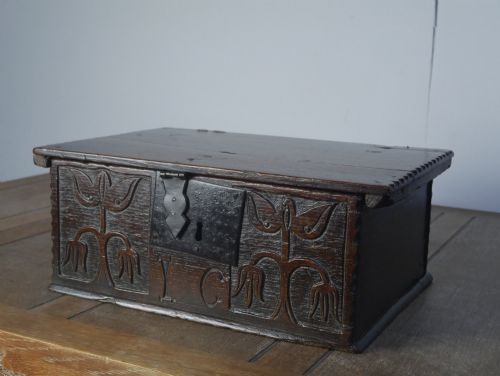
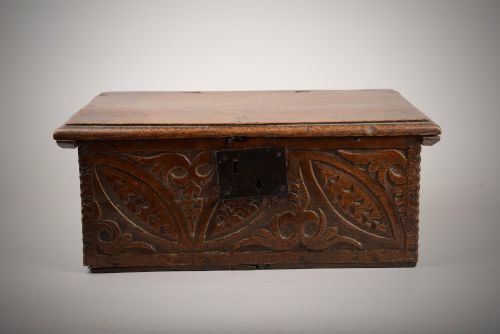

Locking Wooden Box
A locking wooden box secures personal treasures, correspondence and spirits using clever mechanisms housed in enduring timber.
Locking Wooden Box
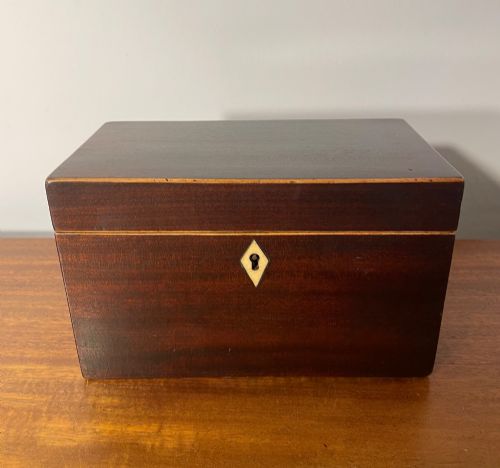
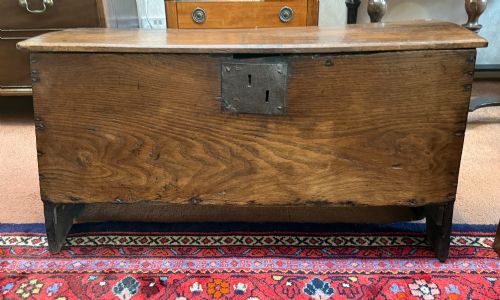
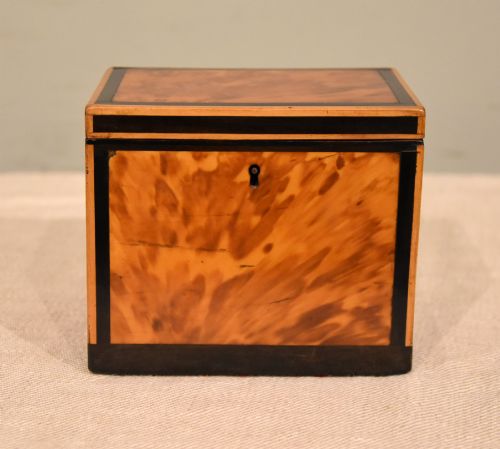
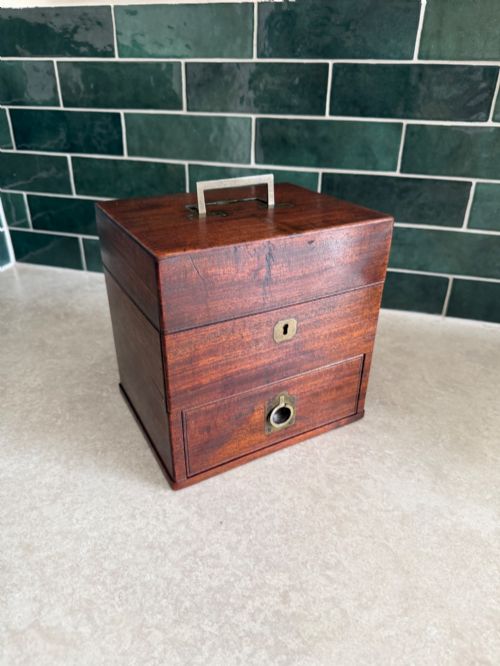
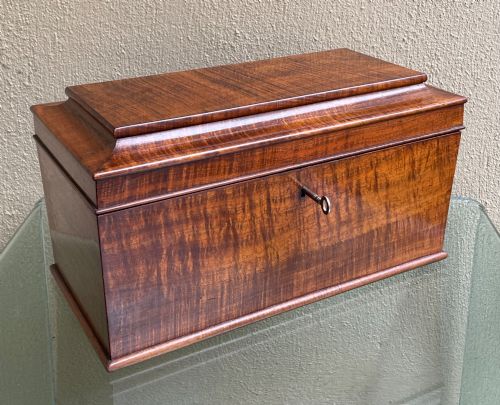
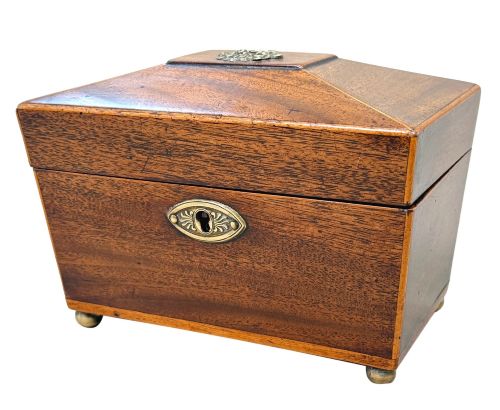
A locking wooden box serves multiple domestic and professional purposes across centuries of British and continental design. You encounter tea caddies, writing slopes, jewellery cases and larger coffers designed to safeguard valuables under lock and key.
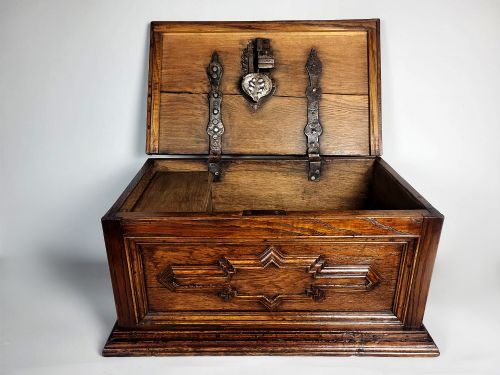
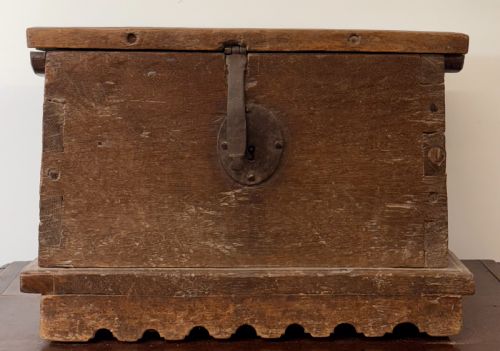
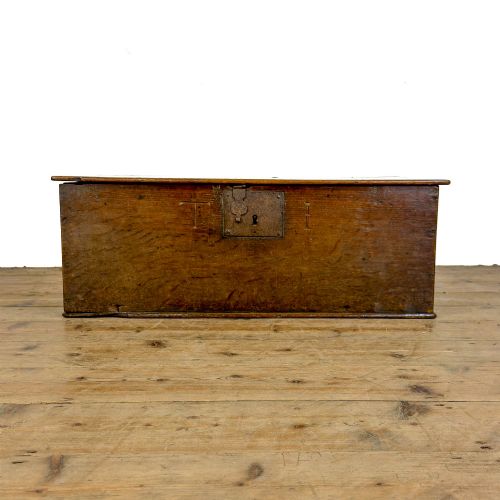
The selection ranges from early oak desk boxes and Bible boxes of the seventeenth century to Victorian walnut writing slopes and Edwardian cabinet pieces. Each version reflects the specific storage needs of its era, whether for loose leaf tea, personal documents or bottled spirits.
Form follows function closely in these containers, dividing neatly between small desktop items and robust floor chests. Oak, mahogany and walnut predominate, often fitted with brass mounts and complex internal compartments.
What separates the finest examples
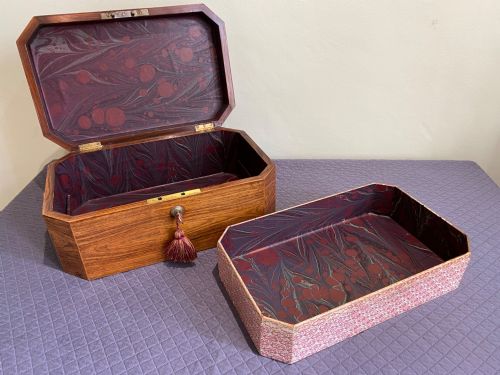
Quality rests in the precision of the joinery and the sophistication of the locking mechanism. Superior examples feature integrated secret compartments, original keys that still throw the bolt smoothly, and finely figured timber veneers selected with care.
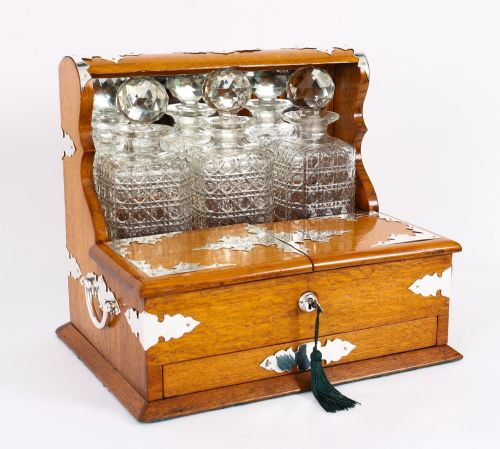
The refinement of brass mounts and the absence of clumsy modern repairs dictate value at this level. Pieces retaining their original interior fittings, cut glass decanters or velvet linings demonstrate superior original manufacture.
The listings feature seventeenth century oak desk boxes alongside nineteenth century walnut writing slopes and tantalus cabinets.
The Locking Wooden Box Glossary
- Tea caddy
- A small container built to hold tea leaves securely. These often feature internal partitions and matching lids.
- Writing slope
- A desk box featuring an inclined writing surface that opens to reveal storage compartments and inkwells. Many incorporate concealed drawers.
- Tantalus
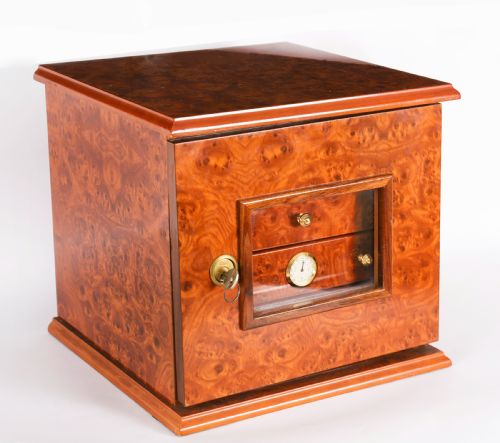
- A locking beverage cabinet that restrains decanters behind a wooden bar to prevent unauthorized consumption. The bottles remain visible while secured.
- Cofer
- A large chest or trunk used for storage, constructed with heavy timber panels and robust iron hinges.
- Bramah lock
- A high security cylindrical lock invented in the late eighteenth century. These mechanisms operate with precision slotted keys.
Locking Wooden Box: Frequently Asked Questions
How do I secure the lid?
Most locking wooden boxes rely on a fitted metal key that turns a lever or bolt inside the rim. Inserting the correct key and turning it engages the mechanism within the strike plate.
Older boxes sometimes require the lid to be pressed firmly down while turning the key to release the internal spring catch.
What were writing slopes used for?
Writing slopes provided a portable desk surface for correspondence and record keeping before the widespread use of fitted study furniture. The angled lid created a comfortable writing plane while seated.
Inside, compartments held ink, nibs, blotting paper and stationery securely during travel.
How do I identify a tantalus?
A tantalus holds cut glass decanters within a wooden frame secured by an overhead locking bar. This design prevents people from removing the bottles without the key.
They appear frequently in late nineteenth century entertaining spaces and gentlemen's studies.
Are original keys common?
Original keys survive on a portion of these boxes, though many have been replaced by working substitutes over the centuries. Specialised locksmiths can cut new keys to fit historic mechanisms.
The presence of an original maker's stamp on the lock adds significant interest for collectors.