




Brass Handled Tea Tray
A brass handled tea tray brings solid timber and gleaming metal together for practical serving or display.
Brass Handled Tea Tray
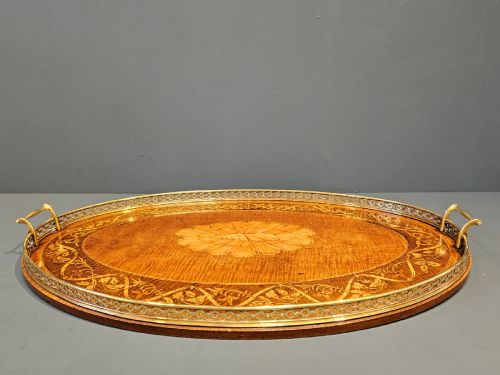
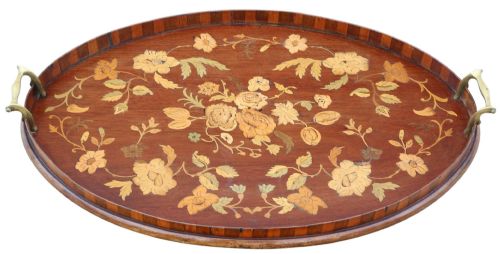
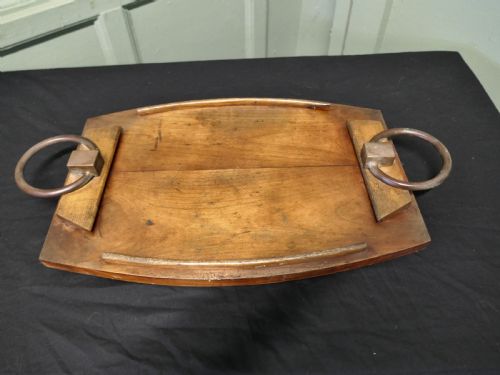
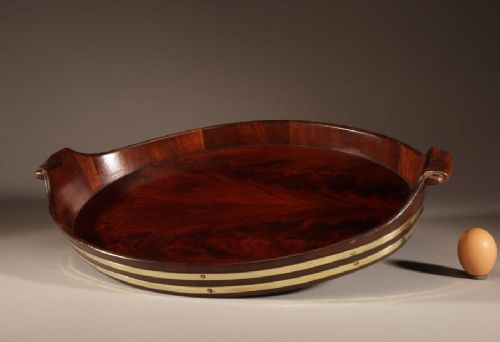
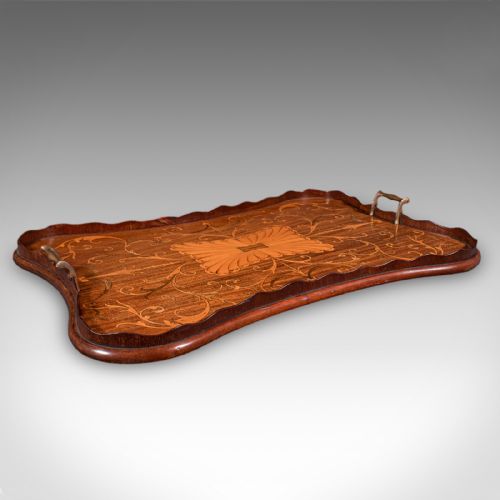
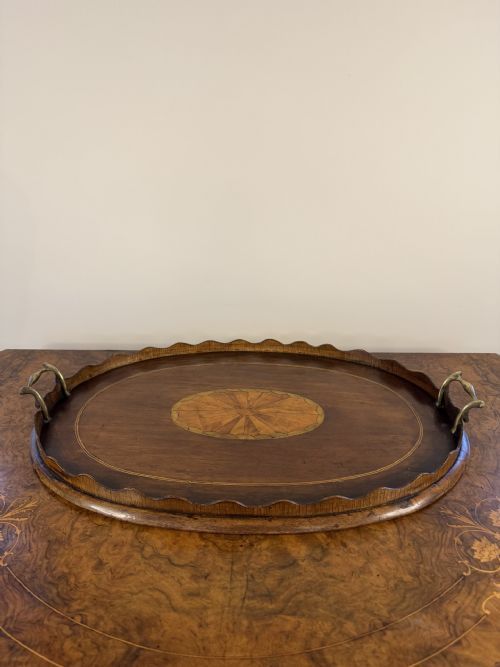
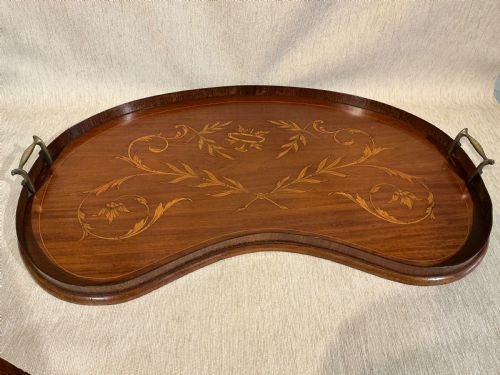
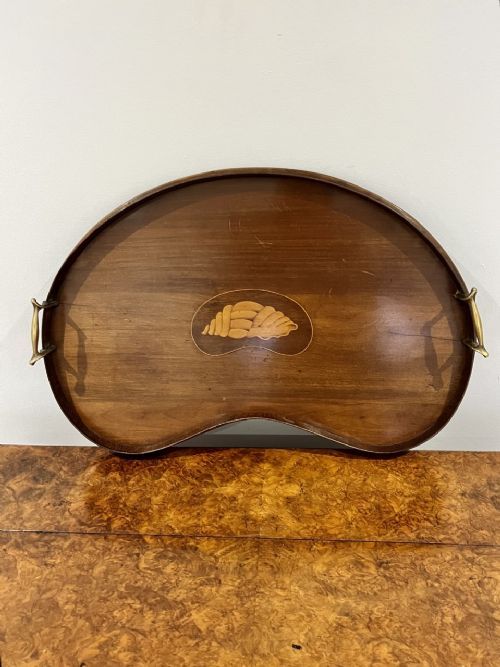
A brass handled tea tray combines a wooden or lacquered base with sturdy metal mounts designed for carrying or presentation. When you search for a brass handled tea tray, you meet forms ranging from oval and kidney shapes to rectangular serving platters.
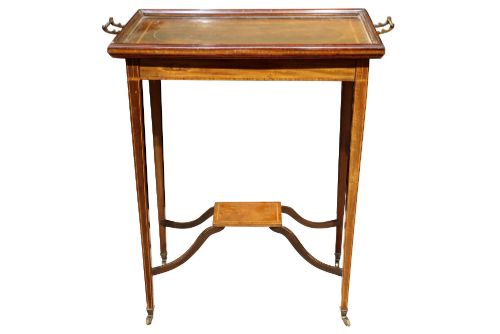
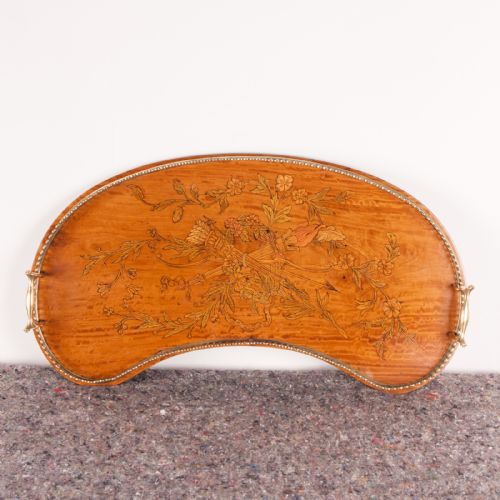
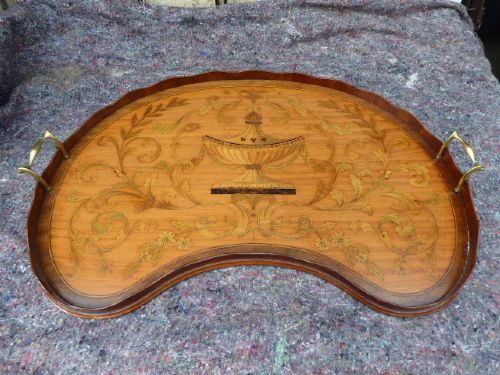
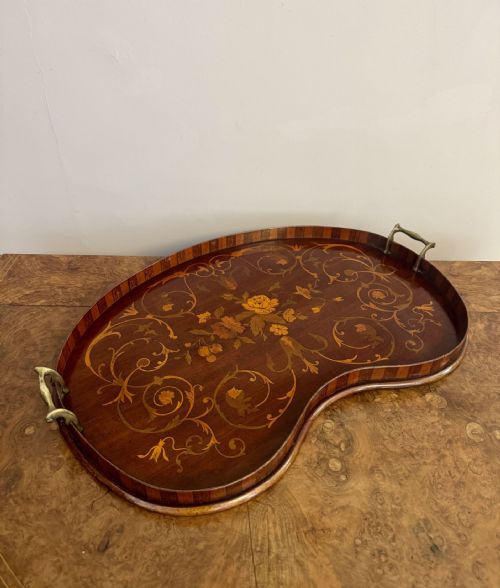
The selections span periods from the Georgian era through the Victorian and Edwardian years, with a strong presence of mahogany and satinwood bodies. Many examples feature inlaid decoration, and several sit upon folding or fixed stands to function as occasional tables.
How they were made
Cabinetmakers built the bodies primarily from mahogany, satinwood, and elm, often applying delicate veneers and marquetry inlay using boxwood and other contrasting timbers. Coopered construction appears in specific serving trays, giving curved wooden walls extra structural strength.
Makers attached cast or forged brass handles and galleries securely to the wooden rims, combining functional utility with decorative contrast. Lacquered surfaces and polished wood finishes protected the timber from moisture during daily service.
Listings feature mahogany and satinwood alongside marquetry inlay and brass galleries, spanning the Georgian, Victorian, and Edwardian periods.
What varies in quality
The crispness and complexity of the marquetry inlay set finer pieces apart, especially where detailed floral or geometric patterns use multiple contrasting woods. Superior cabinet work shows tight joints, well-chosen wood grain, and heavy, well-cast brass mounts.
Proportion and silhouette also dictate standing, with kidney-shaped and deeply scalloped oval trays demanding greater skill from the maker than simple rectangular boards. Original surfaces with rich patination hold a distinct advantage over heavily restored examples.
Edwards and Roberts·Clay
The Brass Handled Tea Tray Glossary
- Marquetry
- Decorative woodwork where small pieces of veneer are fitted together to form pictorial or geometric designs. This technique often ornaments the centre of better tea trays.
- Gallery
- A raised rim or pierced metal railing around the edge of a tray designed to stop items from sliding off. Brass galleries provide both a decorative border and a sturdy handhold.
- Coopered
- Made with curved wooden staves joined together side by side, similar to the construction of a barrel. This method forms the sturdy walls of specific round or oval serving trays.
- Étagère
- A piece of furniture with open shelves for displaying small objects or serving tea. Some trays sit atop dedicated stands to form portable etagere tables.
Brass Handled Tea Tray: Frequently Asked Questions
Can I use an antique tray for daily serving?
Many solid mahogany and coopered trays remain robust enough for carrying afternoon tea or drinks when handled with reasonable care. Protect delicate marquetry and fine satinwood surfaces from excessive moisture and heat by using coasters or linen liners.
Lacquered or papier-mâché examples require gentler treatment to prevent surface cracking. Displaying the tray on a stand when not in use prevents accidental knocks.
What is the difference between an oval tray and a kidney tray?
Oval trays feature symmetrical curved ends and generally follow classic Georgian and Victorian proportions for standard serving use. Kidney-shaped trays curve inward along one long edge, a silhouette that became particularly popular during the Edwardian period.
Both forms often incorporate brass handles, but kidney trays sit closer to the body when carried. The inward curve requires more specialised joinery from the cabinetmaker.
How do I date an Edwardian tray?
Edwardian trays often display lighter satinwood timbers, delicate stringing, and Sheraton Revival influence that distinguishes them from heavier Victorian pieces. Look for characteristic kidney shapes and bright marquetry work produced around the turn of the twentieth century.
Construction methods also help confirm the period, as machine-sawn veneers became more common by nineteen hundred. Comparing the handles and inlay styles to dated examples provides a reliable guide.