


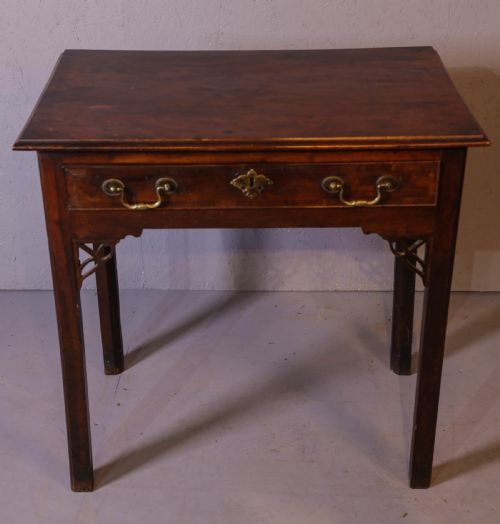


Brass Handle Occasional Table
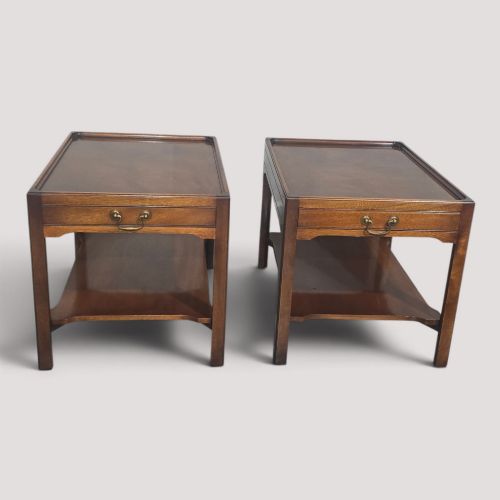
A brass handle occasional table offers practical surface space anchored by metal hardware, combining utility with period timber craftsmanship.
Brass Handle Occasional Table
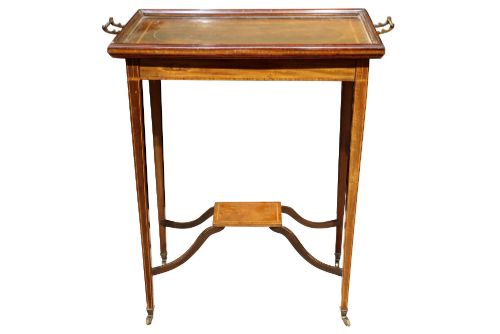
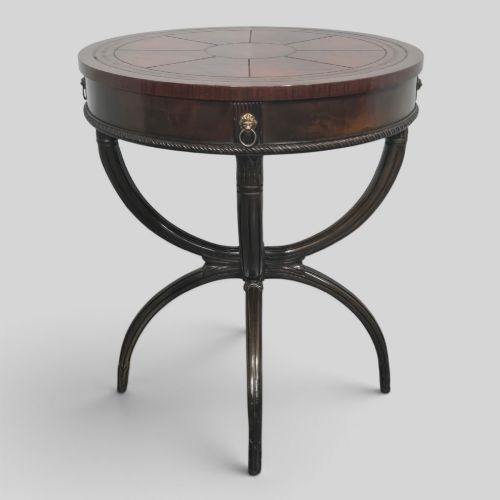
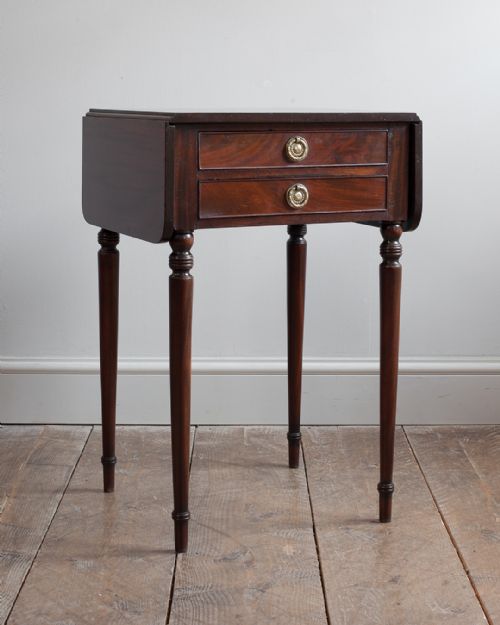
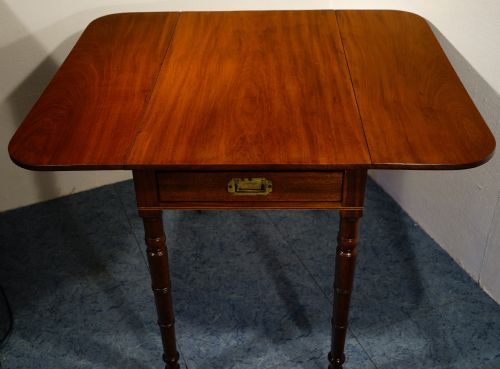
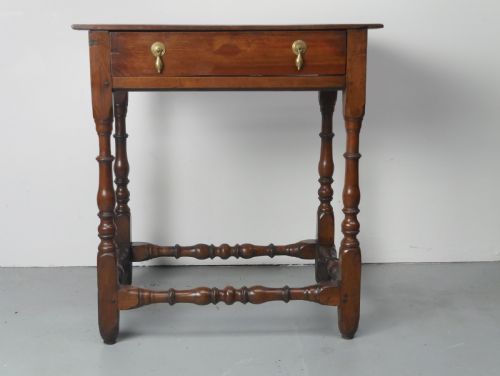
A brass handle occasional table encompasses various forms designed for mobility and convenience, most frequently appearing as side tables, tray tables, and Pembroke tables across this selection. These pieces originate from multiple periods ranging from the seventeenth century through the Georgian and Regency eras into the Edwardian period and the early twentieth century.
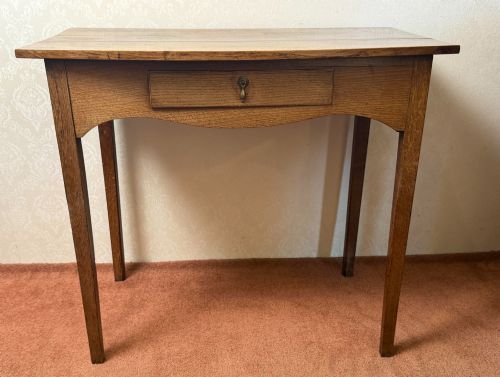
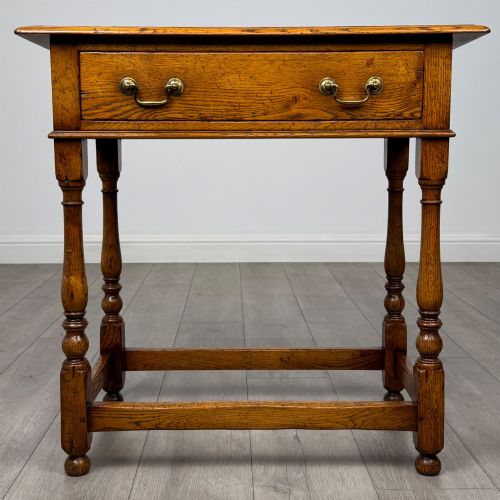
The assortment on this page draws heavily from traditional English cabinetmaking, spanning formal styles like Sheraton Revival alongside country vernacular pieces. Buyers encounter timber constructions varying from simple oak and fruitwood side tables to refined mahogany and satinwood examples equipped with fitted drawers or drop leaves.
Plant stands, lowboys, and console tables frequently share this grouping due to their comparable proportions and functional hardware. The integration of drop handles, carrying grips, or gallery rails defines the utilitarian character uniting these diverse occasional forms.
Materials and Construction
Makers constructed these tables primarily using hardwoods such as mahogany, oak, and fruitwood, occasionally incorporating yew, walnut, and cherry. Timber selection dictated the structural integrity of each piece, supporting both plain vernacular designs and decorative applications.
Surface ornamentation relied upon contrasting veneers and stringing, notably satinwood inlay and ebony details applied to mahogany bases. Brass hardware provided functional grips and drawer pulls, complementing the rich tones of the polished wood.
Listings feature woods including mahogany, satinwood, oak, ebony, fruitwood, yew, walnut, and cherry across periods from the seventeenth century to the twentieth.
Distinctions in Execution
Quality separates simple utility pieces from accomplished cabinetmaking through the precision of timber selection and inlay work. Finer examples display carefully matched grain patterns and harmonious contrasting woods like satinwood and ebony.
Structural refinement shows in the execution of dovetailed drawers, the crispness of turned or tapered legs, and the integration of solid brass handles. The weight and finish of the timber reflect the original maker's intent and workshop standards.
Gillington of Dublin
The Brass Handle Occasional Table Glossary
- Pembroke table
- A small drop-leaf table featuring hinged flaps on either side, frequently equipped with one or more drawers. These versatile tables gained popularity during the eighteenth century for breakfast or occasional writing use.
- Lowboy
- A small kneehole dressing table or side table featuring one or more rows of drawers beneath a flat top. Dating often from the Georgian period, they typically stand on slender cabriole or straight legs.
- Tray table
- An occasional table comprising a detachable or fixed tray top mounted on a folding or rigid stand. Edwardian and nineteenth-century examples often utilised satinwood and marquetry inlay.
- Satinwood
- A pale, lustrous hardwood sourced from tropical trees, utilised extensively for veneers and inlay work during the eighteenth and nineteenth centuries. It provides a striking contrast when paired with darker timbers like mahogany.
- Etagere
- A tiered piece of furniture designed for displaying small objects or serving. Examples in this selection combine mahogany and satinwood with integrated tray formats.
Brass Handle Occasional Table: Frequently Asked Questions
What is a brass handle occasional table used for?
These tables served various domestic functions throughout the eighteenth and nineteenth centuries, acting as convenient surfaces for lamps, serving, or writing. Their portable nature allowed them to be moved easily around a room as daily requirements shifted.
Today, they function effectively as bedside tables, lamp stands, or accent pieces in living spaces. The inclusion of drawers or trays provides practical storage for small household items.
How do I identify a Georgian side table?
Georgian side tables typically display characteristic proportions, solid timber construction in mahogany or oak, and restrained decorative details such as cockbeaded drawer linings. Leg forms range from straight tapered styles to cabriole legs ending in pad or ball and claw feet.
Examining the underside and drawer construction reveals hand-cut dovetails and timber shrinkage consistent with eighteenth-century workshop practices. Hardware attachments and brass pulls often match the period of manufacture.
What is the difference between an oak and a mahogany table?
Oak tables generally represent earlier periods, including seventeenth-century vernacular pieces and country house styles, displaying a robust grain and golden or dark brown patination. They emphasise durability and straightforward joinery.
Mahogany became predominant later in the eighteenth century, allowing for finer mouldings, veneers, and polished finishes. It supports more formal styles such as Sheraton Revival and Regency designs.
How should I care for an antique wood table?
Maintain antique timber surfaces by keeping them away from direct sunlight and sudden temperature changes, which can cause wood to warp or split. Regular dusting with a soft, dry cloth preserves the polished finish.
Apply traditional beeswax periodically to nourish the wood and protect the patination. Avoid silicone-based sprays or excessive moisture, which can damage historic finishes.