

Brass Hall Light
When choosing a brass hall light, you are selecting a functional centrepiece that sets the tone for an entire interior.
Brass Hall Light
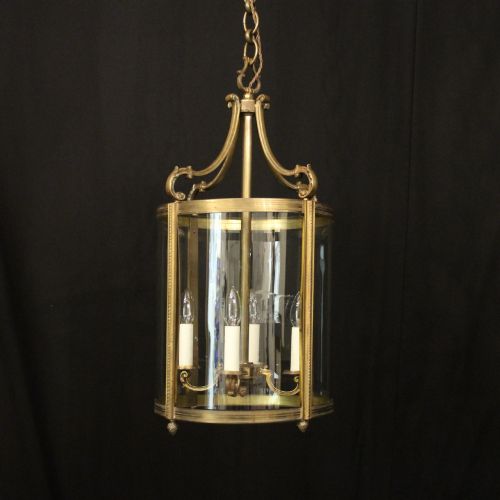
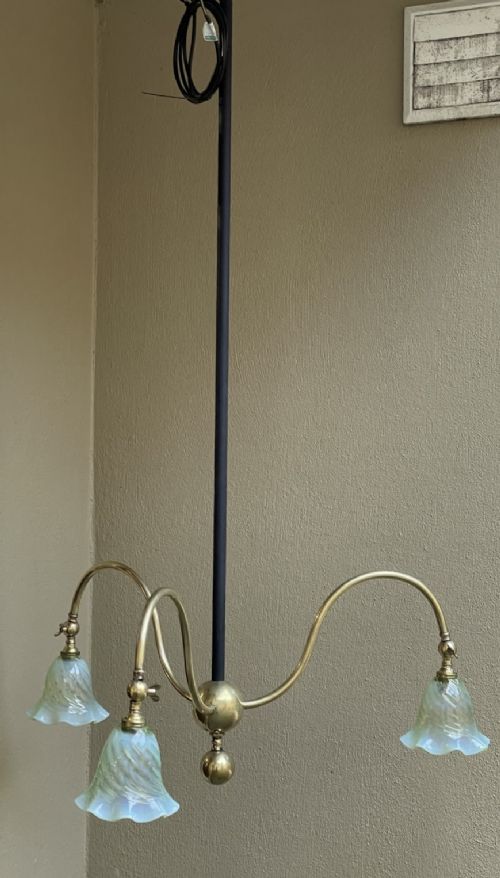
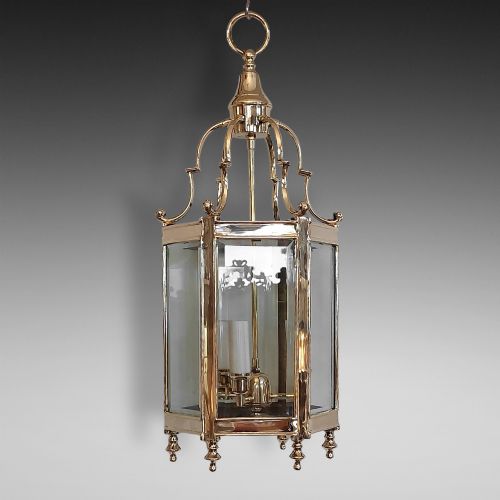
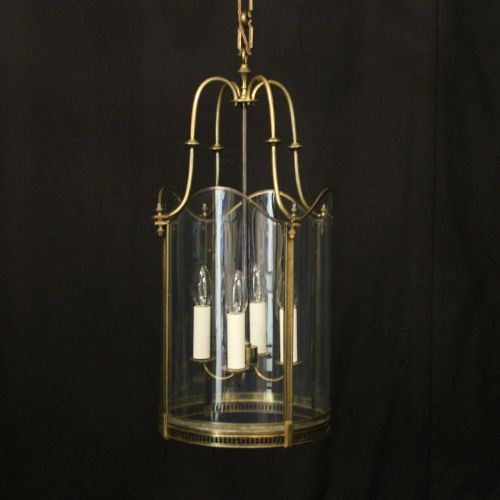
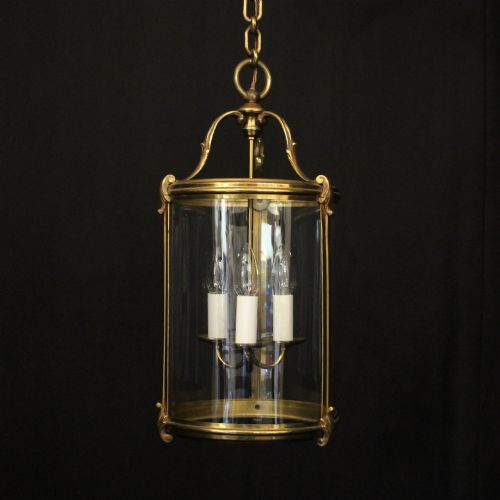
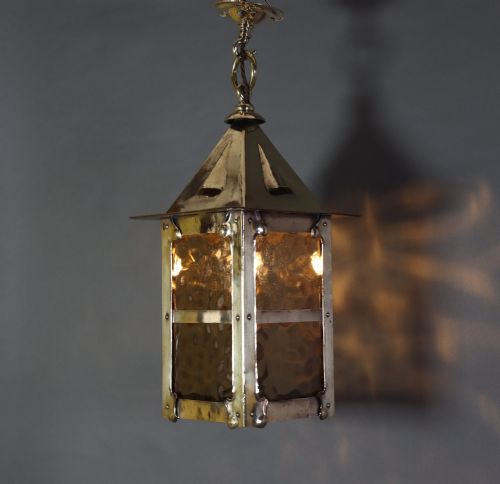
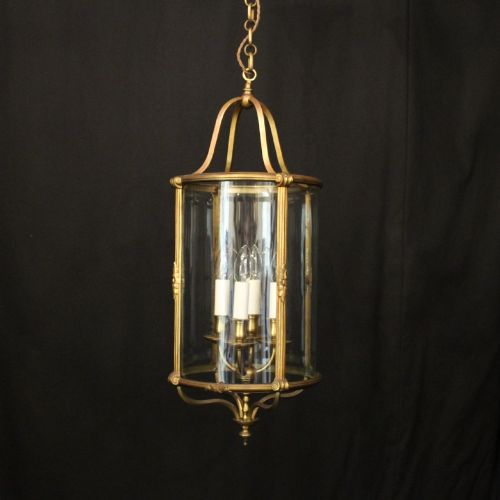
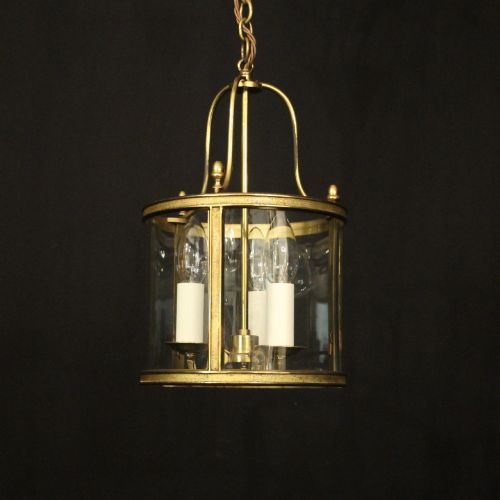
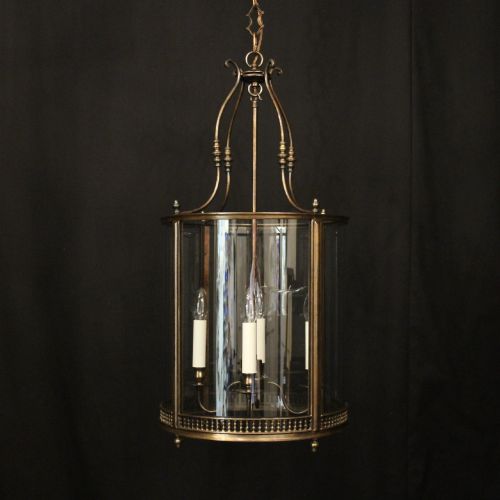
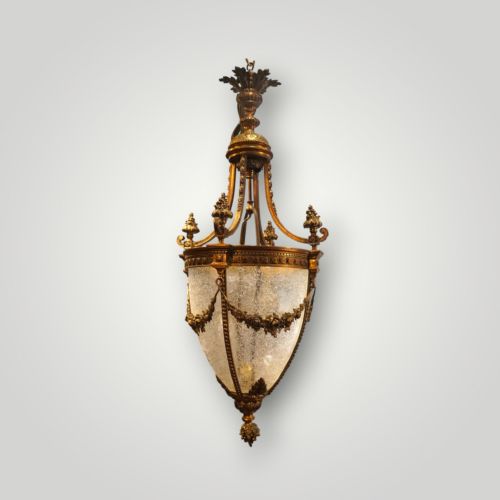
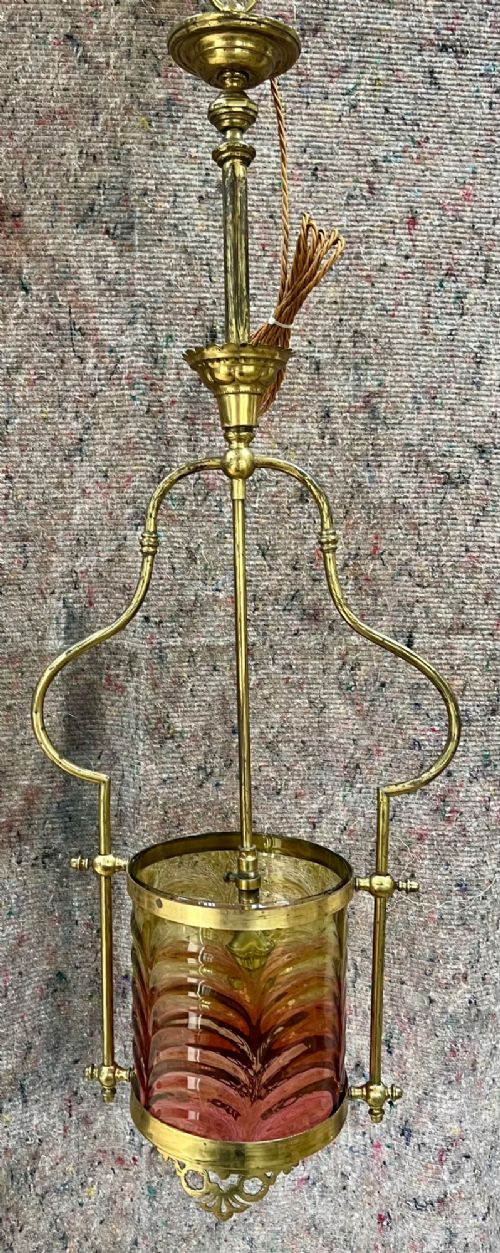
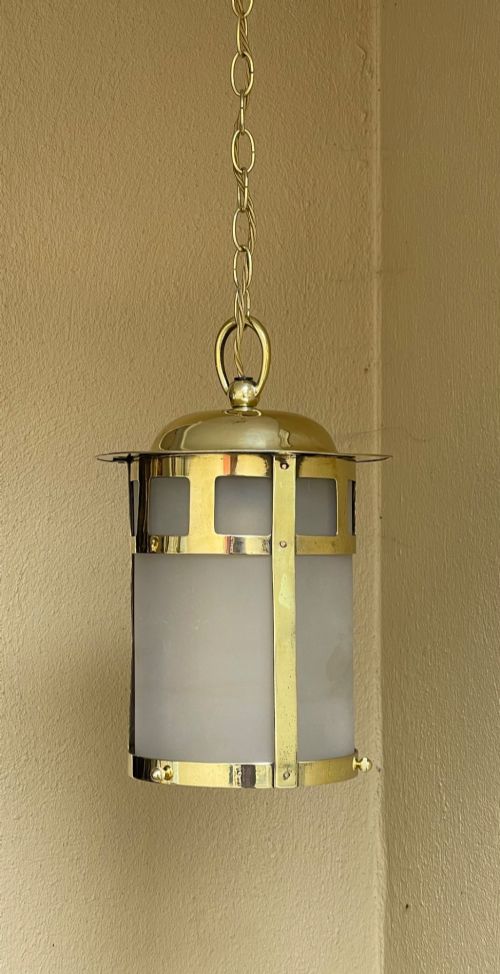
A brass hall light is a hanging luminaire designed to illuminate entranceways, corridors, and landings, taking forms such as hall lanterns, pendant lights, and ceiling lanterns. The selection spans the nineteenth century through the Art Deco era, encompassing periods like the Victorian, Edwardian, and nineteen-twenties.
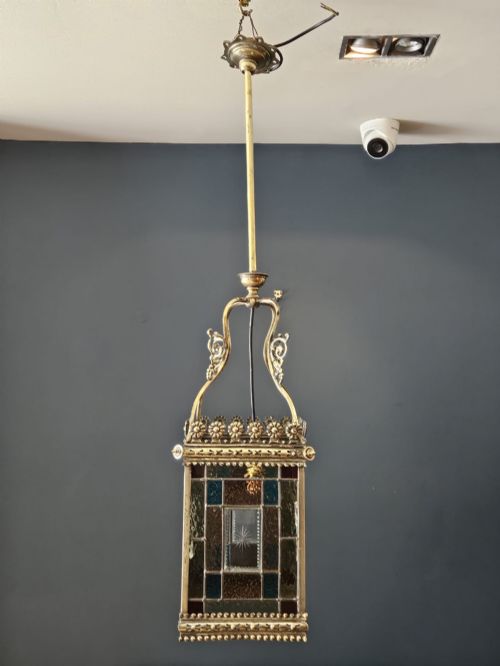
You will frequently encounter French gilded brass and bronze convex hall lanterns, alongside English brass and leaded glass designs. Styles range from French Rococo and Neoclassical to Arts and Crafts and Gothic Revival, offering everything from simple single-light fixtures to grand multi-light configurations.
How They Were Made
Makers constructed these pieces primarily using brass, gilt bronze, and gilded brass, often pairing the metal framework with glass panes, leaded glass, or hand-blown bullseye glass. Metalwork techniques combined cast bronze, spun or sheet brass, and soldered lead cames to secure the glazing.
Decorative details such as etching on glass panels, tôle peinte accents, and parcel gilt finishes required specialised craftsmanship. Frames were joined mechanically or with traditional solder, supporting single burners or multiple internal light clusters.
Listings feature periods spanning from the Victorian era and the Edwardian period through to nineteen-thirty, utilising glass, brass, and gilt bronze.
What Varies in Quality
The standard of a brass hall light depends heavily on the crispness of the metal casting and the weight of the frame. Heavier gauges of brass, thick fire-gilded bronze, and substantial cast mounts distinguish finer examples from lighter, purely utilitarian pieces.
Glazing quality also dictates value, with hand-blown bullseye panes, bevelled edges, and deeply etched glass representing superior artistry. Furthermore, the complexity of the design - such as intricate French Rococo mounts or custom Arts and Crafts metalwork - marks the upper tier of production.
The Brass Hall Light Glossary
- Convex glass
- Curved glass panels that project outward, frequently found on French hall lanterns to diffuse light more widely across an entryway. They require specialist glassblowing or sagging techniques.
- Tôle peinte
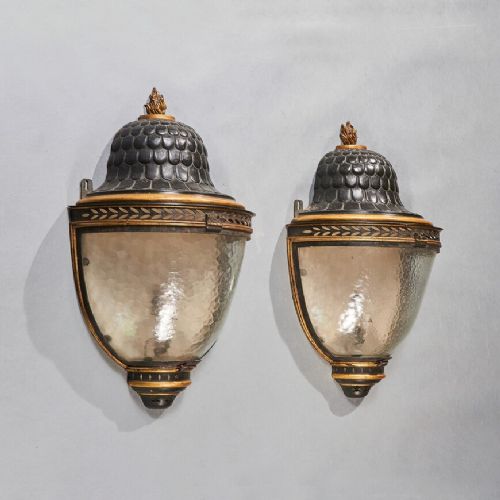
- Painted sheet metal, often used on nineteenth-century wall lanterns to add colourful decorative contrast to the gilded framework. The technique was popular in French decorative arts.
- Lead glass
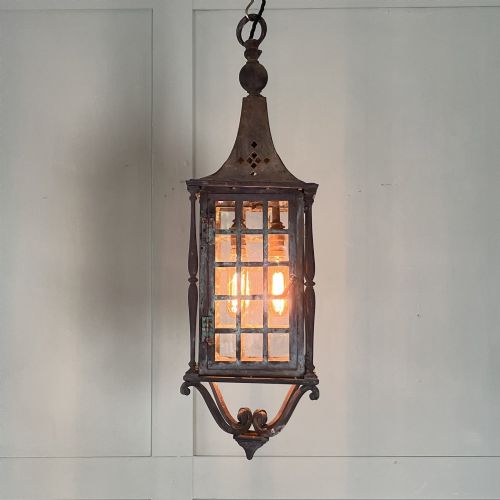
- Glass panes held together by lead cames, characteristic of Victorian and Edwardian ecclesiastical or domestic hall lights. This construction method creates geometric patterns within the lantern walls.
- Gilt bronze
- Bronze that has been treated with a thin layer of gold or gold leaf, also known as ormolu. It provides a warm, durable finish that resists tarnishing over centuries.
Brass Hall Light: Frequently Asked Questions
How do I hang a brass hall light?
Most hanging lanterns suspend from a matching chain and ceiling canopy attached to the primary structure of the fixture. Professional installation is recommended to support the weight of heavier bronze and glass designs safely.
Ensure the hanging height allows adequate clearance beneath the lantern while positioning the light to adequately illuminate the entryway or staircase landing.
How do I clean antique brass and glass?
Dust the metal framework gently with a dry, soft cloth to prevent the accumulation of grime. Avoid harsh chemical polishes that can strip away historic gilding or patina.
Glass panels can be removed if secured by tabs, or wiped in place using a mild glass cleaner applied to a cloth rather than sprayed directly onto the metal.
How do I tell Victorian from Edwardian styles?
Victorian brass hall lights often feature heavier proportions, Gothic Revival influences, or robust leaded glass panels. They tend to have a grand, formal presence suited to high-ceilinged townhouses.
Edwardian and early twentieth-century designs frequently lean towards lighter Arts and Crafts or refined French neoclassical lines, prioritising simpler geometric forms or delicate pierced brass frames.