


Brass Hall Light Fitting
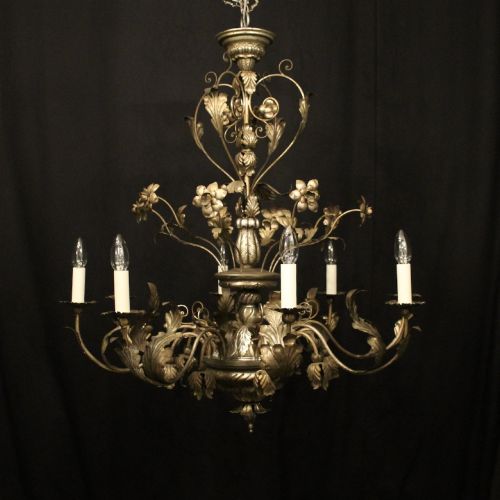
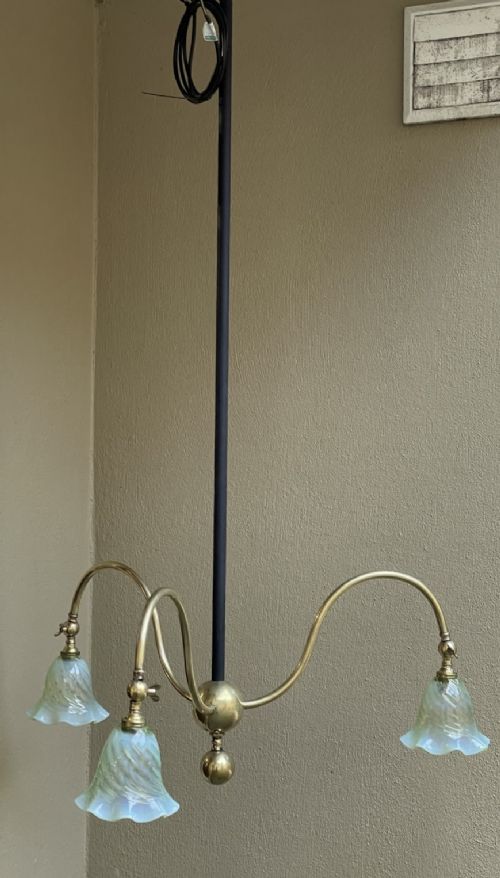
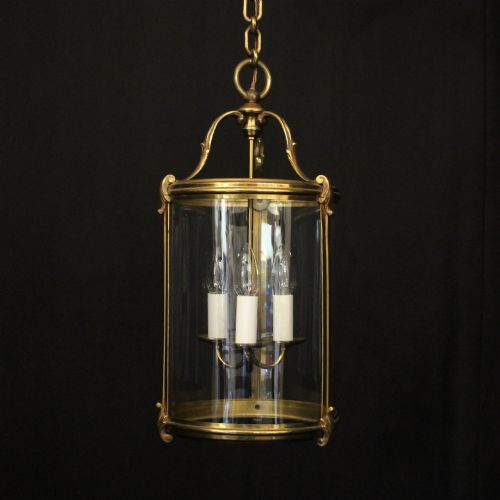
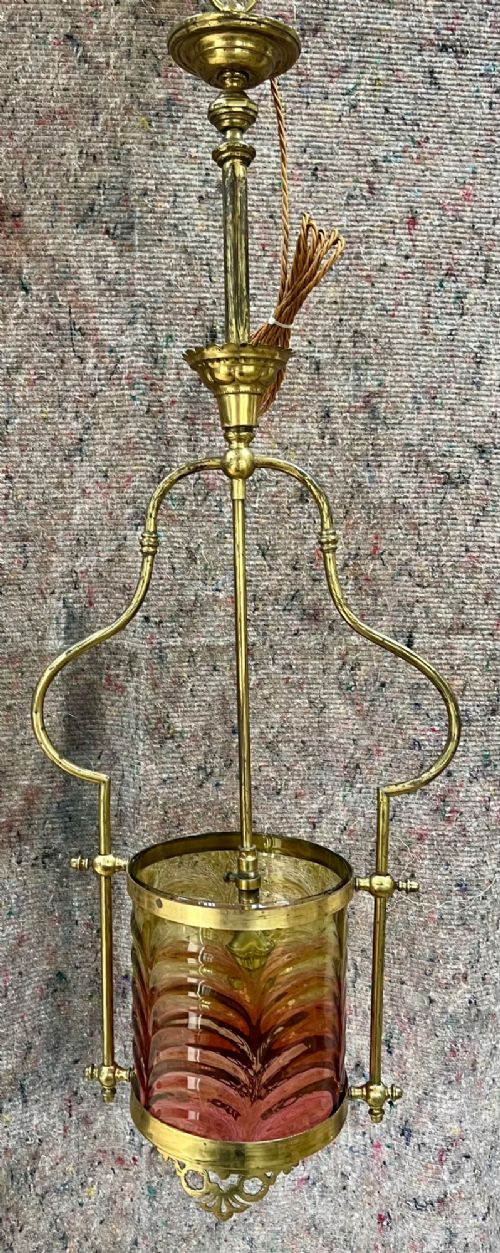
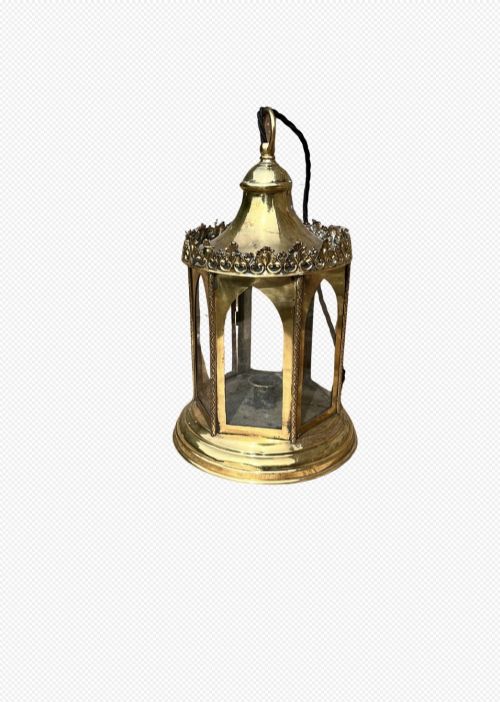
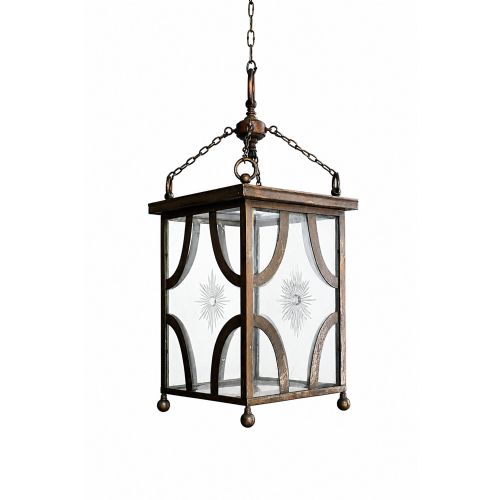
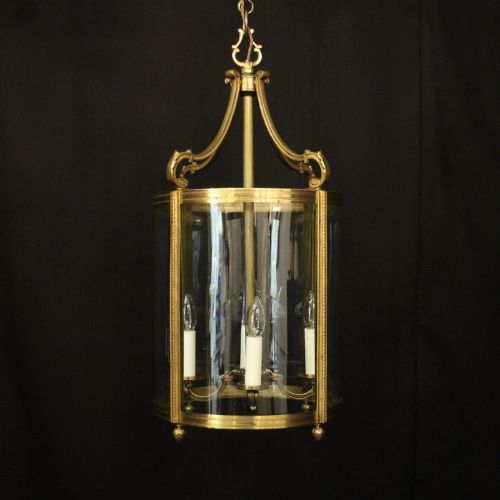
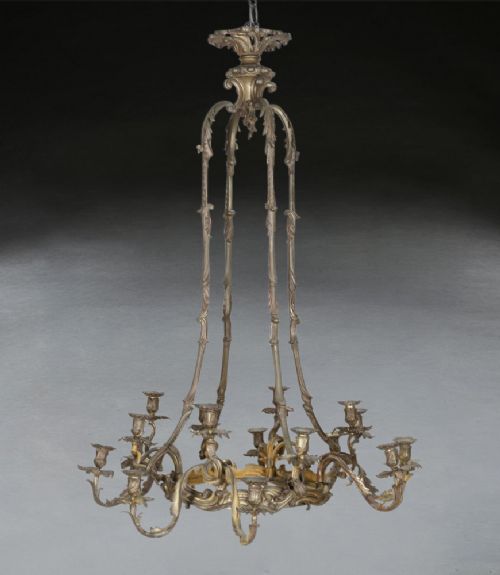
These brass hall light fitting examples bring period character to an entrance, casting warm light through glass and metal.
Brass Hall Light Fitting
A brass hall light fitting provides focused illumination for entrance spaces, passages and stairwells using traditional metal frames and glass panels. Buyers searching for a brass hall light fitting will encounter hanging lanterns, pendant lights and multi-bulb chandeliers spanning the Victorian, Edwardian and early twentieth century periods.
The selection ranges from simple round copper and brass lanterns to elaborate French gilded bronze and crystal fixtures. Many examples incorporate moulded, etched or cut glass panels held within solid metal frameworks.
Materials and construction
Makers utilised cast and sheet brass, bronze, gilt bronze and copper to build sturdy structural frameworks designed for ceiling suspension. These metal elements were frequently paired with transparent, moulded, etched or cut glass to enclose the light source.
Surface finishes include natural unpolished brass, gilt treatments and patinated bronze depending on the workshop and period aesthetic. Electrical components are often added later to update older oil or gas configurations for modern use.
Some nineteenth century railway and billiard room fixtures found new life lighting domestic hallways.
Judging quality in metalwork and glass
Superior examples show crisp casting in the metal mounts and heavier gauge brass or bronze framing that maintains structural integrity. Thicker glass panels with deep mouldings or careful hand-etching separate finer decorative pieces from standard production items.
Proportion and scale dictate the visual impact of a hanging fixture within an entranceway. Pieces retaining original gilding or authentic patination demonstrate better preservation over time.
The Brass Hall Light Fitting Glossary
- Lantern
- A fully enclosed hanging light fixture featuring glass panels set within a metal framework. These pieces direct illumination downwards while protecting the interior bulb or burner.
- Pendant light
- A single light fixture suspended from the ceiling by a chain, rod or cord. This form hangs centrally to illuminate narrow hallways.
- Gilt bronze
- Metalwork treated with a fine layer of gold applied to a bronze base. This technique produces a durable decorative finish seen on continental European lanterns.
- Etched glass
- Glass surfaces decorated by chemical action to create frosted patterns or designs. This treatment diffuses glare from the internal light source.
- Chandelier
- A branched ornamental light fixture suspended from the ceiling designed to hold multiple bulbs. Larger versions feature crystal drops and extensive metal armatures.
Brass Hall Light Fitting: Frequently Asked Questions
How do I hang a heavy brass lantern?
Suspension requires a secure ceiling joist or a heavy-duty structural hook capable of supporting the combined weight of the metal frame and glass panels. Professional electrical installation ensures the hanging chain and internal wiring meet safety standards.
Most antique fixtures utilise a ceiling canopy to conceal the primary electrical junction box and anchor point while maintaining period appearance.
Are these lights compatible with modern bulbs?
Rewired examples accept standard modern lamp holders and contemporary LED bulbs. Care should be taken to select bulb wattages appropriate for enclosed glass lanterns to prevent excessive heat buildup.
Many period fittings have been updated with modern electrical wiring while preserving the original brass or bronze exterior.
How do I clean antique brass and glass?
Dust metal frames gently with a soft dry cloth to preserve existing patination. Glass panels can be removed carefully for washing with mild soap and water.
Harsh chemical metal polishes should be avoided on antique brass and bronze to maintain the historic surface finish.
What is the difference between a pendant and a lantern?
A pendant light typically consists of a suspended cord or rod holding an exposed shade or bulb. A lantern encloses the light source entirely within framed glass sides.
Lanterns provide directional downward illumination specifically suited to drafty entrance halls and corridors.