
Brass Hall Chandelier
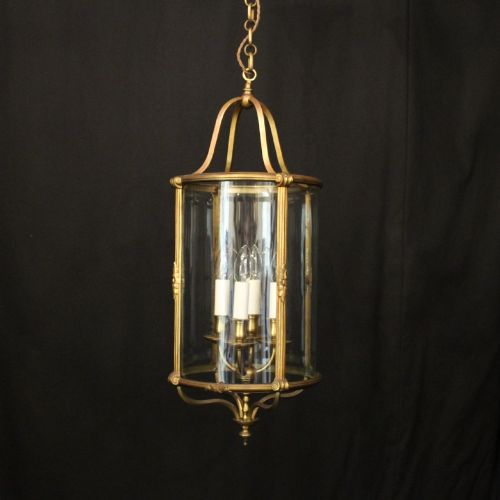
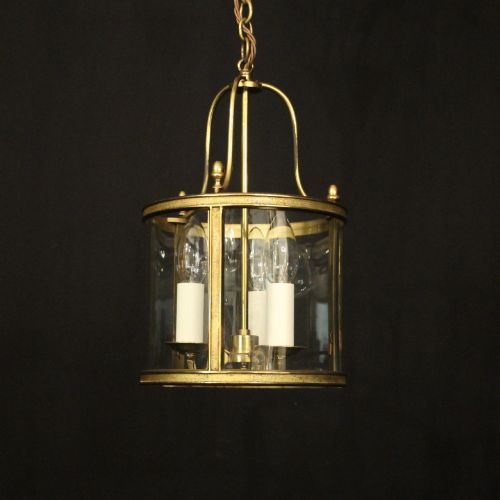
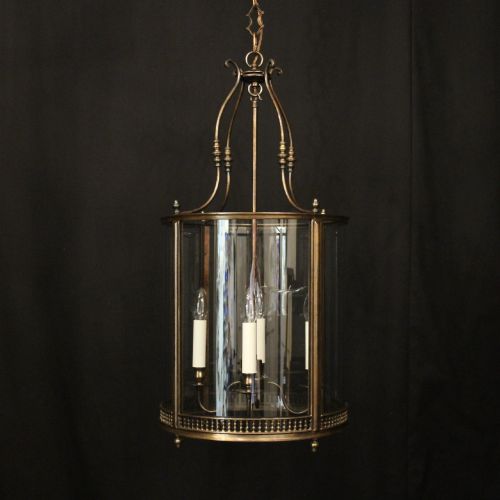
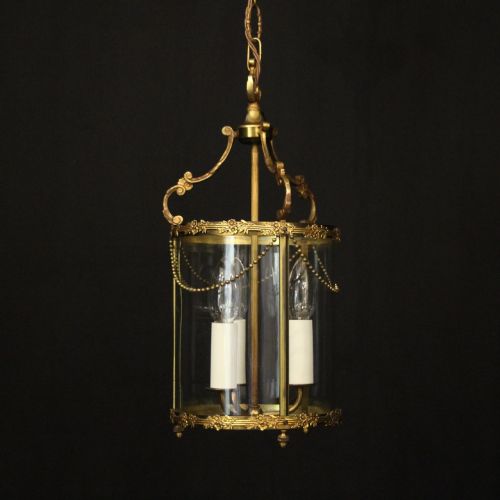
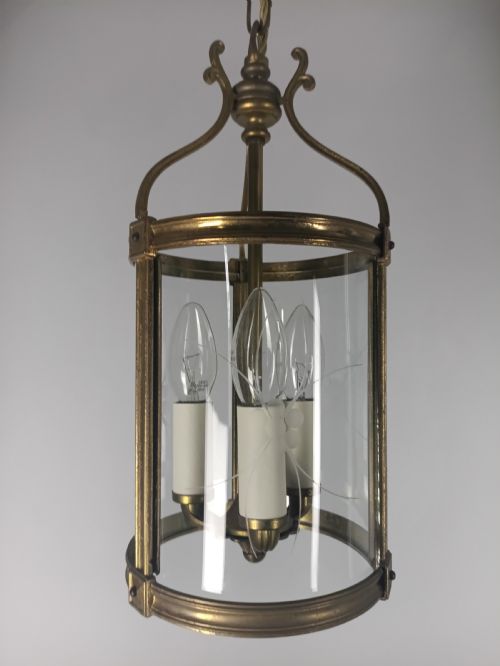
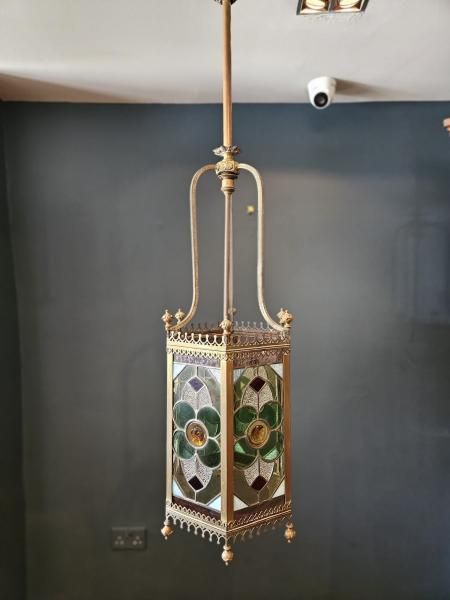
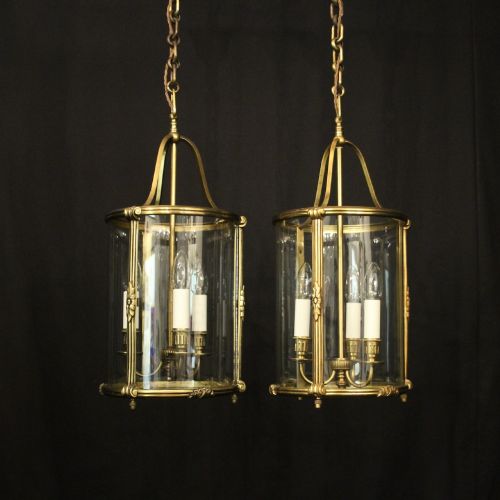
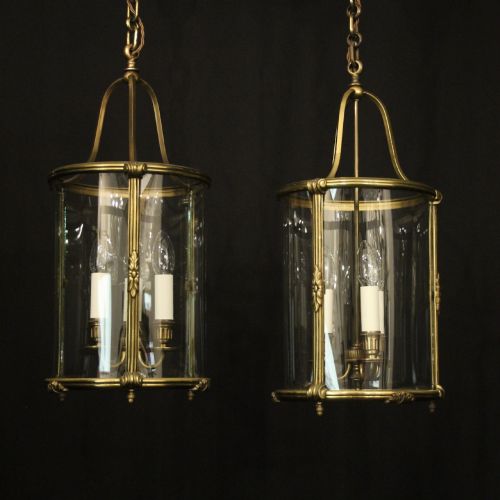
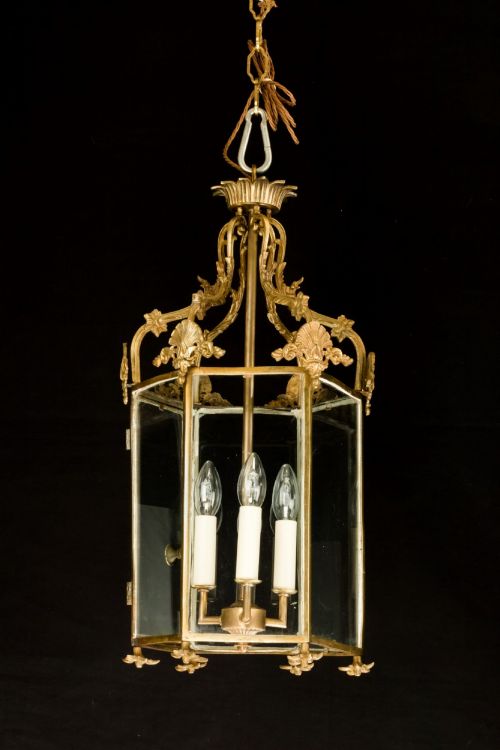
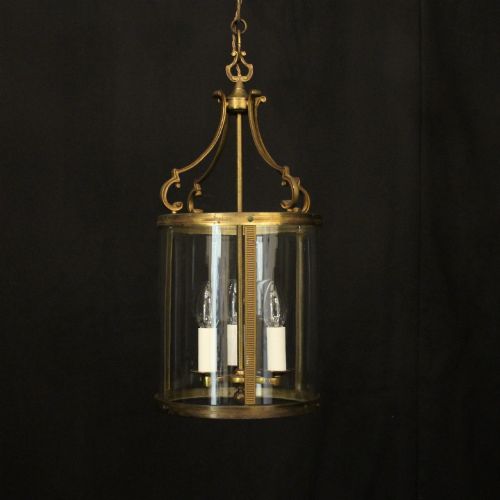
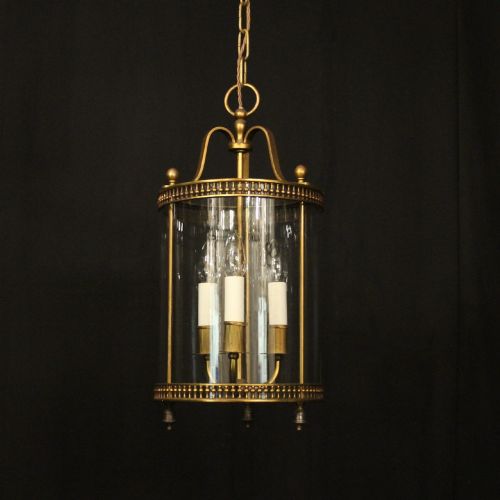
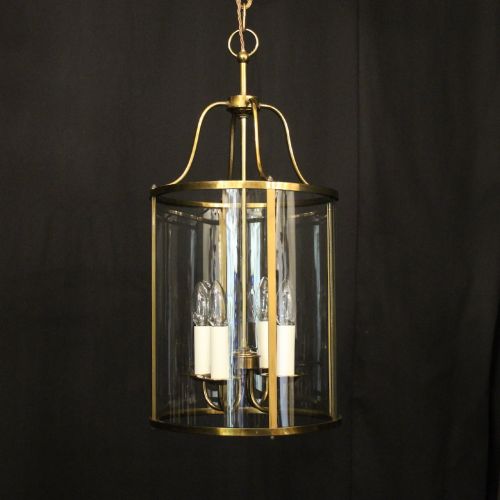
A brass hall chandelier brings immediate presence to an entrance, offering illumination through glass and metal frames.
Brass Hall Chandelier
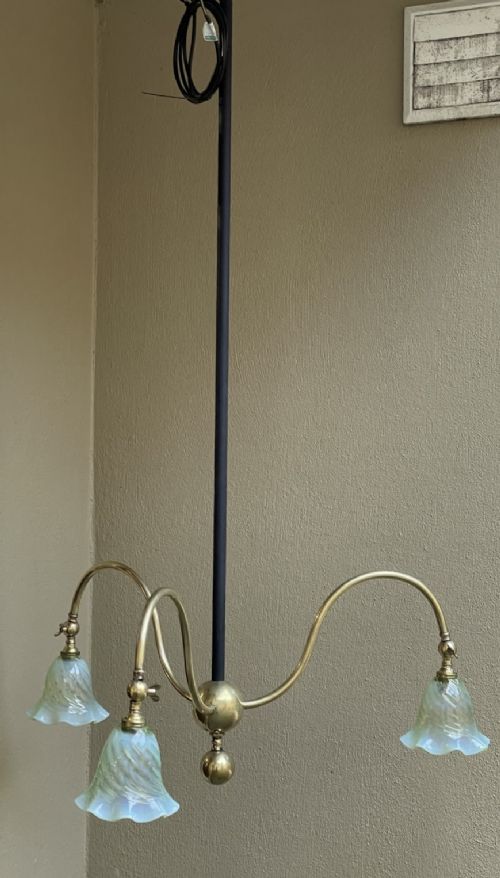
A brass hall chandelier functions primarily as an entrance light, taking the form of hanging lanterns, pendant lights, and ceiling lighting. These fixtures originate from the Victorian and Edwardian eras, alongside pieces dated through the nineteenth and early twentieth centuries.
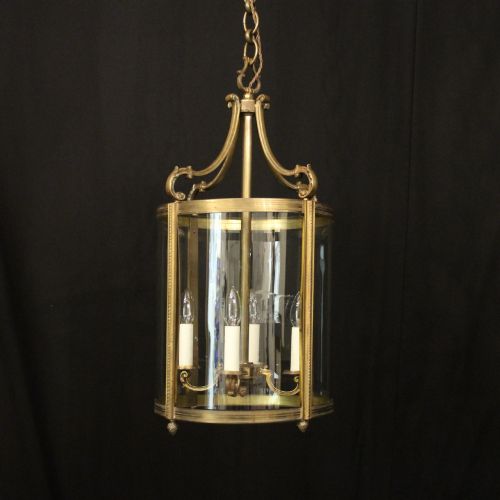
French designs dominate the selection, appearing frequently in styles such as Louis XV, Neoclassical, and Rococo. Alongside these continental pieces, English examples appear with convex glass panels and multiple internal light fittings.
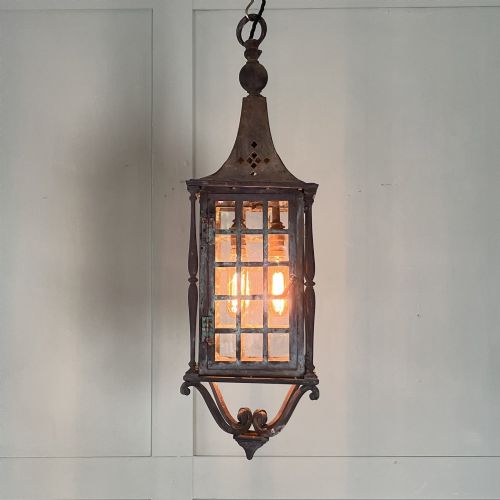
The physical form typically involves a metal frame enclosing glass panels, suspended by chains or rods from the ceiling. Configurations range from single bulb pendants to multi-light arrangements holding up to sixteen lights.
Materials and Construction
Makers utilised brass, bronze, and gilded bronze as the primary structural metals for the frames. These metals were cast, forged, or framed to create rigid housings for the glass elements.
Glass components include etched glass, leaded glass, bevelled glass, and moulded glass panels fitted securely into the metal framework. Artisans combined these transparent or translucent materials to diffuse light from the internal candles or electric bulbs.
Listings span from the nineteenth century through the Edwardian period and the 1930s, featuring brass, bronze, and glass.
Assessing Quality
The weight and thickness of the metal frame separate standard pieces from heavier, more substantial examples. Cast bronze and thick brass indicate sturdiness in construction.
The intricacy of the glasswork and metal chasing defines the upper tier of production. Etched patterns, bevelled edges, and detailed French styling require higher levels of craftsmanship than plain panels and simple frames.
The Brass Hall Chandelier Glossary
- Convex glass
- Curved glass panels that project outward from the lantern frame. This shape disperses light across a wider angle in narrow spaces.
- Gilt bronze
- Bronze metal coated with a thin layer of gold or gold-coloured finish. This treatment provides a bright, reflective surface that resists tarnishing.
- Hall lantern
- An enclosed hanging light fixture designed specifically for corridors and entranceways. They protect the light source while directing illumination downward and outward.
- Ormolu
- Finely chased and gilded bronze used extensively in decorative French furnishings. The technique creates rich metallic highlights on the fixture frame.
Brass Hall Chandelier: Frequently Asked Questions
How do I hang a brass hall chandelier?
These fixtures suspend from ceilings using integrated chains or mounting rods attached to the upper frame. Installation requires securing the weight directly to ceiling joists.
Electrical wiring runs down through the suspension chain to supply the internal bulb fittings. Professional installation ensures the fixture hangs securely at the correct height for an entrance.
What is the difference between French and English styles?
French designs often incorporate ornate detailing associated with Louis XV, Neoclassical, and Rococo movements. These pieces frequently utilise gilded bronze and elaborate casting.
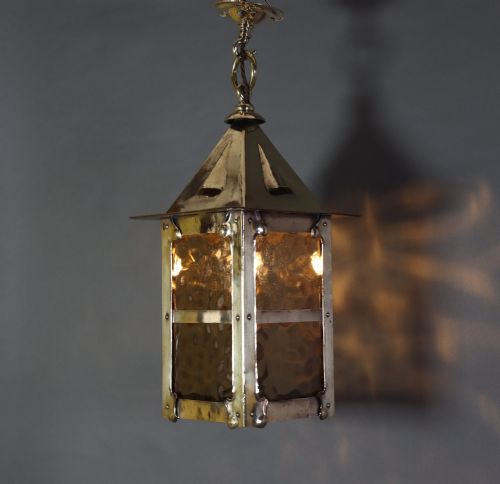
English variants tend toward simpler geometric forms, such as hexagonal brass frames and convex glass panels. Arts and Crafts examples also appear from English workshops.
Can I use modern bulbs in these lights?
Many vintage and antique fixtures have undergone conversion or rewiring for contemporary electrical standards. Standard bulb bases generally fit modern LED or incandescent lamps.
Checking the interior wiring and lamp holders confirms compatibility with current household electrical supplies. Rewiring is recommended for older unserviced metal frames.
How do I clean the glass panels?
Glass panels remove easily from many lantern frames by releasing internal metal tabs or clips. Cleaning them separately prevents damage to the surrounding brass or bronze structure.
Use standard glass cleaner on plain panels, while etched or bevelled glass benefits from gentle wiping. Care must be taken around gilded surfaces to preserve the metallic finish.