
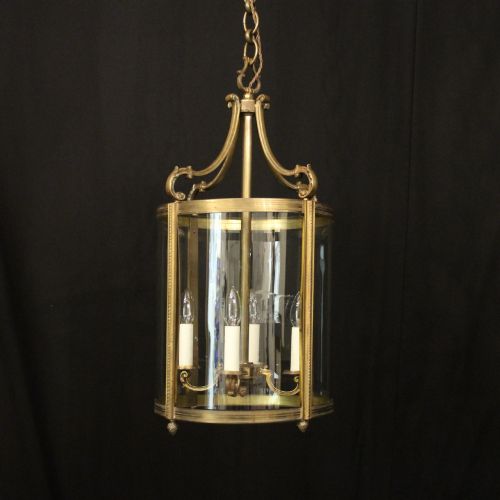

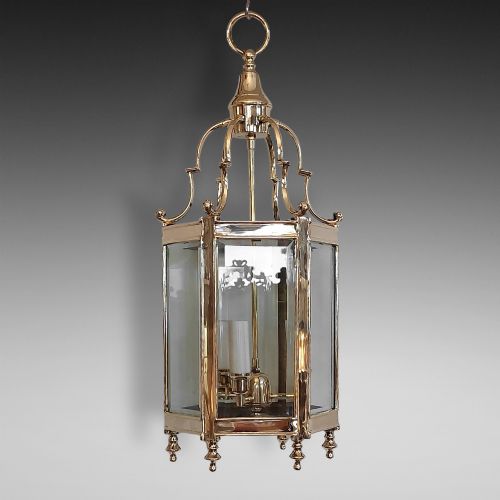
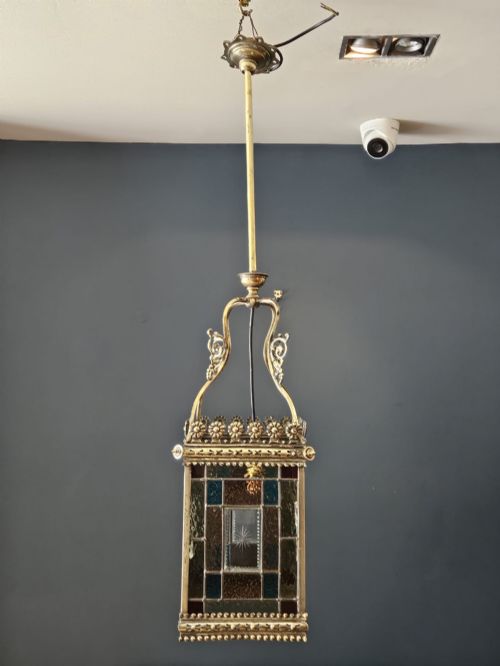
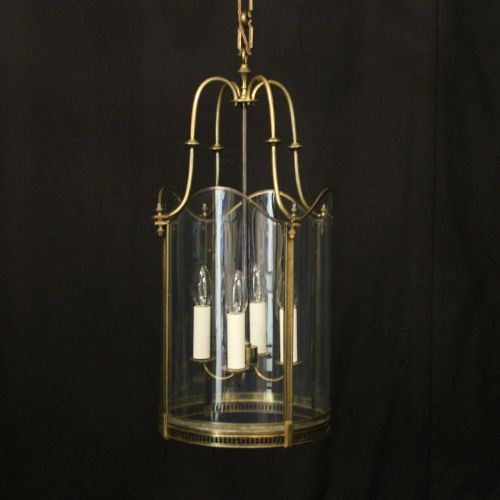
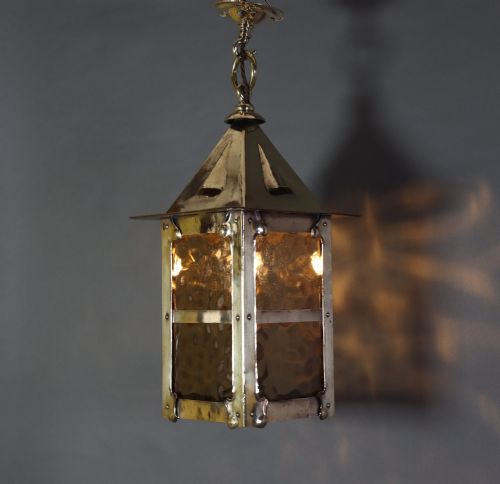
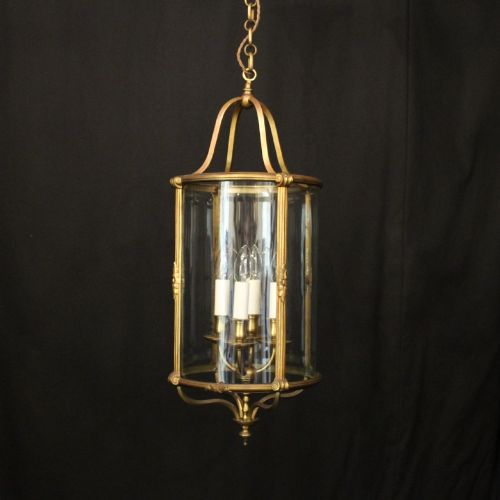
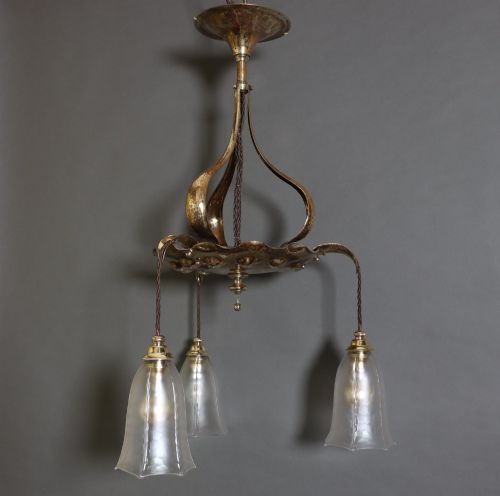
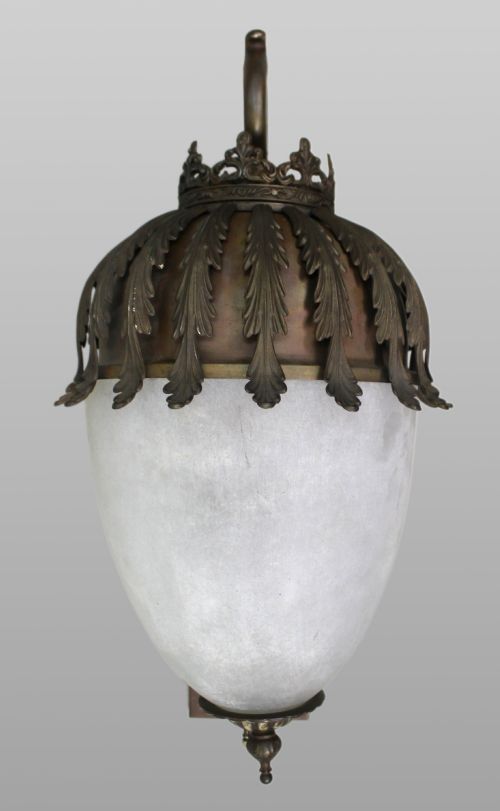
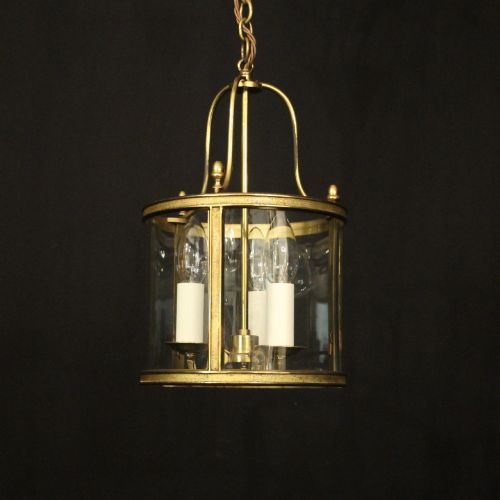
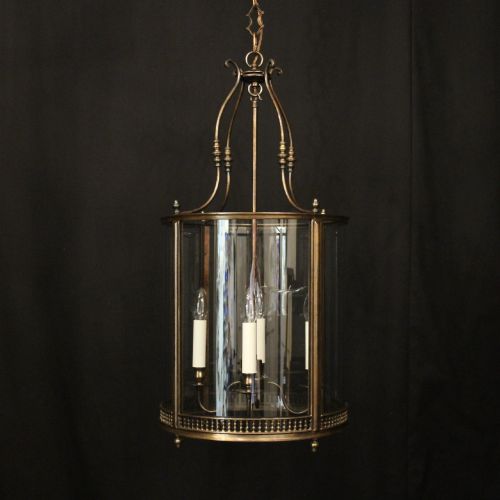
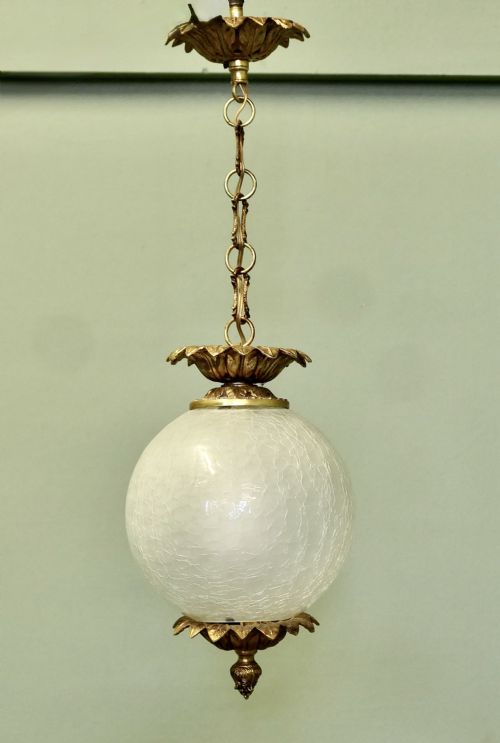
Brass Glass Lantern
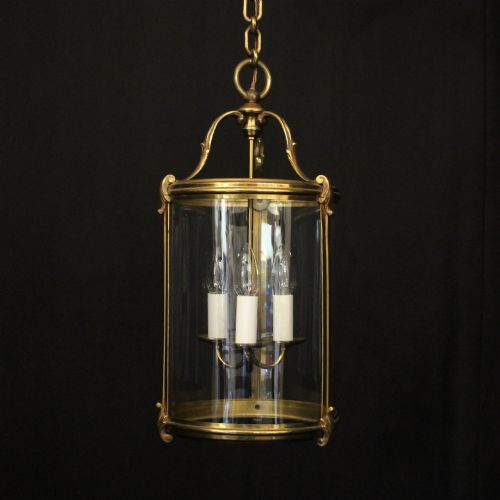
A brass glass lantern hangs with presence in a hallway, catching daylight through clear or coloured panes and casting a warm, measured illumination after dark.
The Form and Period of Brass Glass Lantern
A brass glass lantern serves primarily as ceiling lighting, pendant lights, or dedicated hall lanterns designed to illuminate entranceways and principal rooms. These hanging fixtures appear in styles spanning the nineteenth century through the Art Deco period, with French designs and English interpretations dominating the selection.
The architectural character of a brass glass lantern shifts across the decades, moving from ornate nineteenth century French Rococo and Neo-Classical forms to cleaner geometric lines in the early twentieth century. Buyers encounter smaller domestic examples alongside substantial large hall lights intended for high ceilings.
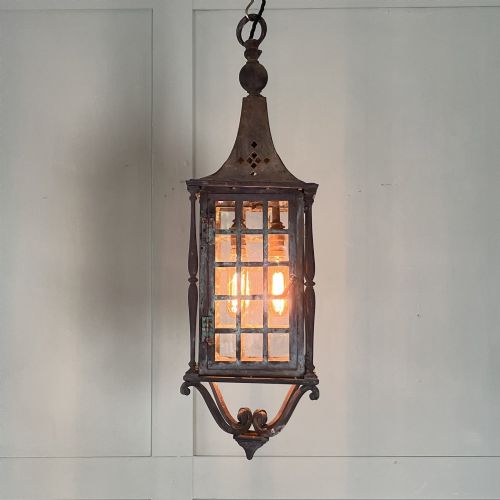
Examples on this page draw from distinct stylistic revivals, including Gothic Revival, Arts and Crafts, and Edwardian interpretations. Many incorporate specialised hanging configurations, from single lights to multi-bulb chandeliers.
Construction and Materials
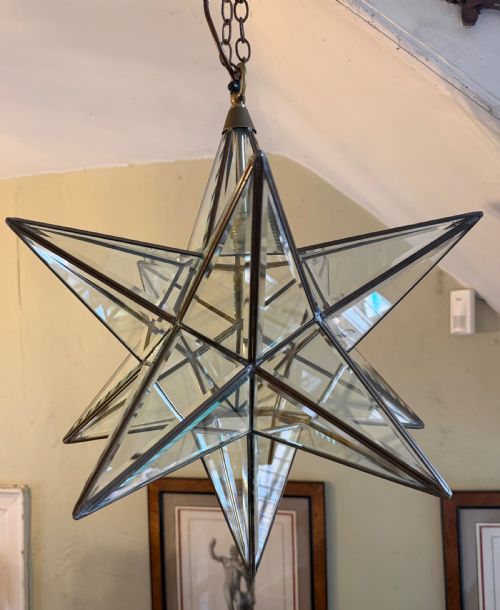
Each brass glass lantern relies on a structural metal frame of brass, cast brass, bronzed brass, or wrought iron, which holds transparent, curved, stained, or etched glass panels in place. Workshops frequently employed leaded construction or soldered brass channels to secure individual panes within the metal armature.
Surface detailing ranges from smooth cast components to hammered brass elements characteristic of the Arts and Crafts movement. Decorative touches such as glass bead work and opaque or coloured glass inserts further differentiate the build quality of individual fixtures.
Retail Price Guide 2026
Typical UK retail prices for brass glass lantern, calculated from the Sellingantiques database of over a million retail prices indexed since 2003. This retail price guide relies exclusively on Sellingantiques data; no external sources or auction records are used, so the figures do not describe the wider market.
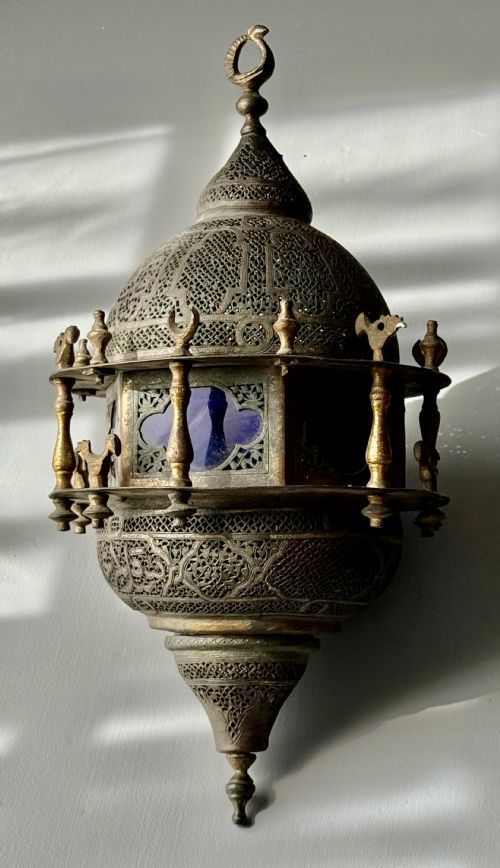
Materials span brass, bronze, wrought iron, and dark wood paired with clear, stained, etched, or Bristol blue glass.
Assessing Quality and Design
The quality of a brass glass lantern rests in the weight of its metal framework and the clarity or decorative depth of its glass panels. Heavier cast brass structures and finely etched or stained glass demonstrate superior craftsmanship compared to lighter, pressed metal alternatives.
Proportion and decorative cohesion dictate the standing of a piece, particularly in French Rococo or Art Deco models where the rhythm of the frame matches the contour of the glass. Original glass panes and intact structural joinery elevate the integrity of surviving fixtures.
The Brass Glass Lantern Glossary
- Hall lantern
- A hanging light fixture specifically scaled for corridors, stairwells, and entrance halls. These fixtures direct illumination downward while casting decorative light through their glazed sides.
- Etched glass
- Glass treated with acid or abrasive methods to create opaque patterns or decorative surface designs. This technique softens the bulb's glare while adding texture to the lantern body.
- Leaded glass
- Small panes of glass held together by strips of lead and soldered at the joints. This traditional window-making method allows for complex geometric or pictorial designs within the lantern frame.
- Cast brass
- Molten brass poured into a mould to create solid, highly detailed decorative components. This technique produces heavier and more ornate structural elements than sheet metal fabrication.
Frequently Asked Questions
Where should I hang a brass glass lantern?
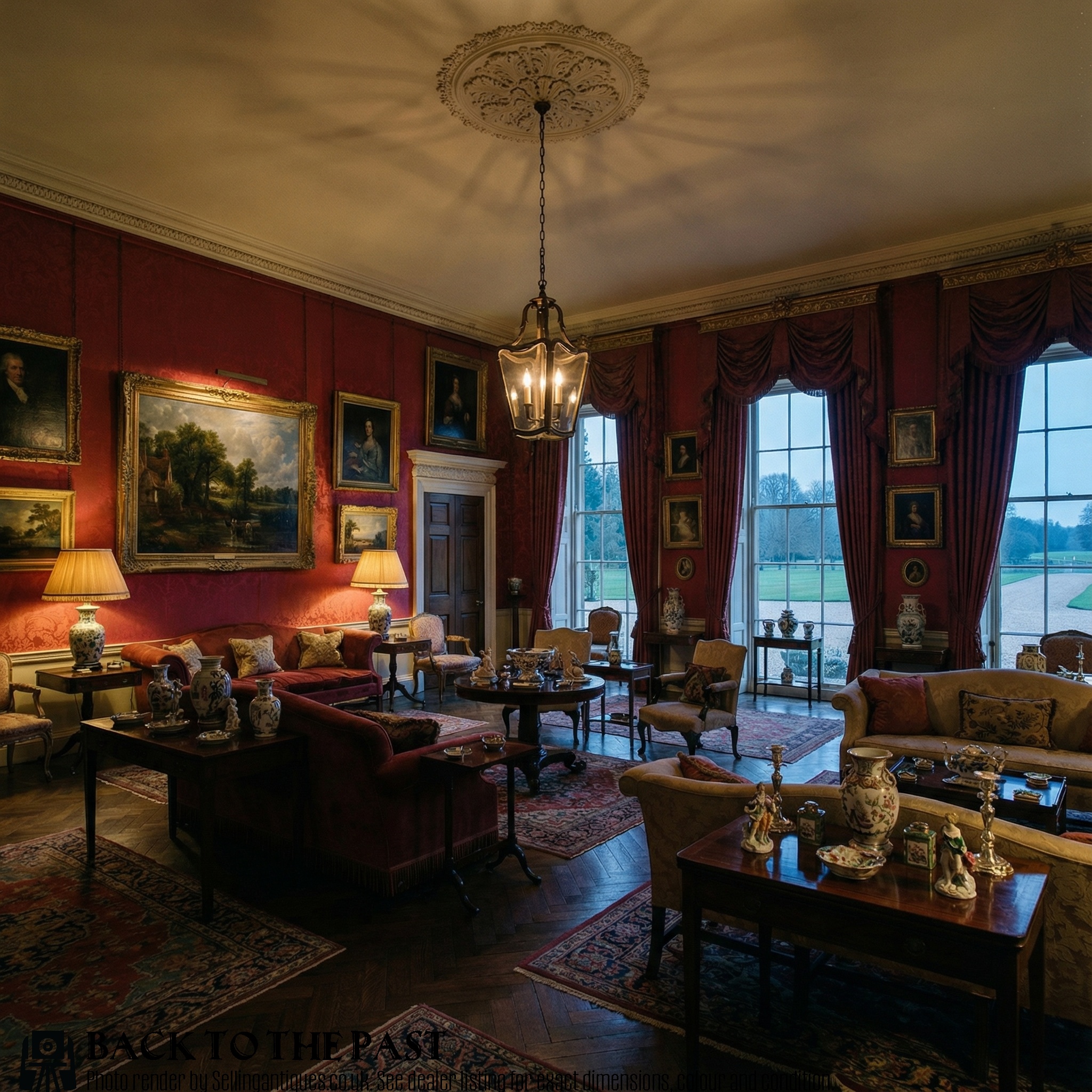
These fixtures suit entrance halls, high-ceilinged landings, and principal reception rooms where overhead suspension allows the piece to catch the eye. Their enclosed design protects the light source while distributing illumination evenly across a space.
Consider the drop height relative to your ceiling clearance to ensure proper proportion and safe passage underneath. Many historical examples function effectively as focal points in period properties and contemporary interiors alike.
How do I identify the period of a lantern?
Stylistic cues such as cast scrollwork, decorative beading, and the profile of the metal frame point toward specific eras like French Rococo, Neo-Classical, or Art Deco. Examining the construction of the glass panels and the composition of the brass work helps narrow down the decade of manufacture.
Heavier cast components often suggest nineteenth century origins, while geometric lines and etched motifs frequently align with early twentieth century production. Comparing the hardware to known period examples confirms the dating.
Are these lanterns suitable for modern wiring?
Many surviving fixtures arrive with updated electrical components or have undergone rewiring to meet contemporary safety standards. Buyers should inspect the internal lamp holders and consult a qualified electrician regarding installation requirements.
Original frames can accommodate modern bulbs while retaining their vintage aesthetic and structural integrity. Proper installation ensures safe operation within domestic settings.
What glass types appear in these lanterns?
Common glazing includes clear glass, curved glass, Bristol blue glass, stained glass, and etched glass panels. Each variety alters how the light diffuses through the room, creating distinct visual effects.
Textured or coloured glass softens the output of the internal bulb and highlights the decorative pattern of the frame. Original panes add significant character to the fixture.