
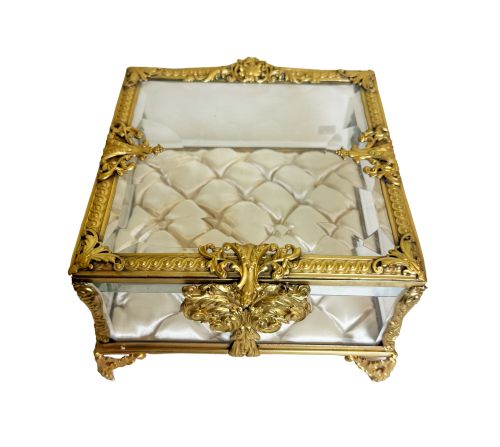


Brass Glass Jewellery Box
A brass glass jewellery box brings a touch of continental elegance to a dressing table, holding precious rings and trinkets behind bevelled panes.
Brass Glass Jewellery Box
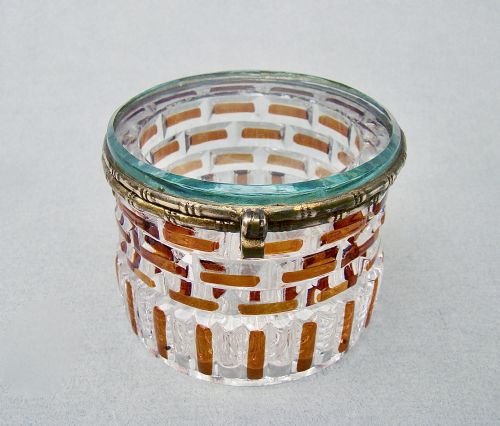
A brass glass jewellery box is typically designed to display and protect small valuables, taking forms from simple trinket containers to elaborate bijouterie cabinets. When searching for a brass glass jewellery box, buyers encounter pieces originating primarily from the nineteenth century, including Victorian and French periods.
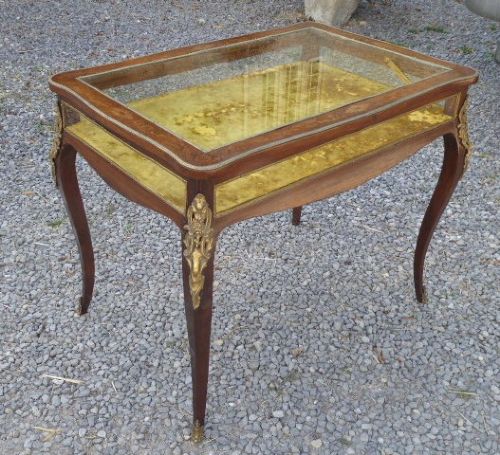
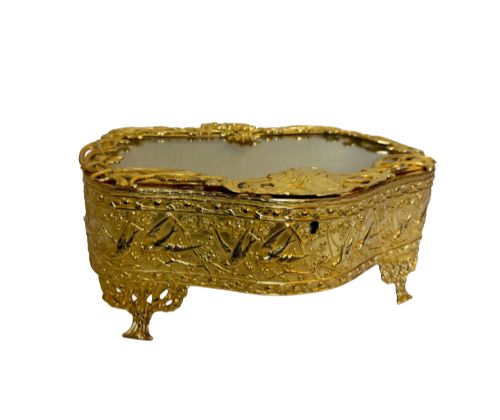
The objects listed show considerable variety in scale and purpose, ranging from small desktop caskets to large freestanding display tables and cabinets. French designs of the period frequently employ ormolu mounts and bevelled glass to create decorative containers for boudoir use.
Interior linings are characteristic of these pieces, often featuring velvet or similar soft fabrics to cradle delicate items. Many examples incorporate hinged lids or drop-front doors, combining metal frames with transparent panels for clear visibility of the contents.
Materials and construction
Construction relies upon a structural frame of brass, ormolu, or gilded bronze, which holds glass panels securely in place. Timber elements such as mahogany, kingwood, rosewood, and burr walnut frequently form the bases or companion cabinetry for these metal and glass enclosures.
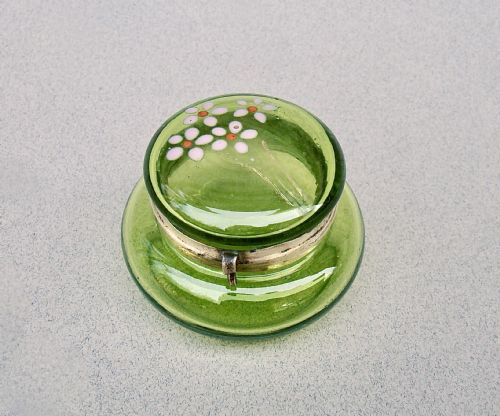
Decorative surface techniques include marquetry, brass inlay, and enamel work applied to glass or porcelain elements. Frames are joined to create rigid enclosures, often housing fitted interiors lined with velvet to cushion jewellery and small keepsakes.
Listings feature pieces incorporating brass, ormolu, glass, and exotic timbers such as mahogany and burr walnut across the nineteenth and early twentieth centuries.
Assessing quality and craftsmanship
Quality reveals itself in the precision of the metalwork, the thickness and clarity of the glass panes, and the smoothness of the hinges and locking mechanisms. Finer examples display crisply chased ormolu mounts, tight joinery in the wooden chassis where present, and carefully fitted velvet linings.
The Brass Glass Jewellery Box Glossary
- Ormolu
- Gilded bronze used widely for decorative mounts on nineteenth-century French and English boxes. The technique involves applying a gold amalgam to a bronze base.
- Bijouterie table
- A glass-topped display table designed specifically for showing small ornaments, medals, and jewellery. These pieces stand on slender legs and often feature hinged glass lids.
- Bevelled glass
- Glass panes with angled edges cut and polished to a specific slope. This treatment catches the light and adds depth to the viewing panels of a display box.
- Kingwood
- A dense, richly figured exotic timber utilised in high-end cabinet making during the nineteenth century. It frequently appears alongside marquetry patterns on luxury boxes.
- Trinket box
- A small container intended for holding rings, pins, and minor personal accessories. They appear in glass, porcelain, and metal across various Victorian and continental styles.
Brass Glass Jewellery Box: Frequently Asked Questions
How were these glass boxes used?
These containers served to house and display valuable personal items, rings, and small keepsakes on dressing tables or in drawing rooms.
Their transparent glass panels allowed owners to view the contents without opening the lid, combining storage with decorative display.
Where were most of these boxes made?
Many examples originate from French workshops and manufacturers active during the nineteenth century, particularly associated with Paris and regional centres of luxury goods.
English cabinet makers also produced significant numbers, often incorporating similar brass framing and velvet interiors.
How do I care for the velvet lining?
Velvet interiors require gentle maintenance, avoiding moisture and direct sunlight which can cause fading over time.
Dusting with a soft brush helps keep the fabric clean without disturbing the underlying structure of the box.
What is the difference between a casket and a box?
The term casket often denotes a more architectural or monumental shape, sometimes resembling a miniature chest with heavy metal mounts.
Standard boxes tend to follow simpler rectangular or oval forms intended strictly for boudoir use.