
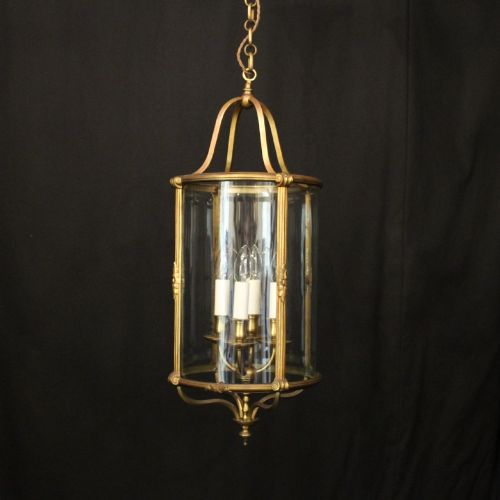
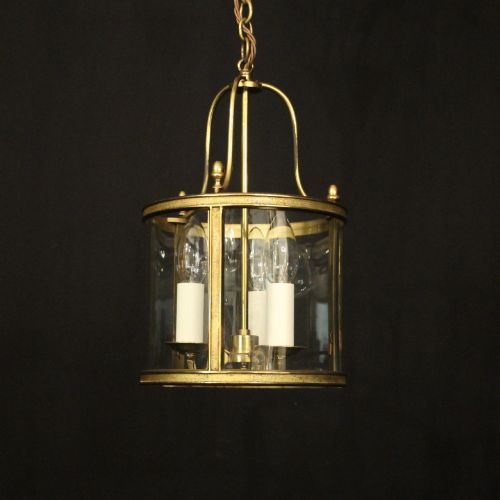
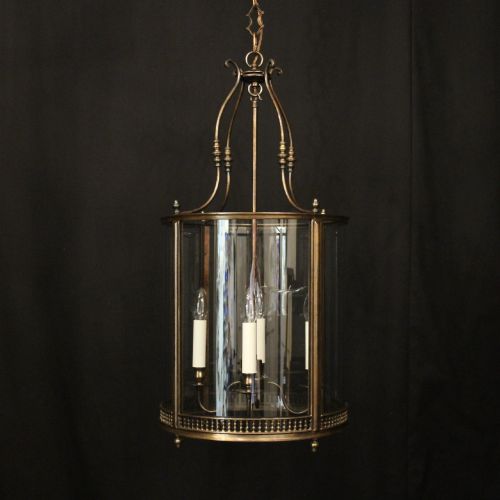
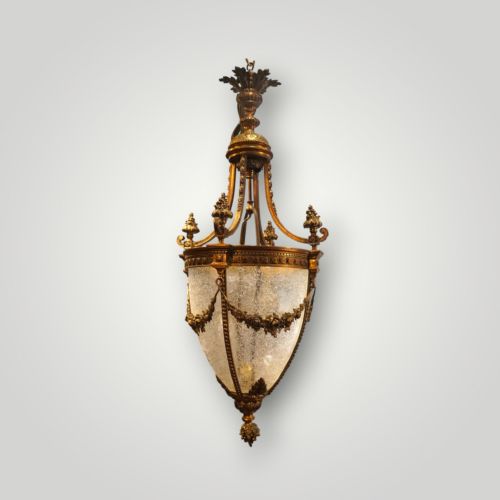
Brass Foyer Pendant
These brass foyer pendant selections comprise hall lanterns and ceiling lights designed to illuminate entryways with period character.
Brass Foyer Pendant
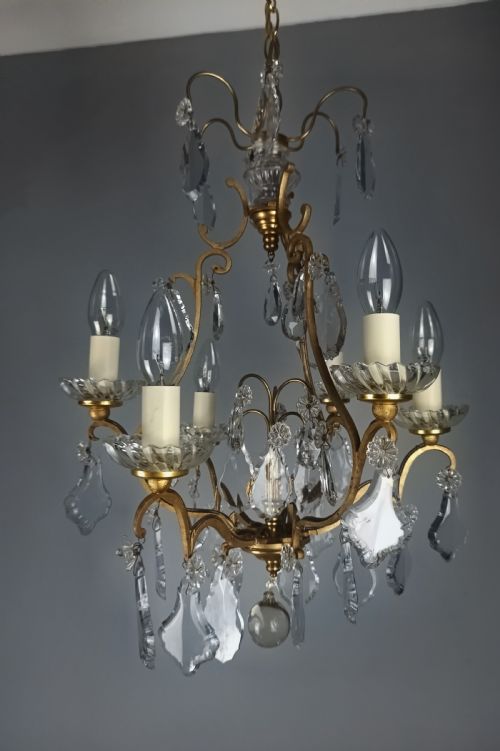
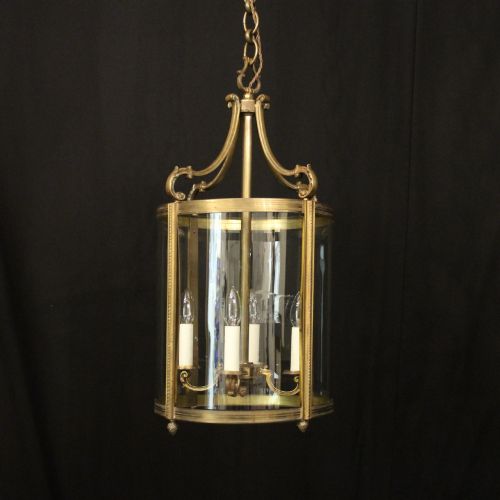
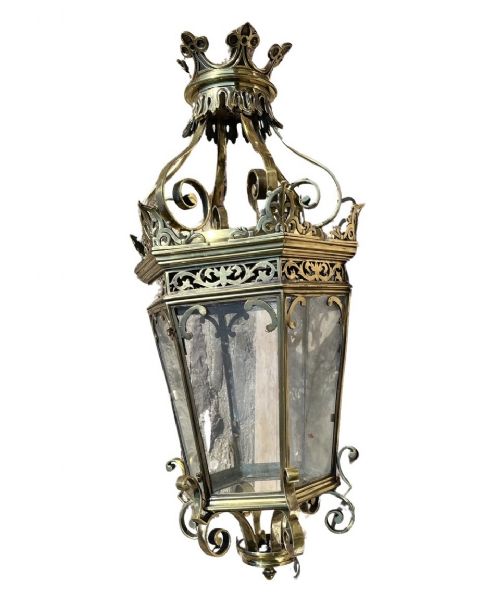
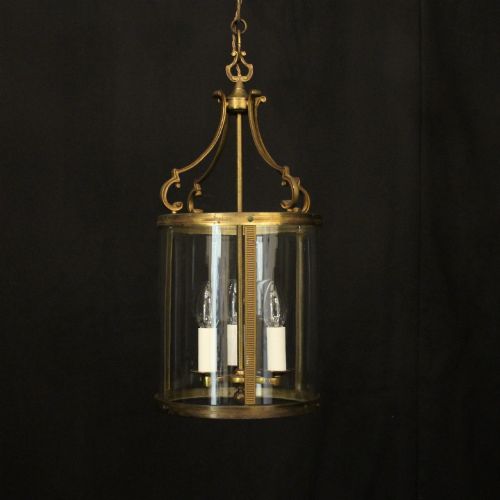
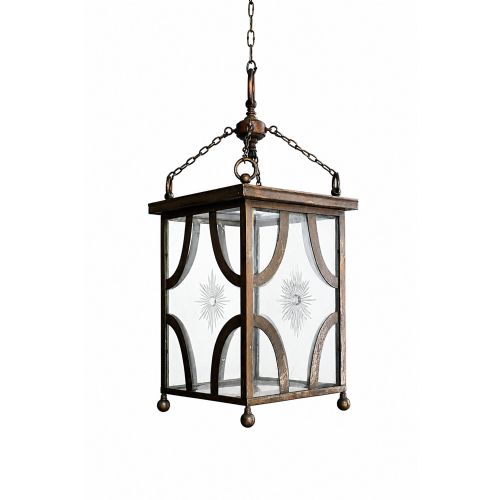
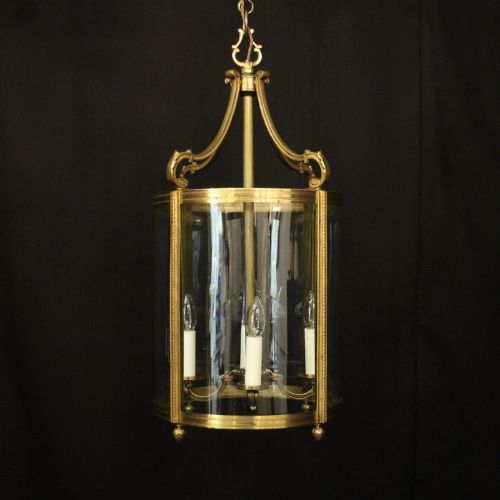
A brass foyer pendant encompasses hanging lanterns, hall lights, and chandeliers intended for entrance halls and corridors. When browsing for a brass foyer pendant, buyers frequently encounter French and English examples dating from the nineteenth century through the early twentieth century.
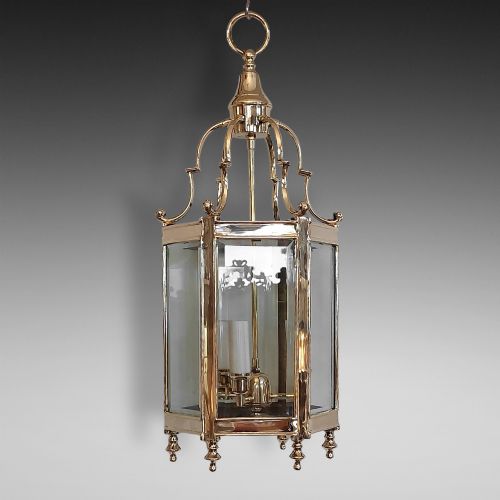
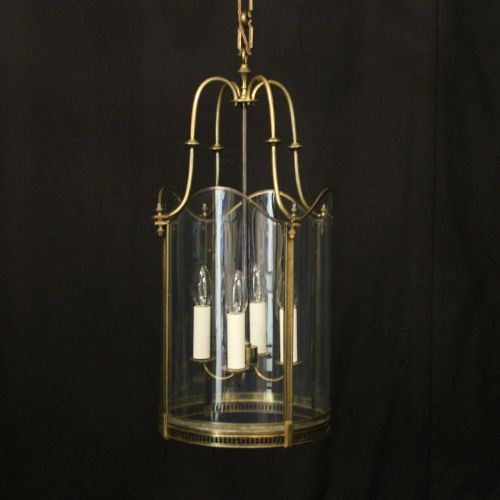
The prevailing forms on this page include hexagonal lanterns, convex glass designs, and multi-light fixtures framed in metal. These pieces reflect styles such as Edwardian, Neoclassical, and Gothic Revival.
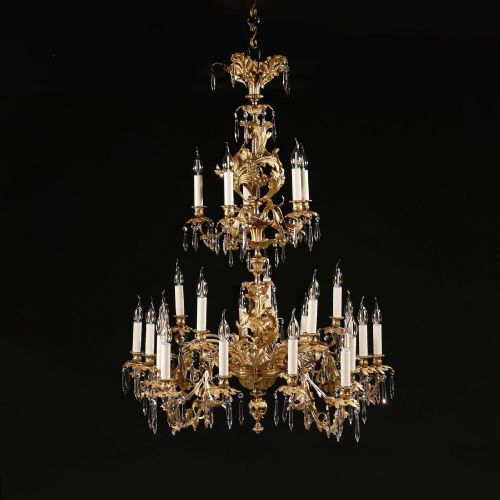
Originating predominantly from France and England, these hanging lights serve to illuminate passages while establishing a formal decorative presence. The selection ranges from compact single-bulb hall lights to substantial twenty-four light chandeliers.
Materials and construction
Construction relies upon cast and worked brass, bronze, and gilt bronze combined with clear glass panes. Metal frameworks are formed through casting and soldering, often finished with gilding or polished to a bright surface.
Glazing incorporates flat, bevelled, or convex glass panels secured within metal channels, sometimes featuring hinged doors for bulb access. Crystal components and cut glass prisms appear on larger chandeliers and select lanterns to refract illumination.
Listings feature brass, bronze, and glass hanging fixtures spanning from the mid-nineteenth century through the 1930s.
Assessing quality and finish
Quality rests upon the weight of the metal casting and the precision of the frame assembly. Finer examples display crisp surface detail in the bronze or brass work and secure, well-fitted glass panels without excessive play.
The refinement of the surface finish, whether original fire gilding, applied leaf, or polished metal, distinguishes superior pieces. Proportion, scale, and the integrity of internal candle clusters or light fittings further separate standard production from exceptional work.
The Brass Foyer Pendant Glossary
- Convex glass
- Curved glass panels used in lantern sides to project light outward and soften reflections. This technique adds depth to the appearance of the fixture.
- Birdcage chandelier
- A metal-framed chandelier resembling an open cage structure, typically decorated with crystal drops and multiple internal lights. This form became popular in twentieth-century French lighting.
- Gilt bronze
- Bronze metal treated with a thin layer of gold or gold-coloured alloy for a lustrous finish. It provides durability alongside a rich metallic appearance.
- Hall lantern
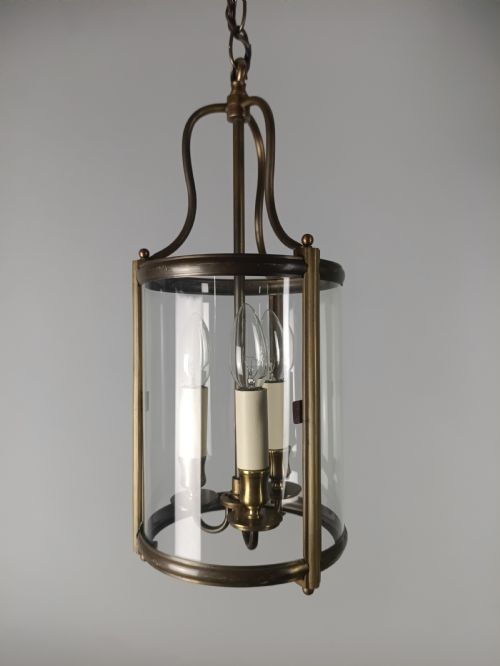
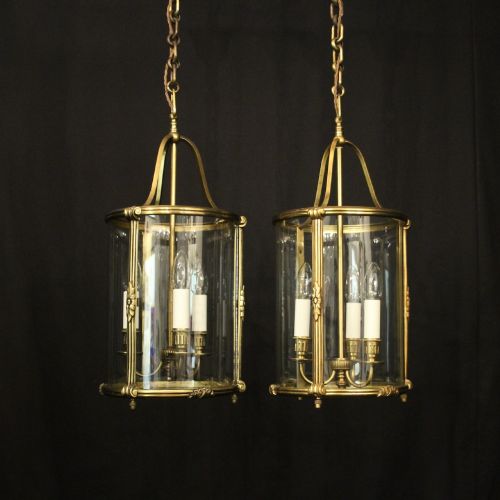
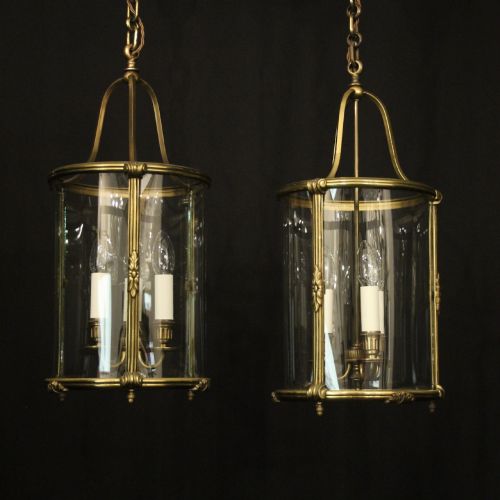
- A hanging light fixture designed specifically for corridors and entrance spaces. These fixtures enclose the light source within glazed panels.
- Bevelled glass
- Glass panes with angled edges cut and polished to a specific slope. This treatment catches and disperses light effectively.
Brass Foyer Pendant: Frequently Asked Questions
Are these lanterns suitable for modern wiring?
Most antique hanging lights accommodate modern electrical wiring through standard internal lampholders fitted inside the metal frame. Rewiring is typically straightforward for a professional electrician.
Original internal components may be updated to meet current safety standards while preserving the exterior metalwork and glass configuration.
How do I clean antique brass and glass?
Dust metal surfaces gently with a dry, soft cloth to prevent the accumulation of grime on gilt or polished bronze. Avoid abrasive metal polishes that can strip original surface patination.
Glass panels may be removed carefully or wiped in place using a mild glass cleaner applied to a cloth rather than sprayed directly onto the surrounding metal.
What is the difference between a hall lantern and a chandelier?
A hall lantern encloses its light sources within a protective frame of glazed panels, designed primarily for narrow spaces like corridors and entryways. They focus illumination downwards and outwards through glass.
An open chandelier exposes its bulbs or candle fittings across multiple arms without exterior glass walls, creating a wider spread of ambient light suited to principal rooms.