


Brass Escapement Clock
A brass escapement clock contains intricate mechanisms housed within polished metal cases, prized by collectors for precision engineering and period design.
Brass Escapement Clock
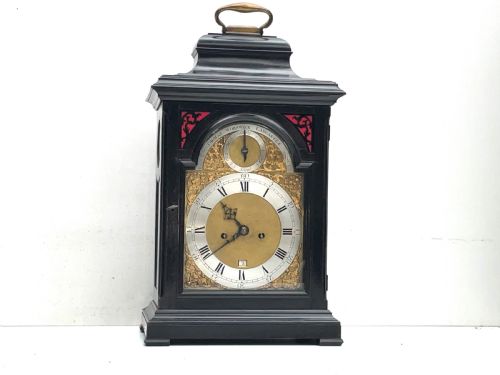
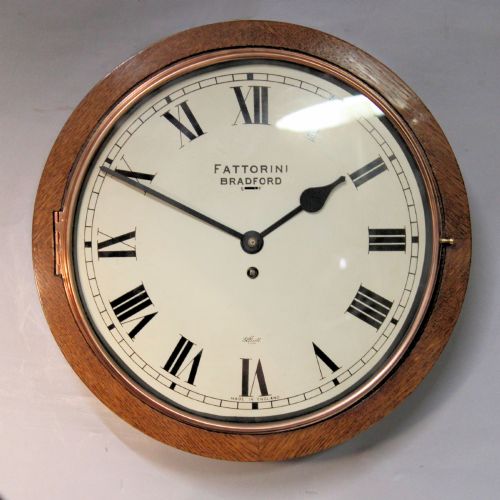
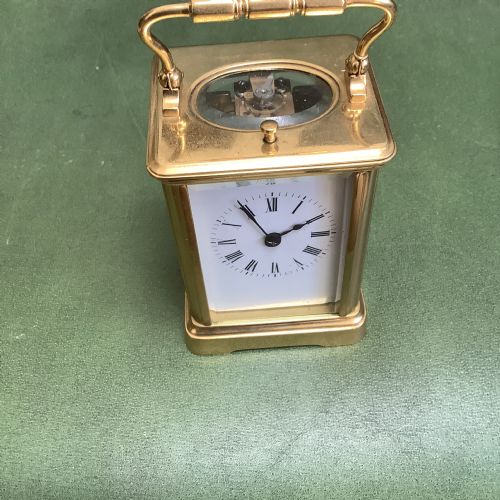
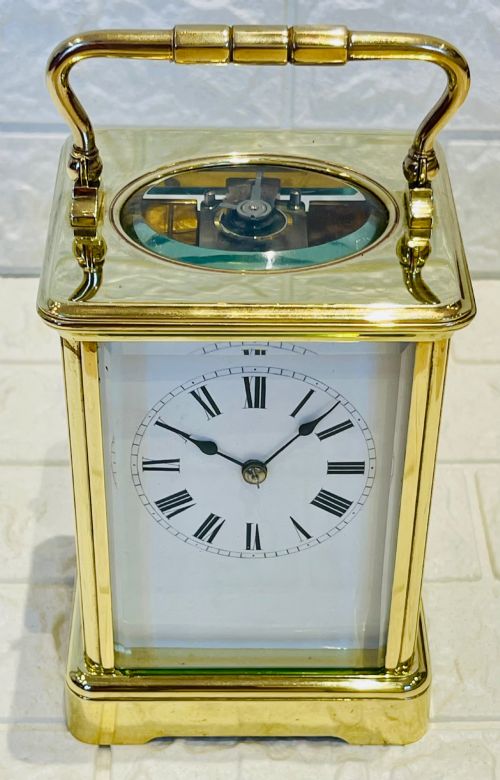
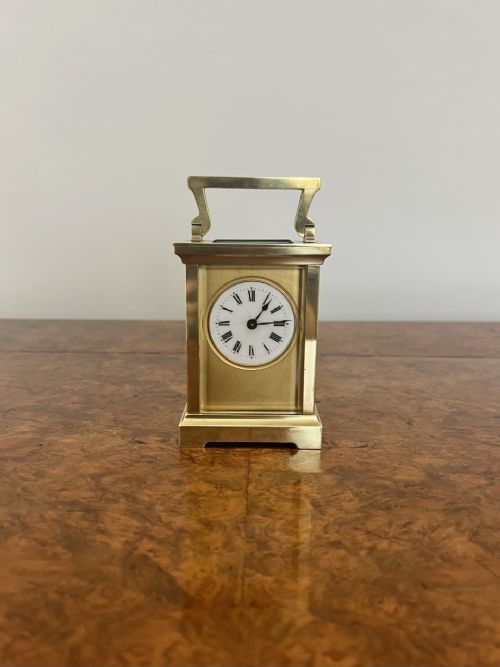
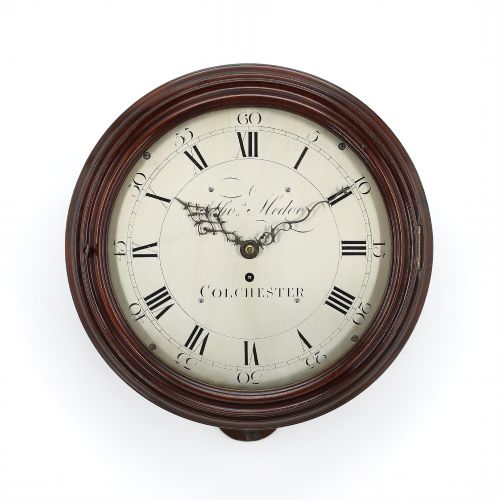
A brass escapement clock encompasses timepieces featuring exposed or internal regulating mechanisms, spanning centuries of British and continental European craftsmanship. Collectors searching for a brass escapement clock frequently encounter robust carriage clocks, grand lantern clocks, and sophisticated bracket clocks housed in timber or glass cases.
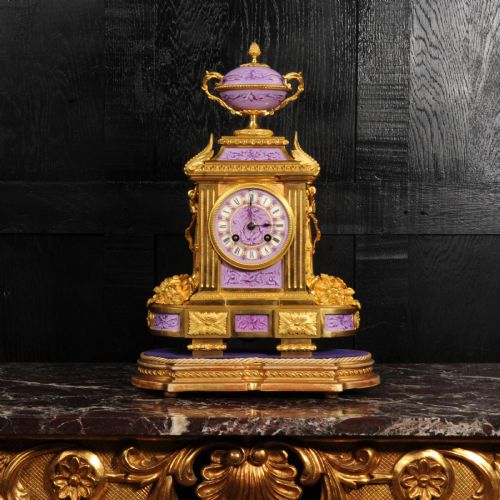
The selection ranges from early Georgian verge movement bracket clocks striking on bells to Victorian four-glass mantel timepieces and delicate miniature designs. Ebonised wood, mahogany, gilt bronze, and enamel dials frequently complement the polished brass frameworks.
English and French workshops dominate the heritage, producing table, wall, and desk formats driven by weight or spring power.
Materials and construction
Makers utilised cast and hammered brass for movement plates, wheels, and bezels, pairing the metal with glass panels, silvered metal dials, and porcelain components. Cases incorporated mahogany, walnut, oak, and ebonised wood, sometimes decorated with gilt bronze or ormolu mounts.
Movements relied on steel for springs, pivots, and arbours, while enamel provided durable, legible white dial faces with Roman or Arabic numerals.
Some travel clocks arrived with their own leather cases, proving that past owners insisted on knowing the exact minute while bumping along in carriages.
Distinguishing quality and execution
Superior examples feature highly finished movement components, crisp engraving on backplates and dials, and original matching components throughout the train and escapement. The presence of specialised escapements, such as platform, lever, or verge mechanisms by documented makers, elevates the horological interest.
Case materials and secondary decorative elements like Sèvres porcelain panels or heavy bevelled glass panes reflect the original commission tier.
Elliott·Achille Brocot·Thomas Hedge·Gontard and Bolviller Paris·Windmills and Bennet·William Barrow·John Seddon·Andrew Marchant·John Taylor·Isaac Hurley·John Rapton·Peter Debaufre·William Evans of Handsworth·Thwaites and Reed·Pinchon Fils Paris
The Brass Escapement Clock Glossary
- Verge escapement
- An early type of escapement utilising a crown wheel and a rod with pallets, controlling the release of power in pendulum or balance-wheel clocks.
- Platform escapement
- A self-contained balance and escapement assembly fitted to portable timepieces like carriage clocks, replacing the traditional pendulum.
- Bracket clock
- A portable spring-driven clock originally designed to sit on a wall bracket or table, frequently featuring striking or chiming mechanisms.
- Four-glass clock
- A mantel clock featuring glass panels on all four sides to expose the movement and pendulum to view.
- Lantern clock
- An early brass chamber clock of box-like form, usually wall-mounted with a single hand and frets above the dial.
Brass Escapement Clock: Frequently Asked Questions
What is a brass escapement clock?
A brass escapement clock is a timepiece featuring a regulating mechanism that controls the release of gear train power, housed within a brass-framed case.
These pieces range from early English lantern clocks to Victorian French carriage designs.
How do I wind a brass clock?
Winding requires inserting the appropriate key into the dial winding squares and turning gently until resistance is felt.
Care should be taken not to overwind spring-driven movements to protect the internal mainsprings.
Where were these clocks made?
Production centred primarily in established horological hubs across England, particularly London, and continental manufacturing centres such as Paris.
Workshops utilised local skilled artisans to cast brass and cut delicate wheel teeth by hand.
How do I identify the period?
Dating relies on stylistic clues in the case design, signature engraving styles on the backplate, and the specific type of escapement utilised.
Early models from the eighteenth century typically feature verge movements, while later Victorian versions often employ platform escapements.