




Mechanical Brass Clockwork
These mechanical brass clockwork items combine precision gearwork and handsome metal framing to keep accurate time or drive automated movement.
Mechanical Brass Clockwork
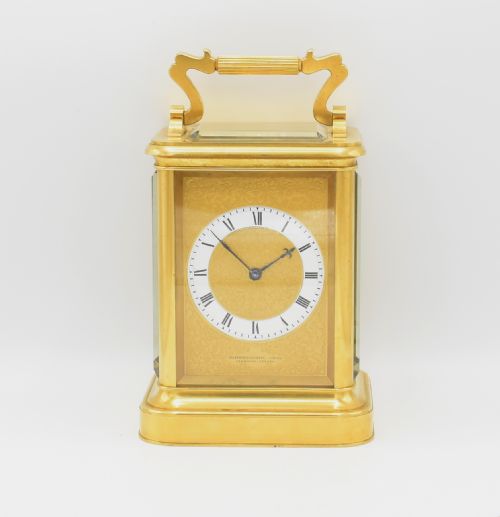
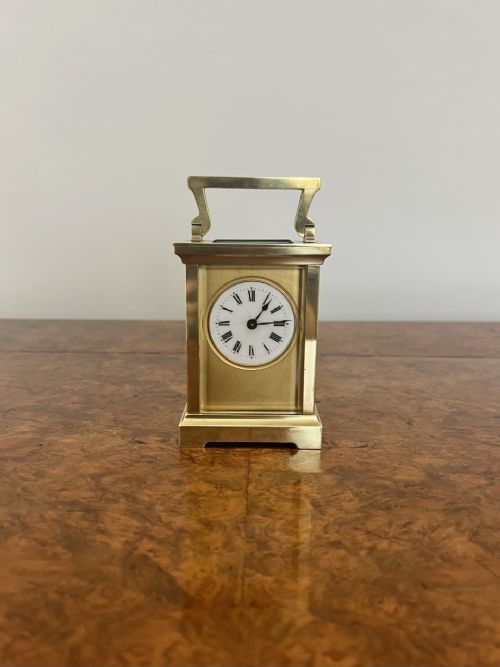
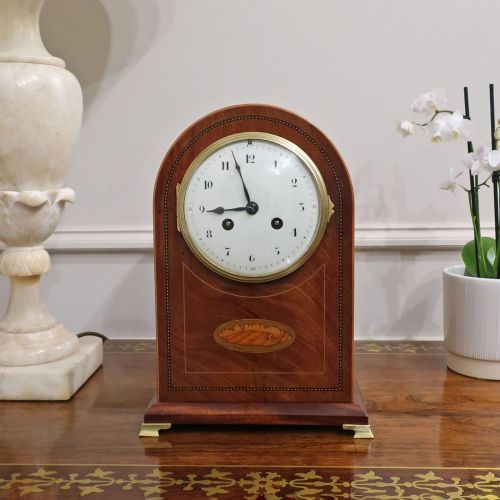
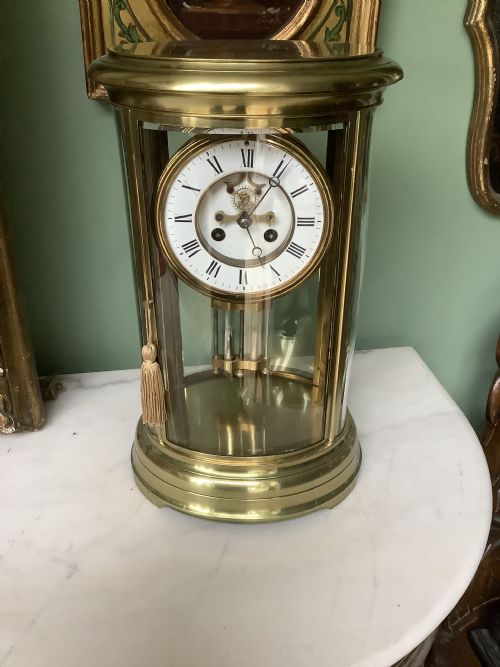
When you search for mechanical brass clockwork, you find a collection spanning Victorian, Belle Epoque, and mid-century eras, featuring carriage clocks, skeleton clocks, wall dials, and automata. The most common forms on this page are carriage clocks and mantel clocks housed in brass, glass, and mahogany.
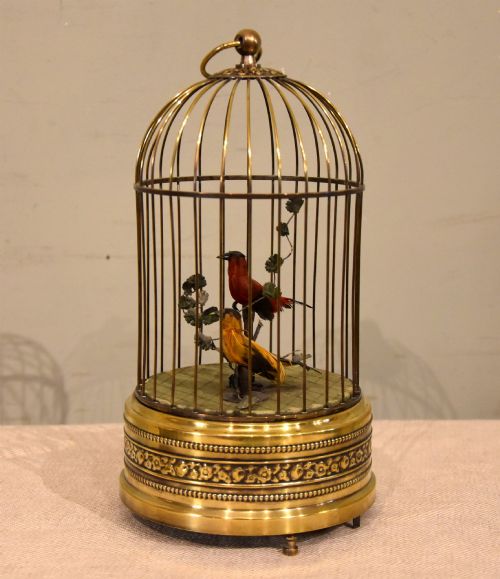
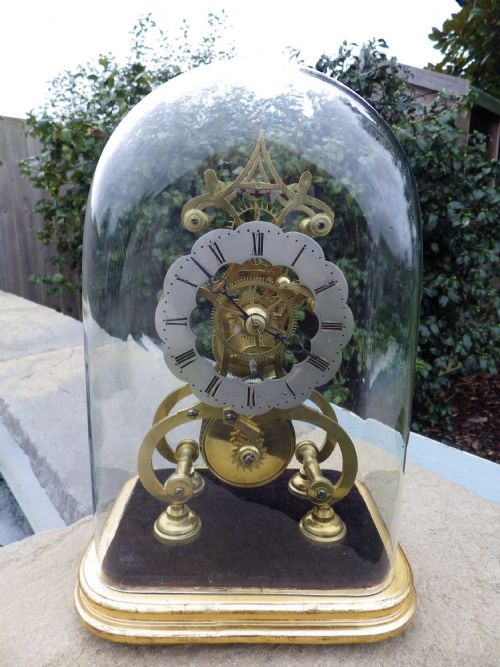
The objects range from miniature English Victorian gothic skeleton clocks to giant engraved carriage clocks and singing bird automata in brass cages. Origin points include Britain, France, and Germany, displaying styles such as Victorian, French 19th Century, Art Deco, and Mid-Century German.
Buyers look for these pieces to bring working mechanical ingenuity and period materiality into a room, whether through the steady tick of a fusee movement or the complex action of a music box.
How they were made
Makers utilised brass for plates, wheels, and framing, pairing the metal with glass panels, enamel dials, and wooden cases in mahogany. Fusee movements and wheel work were built by hand to regulate power from mainsprings.
Automata and singing bird boxes incorporated specialised feathered mechanisms alongside clockwork gear trains to create movement, housed securely under original glass domes or within ornate metal cages.
Listings feature brass, glass, enamel, and mahogany across Victorian, Belle Epoque, and mid-century periods.
What varies in quality
The standard of a mechanical brass clockwork piece rests on the crispness of its engraving, the complexity of its movement such as quarter striking or fusee wheel work, and the integrity of its original housing like glass domes and mahogany brackets.
Signed works by known retailers and makers show superior finishing in the brass components and dial details compared to unbranded examples.
Goldsmiths Alliance Ltd·Karl Griesbaum·Delépine Barrois·Rudge Swindon·Piggin Norwich·Baveux Jacot·James Grohé
The Mechanical Brass Clockwork Glossary
- Fusee
- A conical pulley used on clock movements to maintain an even pull as the mainspring unwinds. This mechanism ensures more consistent timekeeping.
- Skeleton clock
- A clock with open plates that expose the gear train and movement to view. They are typically protected under a glass dome.
- Carriage clock
- A portable spring-driven clock designed for travellers, featuring a brass case with glass panels and a folding handle.
- Automaton
- A mechanical device designed to imitate human or animal actions, such as singing birds inside a cage.
- Quarter striking
- A clock function that chimes the quarters of an hour in addition to striking the full hours.
Mechanical Brass Clockwork: Frequently Asked Questions
How do carriage clocks work?
Carriage clocks operate using a spring-driven movement regulated by a platform escapement, allowing them to keep time while portable.
They are wound using a key inserted into the backplate, powering the gear train through brass wheels and escapements.
What is a fusee dial wall clock?
A fusee dial wall clock uses a chain and cone pulley system to equalise the force of the mainspring as it unwinds.
This traditional British mechanism provides superior accuracy compared to standard spring-driven wall clocks.
How do I care for mechanical clocks?
These clocks require gentle handling, regular winding according to their power reserve, and placement away from dampness and direct sunlight.
Professional servicing every few years ensures the brass gear train remains free of hardened oils and dust.
Where were skeleton clocks made?
Skeleton clocks were produced by British and European makers during the nineteenth century, designed to showcase the intricate gear work.
They were frequently displayed under glass domes to protect the exposed brass wheels from dust.