




Vintage Brass Tabletop Clock
A vintage brass tabletop clock brings precise timekeeping and polished metal sheen to a desk or mantel.
Vintage Brass Tabletop Clock
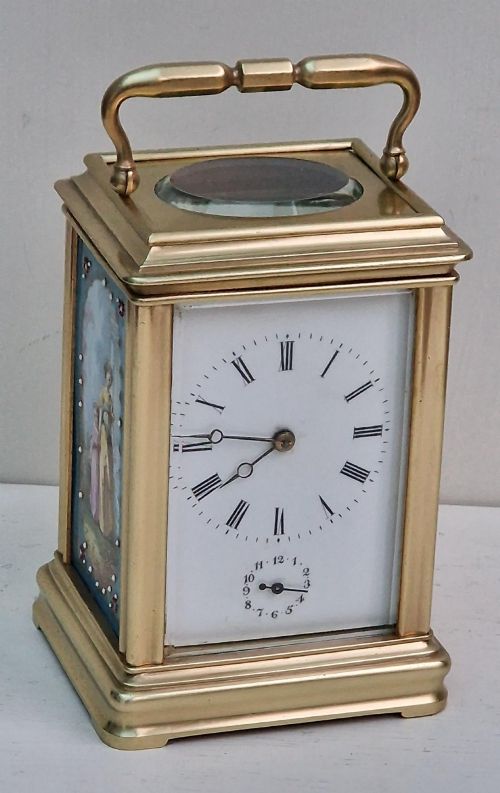
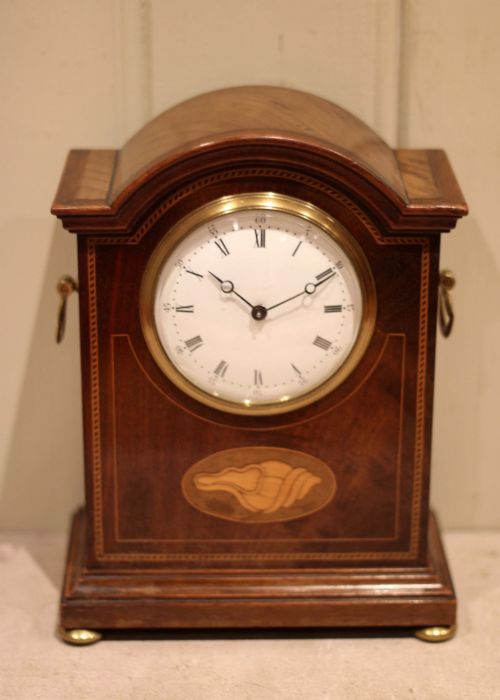
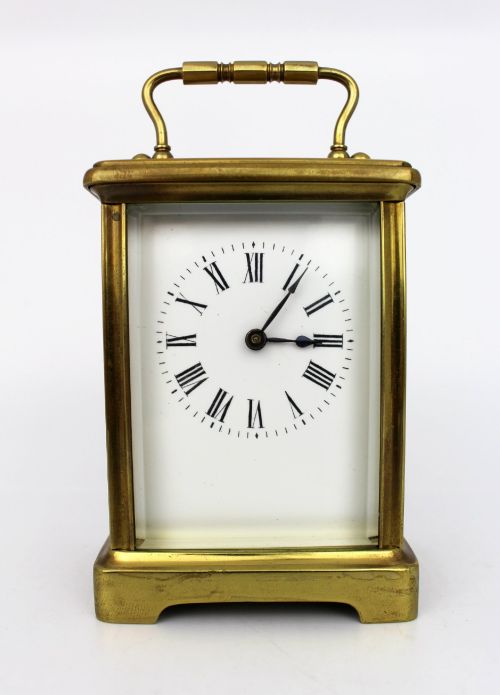
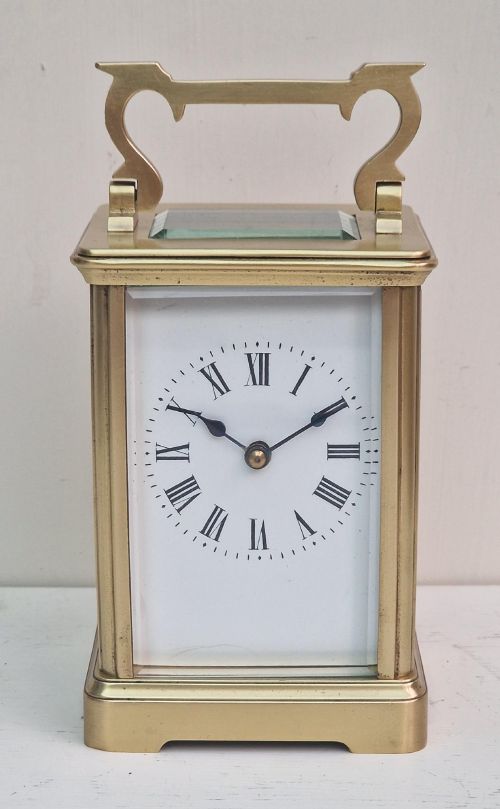
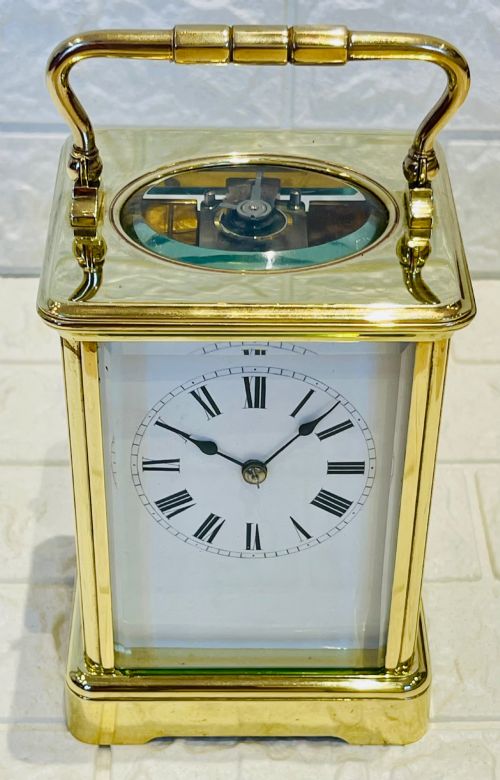
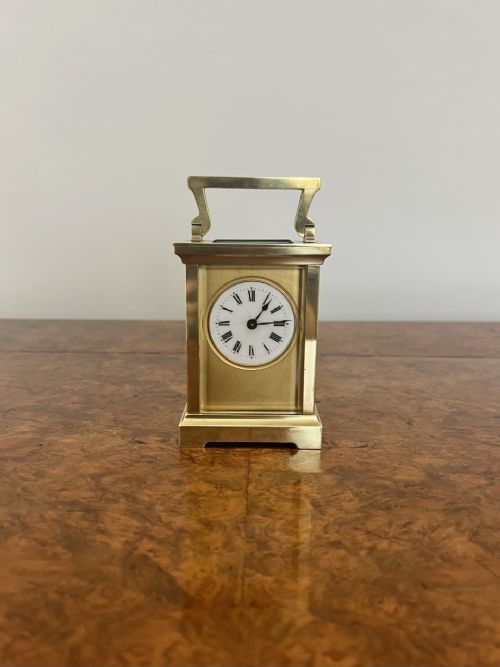
A vintage brass tabletop clock comprises portable timepieces designed for desks, tables, and mantels rather than walls. The selections include French carriage clocks, English mantel designs, and desk models spanning the nineteenth century through the mid-twentieth century. Buyers encounter brass frames combined with glass panels, enamel dials, and occasionally mahogany or silver mountings.
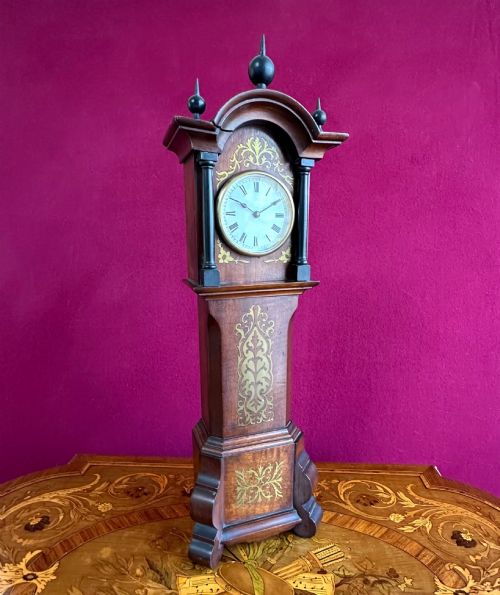
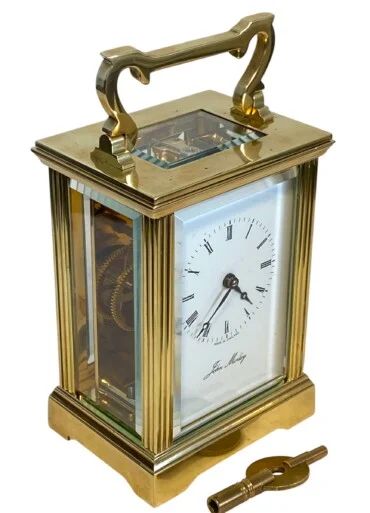
Carriage clocks dominate the selection, featuring glass side panels that reveal the internal escapement and gear trains. Other forms include miniature longcase clocks, desk struts, and bracket clocks housed in wood or gilded metal. These items reflect periods from the Victorian and Edwardian eras up to mid-century modern design.
Materials and Construction
Makers formed the primary housings from brass, gilt brass, and bronze ormolu, frequently pairing the metal with bevelled glass to display the movement. Dial faces incorporate white enamel with Roman or Arabic numerals, while specific variations integrate porcelain panels or filigree masks.
Wood versions utilise mahogany and rosewood with inlaid details, contrasting against the polished metallic cases. Movements rely on mechanical brass gears, spring barrels, and escapements, occasionally housed within specialised bell-jar cases or travel leather cases.
Materials recorded across the inventory include brass, gilt brass, silver, porcelain, enamel, mahogany, rosewood, and glass.
Distinctions in Quality
Quality rests upon the complexity of the movement and the crispness of the cast brass case. Pieces featuring repeat strike mechanisms, alarm complications, or grande-sonnerie functions sit at the higher end of craftsmanship.
The precision of the dial painting, the integrity of the bevelled glass panes, and the inclusion of signed maker movements separate standard production models from exceptional workshop examples.
John Morley·Brunelot·Seller of Reading·Delépine-Barrois·Dent·Alfred Hollinge·Jaeger LeCoultre
The Vintage Brass Tabletop Clock Glossary
- Carriage clock
- A small, portable spring-driven clock with a handle, originally designed for travellers. They typically feature glass panels that expose the mechanical movement.
- Gorge case
- A distinct rectangular brass carriage clock case style characterised by moulded pillared corners and a stepped top plate.
- Escapement
- The internal mechanism that regulates the speed of the clock by releasing the gear train at regular intervals. This part often appears visibly behind the dial or side glass.
- Grande-sonnerie
- A complex striking mechanism that chimes the hours and quarters automatically on every quarter-hour. It represents a high level of horological skill.
Vintage Brass Tabletop Clock: Frequently Asked Questions
How do I wind a vintage carriage clock?
Most mechanical models use a dedicated key inserted into winding squares located on the backplate. Turn the key gently until resistance indicates the mainspring is fully tensioned.
Avoid overwinding the mechanism, as this places undue strain on the internal springs and can damage the gear train.
What is a repeater mechanism?
A repeater mechanism allows the owner to press a button or cord on the case to make the clock chime the last hour and quarter-hour on demand.
This complication was especially useful for telling time in the dark before electric illumination became common.
Where should I place a tabletop clock?
Position the clock on a stable, level surface such as a wooden mantelpiece, a writing desk, or a bedside table. A steady foundation ensures the pendulum or balance wheel beats evenly.
Keep the timepiece away from direct sunlight, excessive moisture, and areas subject to heavy vibrations.
How do I identify the period?
Examine the case style, dial typography, and fastener types to estimate the date of manufacture. Victorian and Edwardian examples often feature ornate brass castings or inlaid mahogany cases.
Maker signatures engraved on the backplate or movement bridges provide definitive clues for dating and attribution.