
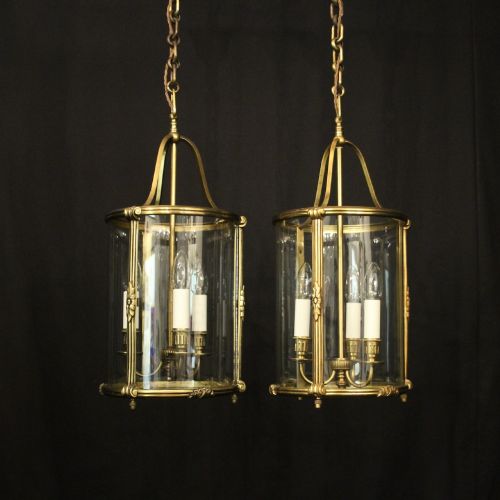
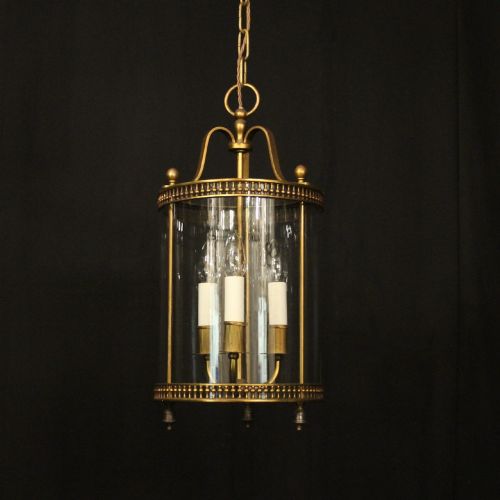
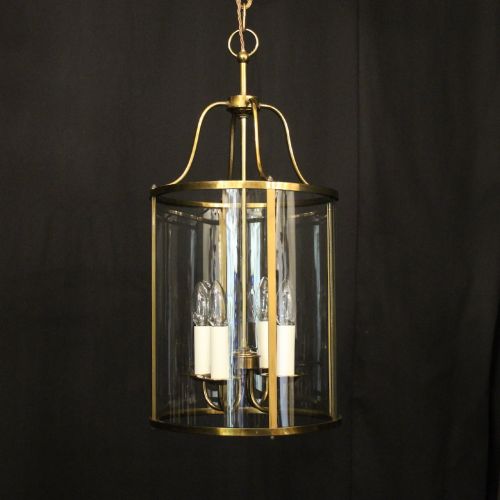
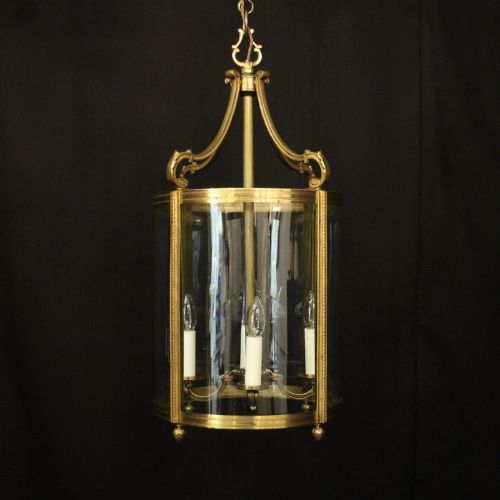


Brass Entry Light
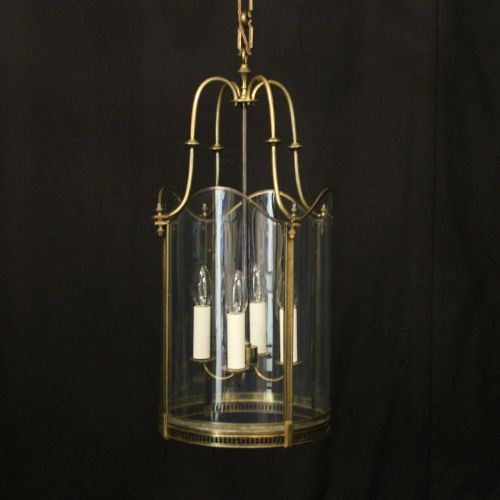
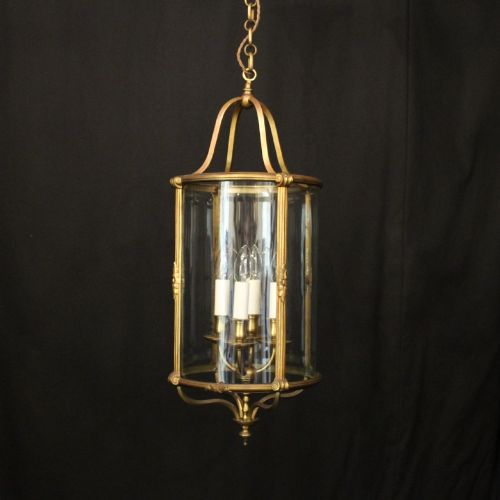
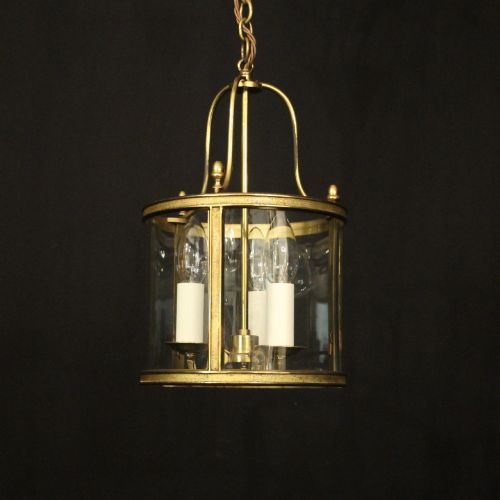
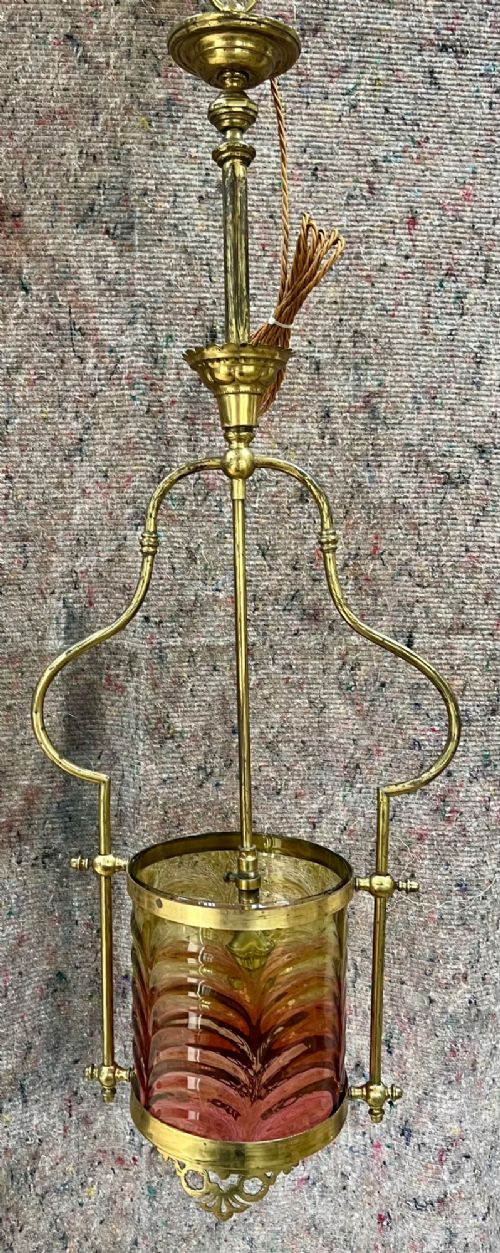
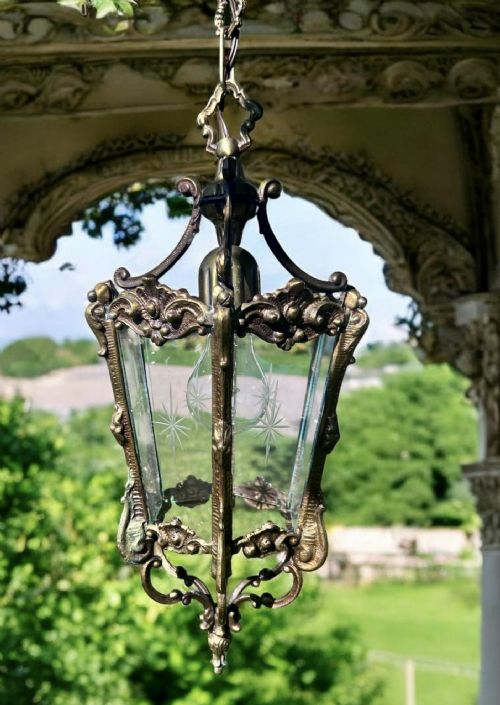
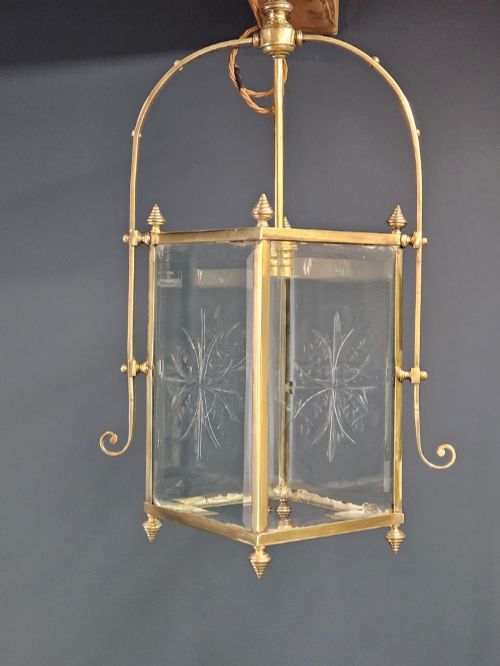
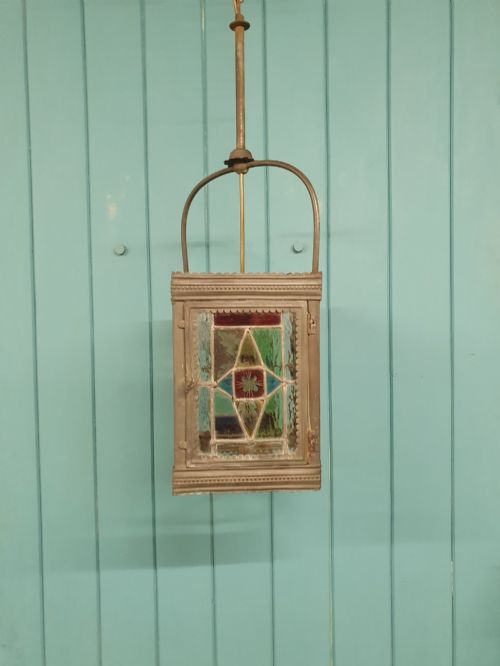
These brass entry light examples provide period illumination for hallways, drawing rooms and vestibules with substantial metal and glass frames.
Brass Entry Light
A brass entry light illuminates thresholds and corridors, taking the form of hanging lanterns, ceiling lights, and hall pendants. Buyers encounter French designs from the nineteenth century and the early decades of the twentieth century, alongside English pieces.
French chateau, rococo, and neoclassical styles appear frequently alongside Edwardian and arts and crafts forms. The inventory includes rounded, hexagonal, and large hanging variations.
Materials and Construction
Craftsmen built these lanterns using brass, bronze, and gilt bronze, often applying surface gilding to the metalwork. Glass components include plain, cut, leaded, and bevelled panes fitted securely into the metal frames.
Foundries cast bronze and brass components, shaping them into ornate rococo flourishes or clean architectural lines. Structural integrity relies on robust metal framing designed to support heavy glass panels and multiple internal light fittings.
One robust copper lantern weighs in with a solidly rounded presence suited to Edwardian halls.
Quality and Craftsmanship
The refinement of the casting and the depth of the gilding separate standard production from superior examples. Finely chased bronze mounts and substantial cast brass exhibit greater sculptural detail than simpler pressed metal alternatives.
The thickness and clarity of the glass, particularly where panels are bevelled or curved into convex shapes, indicate the tier of the piece. Integrated design harmony between the metal frame and the cut or leaded glass dictates overall distinction.
The Brass Entry Light Glossary
- Hall lantern
- An enclosed hanging light fixture designed specifically for entranceways and corridors. These fixtures project light downward and outward through glass panels.
- Gilt bronze
- Bronze metal coated with a thin layer of gold or gold-coloured alloy. This technique provides a lustrous finish that resists tarnishing.
- Bevelled glass
- Glass panes featuring angled edges ground and polished to a specific slope. This treatment refracts light and adds decorative dimension.
- Convex glass
- Curved glass panels that bulge outward from the lantern frame. This shape disperses illumination across a wider angle.
Brass Entry Light: Frequently Asked Questions
Where should I hang a brass entry light?
These fixtures suit entrance halls, vestibules, and high-ceilinged corridors where overhead illumination is required. They serve as focal points upon entering a property.
Ensure adequate clearance beneath the lantern for foot traffic and door swings. Scale the size of the fixture to the proportions of the hallway.
How do I date a brass entry light?
Examine the manufacturing techniques, metal composition, and stylistic markers such as rococo scrolls or Edwardian simplicity. Fasteners and wiring methods also offer clues to the period of production.
Compare the decorative motifs against documented designs from the nineteenth and early twentieth centuries. French chateau and neoclassical influences often correspond to specific decades.
What is the difference between brass and bronze?
Brass is an alloy primarily composed of copper and zinc, yielding a bright golden appearance. Bronze consists mainly of copper combined with tin, resulting in a darker, warmer tone.
Both metals accept gilding and patina over time. Bronze typically permits finer detail in cast ornamentation.
Can these lights be rewired for modern use?
Electrical components can be updated by a qualified electrician to meet current safety standards. Rewiring preserves the historical exterior while ensuring safe domestic operation.
Retain original lamp holders where possible if they contribute to the authenticity of the piece. Modern bulbs can be selected to replicate historic light warmth.