



Brass Cut Glass Lamp
A brass cut glass lamp combines heavy metal framing with refractive crystal, offering both illumination and decorative weight to a room.
Brass Cut Glass Lamp
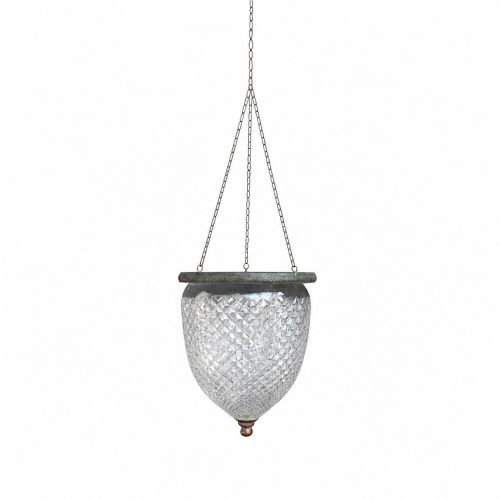
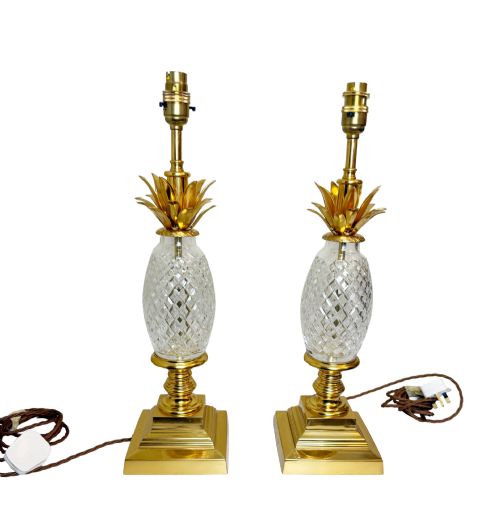
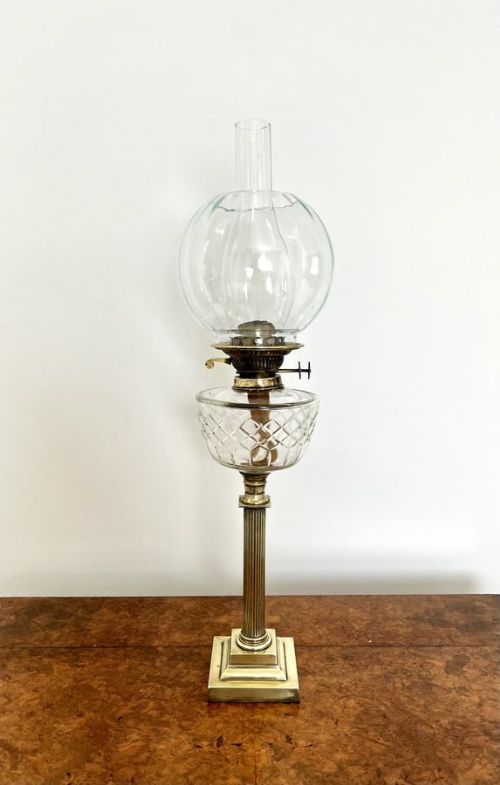
A brass cut glass lamp encompasses various lighting forms, from grand chandeliers and ceiling pendants to tall column table lamps and Victorian oil lamps. When searching this phrase, buyers frequently encounter pieces dating from the nineteenth century through the Edwardian period and the early twentieth century.
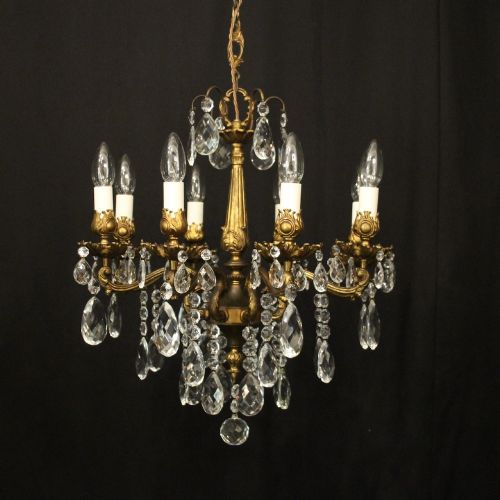
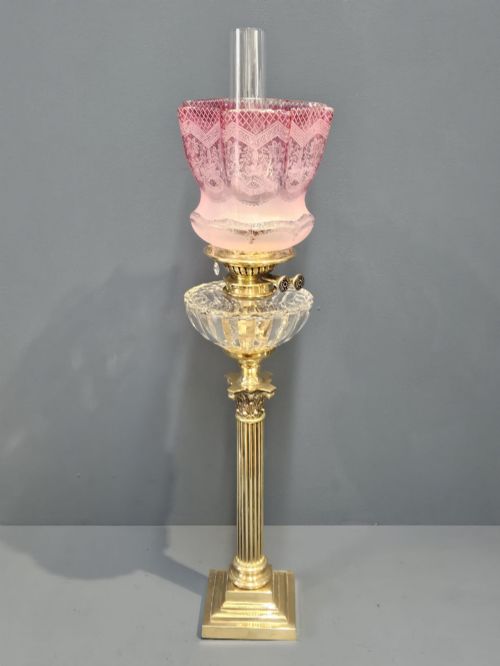
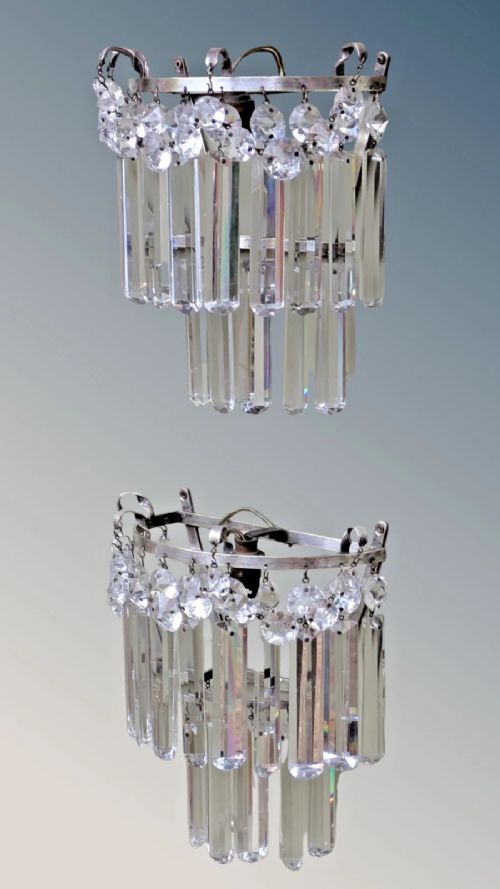
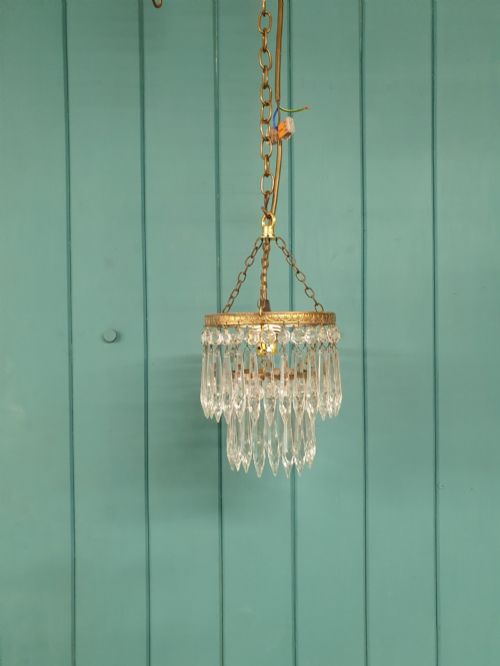
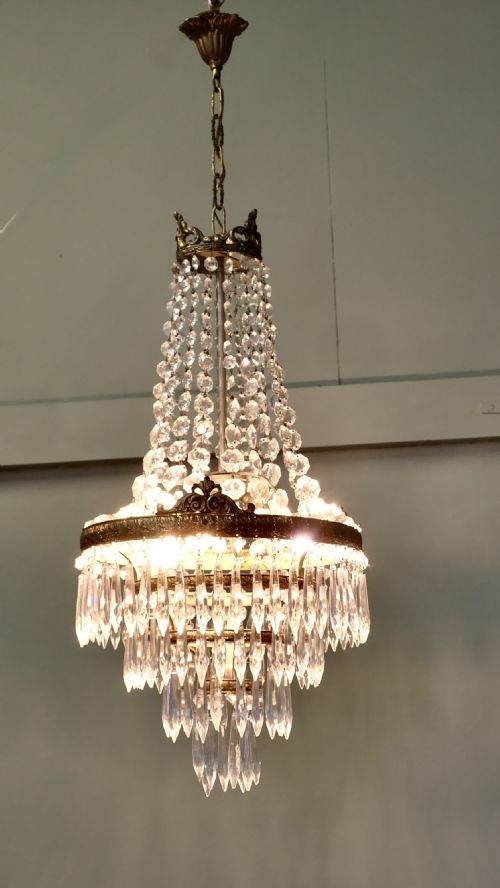
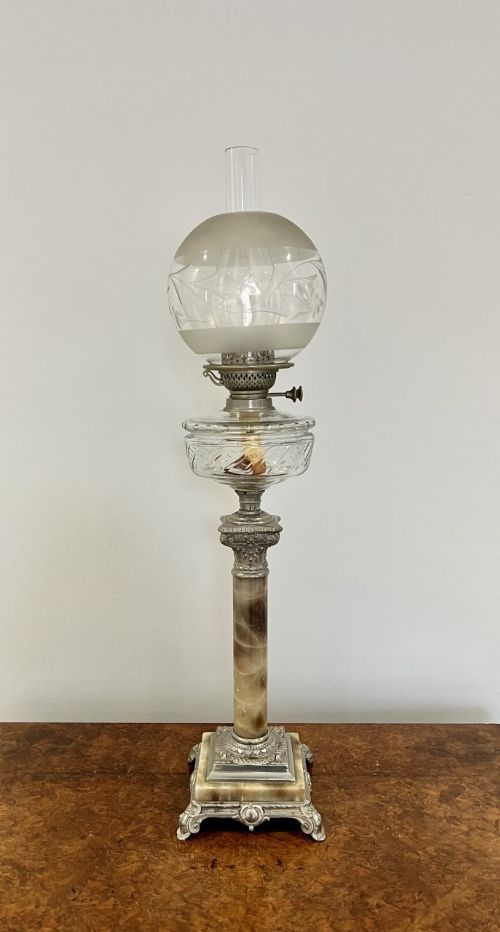
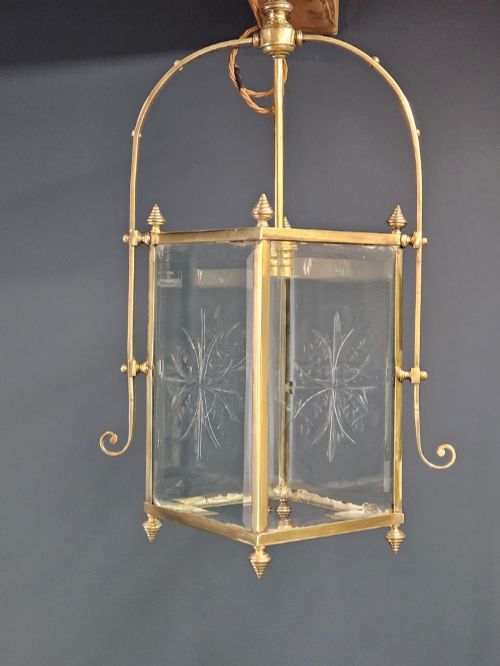
The selection ranges from French Empire and Neoclassical chandeliers adorned with crystal drops to English Corinthian column oil lamps featuring cut glass reservoirs. Wall lights, plafonniers, and hall lanterns also appear regularly across these periods.
Makers and styles span domestic production and continental designs, with many pieces demonstrating French influence or specific nineteenth-century manufacturing techniques.
Materials and Construction
These pieces rely on a structural framework of cast or stamped brass, gilt bronze, or ormolu, which supports heavy lead crystal and cut glass reservoirs, bowls, or shades. Metal components provide the necessary rigidity for tall table lamps and multi-armed ceiling fixtures.
Glass elements are shaped by blowing and finished with hand-cut facets, flutes, or star patterns designed to maximise light refraction. Prisms, beads, and drops are typically wired or pinned to brass mounts using traditional metal connectors.
Materials recorded on this page include lead crystal, gilt bronze, ormolu, and solid brass alongside cranberry and blue cut glass.
Assessing Quality
Quality rests upon the depth and crispness of the glass cutting, alongside the weight and detail of the brass or gilt bronze castings. Superior pieces feature sharp, clean facets on the crystal and precisely chased or moulded metal mounts.
Proportion and integrity also define the better examples, where original components remain intact and the mountings secure the glass without excessive play. Heavier gauge brass and high-purity lead crystal distinguish finer production from standard commercial output.
F. & C. Osler·Hinks
The Brass Cut Glass Lamp Glossary
- Ormolu
- Gilded bronze used for decorative mounts on lighting fixtures. This technique involves applying a finely ground gold-mercury amalgam to a bronze base before heating.
- Plafonnier
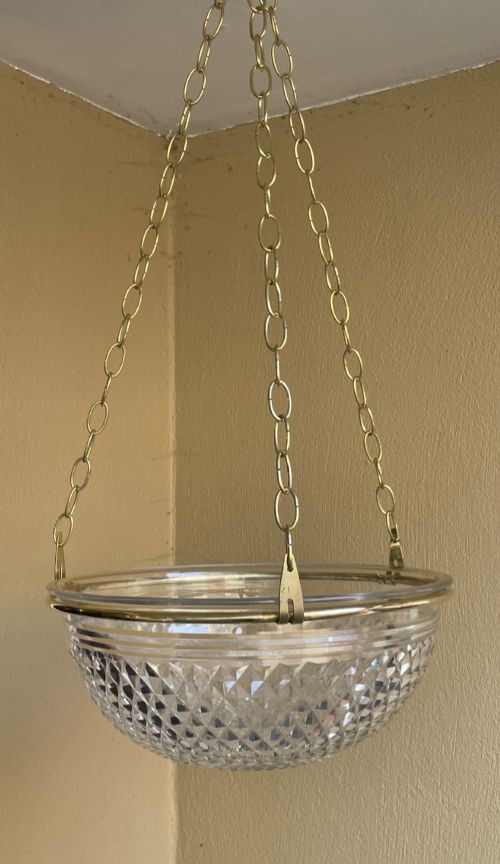
- A ceiling-mounted light fixture with a flat or shallow bowl-shaped shade positioned close to the ceiling. These lights are common in Edwardian interiors.
- Corinthian column
- A classical architectural column form featuring an ornate capital decorated with acanthus leaves. This motif is frequently utilised for Victorian oil lamp and table lamp standards.
- Tent and bag chandelier
- A lighting design where strings of crystal beads form a tent shape above a gathered bag of drops below. Such configurations direct and scatter light across multiple tiers.
- Prisms
- Triangular or multi-faceted pieces of cut glass suspended from a chandelier to refract light. They scatter spectral colours around the room when illuminated.
Brass Cut Glass Lamp: Frequently Asked Questions
How do I date a brass cut glass lamp?
Dating relies on stylistic clues, casting methods, and the type of glass used. Victorian and Edwardian examples often feature heavy brass bases and distinct structural proportions.
Changes in screw threads, wiring methods, and burner types on oil lamps also help establish the decade of manufacture.
Were these lamps originally electric?
Many nineteenth and early twentieth century examples started life as oil lamps, gasoliers, or candle fixtures. They were subsequently converted to electricity during later decades.
When converted, high-quality pieces retain their original brass columns and cut glass reservoirs while integrating modern internal wiring.
How do I clean cut glass drops?
Cleaning requires removing the glass elements from the brass frame to prevent moisture damage to old metalwork and wiring. Warm water with a mild detergent is typically sufficient for clearing dust from the facets.
Individual drops should be dried thoroughly with a soft cloth before being reattached to their metal pins.
What is an oil lamp reservoir?
The reservoir is the vessel that held paraffin or oil beneath the burner mechanism. On these pieces, the container is fashioned from thick cut glass or coloured crystal.
In many surviving examples, this section sits atop a heavy brass column or reeded pedestal.