


Brass Column Reading Lamp
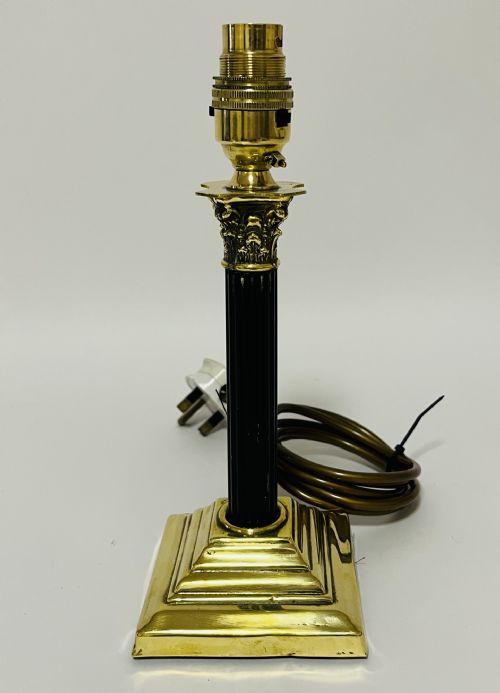
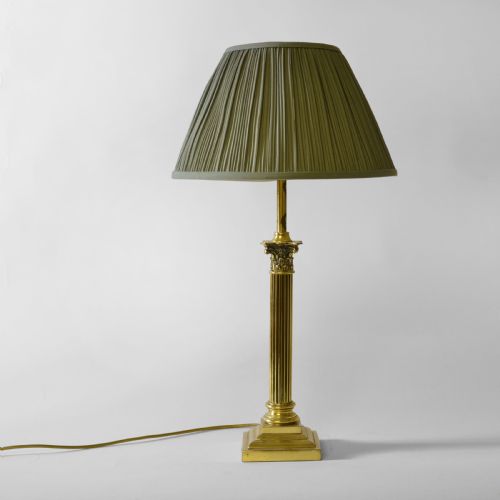
A brass column reading lamp brings period gravitas and focused light to a room, drawing on classical architectural orders and heavy metalwork.
Brass Column Reading Lamp
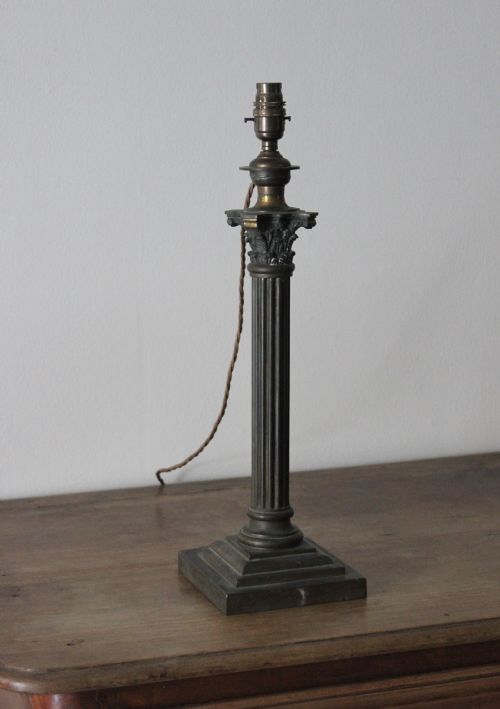
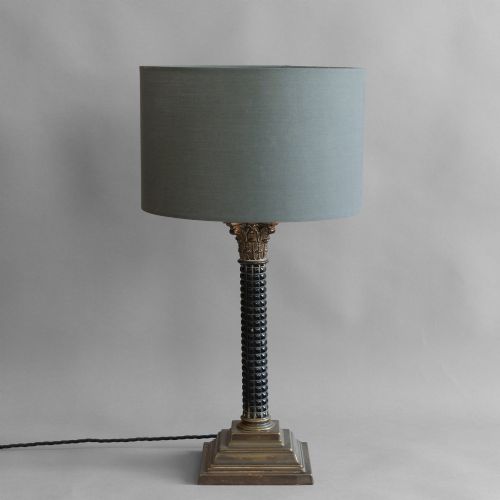
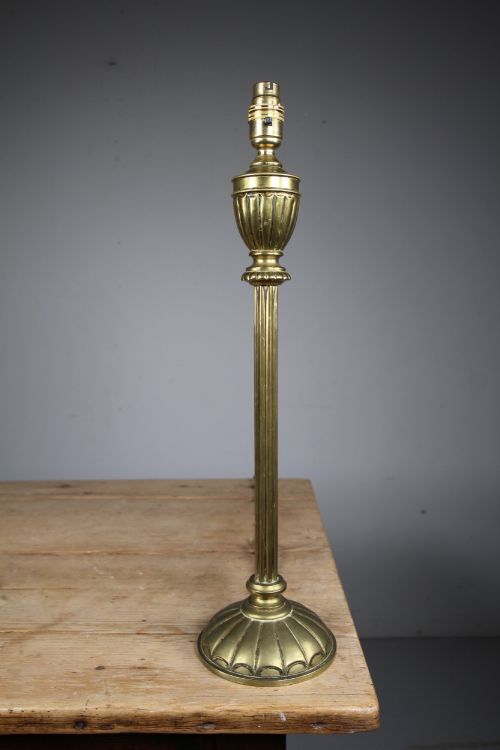
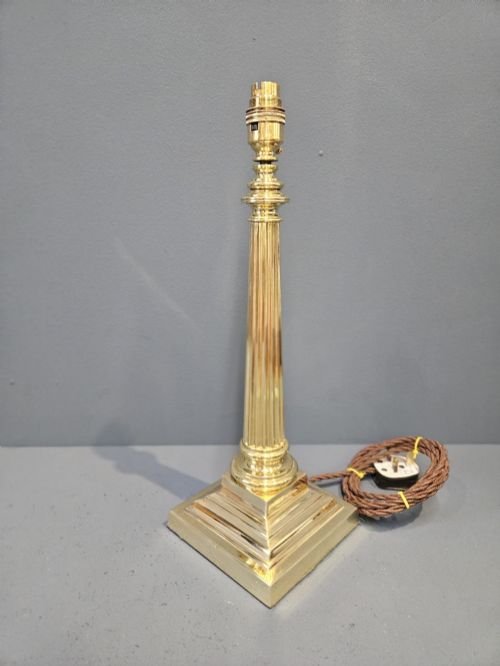
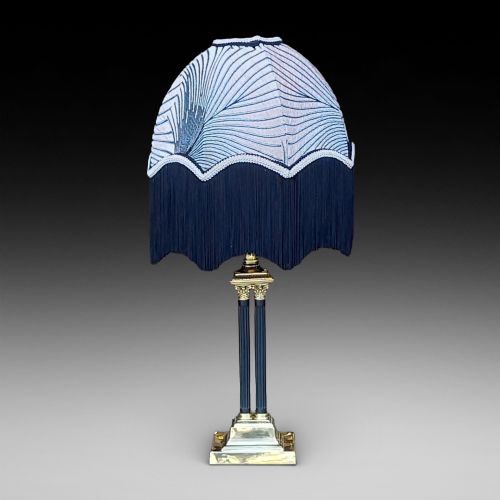
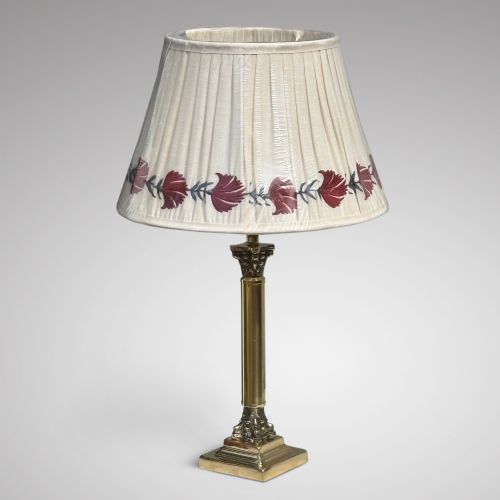
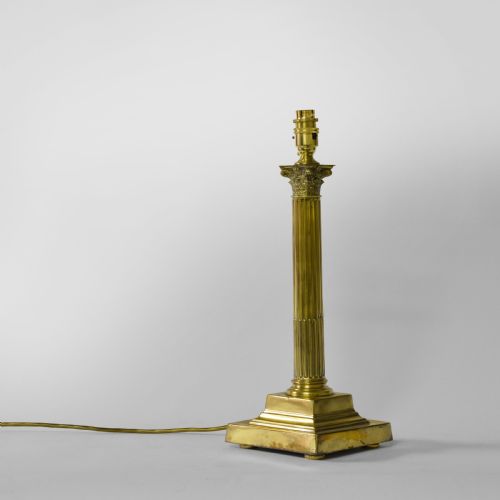
A brass column reading lamp takes its design from classical architecture, utilising fluted or reeded shafts set upon heavy square bases. These pieces emerge predominantly from the nineteenth and early twentieth centuries, spanning the Victorian and Edwardian eras alongside French Empire and Neoclassical revivals.
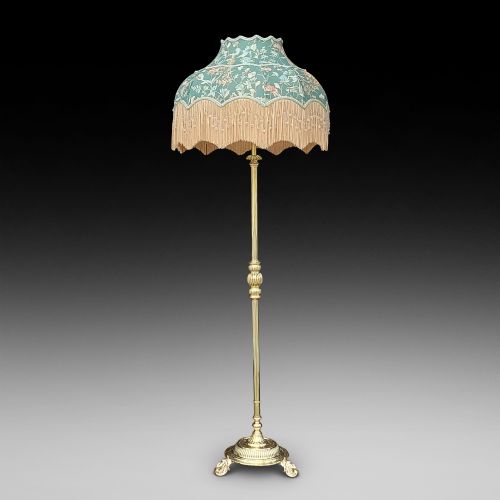
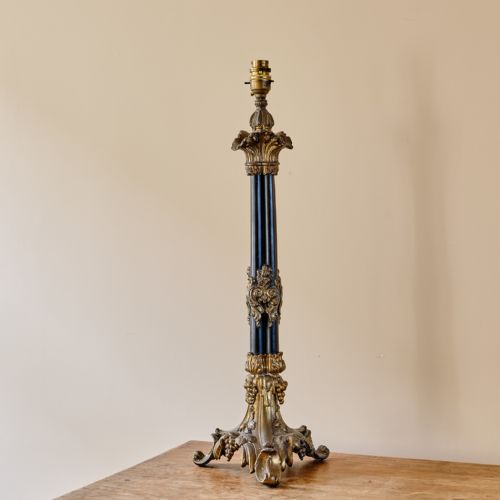
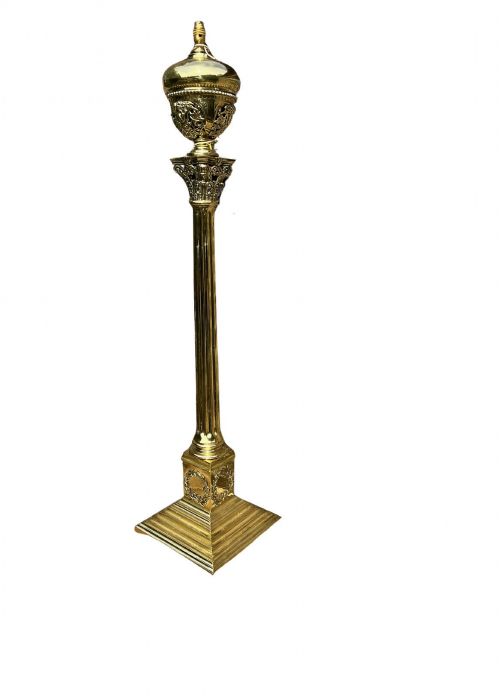
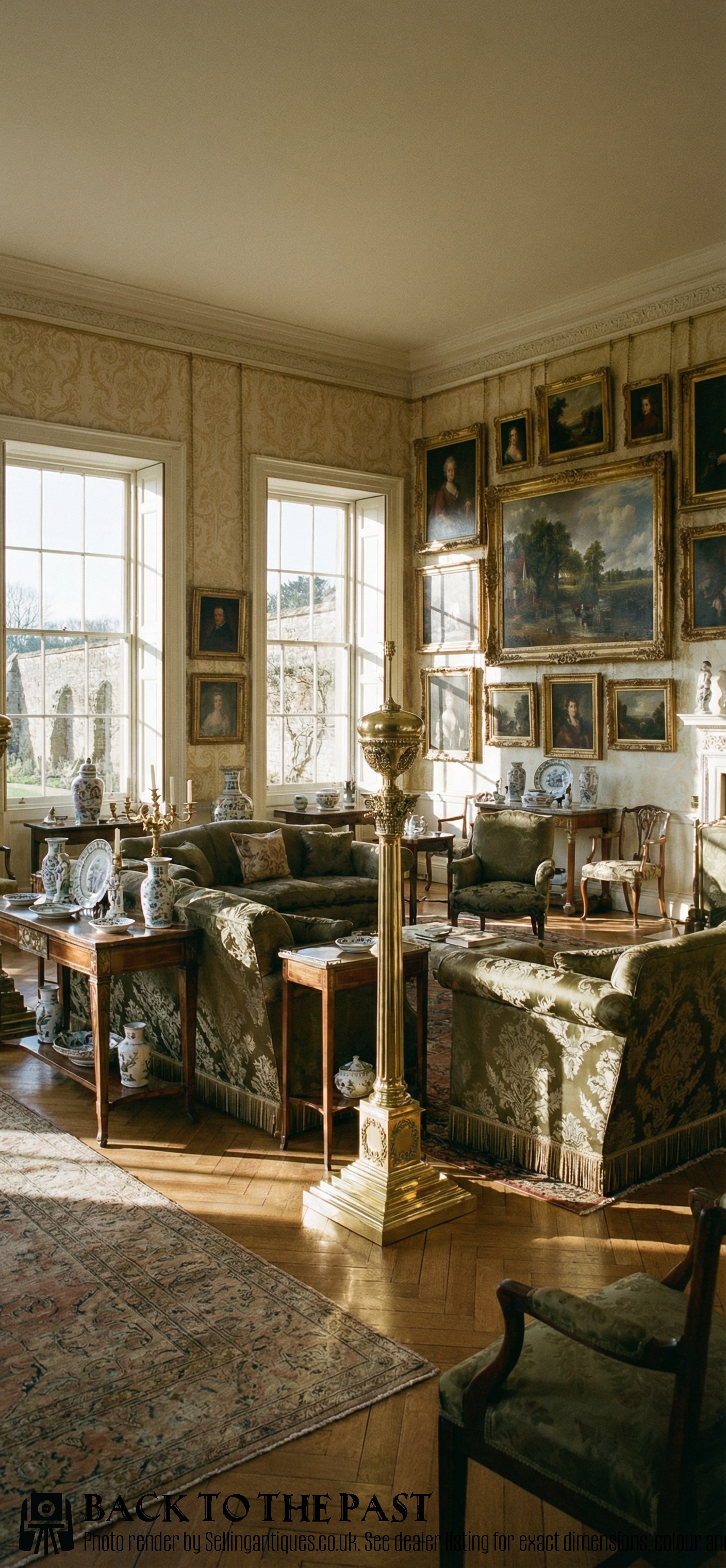
Buyers will encounter table models and tall floor standards, often featuring Corinthian or Doric capitals with intricate acanthus leaf detail. Many of these lighting fixtures began their domestic lives as oil or kerosene burners before undergoing conversion to electricity during the twentieth century.
The inventory includes standard lamps alongside adjustable floor and table versions designed to direct light precisely where required. Architectural influence remains paramount, with square stepped plinths and fluted columns dominating the selection.
Materials and Construction
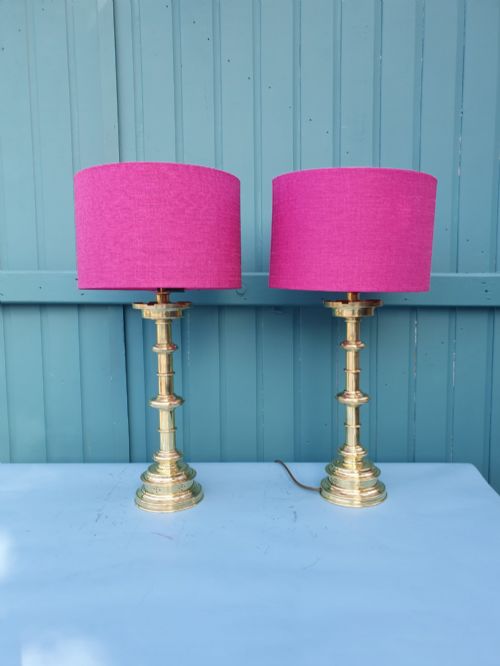
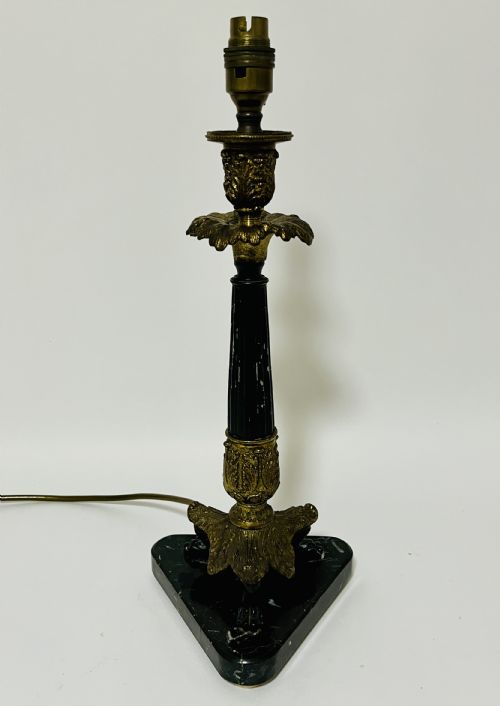
Makers utilised cast and spun brass, frequently combining the bright metal with patinated bronze, gilt ormolu, and occasionally marble or mahogany sections. Columns are often heavy-gauge brass tubes supporting detailed cast capitals, while bases rely on weighted iron or lead inserts to maintain balance.
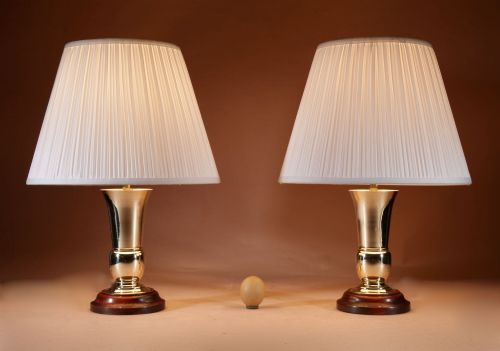
Surface treatments range from polished brass to patinated and bronzed finishes, sometimes accented with opaline glass reservoirs or fabric shades in silk. Adjustment mechanisms rely on sliding internal brass stems and thumbscrews to alter height and reach.
Brass Column Reading Lamp Retail Price Guide 2026
Typical asking prices for brass column reading lamp among the pieces listed under this phrase on Sellingantiques today, from the lower quarter to the upper quarter. They describe what is for sale here now, not the wider market.
Craftsmanship and Proportion
Quality rests in the crispness of the cast detailing on the capital and the substantial weight of the base casting. Finer examples display precise fluting, well-defined acanthus leaves, and thick-gauge metal that resists flexing during height adjustments.
Proportion and scale dictate the visual hierarchy of the piece, with superior models exhibiting balanced column diameters relative to their height. The integration of mechanical parts, such as articulated arms or sliding stems, reveals the precision of the original engineering.
JOSEPH HINKS
The Brass Column Reading Lamp Glossary
- Corinthian capital
- The uppermost decorative portion of a column featuring carved acanthus leaves and scrolls. This classical order remains the most frequent decorative choice for standard lamps.
- Ormolu
- Finely ground high-carat gold mercury-gilded onto a bronze or brass base. It provides a rich, warm metallic lustre on French revival pieces.
- Reeded column
- A shaft decorated with parallel convex roundings running vertically along the length. This technique adds texture and catches ambient light.
- Opaline glass
- A milky, translucent white glass frequently utilised for nineteenth-century oil lamp reservoirs. It softens the light source before electricity became standard.
- Standard lamp
- A tall freestanding floor lamp designed to illuminate a room or workspace from standing height. These pieces often feature heavy weighted bases for stability.
Brass Column Reading Lamp: Frequently Asked Questions
How do I date a brass column lamp?
Dating relies on stylistic cues, manufacturing techniques, and the presence of original oil burner mechanisms. Victorian and Edwardian pieces often display registration marks or maker stamps on the brass thumb turns.
Heavier cast bronze elements and Neoclassical proportions typically point to the late nineteenth century, while lighter spun brass components suggest early twentieth-century production.
Were these lamps originally electric?
Most nineteenth-century examples began life as oil or paraffin lamps before later conversion to run on mains electricity. Burner galleries were replaced with lamp holders during these updates.
Traces of the original conversion work often remain visible inside the central column or around the original fuel reservoir collar.
How do I adjust the height?
Many standard and table models incorporate a sliding central stem secured by a side thumbscrew. Loosening this screw allows the upper column to rise or descend.
Care must be taken to support the weight of the fitting while adjusting the height to prevent strain on internal wiring.
What maintenance does brass require?
Regular dusting with a soft dry cloth prevents the accumulation of grime in the intricate recesses of the column capital. Avoid harsh chemical cleaners that strip historical patina.
Leaving the natural aged surface intact preserves the character developed over more than a century of domestic use.