

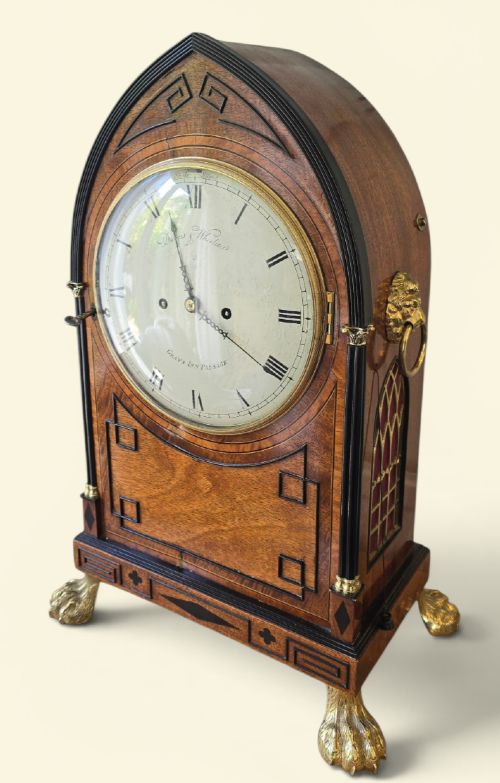


Brass Claw Feet Table
A brass claw feet table brings substantial presence to a room, offering sturdy support paired with fine secondary woods and polished metal mounts.
What these pieces are
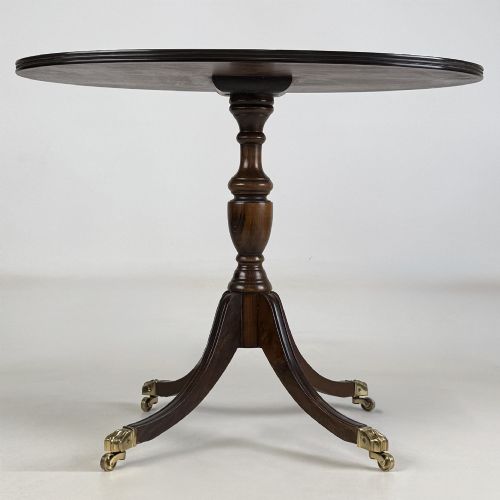
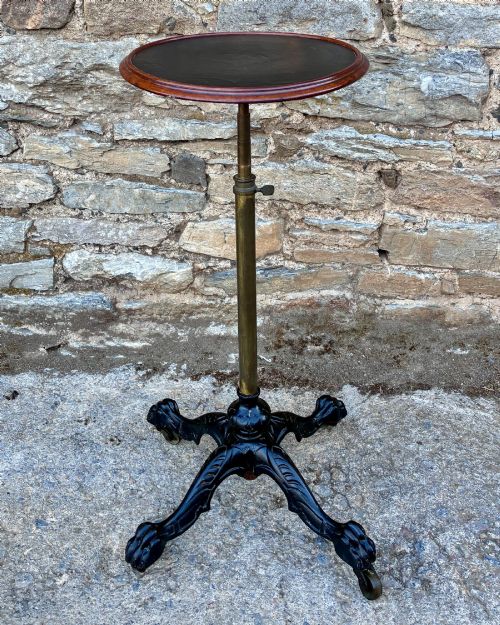
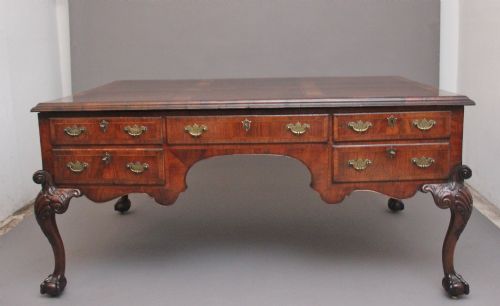
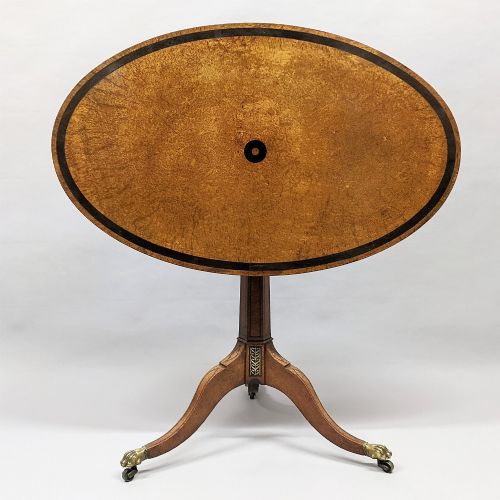
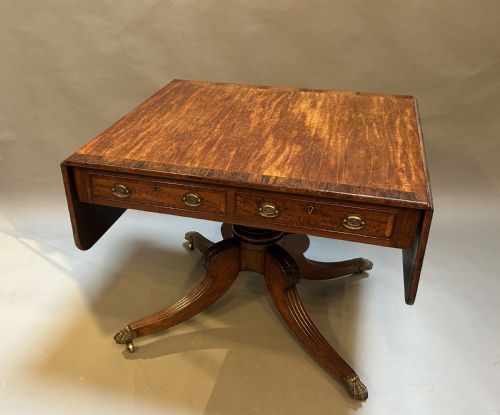
A brass claw feet table comprises various freestanding wooden and occasional formats, ranging from Regency period amboyna tilt-top examples to Victorian lamp tables and George IV sofa tables. Buyers exploring this phrase find an array of utilitarian and decorative forms, predominantly driven by 19th Century, Regency, and Georgian outputs alongside later revival pieces.
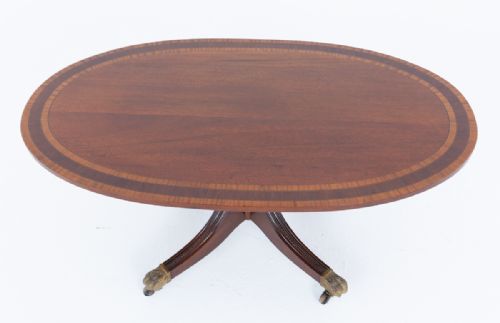
The assortment on this page most frequently highlights occasional tables, coffee tables, and breakfast tables, often incorporating pedestal supports or drop-leaf configurations. Mahogany and satinwood frequently form the primary surfaces, while specific iterations utilise amboyna, ebony, and marble tops to achieve distinct visual character.
Stylistic influences span George III, Sheraton Revival, and Grand Regency iterations, demonstrating how domestic furniture evolved through distinct periods. These furnishings typically function as centre tables, tea tables, or card tables, each retaining the characteristic metal feet that define the category.
How they were made
Construction relies heavily on dense timbers such as mahogany and satinwood, frequently paired with decorative veneers like amboyna and ebony. Cabinetmakers employed solid wood framing alongside stable secondary timbers to support heavy marble inserts or expansive tilt-top surfaces.
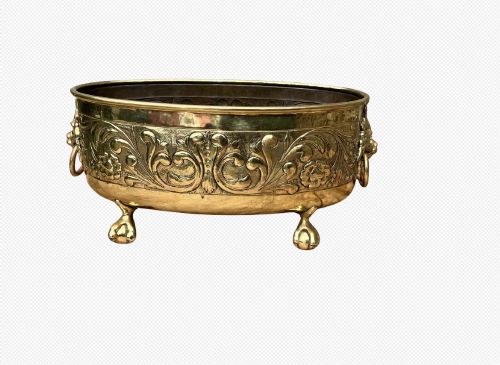
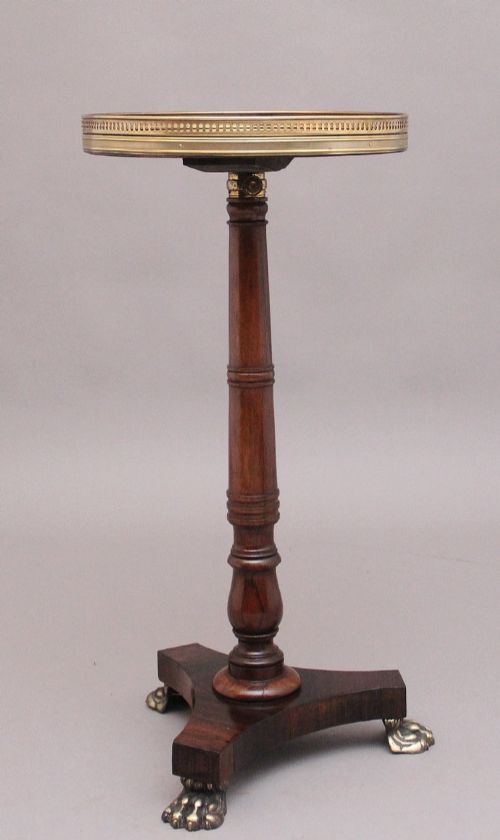
Metalwork integration defines the group, with cast brass claw feet attached directly to pedestals or wooden legs. Additional decorative techniques include brass inlay set into rosewood surfaces and intricate grain matching across oval and rectangular tabletops.
Retail Price Guide 2026
Typical UK retail prices for brass claw feet table, calculated from the Sellingantiques database of over a million retail prices indexed since 2003. This retail price guide relies exclusively on Sellingantiques data; no external sources or auction records are used, so the figures do not describe the wider market.
Materials recorded across current inventory include marble, mahogany, amboyna, satinwood, ebony, ebonised wood, and brass.
What varies in quality
The refinement of the casting in the brass feet dictates the initial visual impression, separating crisp, detailed claw work from softer, mass-produced alternatives. Superior examples also demonstrate meticulous timber selection, using choice amboyna, rosewood, or figured mahogany veneers that wrap harmoniously around the frame.
Structural integrity and the precision of mechanical elements, such as tilt mechanisms in breakfast tables or pivoting leaves on card tables, determine operational success. High-tier pieces maintain original joinery and uncompromised inlay work, whereas lesser examples show heavier interventions or simpler secondary framing.
The Brass Claw Feet Table Glossary
- Tilt Top Table
- A table featuring a hinged top that folds vertically when not in use to save space. This mechanism allowed furniture to sit against walls in period interiors.
- Pedestal Work Table
- A compact freestanding piece designed for needlework and small domestic tasks, usually fitted with a central column support. These often include internal compartments or fabric bags.
- Pembroke Table
- A small occasional table featuring two hinged drop leaves on opposing sides. It provides adaptable surface area while remaining compact.
- Sofa Table
- A long, narrow table traditionally positioned in front of or behind a sofa. These often include small drawers and double-pedestal or trestle bases.
- Amboyna
- A highly prized exotic wood known for its rich, speckled curl figure and warm golden-brown colour. Cabinetmakers utilised it as a premium veneer on Regency and Georgian luxury pieces.
Frequently Asked Questions
What periods do these tables span?
The listings encompass items originating from the 18th Century and 19th Century, alongside Georgian, Regency, and Victorian eras. Later revival pieces from around 1920 also appear.
These dates reflect both original period manufacture and subsequent revival movements that emulated earlier designs.
Which wood types are most common?
Mahogany forms the primary structural and surface material across the majority of pieces. Satinwood, amboyna, ebony, and rosewood also feature prominently as veneers and inlay elements.
Marble occasionally appears on lamp tables, paired with timber frames and brass mounts.
How were these tables used originally?
They served diverse domestic functions, operating as tea tables, card tables, breakfast tables, and small writing or work surfaces. Certain formats accommodated sewing equipment or functioned as central decorative accents in country house rooms.
Their mobility allowed owners to rearrange sitting spaces easily.
How do I identify a Regency period piece?
Regency items often incorporate specific stylistic markers such as brass inlay, rosewood or amboyna veneers, and formal pedestal supports. The presence of classical motifs and precise brass claw feet helps distinguish this era from later Victorian or Edwardian revivals.
Construction methods and timber choices further clarify the date.