


Brass Ceramic Table Lamp
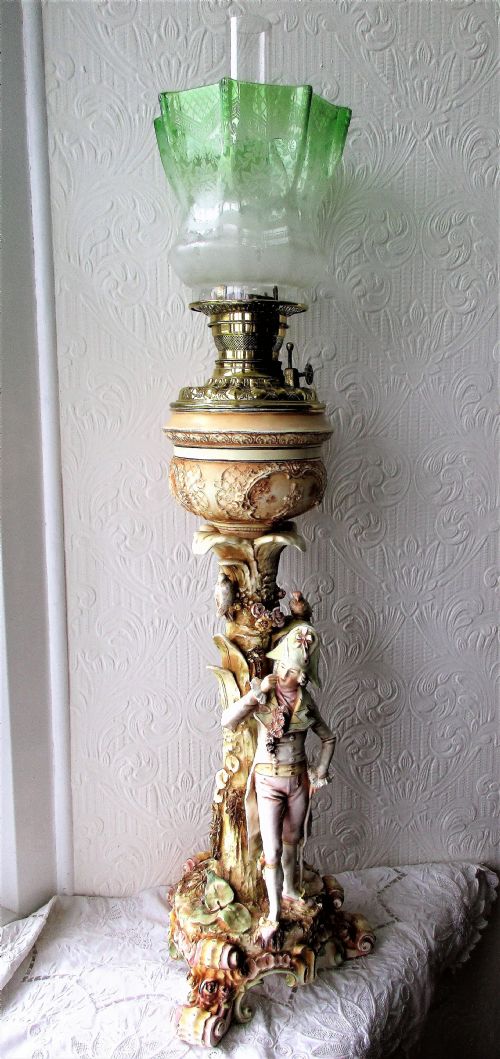
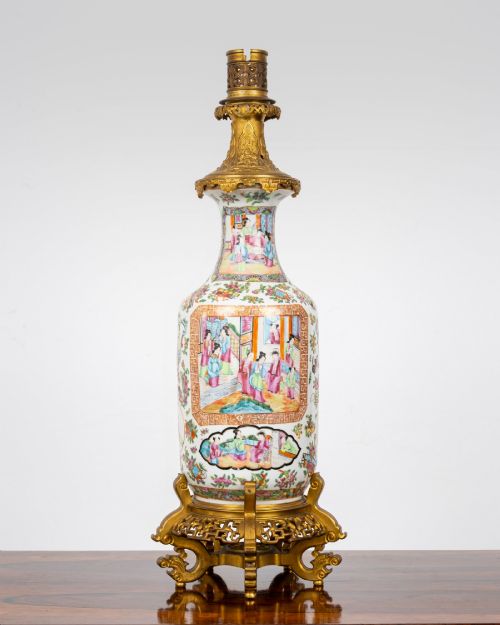
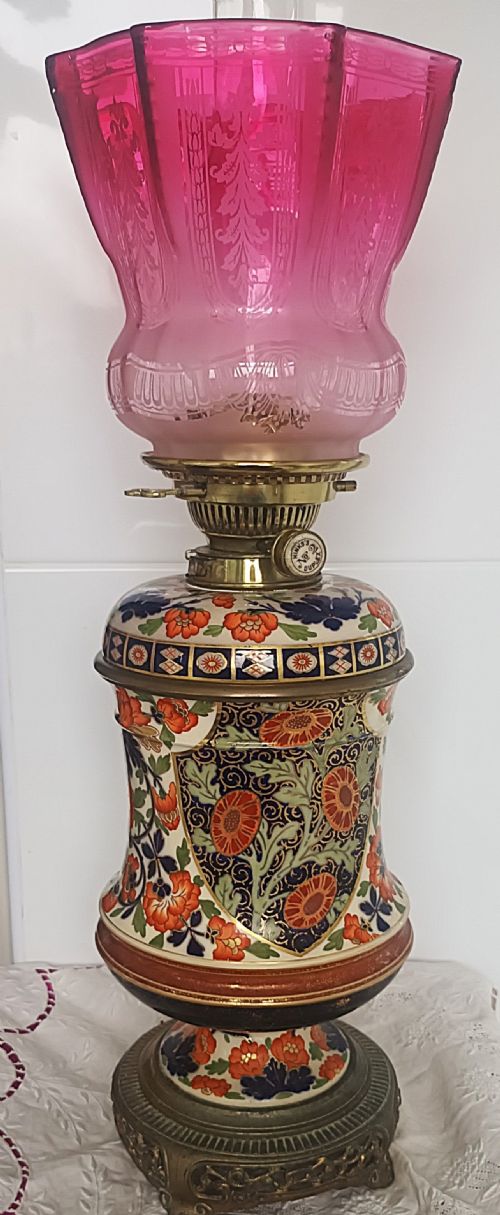
A brass ceramic table lamp combines metal mounts with porcelain or earthenware bodies, offering weight and decorative presence.
Brass Ceramic Table Lamp
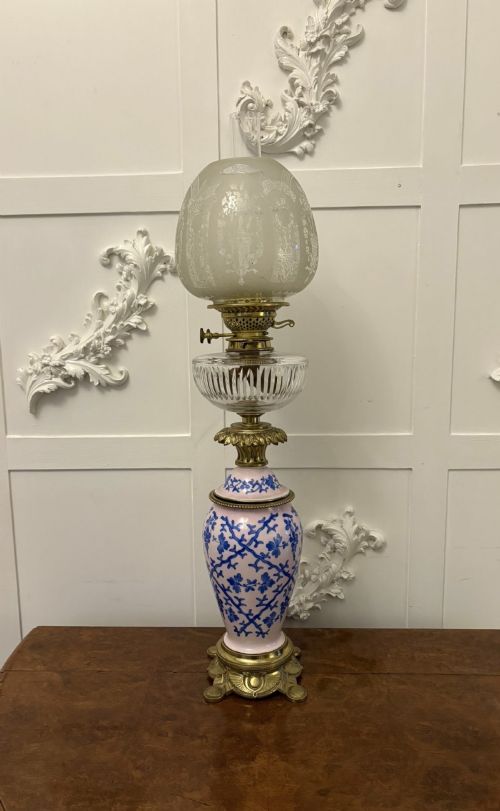
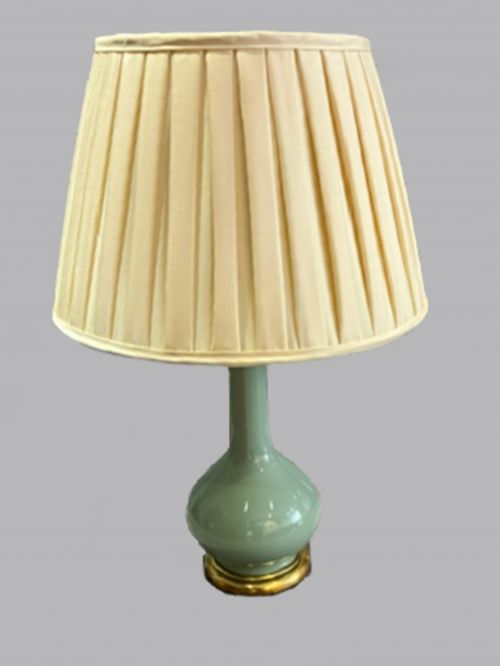
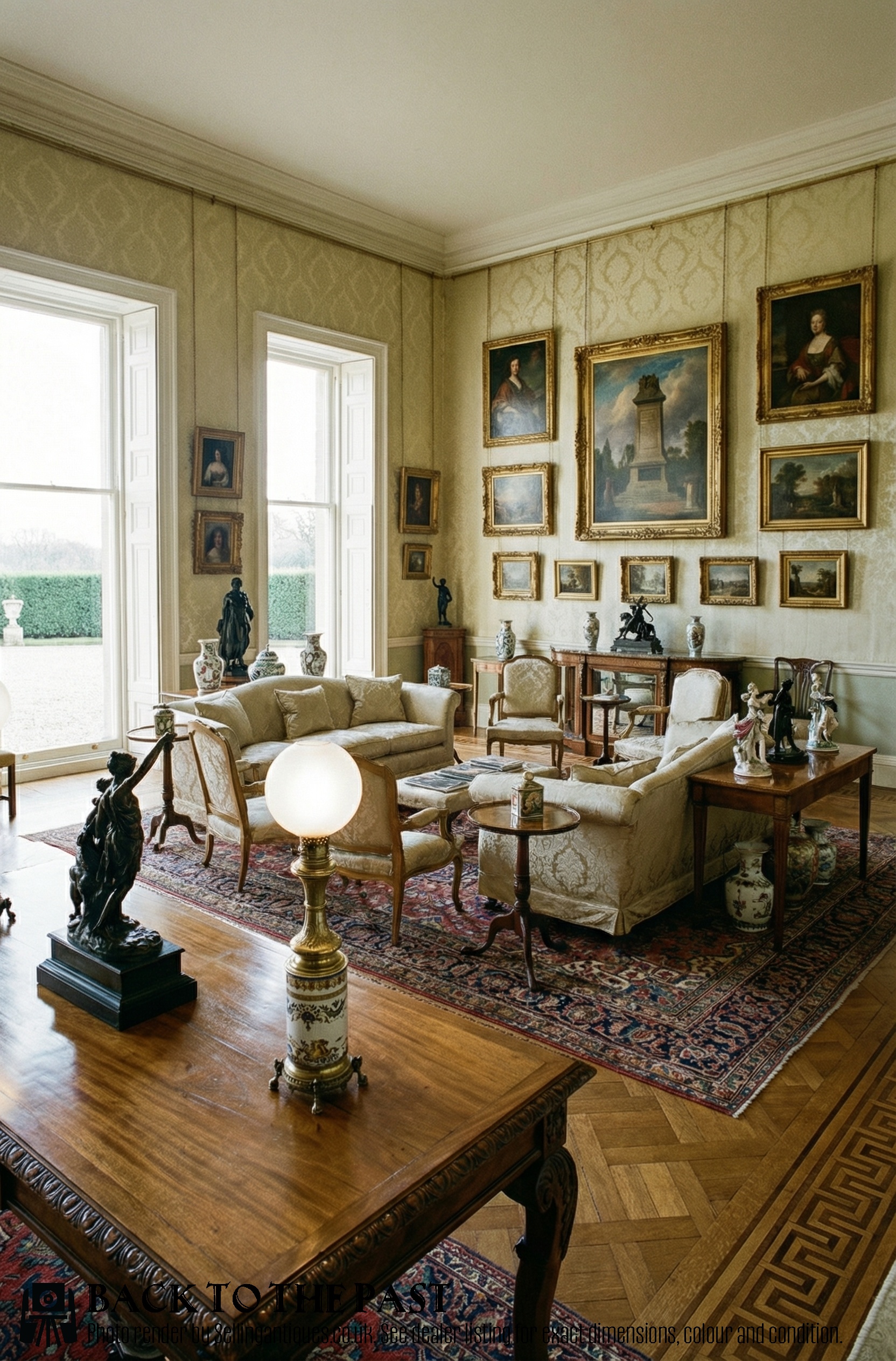
A brass ceramic table lamp merges metallic bases and mountings with ceramic bodies, frequently originating as converted oil lamps, vases, or ginger jars. These items draw from nineteenth-century Victorian and Edwardian periods, alongside eighteenth-century Dutch Delft and Chinese export traditions.
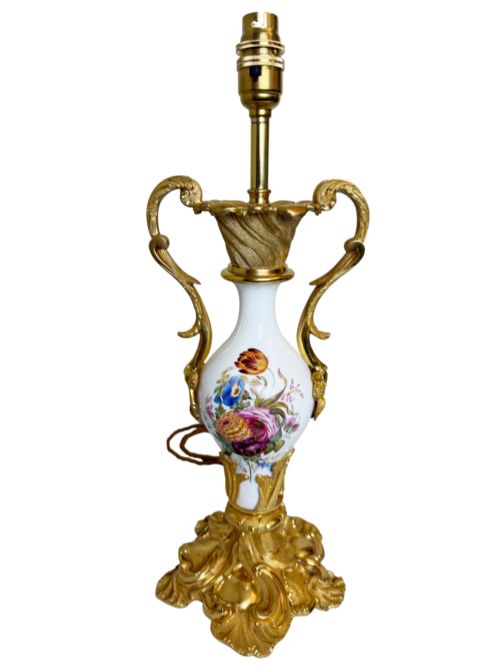
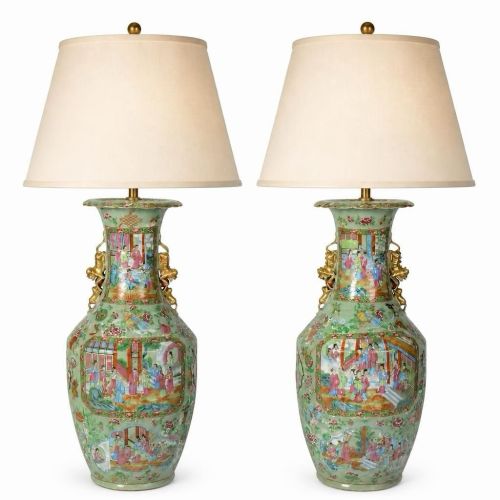
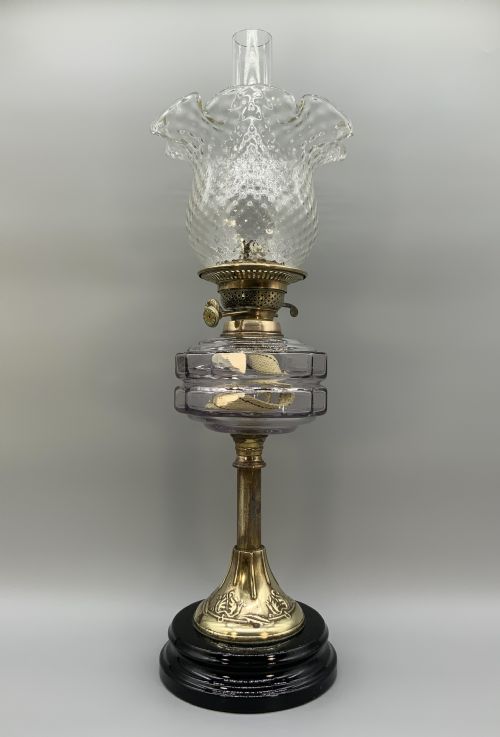
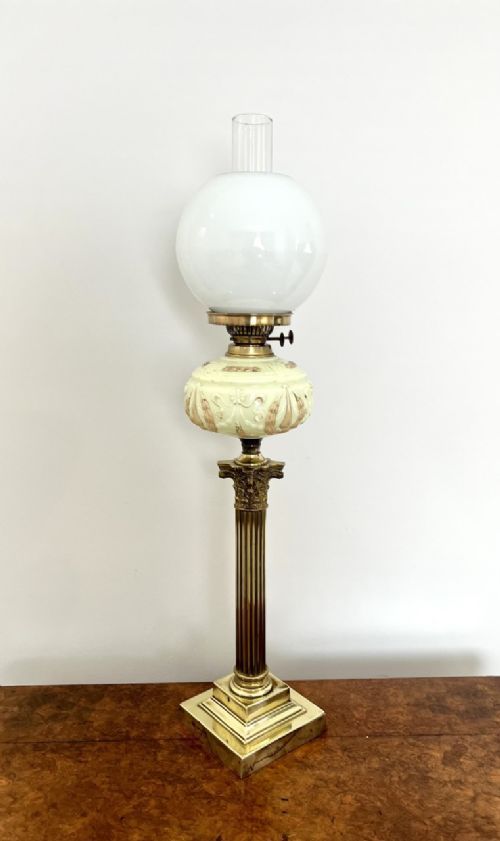
The form ranges from substantial Victorian oil lamps with brass columns and ceramic fonts to converted Oriental vases mounted in gilt bronze. Buyers encounter both single examples and matched pairs suited for lighting living spaces or sideboards.
How they were made
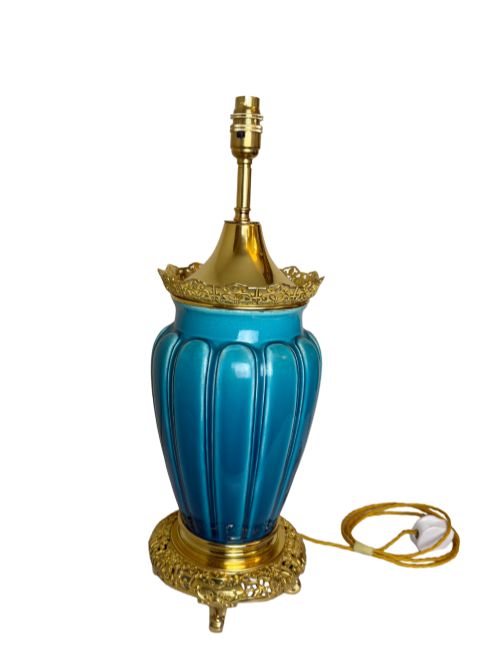
Maker workshops utilised cast brass and gilt bronze to construct structural columns, claw feet, and decorative mounts that secure the ceramic elements. Metal components often feature chased or floral designs intended to complement the glazed bodies.
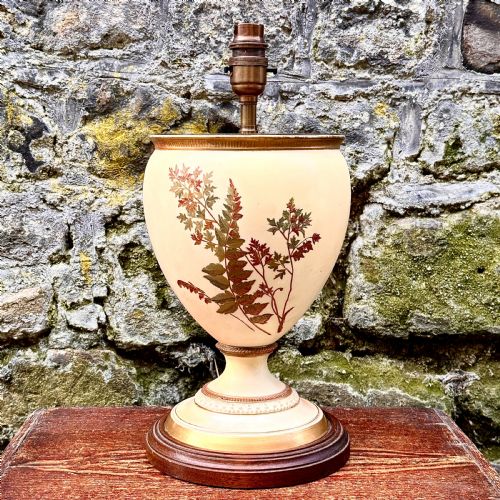
Ceramic bodies incorporate hand-painted porcelain, earthenware, or stoneware, frequently fired with celadon, blue and white, or famille rose glazes. Many pieces originated as functional vessels or oil lamps before later conversion for electrical use.
Materials recorded across the inventory include cast brass, gilt bronze, porcelain, earthenware, and hand-blown glass.
What varies in quality
The refinement of the casting in the brass mounts and the artistic execution of the hand-painted ceramic body define the upper tier of pieces. Makers known for superior pottery or metalwork, such as Royal Worcester or Hinks, display greater precision in assembly and ornamentation.
Proportion and the integrity of the original pairing between the metal elements and the ceramic vessel dictate the overall success of the piece. Superior examples retain matching components and crisp surface detail across both the metal and the glaze.
Hinks and Taylor Tunnicliff·Royal Worcester·Sitzendorf·Royal Doulton·Gien·Faraday and Sons·C Winn
The Brass Ceramic Table Lamp Glossary
- Ormolu
- Gilded bronze mounts applied to furniture and ceramic objects, offering a bright metallic contrast to the glazed body below. This technique was frequently utilised on nineteenth-century French and English decorative lamps.
- Famille Verte
- A Chinese porcelain palette dominated by green enamel overglaze colours, commonly found on vases converted into lighting. It developed during the Qing dynasty and inspired later European revival styles.
- Celadon
- A pale green jade-like glaze applied to stoneware or porcelain, valued for its subtle colour and smooth finish. It appears frequently on nineteenth-century adaptations of Asian ceramics.
- Ginger jar
- A wide-mouthed storage vessel of Chinese origin, frequently fitted with electrical hardware to serve as a table lamp body. These jars often display blue and white or polychrome painted decoration.
- Font
- The reservoir section of an oil lamp, usually fashioned from ceramic or glass to hold fuel above the metal base. In converted pieces, this part now houses the electrical fitting.
Brass Ceramic Table Lamp: Frequently Asked Questions
How do I date a brass ceramic table lamp?
Dating relies on stylistic markers within the brass casting, the type of ceramic glaze, and manufacturing methods. Victorian and Edwardian examples often show registration marks or specific burner mechanisms.
Archival details and pottery marks help narrow the decade of production. Examining the wiring and interior construction reveals whether a piece started as an oil lamp or a vase.
Were these always electric lamps?
Many examples began life as nineteenth-century oil lamps or as earlier Asian and European ceramic vases. Conversion to electricity typically occurred during the twentieth century.
Original oil lamp components like burners and fonts are frequently adapted to house lamp holders. This conversion preserves the decorative body while updating the object for modern domestic use.
How should I clean the brass parts?
Brass mounts require gentle dusting with a soft cloth to maintain their aged patina. Avoid harsh chemical polishes that strip away historical surface character.
For ceramic sections, use a damp cloth without abrasive detergents. Care must be taken around hand-painted glazes and electrical fittings.
What is a converted vase lamp?
A converted vase lamp is an antique ceramic vessel, such as a ginger jar or Delft vase, fitted with a brass base and electrical hardware. This practice repurposes decorative porcelain for modern interiors.
These pieces retain their original hand-painted glazes and forms while serving a new functional role. The mounting is typically designed to avoid damaging the underlying ceramic body.