


Antique White Ceramic Lamp
An antique white ceramic lamp brings the quiet weight of centuries past into a room, offering both soft illumination and sculptural presence.
Antique White Ceramic Lamp
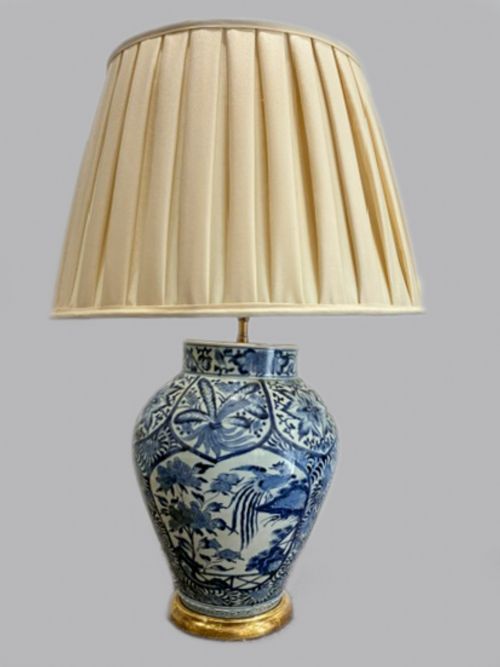
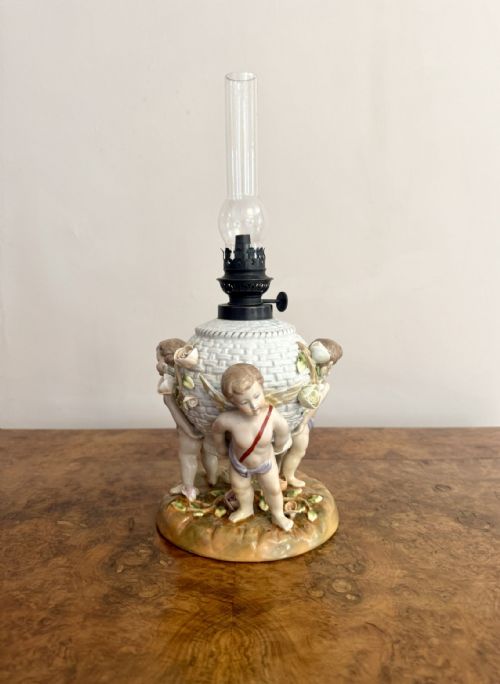
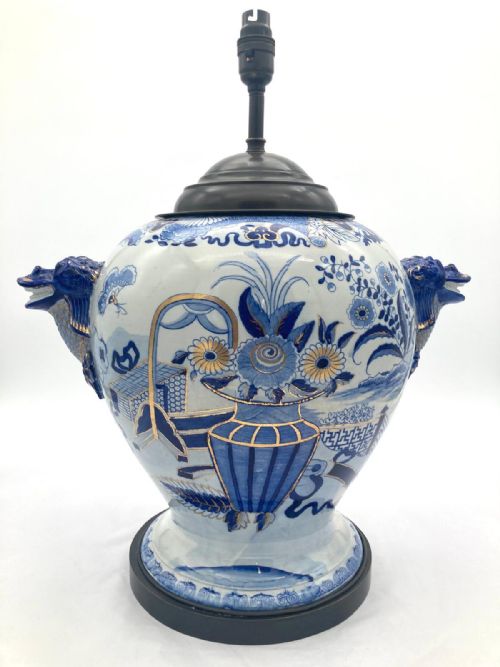
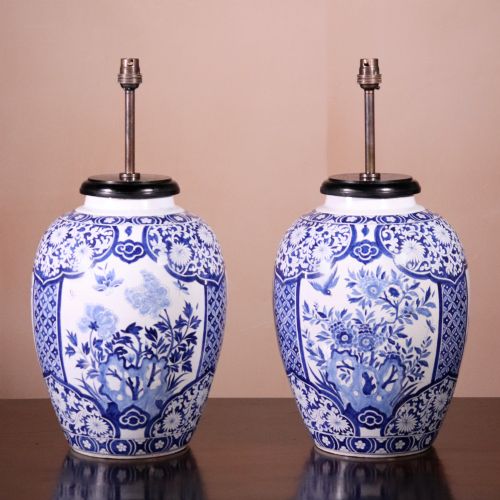
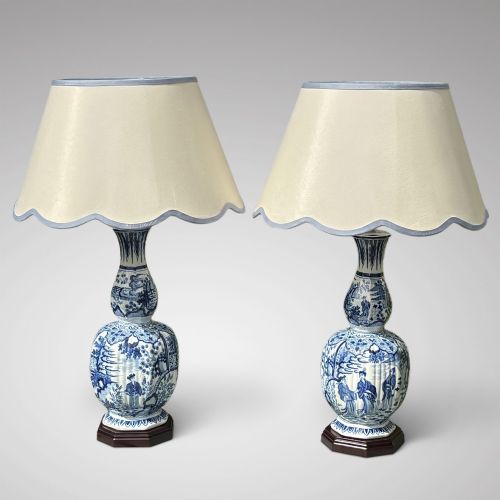
When you search for an antique white ceramic lamp, you encounter pieces that have lived previous lives as vessels, jars, or vases before conversion into lighting. The selection on this page draws heavily from converted Chinese porcelain and Dutch Delftware jars, alongside European porcelain figures and earthenware bodies.
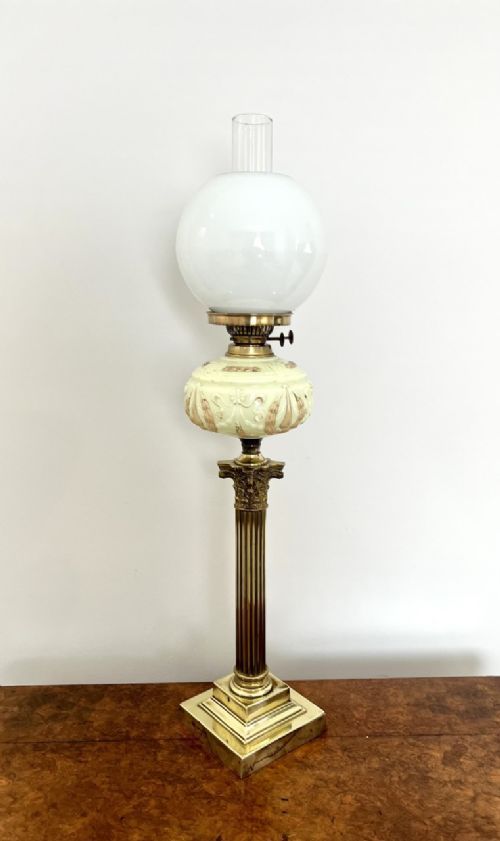
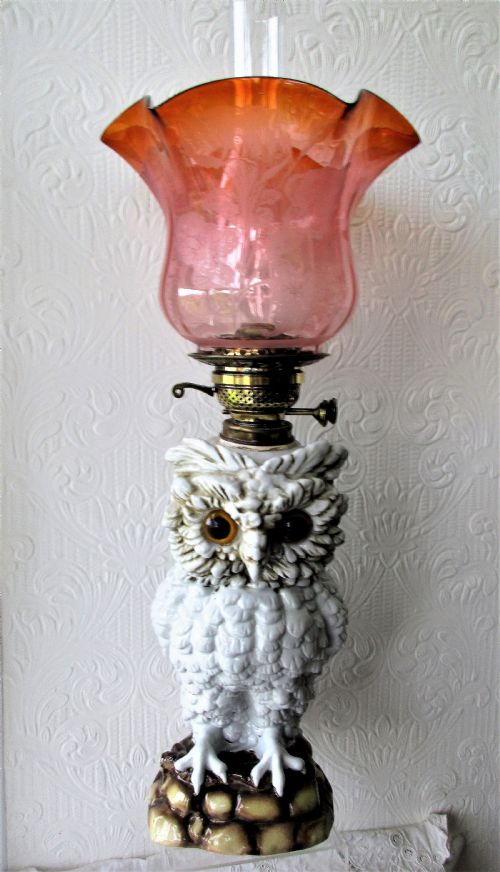
The forms span centuries, moving from late seventeenth-century Japanese vases to nineteenth-century Victorian oil lamps and twentieth-century art deco porcelain. Many examples pair crisp white or blue-and-white ceramic bodies with brass, bronze, or gilt mounts, merging utilitarian purpose with decorative art.
How They Were Made
Makers shaped these lamps from ceramic, porcelain, and earthenware, often applying hand-painted glazes in blue and white or leaving the white body unglazed in blanc de chine styles. Craftspeople frequently mounted these fragile ceramic bodies onto sturdy brass, wood, or glass bases to ensure stability.
Many of these lamps began as traditional vases or ginger jars, subsequently drilled and fitted for electricity or adapted from earlier oil lamp configurations. Metal fittings such as ormolu and gilt bronze mounts were cast and attached to complement the contours of the ceramic underneath.
Periods represented range from the seventeenth century through to the art deco era.
What Varies In Quality
The distinction between average and exceptional pieces lies in the crispness of the ceramic moulding and the fineness of the hand-painted detail on the body. Superior examples maintain the structural integrity of the original vessel without compromising its decorative harmony.
Quality also rests in the compatibility of the converted mounts, where heavy brass, ormolu, or gilt bronze frames feel integrated rather than bolted on as an afterthought. The balance between the ceramic vessel and its base dictates how successfully the piece holds a room.
Sitzendorf·Hicks and Meigh·Ernst Bohne and Sohn·Gien
The Antique White Ceramic Lamp Glossary
- Blanc de Chine
- A type of white porcelain made in Dehua, China, prized for its milky ivory glaze and smooth texture.
- Ginger Jar
- A broad-shouldered ceramic storage vessel with a high dome lid, frequently converted into a table lamp.
- Ormolu
- Gilt bronze mounted onto decorative objects, providing a rich golden contrast to porcelain bodies.
- Delftware
- Tin-glazed earthenware originating from the Netherlands, known for its distinct white surface and blue painted decoration.
- Pâte-sur-Pâte
- A porcelain decoration technique where wet white slip is built up in layers on a darker or contrasting clay body to create a low relief cameo effect.
Antique White Ceramic Lamp: Frequently Asked Questions
How do I clean an antique ceramic lamp?
Dust the ceramic body gently with a dry, soft microfiber cloth to prevent any buildup of grime.
Avoid using harsh chemical cleaners or submerging the lamp in water, particularly around wired components and vintage mounts.
Were all these lamps originally made for electricity?
Most of these ceramic pieces started life as vases, ginger jars, or oil lamps before later conversion into electric table lamps.
This adaptation process typically involved drilling the base and fitting internal wiring alongside compatible bulb holders.
How do I match a shade to an antique base?
Select a fabric shade, such as silk, that balances the weight and scale of the ceramic body without overwhelming it.
Neutral or muted tones generally allow the hand-painted details and white glaze of the antique base to remain the focal point.
How can I tell Delftware from Chinese porcelain?
Delftware employs a tin glaze over an earthenware body, which tends to feel slightly softer and thicker than porcelain.
Chinese porcelain uses a hard-paste clay body that rings when tapped lightly and displays a more translucent quality under bright light.