


Brass Candlestick Lighting
Brass candlestick lighting brings warmth and architectural weight to a room, offering both functional illumination and sculptural presence.
Brass Candlestick Lighting
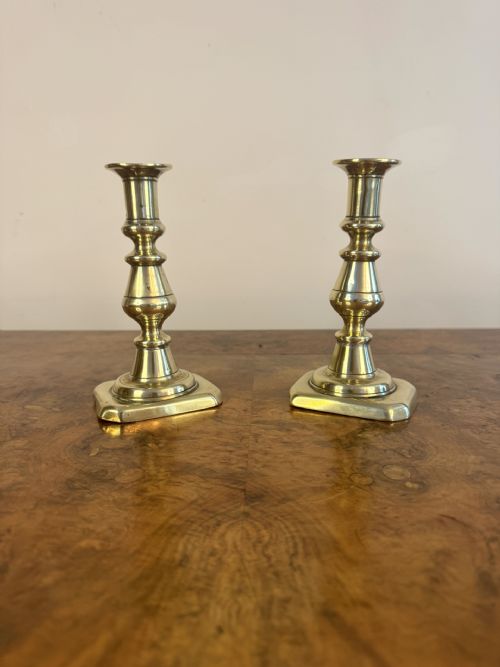
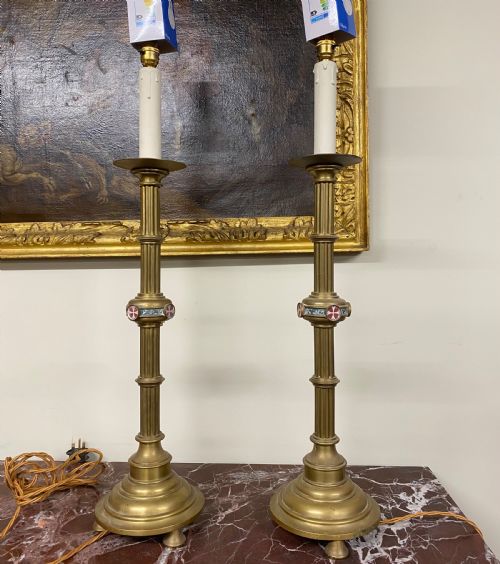
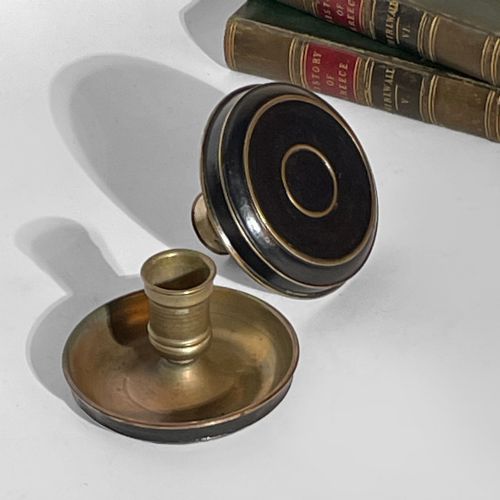
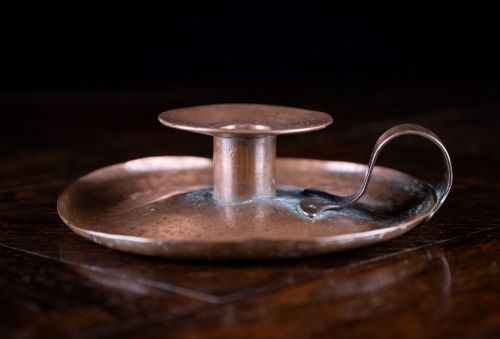
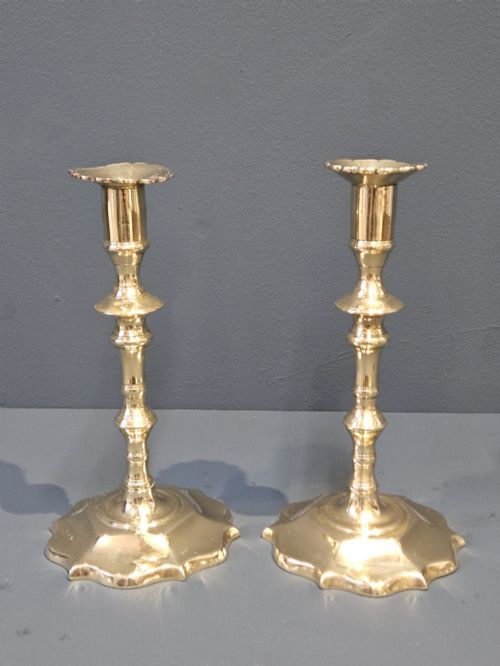
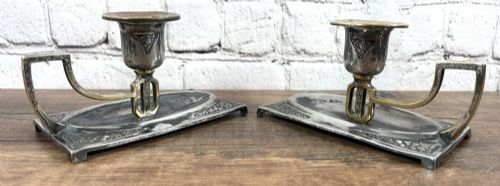
Brass candlestick lighting encompasses a broad range of forms designed to hold candles or direct illumination from fitted lamps. Buyers seeking this category encounter items ranging from simple domestic holders to grand church prickets and converted table lamps.
The selection on this page draws heavily from nineteenth-century production, alongside eighteenth-century examples and early twentieth-century interpretations. Victorian and Edwardian pieces dominate the domestic offerings alongside continental revival styles.
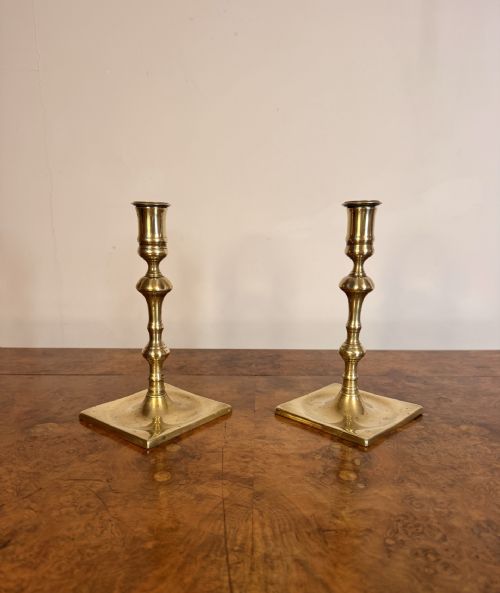
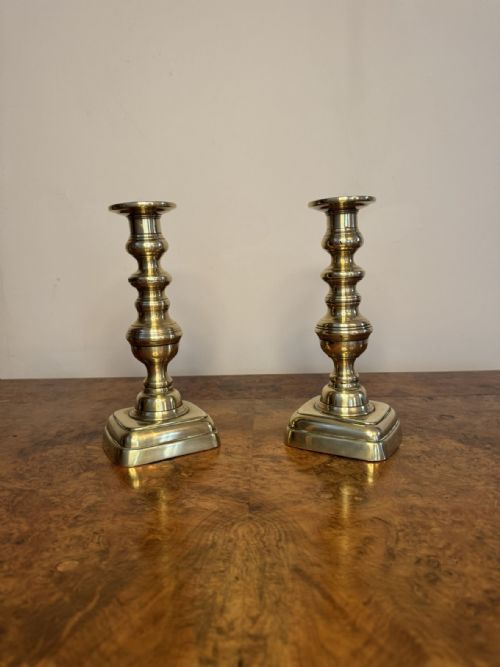
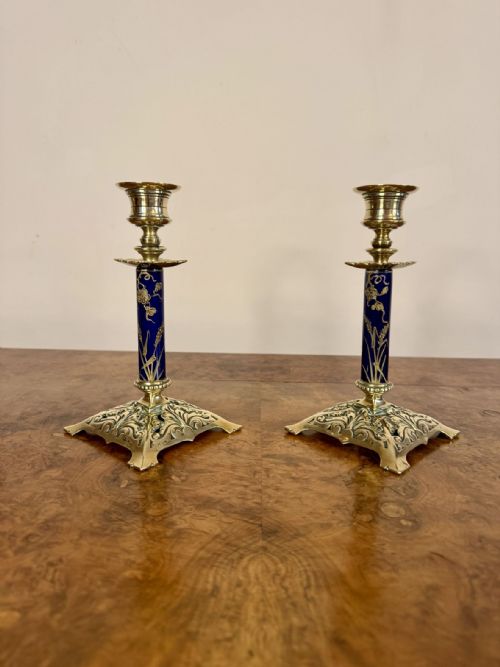
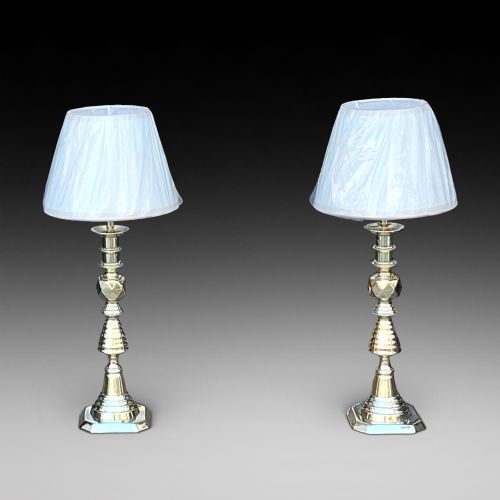
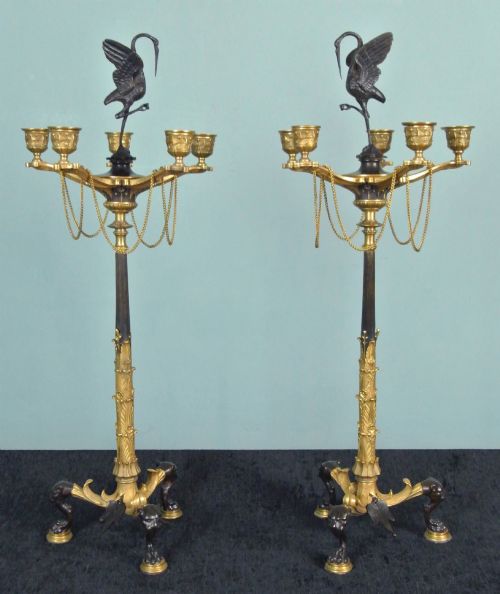
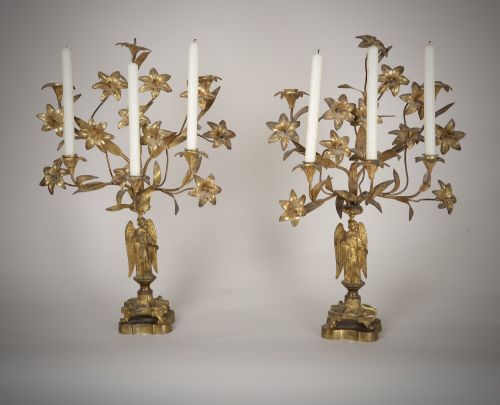
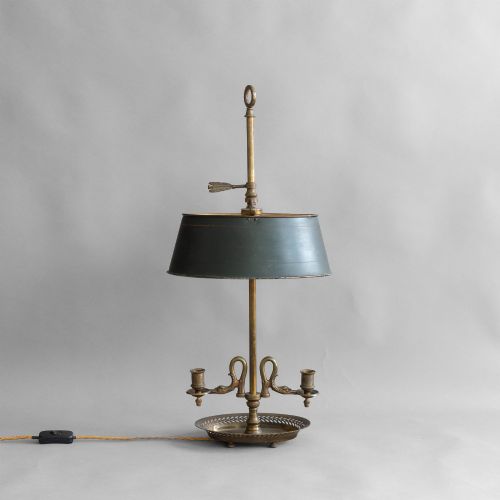
Objects appear in various configurations, including pairs of slender sticks, multi-branch candelabra, and specialised student lights. Many items bridge the transition from wax illumination to electric lighting through period or later conversions.
Materials and Methods
Manufacturing methods rely heavily on casting techniques, producing substantial pieces in cast brass, gilt bronze, and ormolu. Heavier examples often utilise seamed construction or multi-part assembly joined securely at the base and stem.
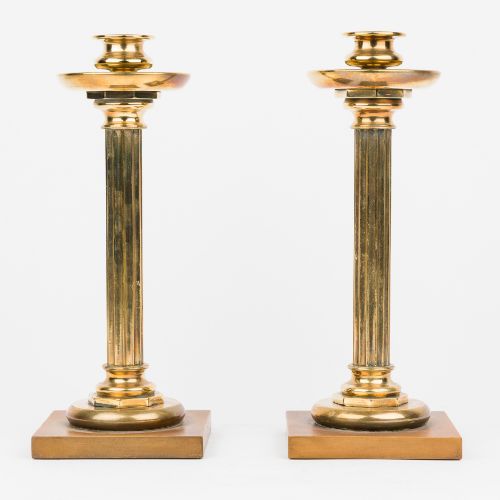
Surface treatments vary from polished finishes to patinated surfaces that reflect the age of the metal. Associated elements occasionally incorporate subsidiary materials such as mahogany bases, fabric shades, and cut glass components.
Brass Candlestick Lighting Retail Price Guide 2026
Typical asking prices for brass candlestick lighting among the pieces listed under this phrase on Sellingantiques today, from the lower quarter to the upper quarter. They describe what is for sale here now, not the wider market.
Listings feature items spanning from the seventeenth century through to the Art Deco era, encompassing Gothic Revival, French Empire, and Edwardian styles.
Markers of Quality
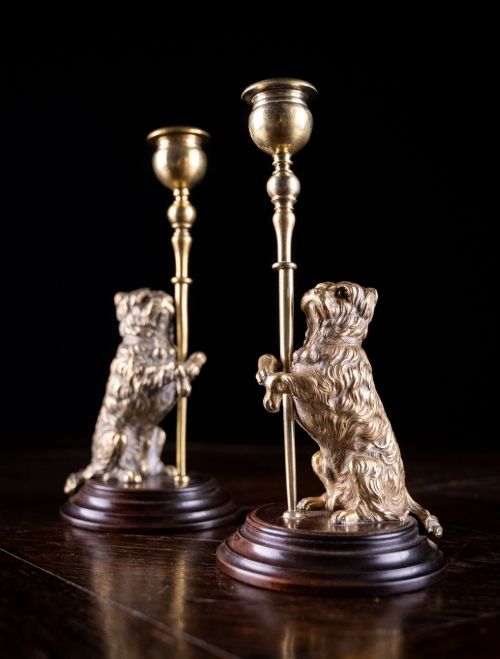
Quality in these pieces is dictated by the crispness of the casting and the weight of the metal used in the construction. Finer examples show sharp detailing in ornamental motifs like foliate scrolls, figural elements, and architectural revival details.
Proportion and balance distinguish superior items, where the stem, sconce, and base form a cohesive architectural unit. The retention of original patination and operational components such as side ejectors further elevates the standing of an individual piece.
Barbedienne·WMF
The Brass Candlestick Lighting Glossary
- Pricket
- A candlestick featuring a sharp central spike designed to impale the base of a large candle rather than a socket to hold it.
- Ejector
- A concealed internal mechanism operated via a side lever that pushes the remaining candle stub up and out of the socket.
- Ormolu
- Gilt bronze ornamentation applied to decorative objects, produced by fusing a mercury and gold amalgam onto a bronze base.
- Campana
- A vase-shaped lighting sconce or cup modelled after classical Roman garden urns.
- Candelabra
- A branched lighting fixture designed to hold multiple candles simultaneously on separate arms.
Brass Candlestick Lighting: Frequently Asked Questions
How do I date an antique brass candlestick?
Dating relies on examining the construction seams, base shape, and manufacturing technology visible on the underside. Earlier pieces often feature heavy cast construction with distinct tool marks, whereas later Victorian examples display more uniform machine finishing.
Style provides another indicator, as Georgian pieces lean toward clean baluster forms while nineteenth-century items frequently adopt Gothic or Rococo revival details.
Were these candlesticks converted to lamps?
Many items listed in this category started life holding wax candles before receiving electrical wiring in the twentieth century or later. Such conversions allow historic metalwork to function safely as modern table lighting.
Buyers often find that converted pieces retain their original sconces and drip pans alongside added wiring components.
How should I clean antique brass?
Maintaining antique brass usually requires nothing more than gentle dusting with a soft dry cloth. Aggressive polishing removes the historic patination that collectors value, so chemical cleaners are best avoided.
If the metal requires light cleaning, mild soapy water dried immediately with a soft cloth will preserve the surface.