


Brass Branch Light
When you search for a brass branch light, you are looking at metal multi-armed fixtures designed to hold lights or candles in domestic spaces.
Brass Branch Light
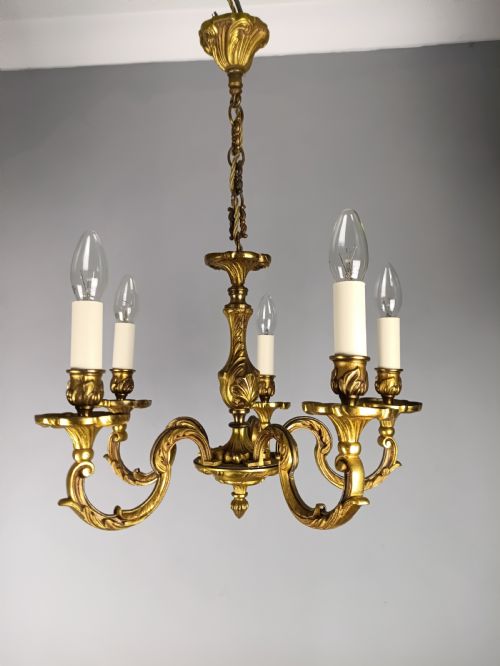
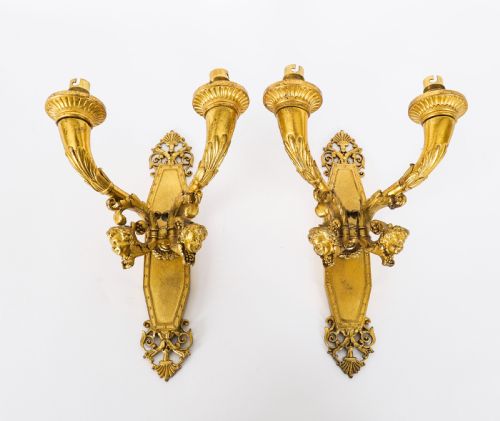
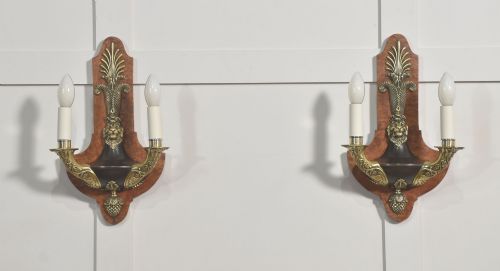
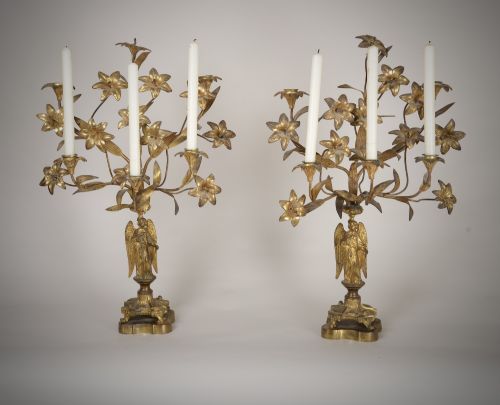
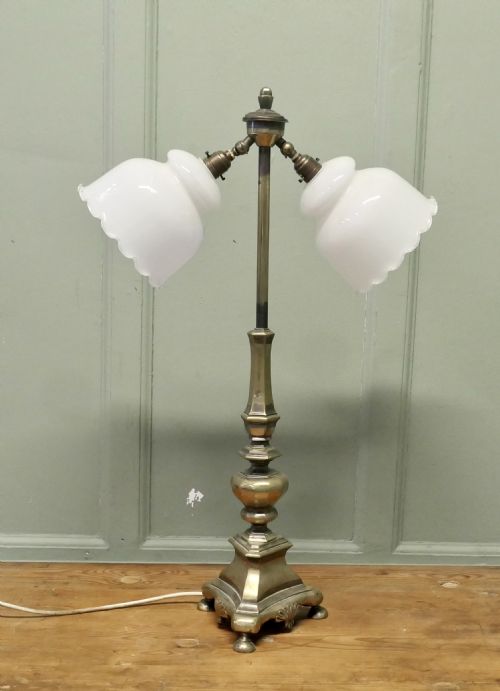
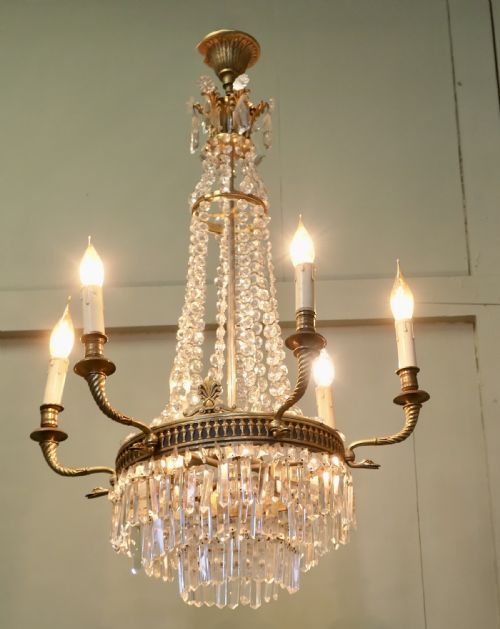
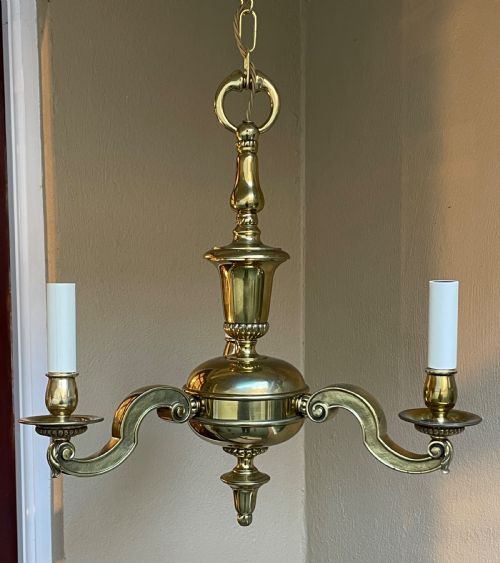
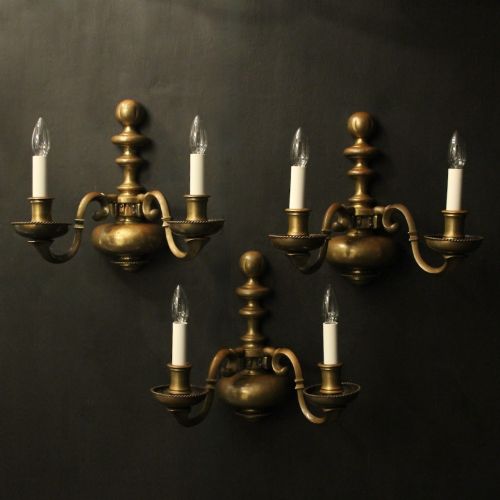
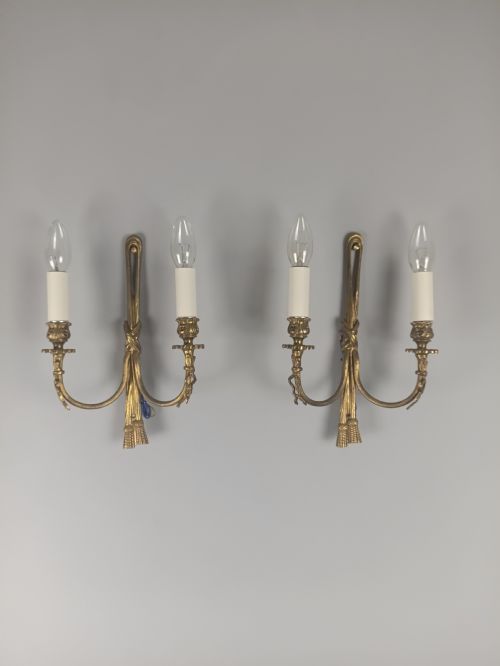
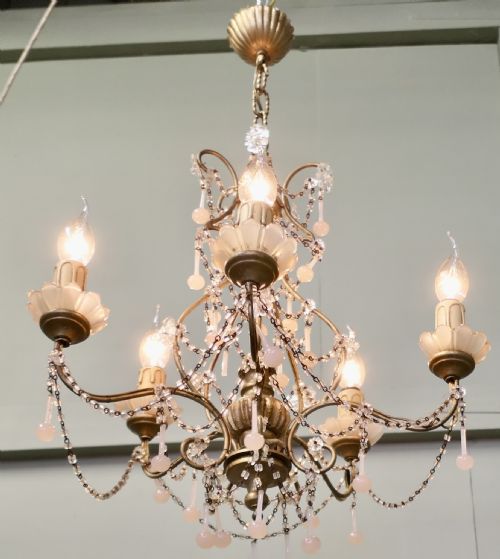
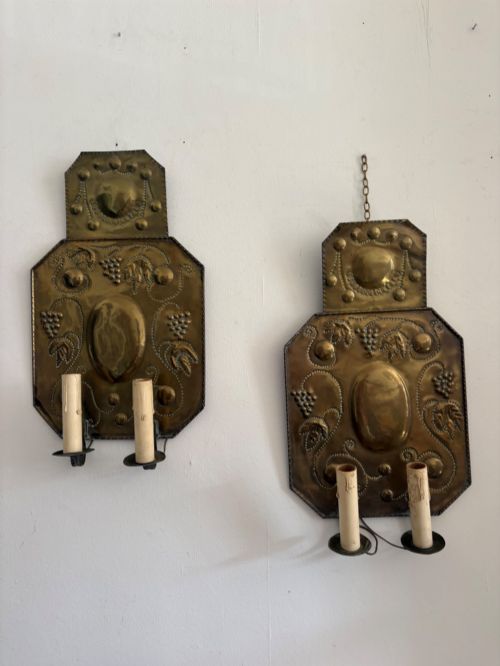
A brass branch light appears in numerous formats across this selection, including multi-armed chandeliers, wall sconces, candelabra and girandoles dating from the nineteenth century into the 1930s. The most common iteration met on this page is the paired wall light or multi-light ceiling chandelier featuring branching arms styled after French revival periods or Edwardian designs.
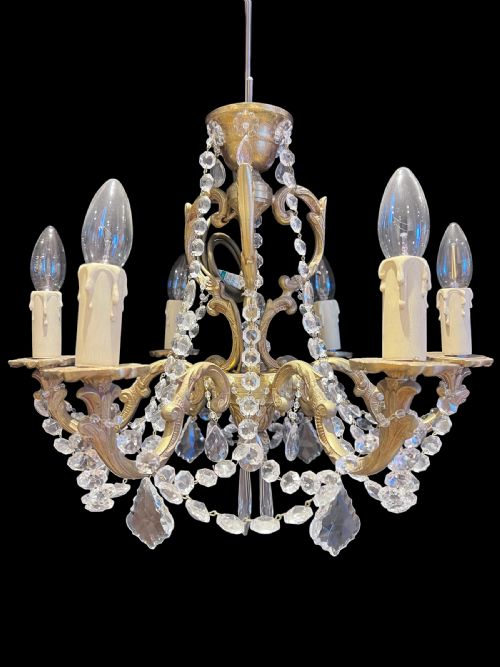
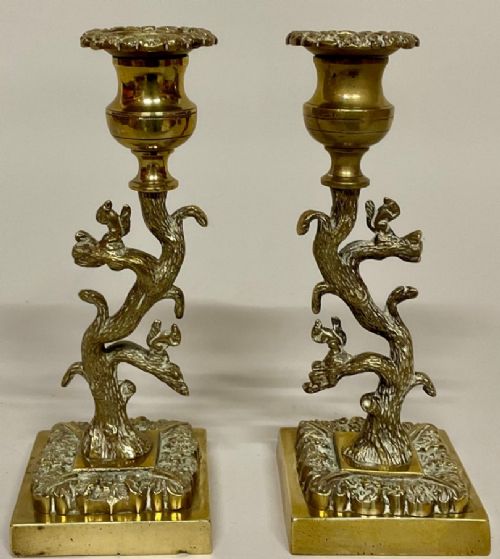
Many examples take direct inspiration from natural or architectural forms, such as candlesticks cast as trees with squirrels amongst the branches or Gothic revival pieces. Others incorporate glass drops, crystal pendants, or vaseline and cranberry shades alongside the metal framework.
Origins span across English, French, Dutch, and Italian workshops, reflecting diverse regional interpretations of Empire, Regency, Rococo, and Chinoiserie aesthetics. These pieces serve functional lighting purposes while functioning as decorative metalwork installations.
How They Were Made
Construction relies heavily on cast brass, ormolu, and gilt bronze, often shaped into branching arm configurations through founding and chasing techniques. Metal components are frequently gilded, silver-plated, or combined with structural steel and copper elements.
Decorative detailing incorporates applied elements such as repousse work, cut glass crystals, marble bases, and moulded art glass shades. Many items integrate electrical conversions alongside original candle sockets, reflecting adaptation over time.
Materials across these listings span solid brass, gilt bronze, ormolu, copper, and crystal, paired with glass shades in vaseline, cranberry, and clear finishes.
What Varies in Quality
The standard of execution depends on the crispness of the casting and the depth of the chasing on the branching metalwork. Pieces originating from prominent French or English ateliers often display finer sculptural details in foliage, cherubs, or animal motifs compared to simpler commercial production.
The inclusion of intact historical elements, such as matched crystal drops, coloured art glass shades, or original mercury gilding, distinguishes more ambitious examples from standard utilitarian fittings.
Wm. Tonks & Sons·F. & C. Osler
The Brass Branch Light Glossary
- Ormolu
- Gilded bronze, where a layer of gold amalgam is applied to a bronze base through heat processing. This technique produces a characteristic warm metallic lustre seen on many nineteenth-century French pieces.
- Girandole
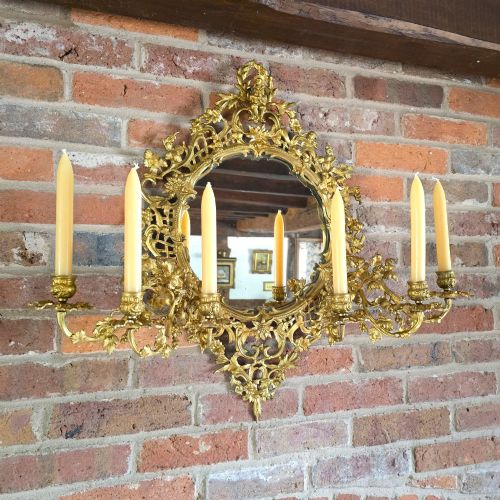
- A decorative wall-mounted candelabrum or light fitting featuring a mirror backplate. The reflective glass surface serves to amplify the illumination from the branching candles.
- Candelabra
- A branched candlestick holder designed to support multiple candles simultaneously. These items range from tabletop sculptural pieces to substantial wall-mounted appliques.
- Repousse
- A metalworking technique where the sheet metal is hammered into relief from the reverse side. Dutch and continental workshops frequently utilised this method to create textured wall sconces.
- Campana
- A bell-shaped urn or socket form frequently found topping candlesticks and lighting arms. It derives its shape from classical antiquity.
Brass Branch Light: Frequently Asked Questions
How do I install a vintage brass wall light?
Most wall fixtures require secure mounting to wall studs or suitable wall anchors to support the weight of the metal and glass components. Professional wiring assessment is recommended for older fixtures to ensure compliance with modern electrical standards.
Were these lights originally electric or candle-lit?
The earlier pieces in this category were designed exclusively for candles or gas lighting, and many have been rewired or adapted for electricity over the course of their history. Converted items retain their original sconces or burners while housing modern internal wiring.
How do I clean gilt bronze and ormolu?
Maintenance requires gentle dusting with a soft dry cloth to prevent the accumulation of grime on the textured surfaces. Agressive chemical cleaning agents or metal polishes should be avoided, as they can strip away the historical gilt layer.
What distinguishes French revival styles from Edwardian pieces?
French revival lighting typically incorporates elaborate Rococo or Empire casting with ornate scrolls, cherubs, and gilt bronze finishes. Edwardian brass lighting tends toward cleaner lines, structural simplicity, and utility-focused designs like newel post lamps.