
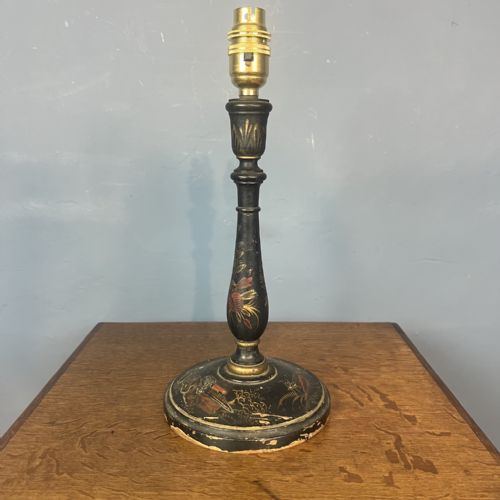


Brass and Lacquer Tables
Brass and lacquer tables bring together bright metallic framing and painted or polished surfaces, offering striking decorative utility for various rooms.
Brass and Lacquer Tables
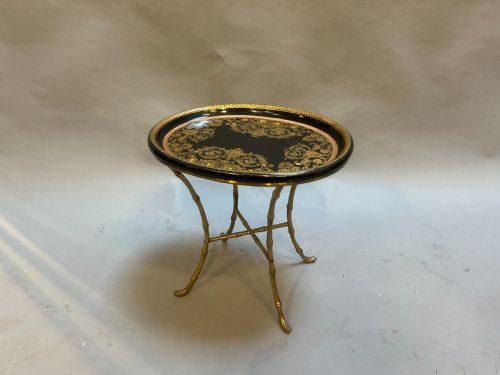
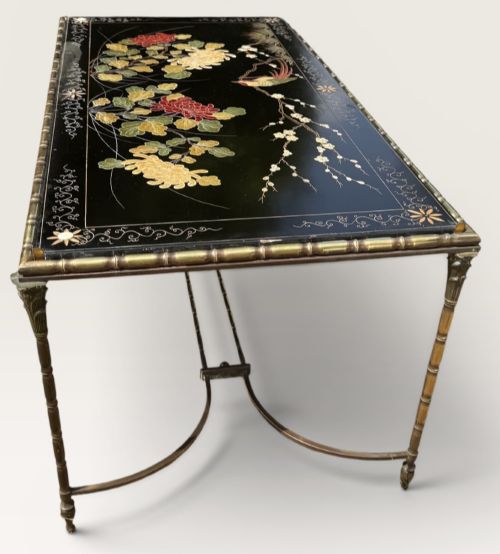
Brass and lacquer tables encompass occasional pieces, coffee tables, etageres, and dressing tables designed with decorative surfaces and metal supports. These items appear across periods spanning the nineteenth century through the mid-twentieth century, drawing on diverse stylistic traditions.
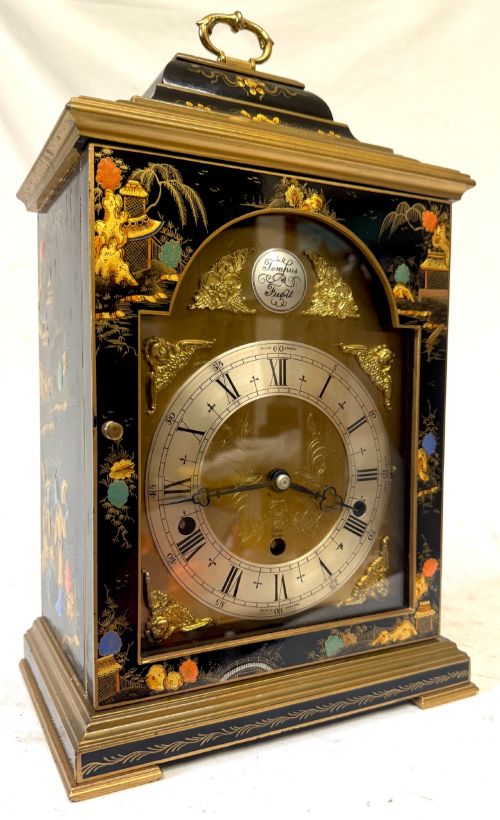
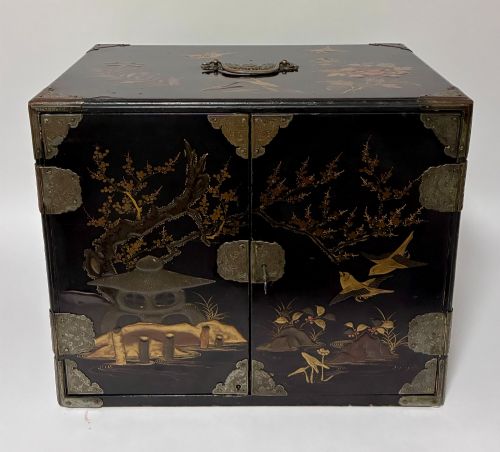
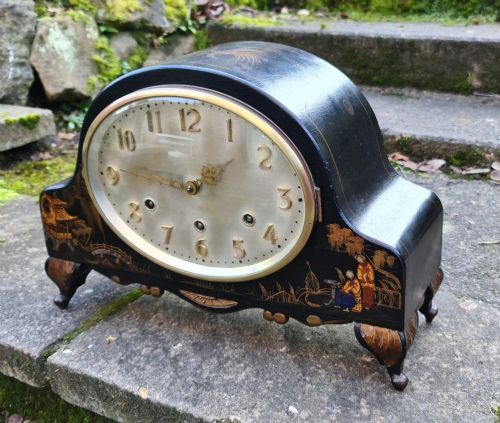
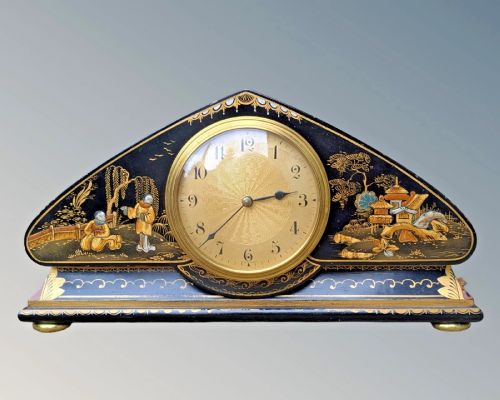
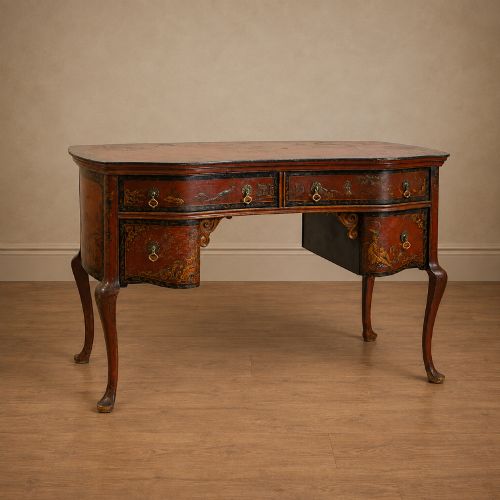
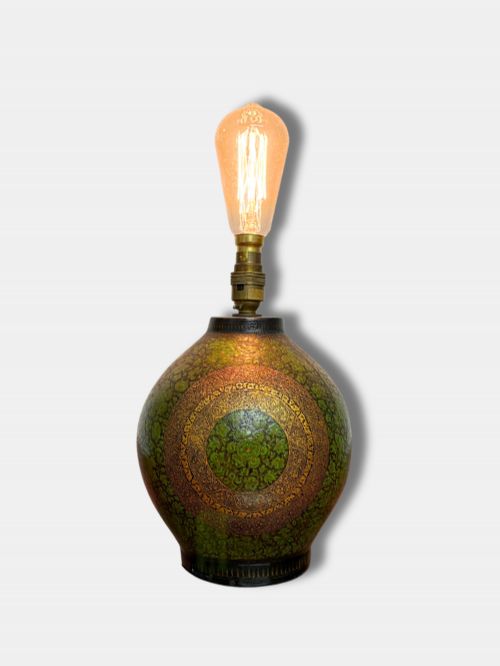
Chinoiserie and Edwardian Chinoiserie examples dominate the selection, often featuring painted lacquer finishes alongside brass fixtures or frames. Buyers also encounter Kashmiri, Anglo-Indian, and French-influenced designs within this category.
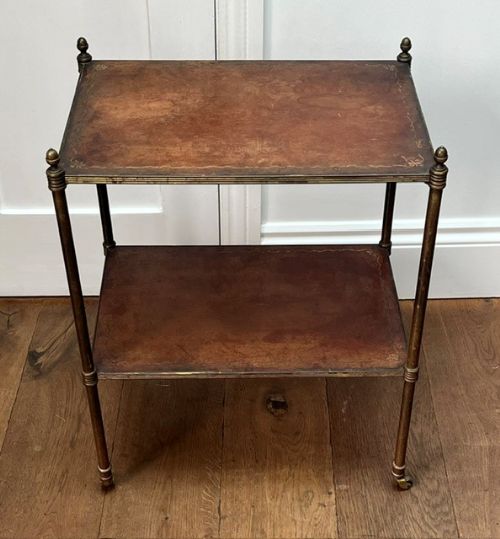
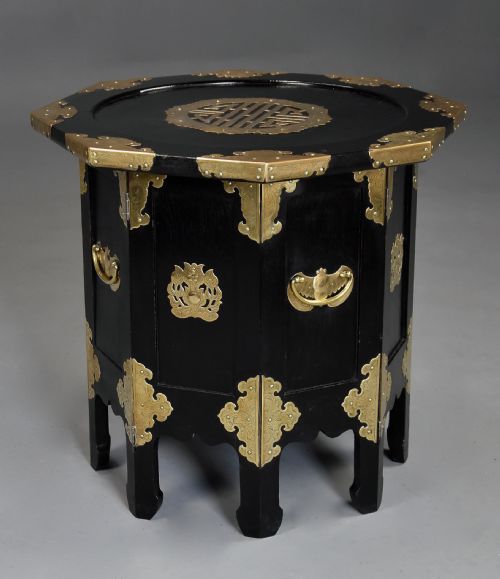
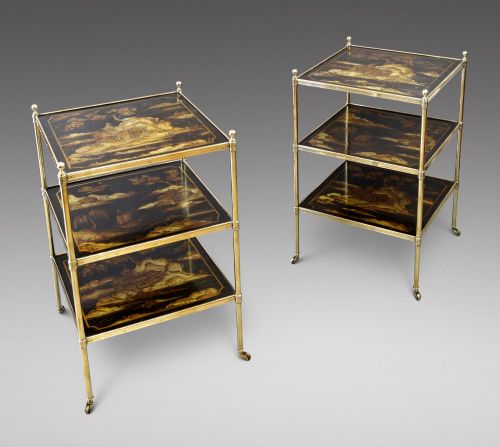
Forms range from kidney-shaped dressing tables and three-tier étagères to octagonal occasional tables and coffee tables. The combination of brass and lacquer provides both functional surface space and distinct visual character.
How they were made
Construction relies on wood, lacquered wood, papier-mache, and ebonised wood as the primary foundational materials for the body and tabletops. Artisans applied layers of lacquer, sometimes incorporating gilt gold, tortoiseshell effects, or painted Oriental motifs onto these wooden structures.
Brass elements function as structural frames, tiered supports, handles, or decorative trim, secured to the lacquered bodies. Craftsmen utilised techniques associated with traditional cabinetmaking, metalwork, and applied surface decoration to achieve the finished forms.
Materials recorded in current items include elm, ebonised wood, papier-mache, glass, and brass.
What varies in quality
The sophistication of the surface decoration and the execution of the lacquerwork heavily influence the distinction between standard and superior pieces. Hand-painted Chinoiserie detailing, depth of colour, and the preservation of the original lacquer layer separate finer examples from simpler alternatives.
The integration of brass framing with the wooden or lacquered components dictates the structural integrity and physical weight of the piece. Heavier gauge brass, precise joinery, and well-preserved secondary materials like glass or leather elevate the overall standard of manufacture.
Elliott London·Mallett of London·Maison Bagues·James Smith·Chater and Son
The Brass and Lacquer Tables Glossary
- Chinoiserie
- European decorative style reflecting Chinese artistic influences, typically characterised by painted or lacquered scenes of figures, landscapes, and pagodas.
- Etagere
- A piece of furniture consisting of open shelves for displaying small objects, often constructed with multiple tiers and metal or wooden supports.
- Papier-mache
- A composite material made from paper pulp or paper sheets mixed with glue, moulded into shapes and finished with lacquer or paint.
- Bouillotte
- A type of adjustable desk lamp featuring a metal shade and multiple candle arms, frequently associated with French design.
- Boulle-work
- A form of marquetry utilising brass and tortoiseshell inlaid into wooden furniture surfaces.
Brass and Lacquer Tables: Frequently Asked Questions
What defines a chinoiserie table?
Chinoiserie tables feature painted or lacquered decoration inspired by traditional East Asian art, typically showing motifs like landscapes, figures, and pavilions.
These designs gained popularity during the Victorian era and the early twentieth century, often combining black, green, or red lacquer backgrounds with gilt detailing.
How do I care for lacquer surfaces?
Lacquer surfaces require gentle dusting with a soft, dry cloth and protection from direct sunlight and excessive moisture to prevent fading and cracking.
Avoid using harsh chemical polishes or abrasive cleaners, as these can permanently damage the delicate painted layers.
Where were these tables used?
These tables served as occasional furniture in formal sitting rooms, boudoirs, and drawing rooms for holding small decorative items, books, or writing materials.
Their decorative finishes made them suitable for prominent display rather than heavy daily utility.
How can I tell the period?
Dating relies on examining the construction methods, wood types, and the style of the brass mounts and lacquer painting techniques.
Victorian and Edwardian examples often show distinct decorative motifs and assembly traits that separate them from later mid-century interpretations.