



Brass and Copper Lamp
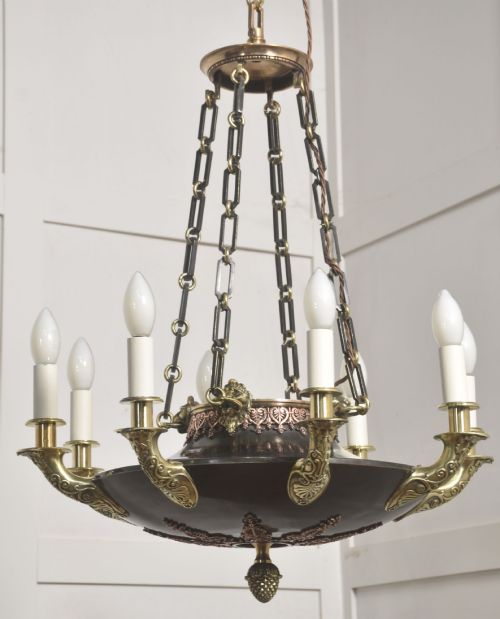
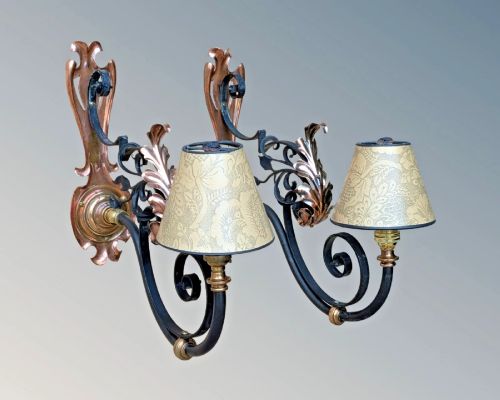
When you search for a brass and copper lamp, you find lighting formed from twin metals across periods from Victorian workshops to Art Deco interiors.
Brass and Copper Lamp
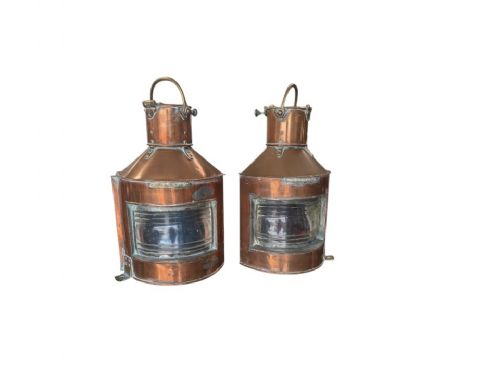
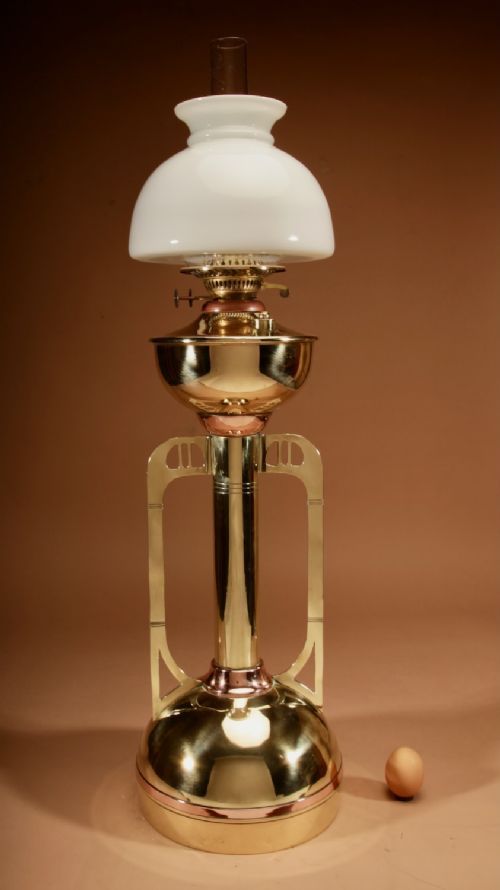
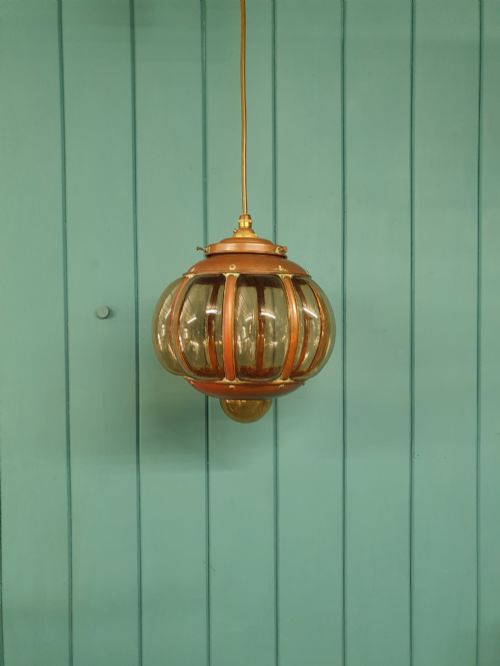
A brass and copper lamp encompasses domestic and utilitarian lighting fixtures, ranging from standard floor lamps and adjustable oil lamps to railway lanterns and ship pendants. The selection includes domestic lighting designed for reading or ambient glow alongside heavy brass and copper carriage and bulkhead pieces.
The objects span from the mid-nineteenth century through the Edwardian era and into the Art Deco period, capturing stylistic shifts from Victorian opulence to Arts and Crafts simplicity and Art Nouveau curves. Buyers encounter floor-standing telescopic standards and smaller desk or table forms with equal frequency.
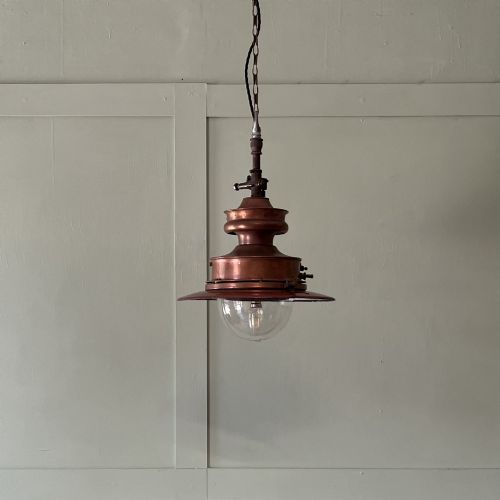
Many items reflect functional maritime or railway origins, such as port and starboard lanterns, while others emerge from known design movements of nineteen hundred. The common thread is the combination of yellow brass and warm copper components, often paired with glass shades or fabric elements.
How they were made
Makers combined spun and sheet copper with cast or turned brass components, joining them through riveting, soldering, or threaded fittings. Many Arts and Crafts examples display hand-beaten surfaces where hammer marks remain visible on the copper hoods and bases.
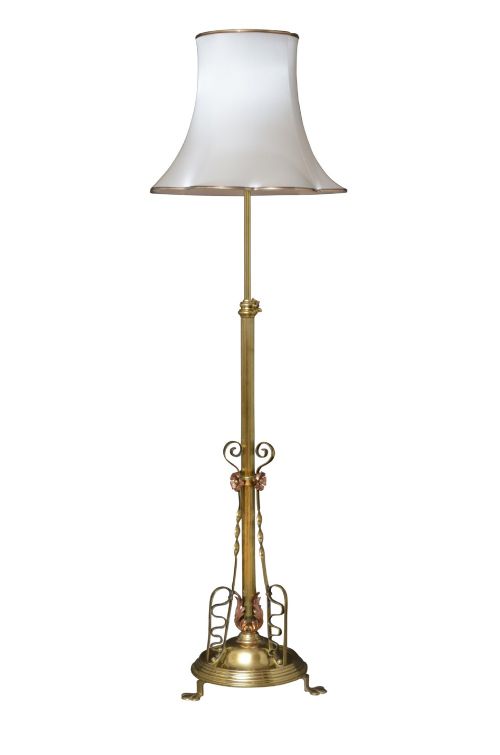
Standard and oil lamps frequently utilised telescopic or ratchet mechanisms to allow height adjustment, housing internal weighted bases or wrought iron supports for stability. Lanterns incorporated leaded or hand-blown glass panels, including cranberry and opaline varieties, secured into brass and copper frames.
Listings feature standard lamps, table lights, and nautical lanterns spanning from the mid-nineteenth century through the 1940s.
What varies in quality
The division between standard production pieces and superior examples rests on the weight of the gauge metal utilised and the finish of the joins. Heavier gauge copper and substantial cast brass mounts provide greater rigidity, particularly in extendable floor standards.
Artistry in the hand-beaten detailing of Arts and Crafts pieces or the refined casting of Art Nouveau floral motifs separates workshop items from mass-manufactured items. Original glass shades, intact patination, and maker attribution elevate individual pieces within the range.
Alderson And Gyde Ltd·Gustave Serrurier Bovy·Jan Eisenloeffel·W A S Benson
The Brass and Copper Lamp Glossary
- Standard lamp
- A tall floor-standing lighting fixture designed to illuminate a room from standing height. These often feature telescopic shafts for adjustment.
- Patination
- The natural ageing and oxidation on the surface of brass and copper over decades of exposure to air and handling. This develops distinct tones across the metal.
- Port and starboard
- Nautical designations for the left and right sides of a vessel, traditionally marked with red and green glass lenses in ship lanterns. These utility lights were adapted for domestic interiors.
Brass and Copper Lamp: Frequently Asked Questions
What is a brass and copper lamp?
A brass and copper lamp is a lighting fixture constructed primarily from these two metals, taking forms from tall floor standards to desk lamps and marine lanterns. They combine the bright golden tone of brass with the warm reddish hue of copper.
These pieces were produced across the nineteenth and twentieth centuries, serving domestic, industrial, and nautical functions. Their construction reflects the prevailing design styles of their respective periods.
How do I identify an Arts and Crafts lamp?
Arts and Crafts lamps typically display hand-beaten copper surfaces, visible rivet construction, and an emphasis on utility rather than excessive ornamentation. They often incorporate adjustable mechanisms and straightforward geometric or organic lines.
Unlike ornate Victorian revival pieces, these prioritize the honest expression of materials and the direct mark of the maker's hand on the metal.
Were these lamps originally for oil or electricity?
Many early examples were designed as paraffin or oil lamps, featuring burners, reservoirs, and chimneys before later conversion to electricity. Others originated as candle-lit carriage or railway lanterns.
Standard lamps and table models from the late nineteenth and early twentieth centuries frequently underwent conversion as domestic electrical wiring became common in homes.
How should I care for patinated metal?
Patinated metal benefits from gentle dusting with a soft dry cloth to preserve the historical surface oxidation accumulated over decades. Aggressive polishing removes the aged character that collectors value in antique brass and copper.
Keeping the pieces away from excessive moisture prevents active corrosion while allowing the natural deep tones of the metal to remain stable.