


Vintage Metal Study Lamp
These vintage metal study lamp examples combine industrial utility with period design, offering focused illumination for a desk or reading table.
Vintage Metal Study Lamp
A vintage metal study lamp provides task lighting through robust construction, utilising materials like brass, chrome, cast iron, and steel. Desk lamps, table lamps, and oil lamps form the primary variations encountered across the collection.
The objects span multiple decades and design movements, ranging from Victorian and Arts and Crafts examples to Art Deco and Machine Age creations. This variety reflects changing domestic and workplace requirements across the nineteenth and twentieth centuries.
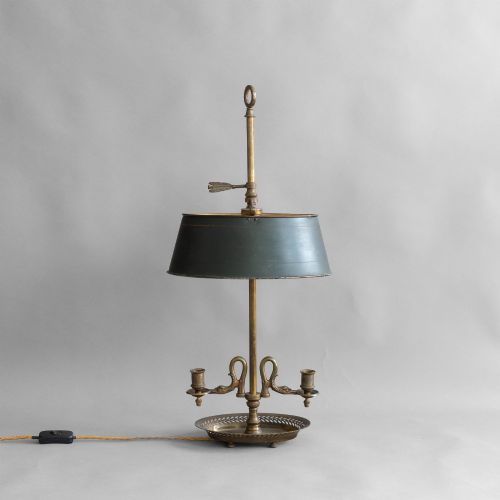
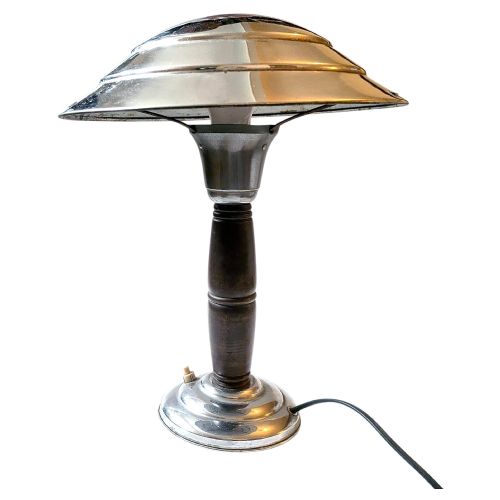
Form follows function closely in these designs, frequently incorporating adjustable arms or specialised shades such as toleware and shell variants. Such adaptations demonstrate how lighting was tailored for focused reading and office work.
How they were made
Construction relies heavily on durable metals including brass, copper, steel, and cast iron, often paired with painted toleware or glass components. These materials provided the necessary weight and rigidity for adjustable desk and table lighting.
Manufacturing techniques combined structural metalwork with specialised surface treatments like gilt metal finishes, chrome plating, and painted tole. Makers also integrated functional elements such as bakelite details and articulated joints.
Some industrious Victorian readers clearly demanded wild illumination, as evidenced by specialised nineteenth-century burners designed to banish gloom.
What varies in quality
Quality differences manifest in the precision of mechanical adjustments and the integrity of the original metal surfaces, from polished chrome to painted toleware. Superior examples maintain robust articulation without compromising the balance of the desk or table lamp.
The sophistication of the design execution distinguishes standard utility lighting from elevated decorative pieces, particularly within Art Deco and Machine Age styles. Material combinations involving specialised shades or contrasting metals indicate higher ambition in manufacture.
Wild And Wessel·Jumo·Hawkins
The Vintage Metal Study Lamp Glossary
- Toleware
- Lacquered or enamelled metalware, frequently painted with decorative motifs. It appears on shades and bases of period desk lamps.
- Machine Age
- An early twentieth-century design style celebrating industrial efficiency and modern materials like chrome and steel. It heavily influences 1930s desk lamps.
- Art Deco
- A prominent style of the 1920s and 1930s characterised by streamlined geometric forms and sleek metallic finishes. It frequently shapes the silhouette of table lamps.
- Arts and Crafts
- A movement emphasising handcraftsmanship and simple functional forms in reaction to industrial mass production. It produces distinctive reading lamps from the early twentieth century.
- Bakelite
- An early form of synthetic plastic utilised for switches, fittings, and decorative accents on mid-century electrical items. It is found on notable 1930s designs.
Vintage Metal Study Lamp: Frequently Asked Questions
How do I date a metal study lamp?
Dating relies on stylistic markers such as Art Deco geometry or Victorian ornamentation, alongside materials like chrome or early plastics. Construction methods and patent dates stamped onto the metal also provide chronological clues.
Examining the wiring methods and switch types helps narrow down the decade of production. Period-specific shades, such as shell forms or painted toleware, further assist in identifying the era.
Were these lamps used in offices or homes?
These pieces served both domestic studies and commercial office environments where focused task lighting was essential. Adjustable mechanisms allowed users to direct light precisely over paperwork or reading material.
Over time, many transitioned from purely utilitarian office equipment into decorative interior objects. Their sturdy metal construction ensured they survived decades of daily use in various settings.
What is the difference between brass and chrome lamps?
Brass lamps typically date to earlier Victorian, Edwardian, or Arts and Crafts periods, offering a warm, polished metallic tone. They often feature traditional casting and manual adjustment methods.
Chrome versions align more closely with 1930s Machine Age and Art Deco aesthetics, providing a bright, industrial sheen. This reflects the technological shift toward modern plated finishes in twentieth-century manufacturing.
How should I clean a vintage metal lamp?
Cleaning requires a soft, dry cloth to remove dust without disturbing aged patinas on brass, copper, or painted toleware surfaces. Harsh chemical polishes should be avoided on lacquered or historic finishes.
If the lamp retains vintage electrical components, consult a professional before undertaking any restoration work. Preserving the original surface wear maintains the historical character of the piece.