
Brass Adjustable Stand
When you need a brass adjustable stand, you are looking for versatile engineering paired with period presence, most often found in floor lamps and reading furniture.
Brass Adjustable Stand
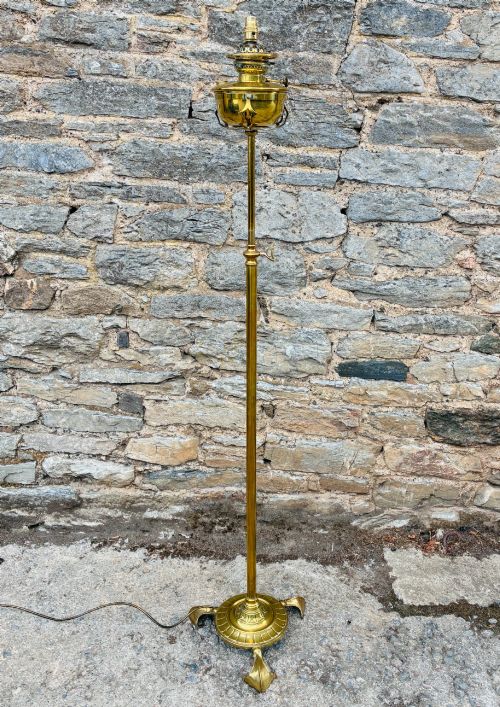
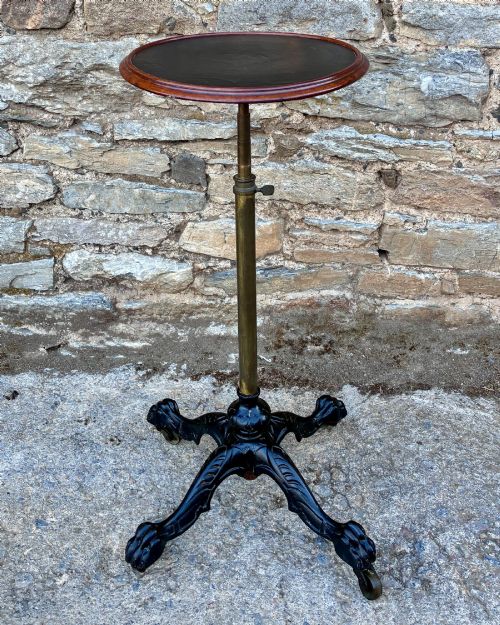
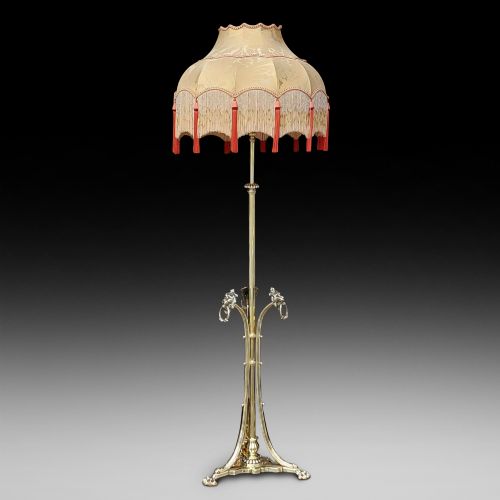
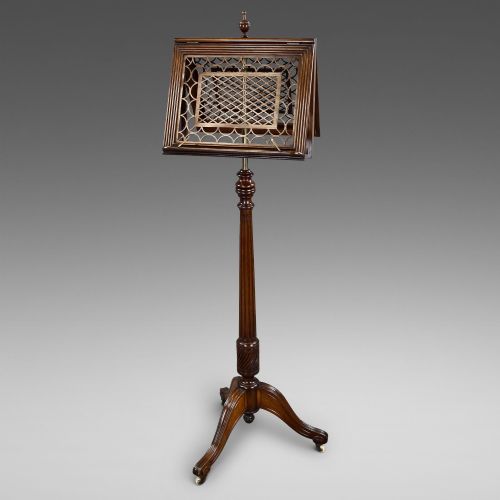
A brass adjustable stand provides functional height or angle modification, combining brass framework with mechanisms designed for domestic illumination, reading, or music performance. Buyers exploring this category encounter a broad spectrum of utility objects originating from the nineteenth and early twentieth centuries.
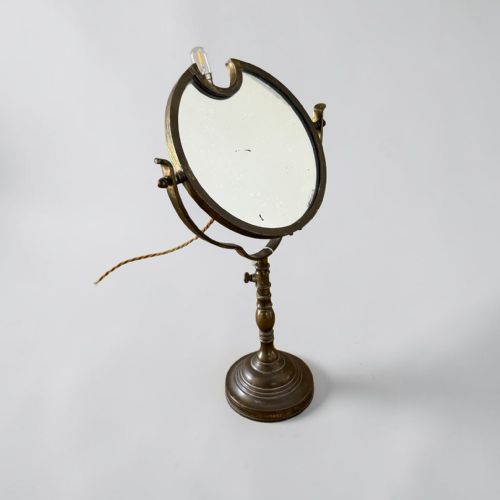
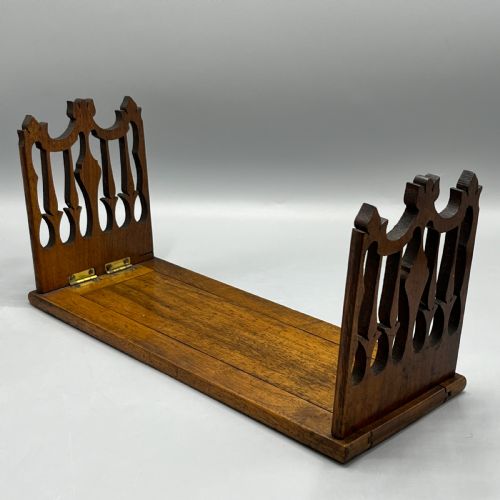
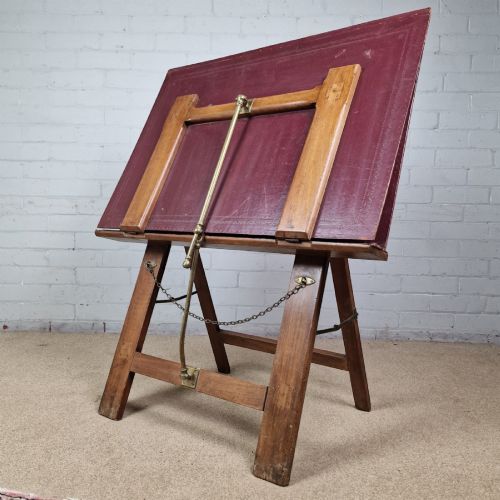
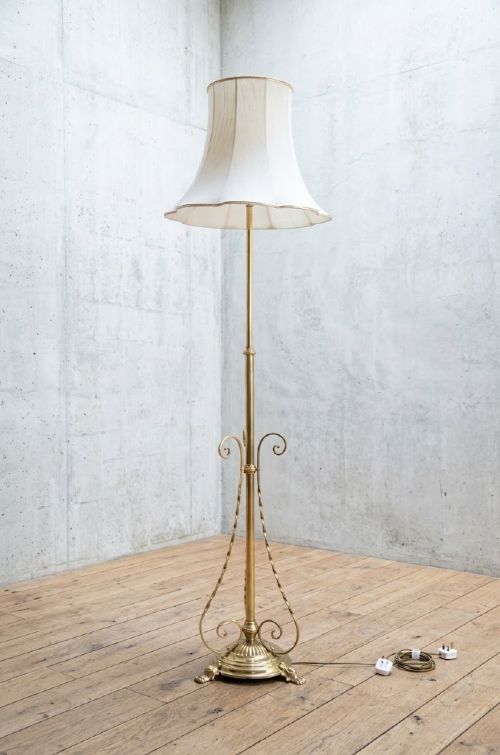
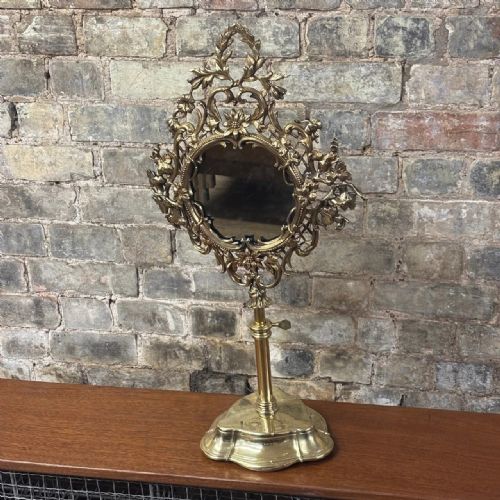
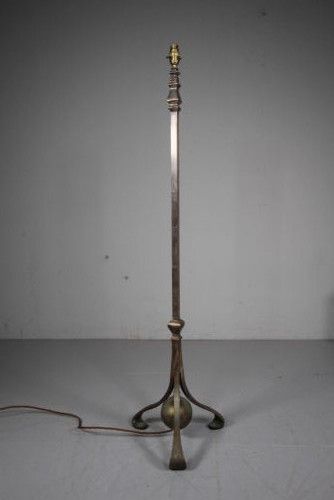
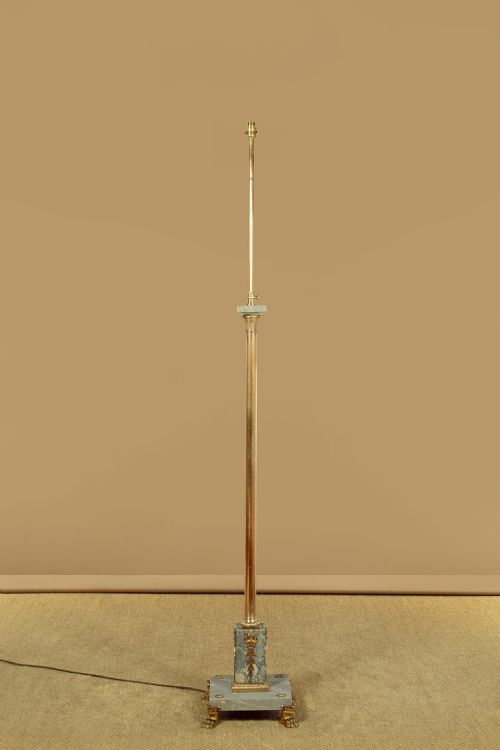
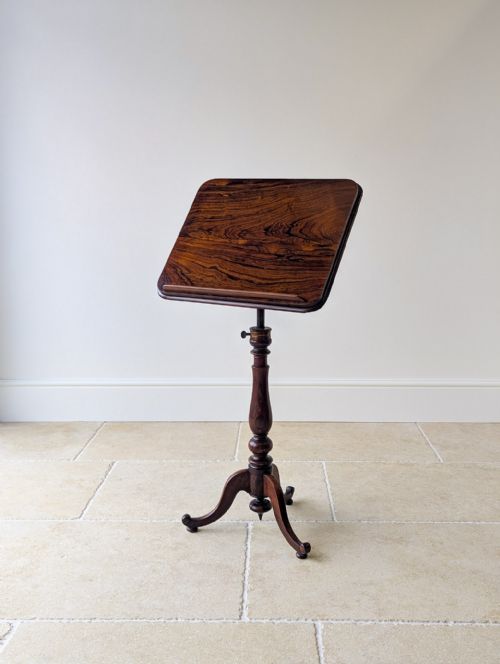
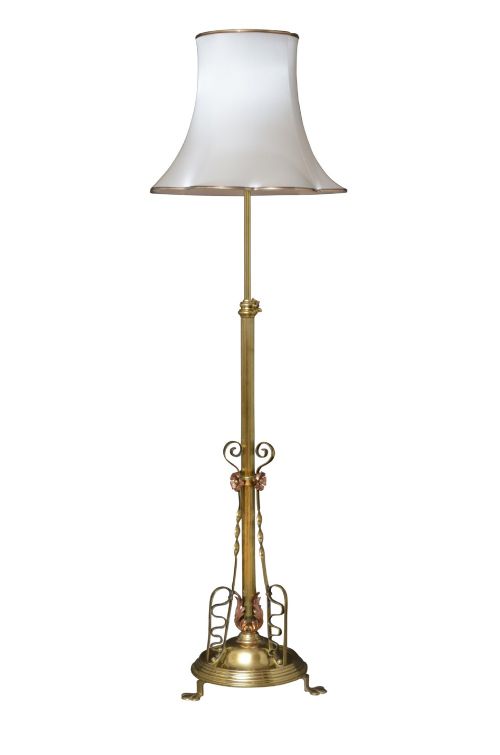
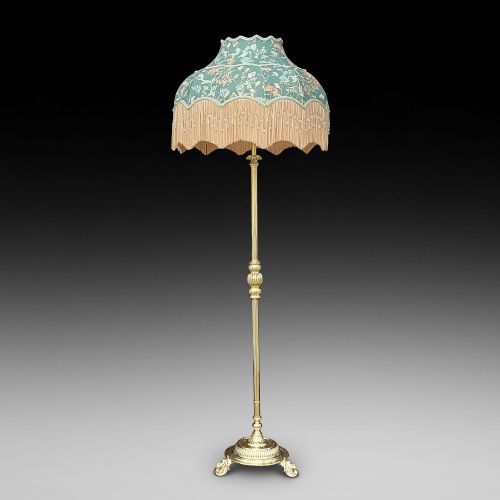
Floor lamps and standard lamps dominate the selection, frequently appearing alongside music stands, reading tables, and shaving mirrors. These pieces transition from Victorian oil standards to early electrical conversions and Arts and Crafts lighting.
Origins span English, French, and continental workshops, reflecting regional preferences in neoclassical columns, Rococo curves, and straightforward Arts and Crafts metalwork. The unifying element across these diverse forms remains the telescoping shaft or pivoting bracket that alters the piece's height and focus.
Materials and construction
Construction relies heavily on cast and turned brass, often paired with dense secondary timbers such as mahogany, rosewood, and walnut for bases, reading ledges, or occasional tables. Metal components utilise threading, keys, and weighted bases to maintain stability while the stem extends.
Surface treatments range from polished brass and gilt finishes to patinated copper and painted iron, depending on the stylistic movement of the period. Joints and articulation points are engineered to withstand repeated adjustment without compromising the overall structural integrity.
Listings feature brass adjustable stands across the nineteenth century, Victorian, and Edwardian periods, utilising mahogany, rosewood, and cast iron.
Quality variations
Quality rests in the precision of the mechanical action and the weight of the casting, distinguishing heavy architectural columns from lighter domestic items. Superior examples retain original threading, smooth telescoping movement, and well-balanced bases that prevent tipping at full extension.
The refinement of decorative detailing, such as fluted columns, hand-chased enrichment, and well-fitted timber surfaces, separates standard utility items from high-end drawing-room furnishings. Preservation of original surface patination and uncompromised structural components further elevates an example.
GILLOWS·AFC
The Brass Adjustable Stand Glossary
- Telescopic
- A construction method utilising concentric tubes that slide inside one another to alter the overall height of a standard lamp or mirror. This mechanism is secured at the desired position via a thumbscrew or collar.
- Duet stand
- A music stand designed with a wide ledge or dual reading surfaces to accommodate two musicians sharing a single score. These pieces frequently feature adjustable reading angles and height controls.
- Corinthian column
- An architectural order featuring an ornate capital decorated with acanthus leaves, frequently adapted into the shafts of nineteenth-century floor lamps and standard lamps. This classical motif adds formal dignity to lighting stands.
- Bouillotte lamp
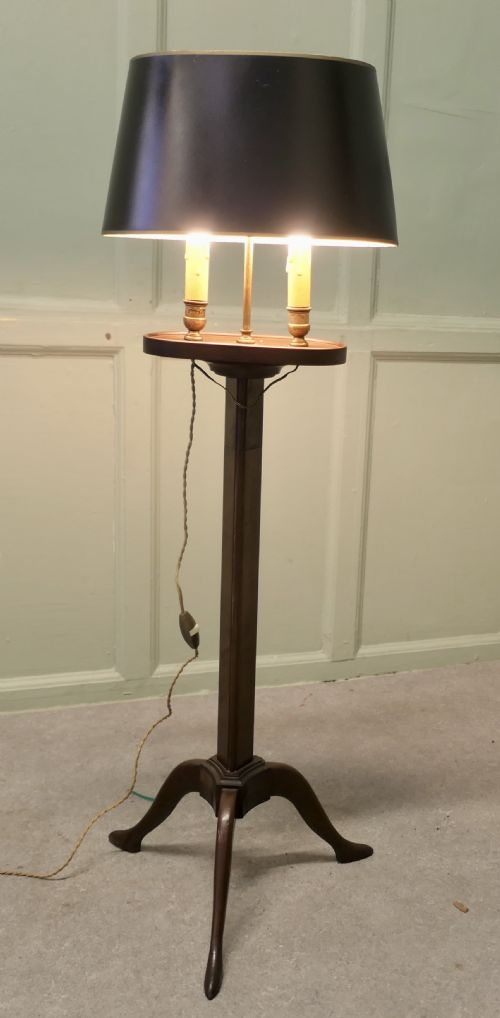
- A traditional French table lamp featuring an adjustable metal shade mounted over one or more candle arms. The shade moves up and down a central stem to control the spread of light.
- Articulated
- Built with movable joints or hinges that allow the user to direct light, mirrors, or reading material precisely where required. This term often applies to candelabras, reading stands, and magnifying lenses.
Brass Adjustable Stand: Frequently Asked Questions
Were these lamps originally electric?
Many nineteenth-century examples began as oil lamps or candle standards before undergoing later conversion to electricity. These pieces retain weighted reservoirs or burner assemblies adapted to house modern wiring.
When examining converted standards, look for clean integration of electrical cords through original channels. The presence of burner components alongside modern fittings highlights the utilitarian history of the piece.
How do I date a brass standard lamp?
Dating relies on stylistic clues, such as heavy neoclassical Corinthian columns from the Victorian era versus geometric brackets from the Arts and Crafts period. Base construction and fastener types also provide chronological context.
Heavier cast iron sub-bases and threaded collars often point to late nineteenth-century manufacturing techniques. Lighter sections and simplified turnings generally suggest early twentieth-century production.
Can I use a reading stand for modern books?
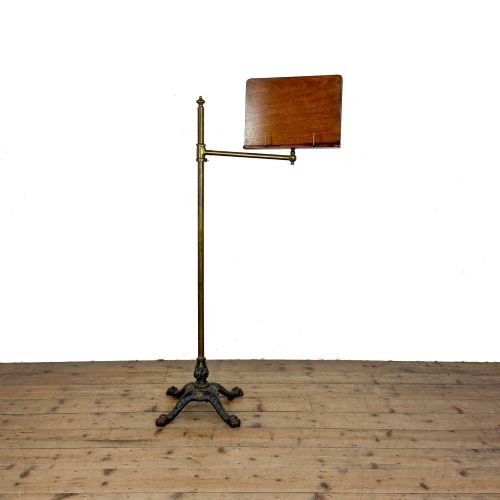
Adjustable reading stands and music ledges accommodate modern volumes provided the depth of the support shelf matches the thickness of the book. The pivoting desk mechanism bears the weight of heavy folios when properly tightened.
Ensure the angle adjustment holds firm under the weight of the binding to prevent slipping. These stands function effectively for display or active reading in domestic settings.