


Botanical Fruit Artwork
Botanical fruit artwork brings together natural specimens and rich pigments, capturing seasonal harvests across centuries of careful observation.
Botanical Fruit Artwork
Botanical fruit artwork encompasses detailed depictions of produce, flowers, and natural subjects rendered in various media. When exploring botanical fruit artwork on this page, visitors encounter pieces spanning from the eighteenth century through the mid twentieth century.
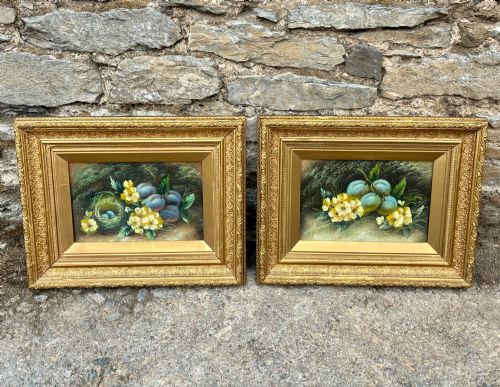
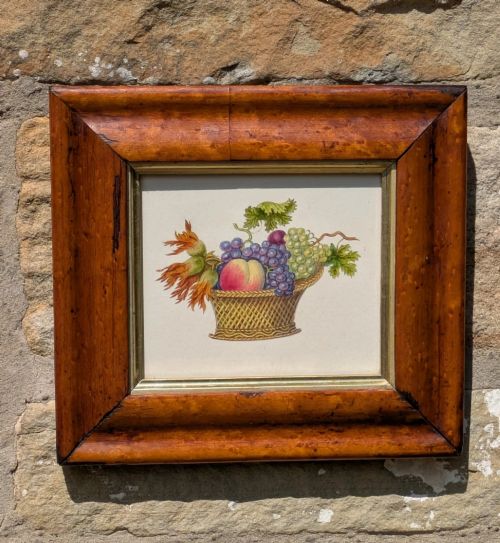
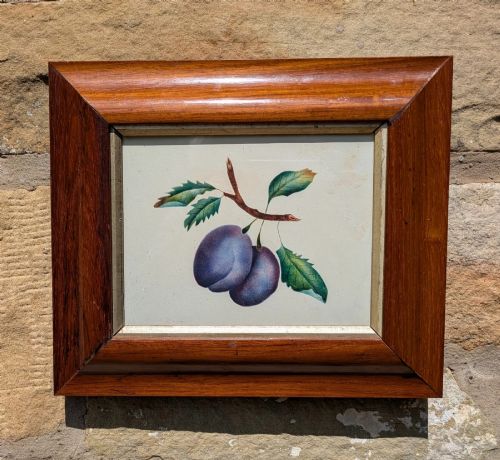
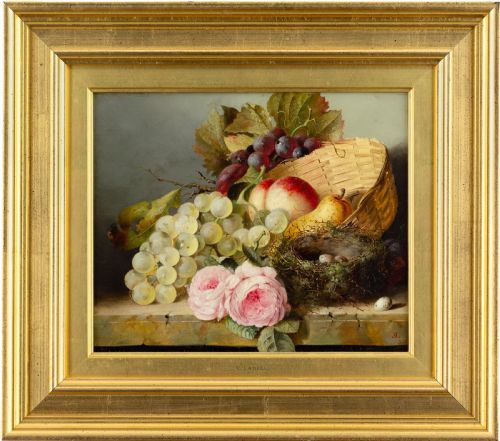
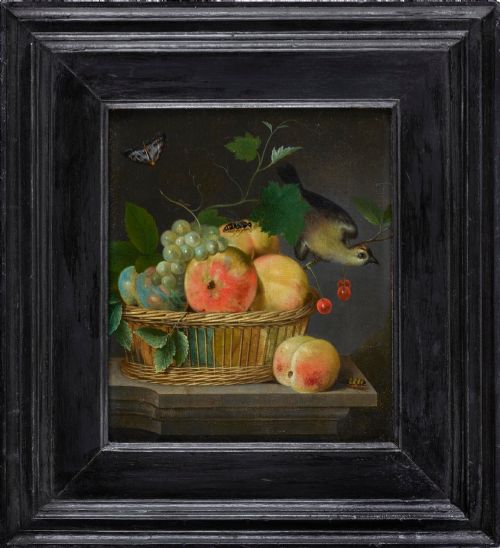
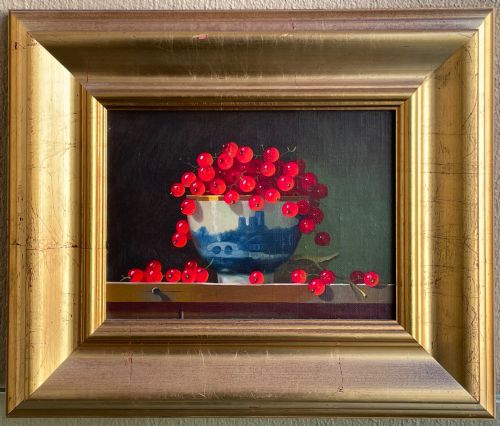
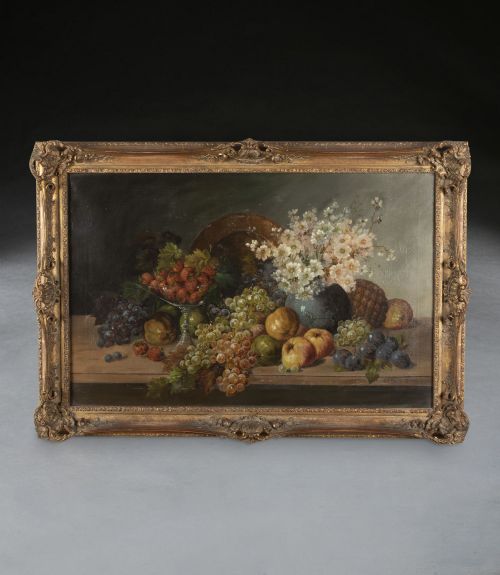
Origin styles range from Georgian and Regency periods to Victorian botanical works and mid century modern expressions. Painters render plums, grapes, peaches, and berries within structured still life arrangements or woven baskets.
Materials and Construction
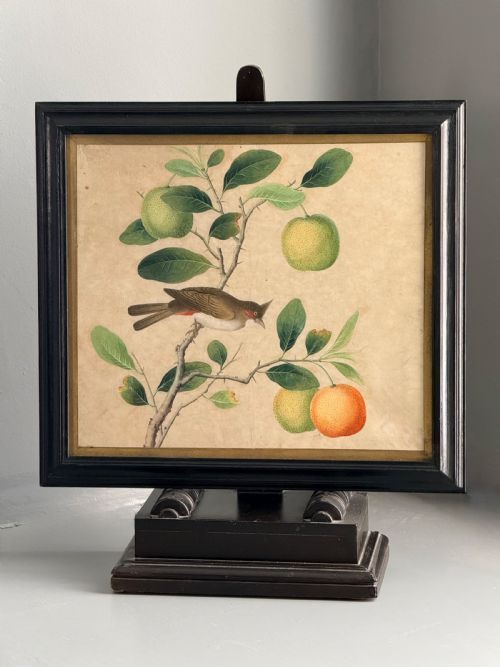
Artists executed these works using oil on canvas, watercolour on paper, and gouache on pith paper, frequently mounting the resulting images within timber frames such as gilt wood or rosewood. Specific pieces utilise porcelain panels as a solid foundation for detailed oil pigments.
Textiles also appear in the selection through silk embroidery housed inside octagonal gilt wood frames. Pigments capture the natural textures of fruit, foliage, and wicker baskets through layered brushwork and precise washes.
Listings feature oil on canvas, watercolours, and silk embroidery across eighteenth, nineteenth, and twentieth century periods.
Judging Quality
Differentiation in quality stems from the precision of brushwork and the lifelike rendering of natural surfaces like grapes, peaches, and berries. Master works capture light and shadow accurately across curved fruit skins and woven basket surfaces.
The sophistication of the supporting frame, whether rosewood or carved gilt wood, contributes to the overall integrity of the piece. Provenance and attribution to documented painters elevate the standing of individual works.
Edward Ladell·Gaspar Peeter Verbruggen·Ian Parker·John Sherrin·James Tower·William Duffield·Vincent Clare·William Rayworth·William Jones of Bath·Oliver Clare·George Lance·James and William Ward
The Botanical Fruit Artwork Glossary
- Gouache
- An opaque watercolour paint consisting of natural pigment, water, and a binding agent such as gum arabic. It produces a dense and flat colour surface on paper or pith paper.
- Pith paper
- A delicate material traditionally formed from the cellular pith of the Tetrapanax papyrifer plant. Artists used it in historical Asian export works for vibrant watercolour and gouache painting.
- Regency
- A British design period spanning the early nineteenth century defined by classical restraint and refined elegance. Pieces from this era often display delicate watercolour techniques.
- Gilt wood
- Timber carved and coated with a thin layer of gold leaf or gold paint. This material frequently frames oil paintings and watercolours from the eighteenth and nineteenth centuries.
- Still life
- A painting or drawing featuring inanimate subject matter, typically commonplace objects such as fruit, flowers, and vessels. Artists arrange these elements to study form, light, and colour harmony.
Botanical Fruit Artwork: Frequently Asked Questions
What periods do these paintings come from?
The works originate from multiple eras, spanning the eighteenth, nineteenth, and twentieth centuries. Examples include Georgian, Regency, and Victorian periods alongside mid twentieth century creations.
Specific dates within titles reference the active years of artists or the estimated creation window of the physical object.
How should I hang watercolour pieces?
Watercolour paintings require protection from direct sunlight to prevent the fading of delicate pigments on paper. Framing behind glass with acid free mounts helps preserve the paper and painting over time.
Positioning works away from sources of moisture and extreme temperature fluctuations ensures the longevity of both the artwork and its frame.
What subjects appear alongside fruit?
Compositions frequently incorporate woven baskets, ceramic jugs, and porcelain plates holding the harvested produce. Natural elements such as birds, nests, flowers, and foliage also join the arrangements.
Certain Victorian pieces include exotic animals like parrots interacting with the fruit displays.
Are these works painted on canvas?
Many pieces utilise oil on canvas as the primary medium, particularly the nineteenth century still life works. Other supports include paper, porcelain panels, and pith paper for delicate watercolours.
Needlework pieces employ silk embroidery on fabric instead of paint to form the botanical composition.