
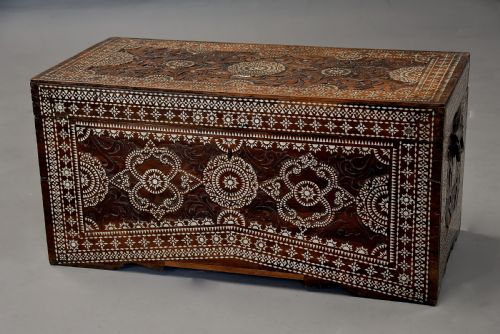
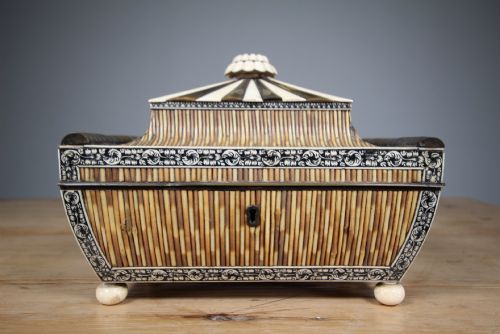
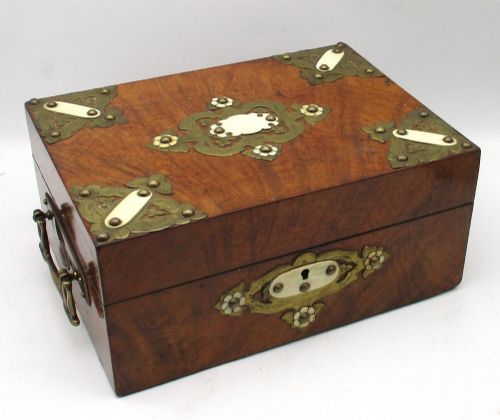
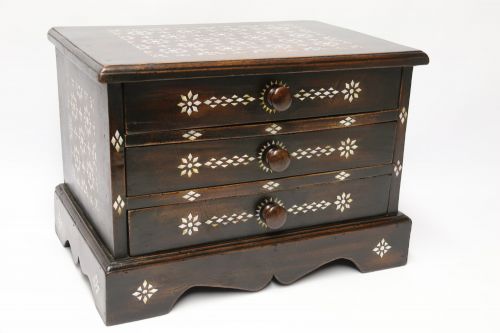

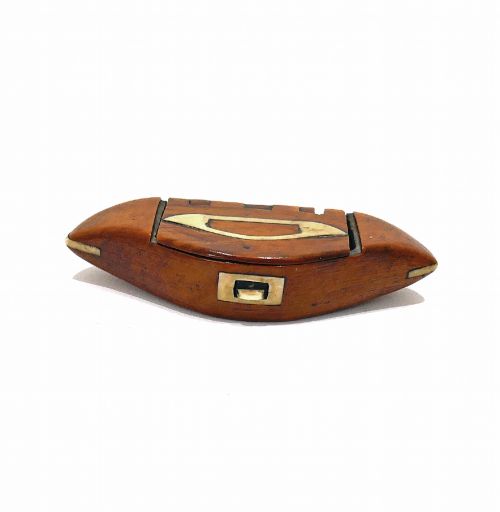


Bone Inlaid Box
A bone inlaid box brings intricate geometric detail and contrasting tones to a room, drawing the eye through painstaking craftsmanship.
Bone Inlaid Box
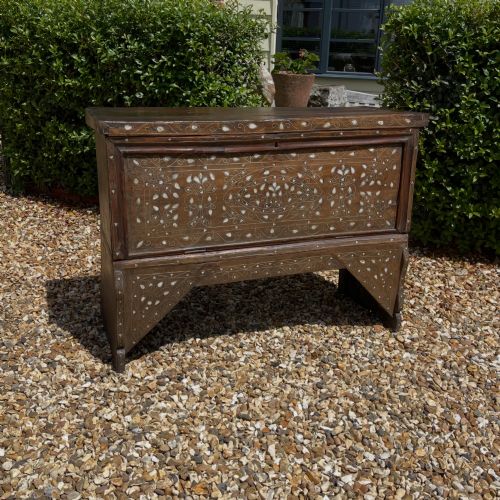
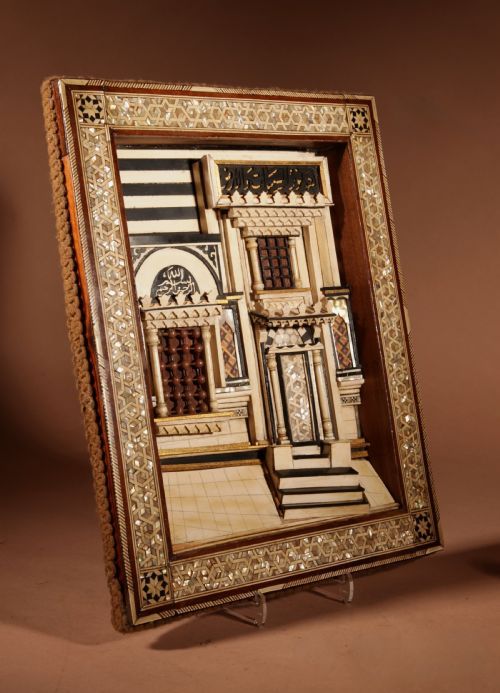
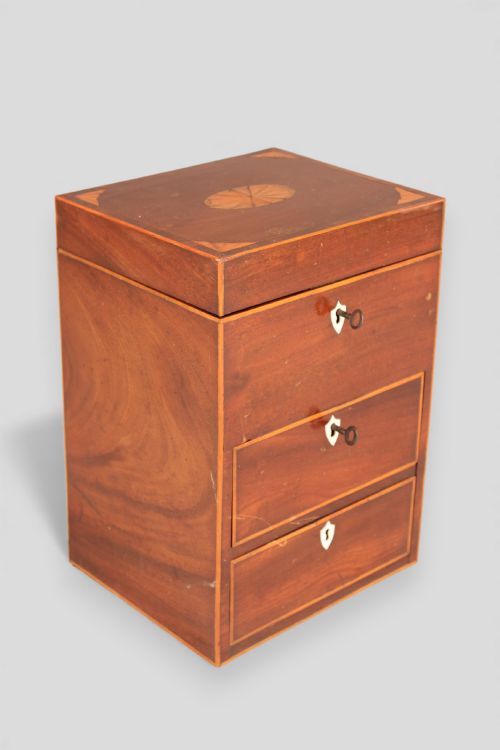
A bone inlaid box encompasses a range of functional containers, from small snuff boxes and tea caddies to larger writing slopes, jewellery boxes, and trunks originating from diverse regions including Anglo-Indian workshops, the Ottoman Empire, and Victorian Britain. Buyers seeking this phrase encounter objects shaped as sarcophaguses, miniature chests, and architectural coffers.
The materials span native fruitwoods and exotic hardwoods such as ebony, rosewood, coromandel, and walnut, combined with delicate bone inlay to create geometric, floral, or figurative patterns. Many pieces reflect specific regional traditions, such as Sadeli mosaic work or porcupine quill decoration alongside bone elements.
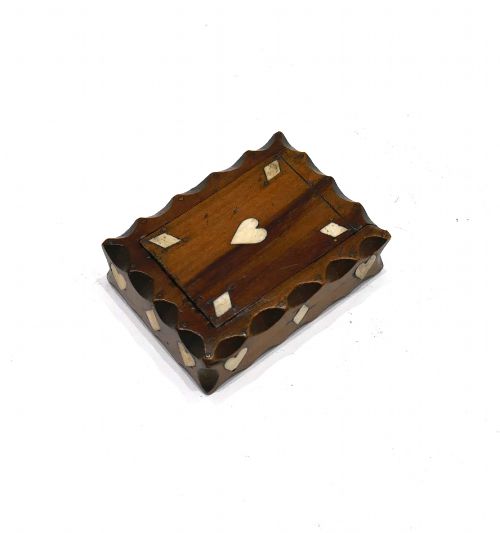
Victorian folk art and treen examples offer smaller formats like shuttle boxes or pocket snuff containers, while larger trunks and coffers provide substantial storage decorated with extensive bone and mother-of-pearl banding.
Materials and Construction
Craftsmen construct the foundational carcase from dense hardwoods like mahogany, rosewood, teak, or fruitwood, preparing recessed channels to receive individual pieces of shaped bone. This bone is often stained or left in its natural creamy tone to create sharp contrast against darker woods.
Inlaid elements require precise hand-cutting of geometric motifs, interlocking triangles, and herringbone stringing, secured with traditional animal glues. Specialised regional techniques, such as Sadeli mosaic work, involve bundling micro-mosaics of bone and metal before slicing them into thin sheets for application.
Bone Inlaid Box Retail Price Guide 2026
Typical asking prices for bone inlaid box among the pieces listed under this phrase on Sellingantiques today, from the lower quarter to the upper quarter. They describe what is for sale here now, not the wider market.
Geographic origins span English treen workshops, Italian revival furniture makers, Ottoman trade centres, and Anglo-Indian regional production hubs.
Judging the Workmanship
Quality rests upon the precision of the inlay work and the integrity of the timber ground. Superior examples display tightly fitted geometric patterns without excessive filler or visible gaps where the bone meets the surrounding wood.
The refinement of the carving on the wooden carcase and the complexity of the decorative scheme, such as multi-layered specimen wood banding or intricate micro-mosaic arrangements, separate standard production pieces from finer studio or regional workshop outputs.
The Bone Inlaid Box Glossary
- Bone inlay
- A decorative technique where thin sections of animal bone are embedded into wood surfaces to form contrasting patterns. This method appears across various global and domestic nineteenth-century traditions.
- Sadeli mosaic
- A micro-mosaic technique native to Anglo-Indian craft, utilising intricate geometric arrangements of bone, horn, and metal. Artisans slice these composite rods to create repeating borders on boxes and caskets.
- Treen
- Small handmade wooden domestic objects. Examples often incorporate bone hearts, diamonds, or geometric stringing.
- Quill box
- A container decorated with porcupine quills arranged in geometric or linear patterns, frequently combined with bone and sandalwood elements in Anglo-Indian pieces.
- Sarcophagus
- A box shape featuring a domed or sloping lid tapering downwards, popular for tea caddies and sewing boxes during the Regency and Victorian periods.
Bone Inlaid Box: Frequently Asked Questions
What were bone inlaid boxes used for?
These containers served specific domestic purposes depending on their scale, housing precious commodities like tea, writing implements, sewing tools, or personal documents.
Smaller formats held tobacco or snuff, functioning as portable accessories for daily use among the Victorian and Georgian gentry.
How do I care for a bone inlaid box?
Keep wooden and bone surfaces away from direct sunlight and sudden temperature shifts to prevent the natural materials from drying and splitting.
Dust gently with a dry, soft cloth and avoid applying liquid polishes or moisture that might destabilise old animal glues.
How can I tell the origin of a box?
Examine the choice of primary timber and the specific style of inlay, as Anglo-Indian pieces often utilise sandalwood, ebony, and porcupine quills alongside bone.
European examples typically feature familiar local cabinet timbers like mahogany or rosewood combined with geometric stringing and simpler bone motifs.
Are these boxes made of bone or ivory?
Most decorative items utilise animal bone, identifiable by microscopic Haversian systems or slight surface grain variations under magnification.
Ivory pieces appear occasionally in specific nineteenth-century Anglo-Indian writing boxes, displaying characteristic cross-hatch Schreger lines.