
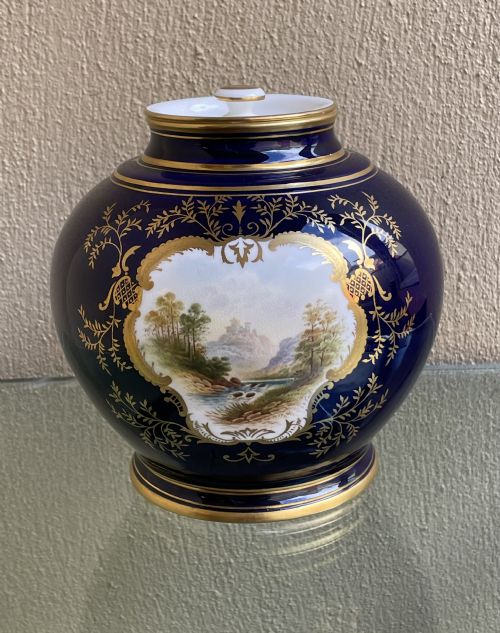


Bone China Jar
A bone china jar is a ceramic vessel prized for its fine body and painted decoration, offering collectors a refined piece of English heritage.
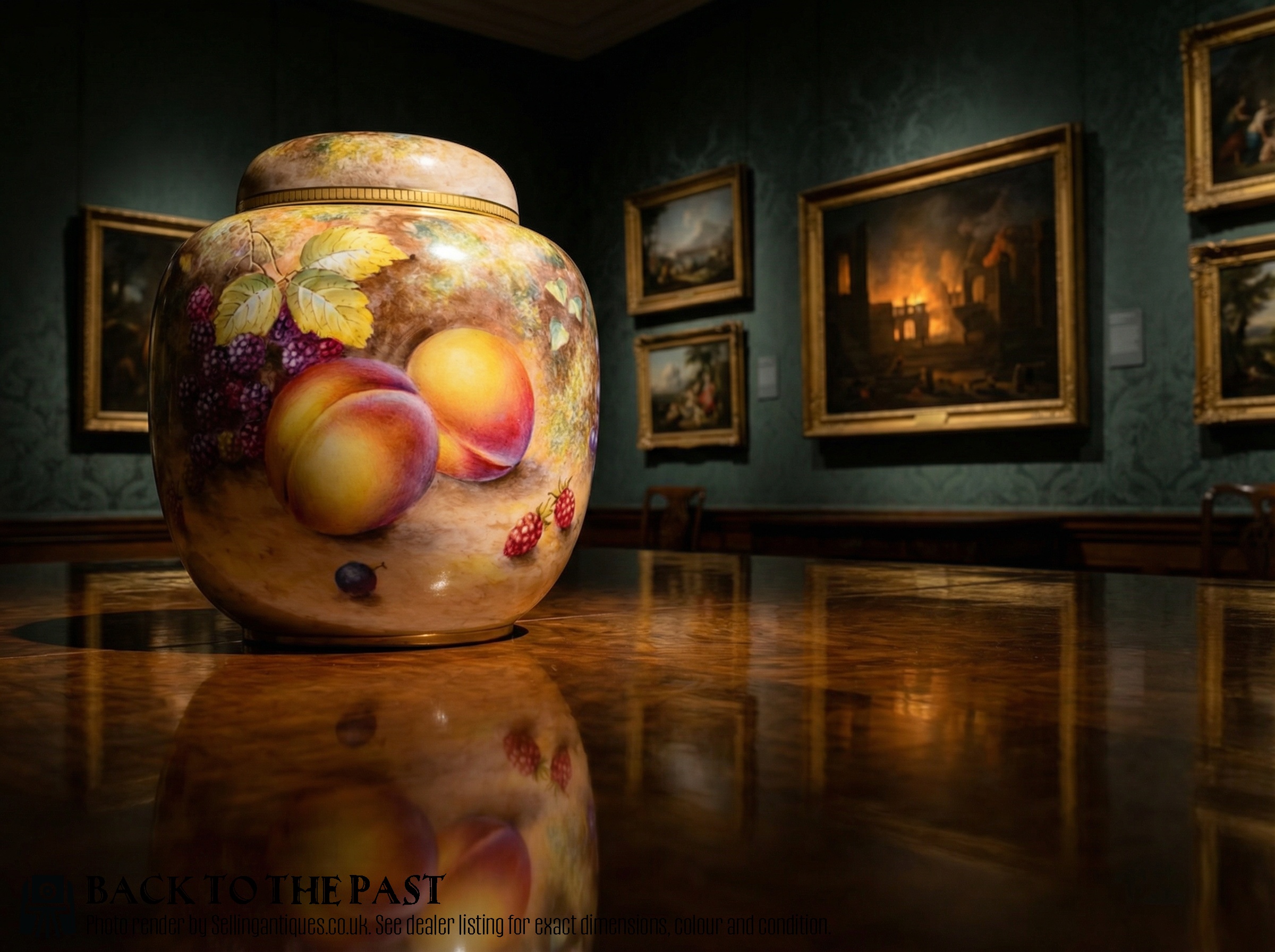
Bone China Jar
When you search for a bone china jar, you encounter ginger jars, pot pourri vases and covered urns produced across the nineteenth and twentieth centuries.
The selections on this page span diverse periods including the Edwardian era, the nineteenth century and decades such as the nineteen-fifties and nineteen-sixties.
Makers represented in these listings include Royal Worcester, Coalport, Spode and Royal Crown Derby, showing traditional English porcelain styles.
How they were made
These vessels utilise fine bone china and porcelain bodies formed into ginger jars and vases, often complemented by matching covers.
Decoration relies upon hand painted motifs, enamel work and gilding using gold leaf and gold gilt to highlight the surfaces.
Materials recorded across the current selection include fine bone china, enamel, porcelain, gold leaf and gold gilt.
What varies in quality
Quality rests upon the execution of the hand painted details, particularly on floral or fruit subjects signed by known artists.
The application of gold leaf and gilding differentiates standard production from exceptional studio output.
Royal Crown Derby·Coalport·Spode·Royal Worcester·E O Ball·John Smith·Freeman·Richard Budd
The Bone China Jar Glossary
- Bone China
- A type of soft-paste porcelain incorporating bone ash to achieve a bright white body and translucency. It allows for delicate wall thicknesses while maintaining structural strength.
- Ginger Jar
- A decorative ceramic vessel with a broad body and a cover, originally designed for storing spices. These pieces evolved into purely ornamental items in English interiors.
- Gilding
- The application of gold leaf, gold gilt or gilt paint to ceramic surfaces. This technique adds metallic highlights to rims, handles and decorative panels.
- Pot Pourri
- A vessel featuring a pierced cover designed to diffuse the scent of dried flower petals and spices. These forms range from traditional urns to lidded jars.
Bone China Jar: Frequently Asked Questions
What is a bone china jar used for?
These vessels serve primarily as decorative ornaments on mantelpieces and side tables rather than for active storage.
Many examples take the form of ginger jars or lidded pot pourri vases designed to display intricate painted scenes.
How do I identify the period?
Dating relies on maker marks stamped or painted on the underside, alongside stylistic cues from the Edwardian era or mid-twentieth century.
Hand painted fruit subjects and specific artist signatures often point towards production dates in the nineteen-fifties and nineteen-sixties.
Are these jars fragile?
The fine bone china and porcelain bodies require careful handling during cleaning and placement.
Gold gilt and enamel decoration on the exterior can also be sensitive to abrasive materials over time.
What styles are common?
Traditional English porcelain styles dominate, including Victorian Imari patterns and Regency-inspired forms.
Hand painted fruit and floral arrangements by named artists represent a significant portion of the available designs.