
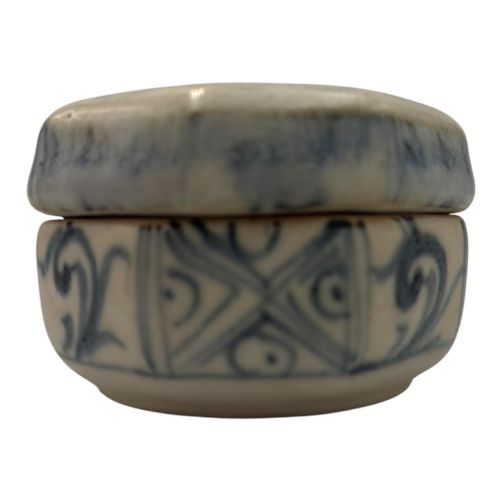
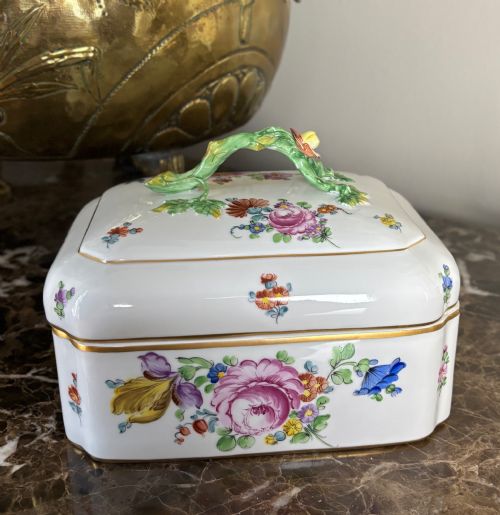


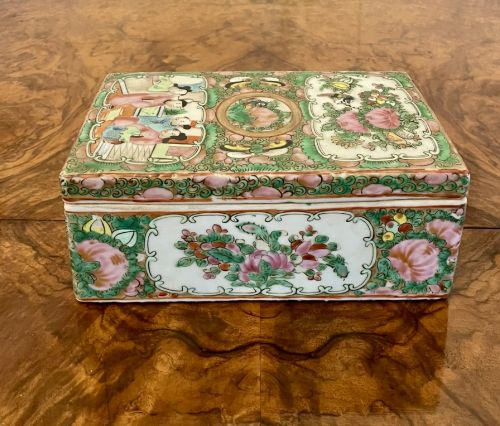
Lidded Porcelain Container
A lidded porcelain container brings tactile grace to a room, offering a neat vessel for everything from powder to pot pourri.
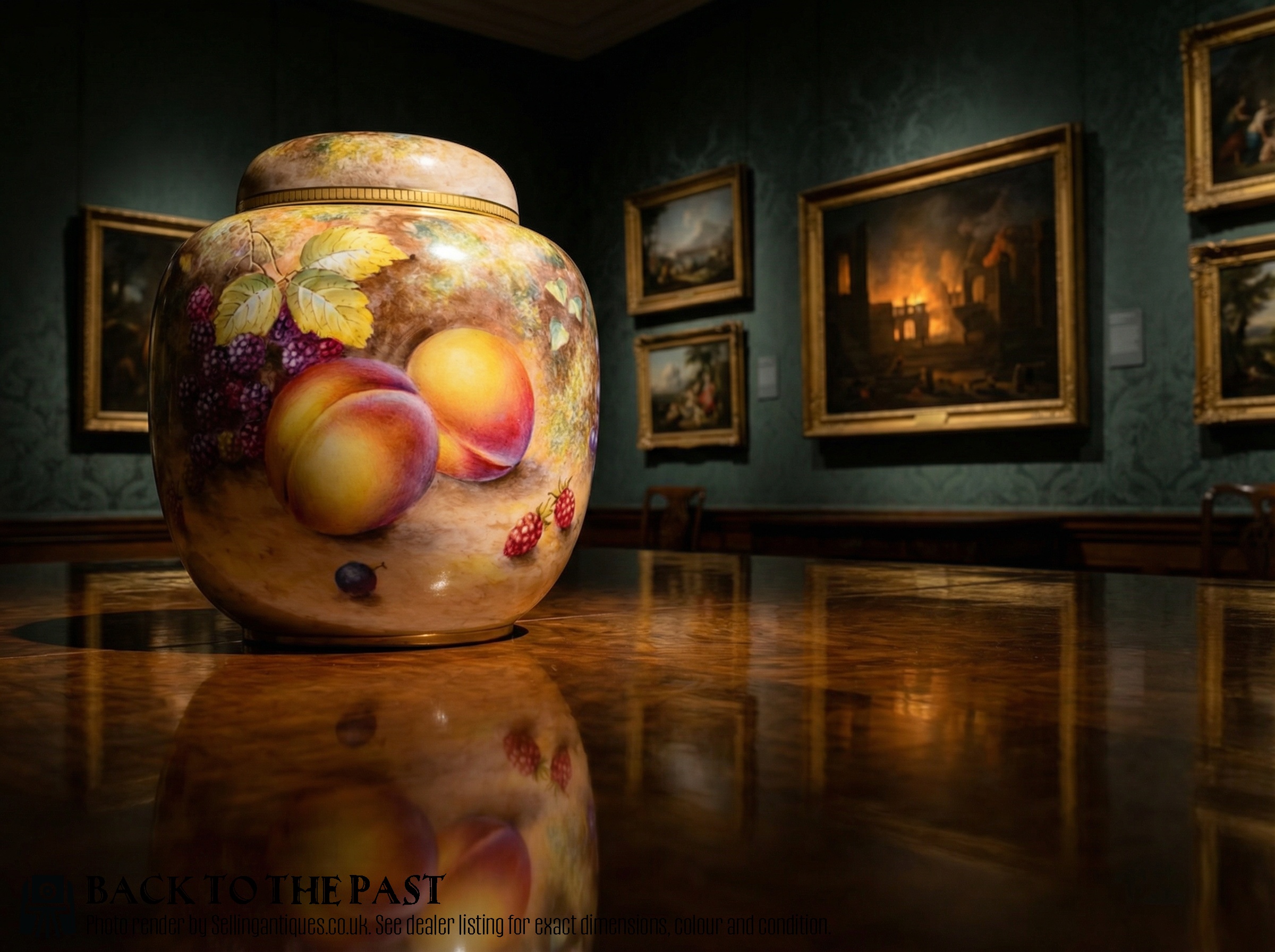
Lidded Porcelain Container
A lidded porcelain container encompasses a diverse range of forms, from decorative jars and ginger jars to delicate powder boxes and pot pourri vases. When exploring this selection, buyers encounter functional and decorative vessels spanning multiple centuries, origins, and aesthetic traditions.
The objects on this page vary significantly in origin and design, including pieces from European factories such as Royal Worcester, Dresden, and Limoges, alongside Asian works like Chinese Famille Rose and Lê Dynasty blue and white boxes. Forms range from utilitarian biscuit barrels and sugar boxes to ornate chamberlain Worcester pommanders and octagonal covered boxes.
Dating across the sixteenth, eighteenth, nineteenth, and twentieth centuries, these containers reflect distinct period styles including Victorian, Rococo Revival, Art Deco, and Qing Dynasty influences. Such variety ensures that collectors find pieces suited both to classic period interiors and modern decorative schemes.
Materials and construction
These items are shaped primarily from ceramic, porcelain, and stoneware, frequently enhanced with detailed glazes, enamel decoration, and gold leaf or gilding. European and Asian makers utilised cobalt pigment for deep blue underglaze designs, alongside hand-painted polychrome enamels.
Functional additions appear on specific forms, such as silver plate mounts on Victorian ceramic kitchen jars and biscuit barrels. Covers and crowns are tailored to each vessel type, from flush-fitting lids on pen boxes to pierced crown covers designed for pot pourri release.
Listings feature porcelain, ceramic, and stoneware pieces from the sixteenth to the twentieth century.
Assessing quality and execution
The standard of a lidded porcelain container rests on the crispness of its moulding and the precision of its painted decoration. Hand-painted botanical and fruit scenes by named factory artists demand superior brushwork compared to transfer-printed or standard factory output.
The integration of the lid and base indicates overall craftsmanship, where a well-thrown porcelain body ensures a balanced weight and a snug fit between cover and vessel. Preservation of delicate gilding and enamel colours over centuries also marks out superior examples.
Royal Worcester·Limoges
The Lidded Porcelain Container Glossary
- Pommander
- A vessel designed to hold aromatic substances such as herbs and spices. These containers often feature pierced lids to allow scent to diffuse into a room.
- Biscuit Barrel
- A covered ceramic or porcelain jar traditionally utilised for storing dry biscuits at the dining table. Many examples include metal mounts, swing handles, and silver plate elements.
- Famille Rose
- A palette of Chinese ceramic glazes introduced in the eighteenth century, dominated by opaque pink enamel. This style permits subtle tonal gradations in floral and figural motifs.
- Kamcheng
- A traditional covered jar originating from Chinese kilns, often decorated in blue and white or polychrome designs. These vessels served functional storage roles in trade markets across Southeast Asia.
- Pot Pourri Vase
- An ornamental vase featuring a pierced cover specifically engineered to release dried flower scents. These decorative vessels were central to domestic fragrance practices in period interiors.
Lidded Porcelain Container: Frequently Asked Questions
What is a lidded porcelain container used for?
These vessels historically served practical and decorative functions in the home, holding dry goods, cosmetics, or aromatic mixtures. Today, they remain versatile objects for storing small items or displaying on mantelpieces and tables.
Their enclosed design protects contents from dust while adding a decorative focal point to a room. Different forms suit different spaces, from dressing table powder boxes to living room ginger jars.
How do I care for antique porcelain?
Antique porcelain requires gentle handling and should be cleaned manually using lukewarm water and mild soap when necessary. Avoid harsh scrubbing or abrasive materials that might damage hand-painted enamels or delicate gilding.
Keep pieces away from sudden temperature fluctuations and direct sunlight to preserve glaze integrity. Secure the lids separately when moving the containers to prevent chipping the rims.
How can I tell the period of a container?
Dating relies on examining the paste, glaze characteristics, factory marks, and stylistic indicators such as Art Deco geometric lines or Victorian ornamentation. Comparing the painting technique to known factory standards helps narrow down the era of manufacture.
Base marks, where present, provide valuable clues regarding origin and date of production. However, unassigned pieces are judged by their potting style and material composition.
What distinguishes European and Asian porcelain?
European factories like Royal Worcester and Limoges developed distinct porcelain formulas and decorative idioms influenced by neoclassical, Victorian, or modernist tastes. Asian works, including Chinese and Vietnamese pieces, often feature traditional motifs like cobalt blue underglaze and distinct regional potting techniques.
Examining the foot rim and body translucency reveals differences in clay preparation between Eastern and Western traditions. Both traditions offer unique aesthetic qualities valued by collectors.