




Vintage Ginger Jar
A vintage ginger jar brings dense history and hand-painted pattern into a room, spanning centuries of porcelain, pottery, and cloisonne.
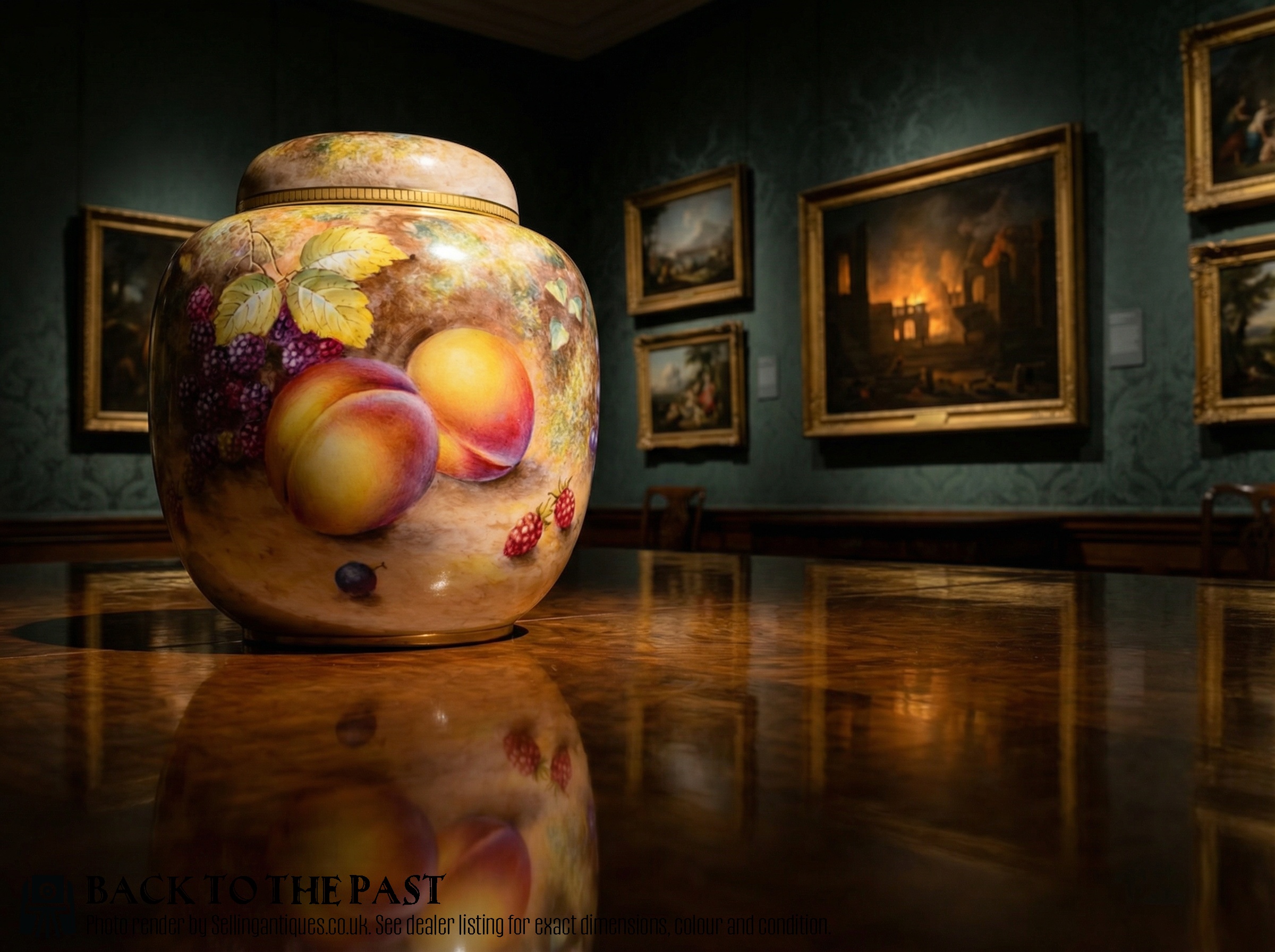
Vintage Ginger Jar
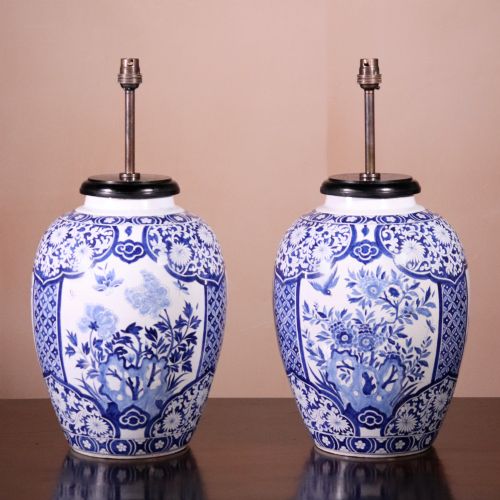
When searching for a vintage ginger jar, you encounter covered vessels and lidded vases originating from Chinese dynasties, Japanese Meiji workshops, and European factories. These pieces often arrive converted into table lamps or retain their original lids for shelf display.
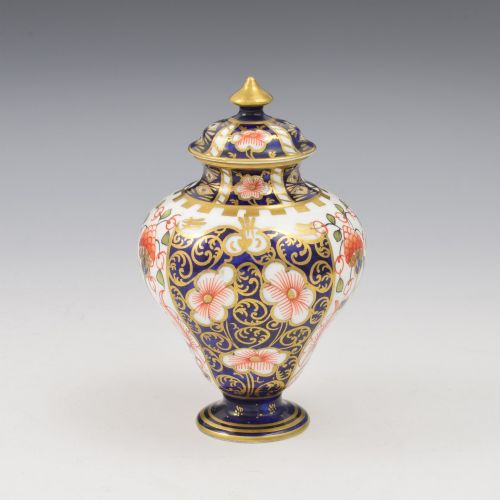
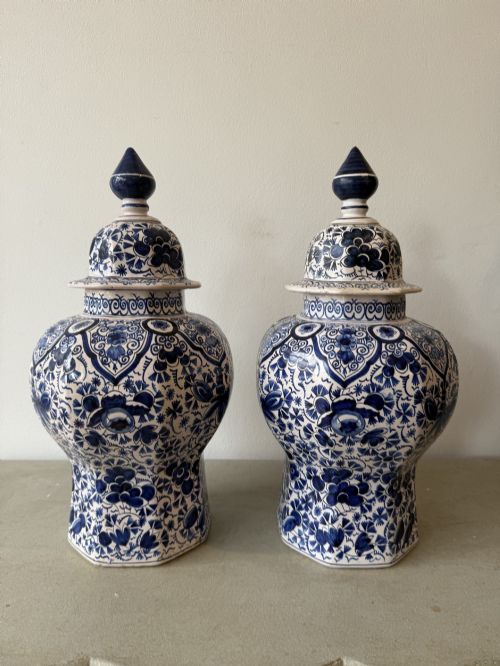
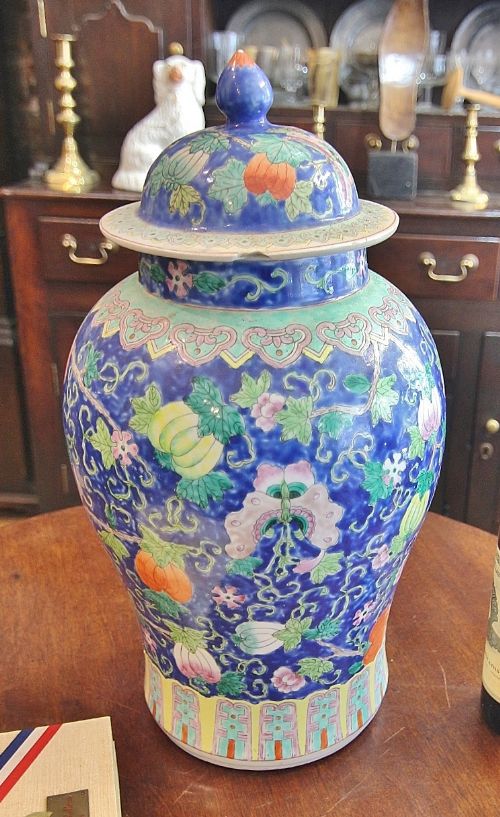
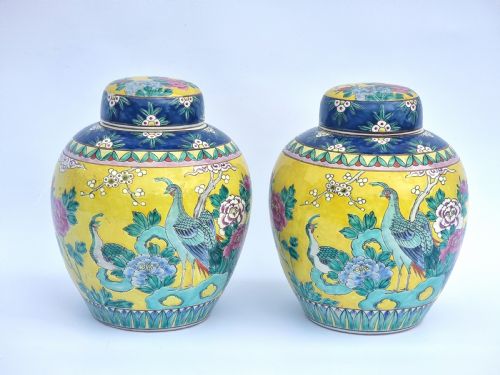
The most common versions on this page are porcelain and earthenware jars decorated with blue and white pigment, famille rose enamels, or Japanese Imari and Satsuma palettes. Many examples date from the nineteenth and early twentieth centuries, reflecting diverse global export traditions.
How they were made
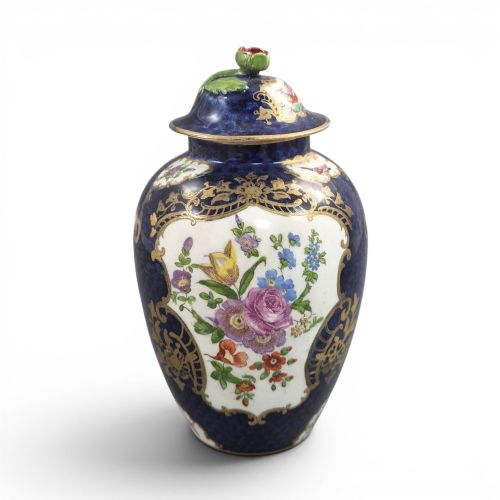
Potters shaped these bodies from porcelain, earthenware, and ceramic before applying coloured glaze, enamel, and gold leaf. Many vessels received hand-painted motifs depicting birds, florals, and figures.
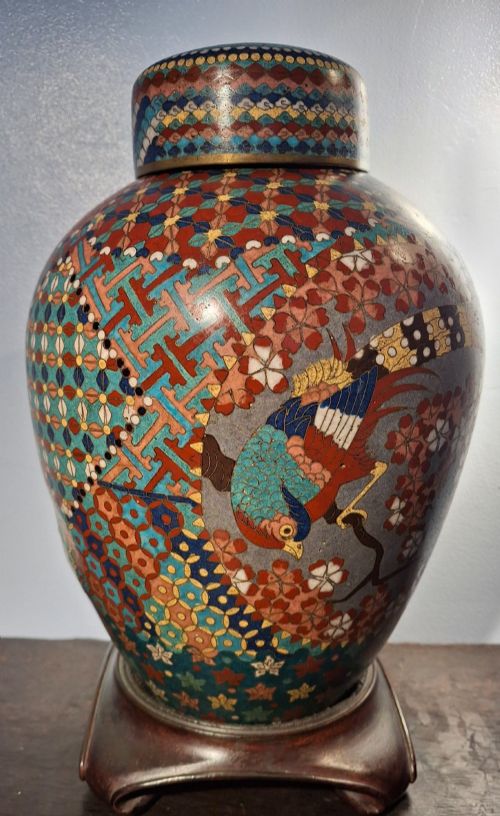
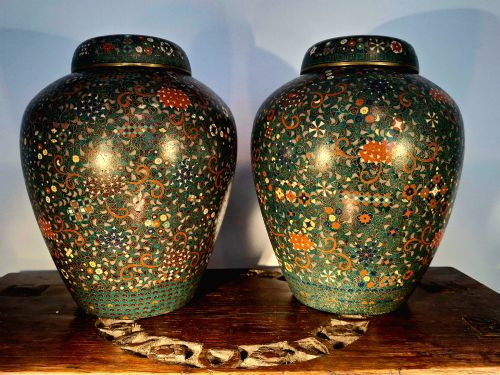
Metalwork pieces rely on brass wirework and enamel in cloisonne techniques, whilst ceramic versions often feature cobalt blue underglaze applied before firing.
Several eighteenth-century jars have outlived numerous dynasties while sitting quietly on mantelpieces, occasionally retaining faint traces of old tea dust.
What varies in quality
The standard of a vintage ginger jar rests on the precision of the hand painting and the clarity of the glaze. Crisp brushwork and well-defined enamel colours distinguish finer workshop output from simpler commercial pieces.
Proportion and the retention of a matching original cover influence desirability. Adaptations such as electrical rewiring for lamp conversion alter the physical structure but remain common.
Royal Crown Derby·Royal Winton·Royal Worcester·Herend·Tokyo Taizan·Samson of Paris·Fukagawa
The Vintage Ginger Jar Glossary
- Imari
- A style of Japanese porcelain featuring deep cobalt blue, iron red, and gold highlights. It originated in Arita and gained popularity across European export markets.
- Cloisonne
- An enamelling technique where metal wire creates raised compartments on a brass or copper base, which are then filled with coloured paste and fired.
- Famille Rose
- A palette of opaque rose-pink enamel introduced in Chinese ceramics during the Qing dynasty. It allowed for subtle tonal gradations in floral and figural scenes.
- Kamcheng
- A type of covered ceramic jar traditionally used in Peranakan households for storage. These pieces often feature vibrant enamels and animal motifs.
- Tea Caddy
- A small lidded container designed to hold dried leaves. In ceramic forms, they share similar proportions and decorative schemes with smaller ginger jars.
Vintage Ginger Jar: Frequently Asked Questions
Are these jars waterproof?
Most vintage ginger jars are glazed ceramic or porcelain and will hold water for cut flowers. However, older earthenware or pieces with repaired hairline cracks require caution.
Metal cloisonne versions use an internal brass body with enamel work and are not intended to hold liquids.
How do I spot a reproduction?
Examine the foot ring of the ceramic vessel for signs of age, such as kiln grit, wear, and dry unglazed clay. Modern reproductions often show uniform machine precision and lack the subtle irregularities of hand-thrown bodies.
Hand-painted brushwork exhibits varied pigment density, whereas printed transfers display tiny dot matrices under magnification.
Can I use a jar lamp safely?
Many ginger jars are professionally converted into table lamps by running a cord through a drilled base or fitted hardware. Ensure the internal wiring meets current electrical standards before regular use.
Check whether the original body was drilled during conversion, as this affects the physical preservation of the ceramic.
What does Imari mean?
Imari refers to Japanese porcelain exported through the port of Imari during the Edo period. The decoration relies on a distinct palette of cobalt blue underglaze and iron red overglaze, frequently enriched with gold leaf.
European factories later copied these aesthetic codes on their own porcelain bodies.