
Bone China Display Plate
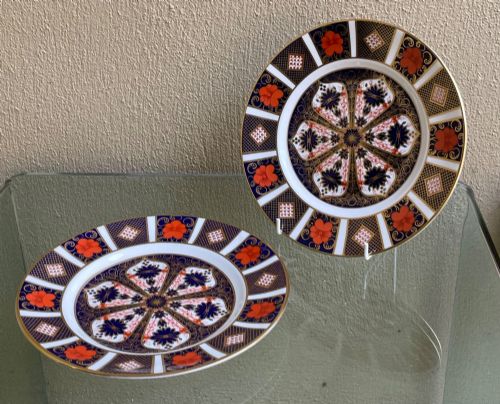
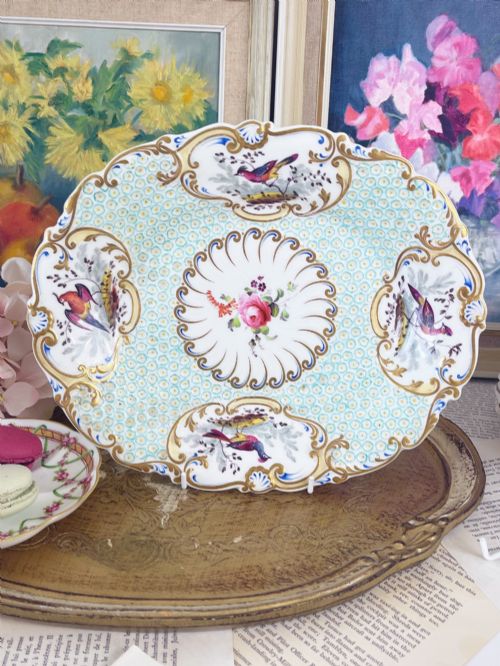
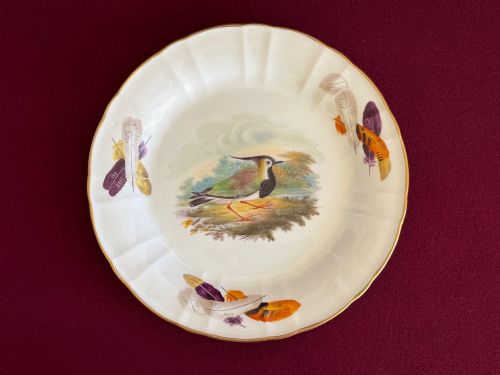
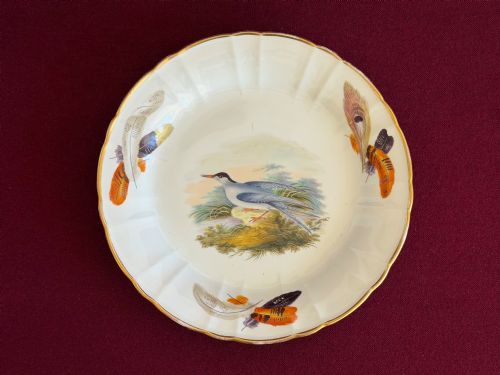
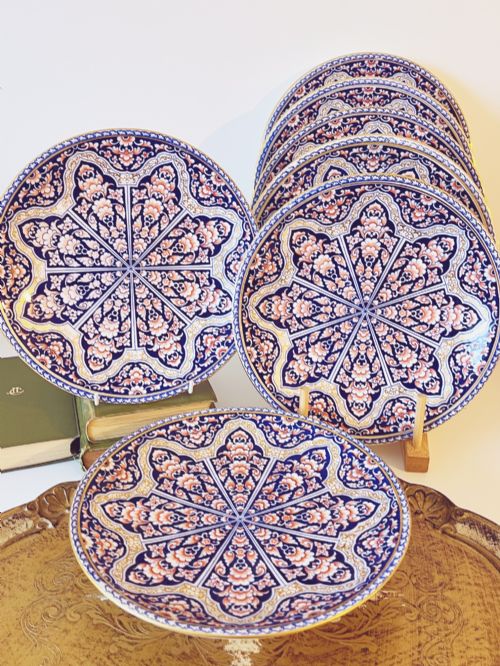
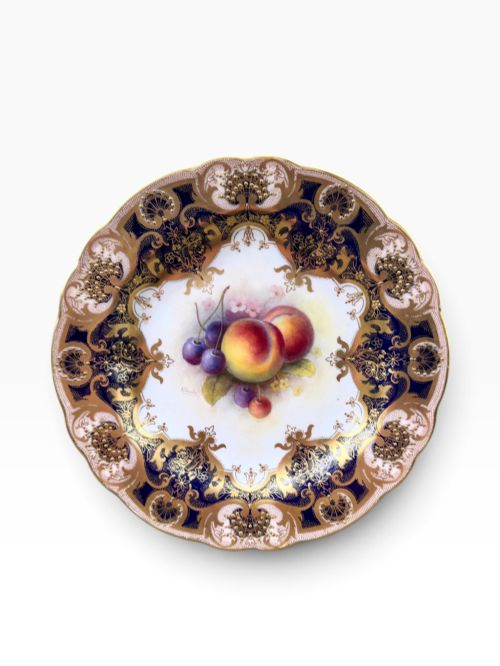
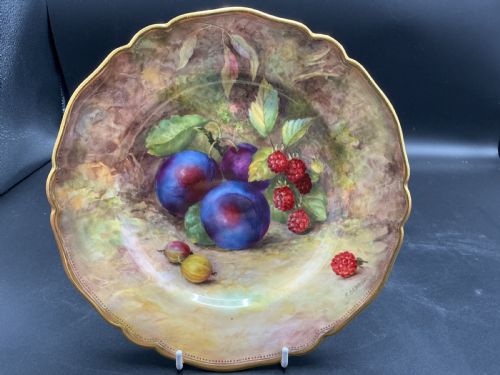
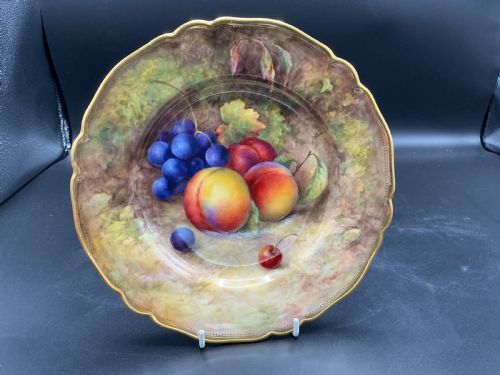
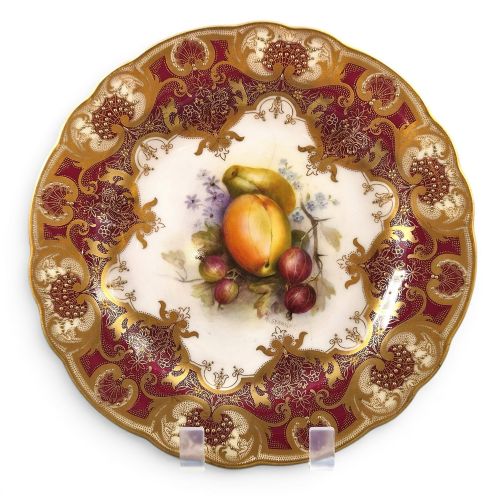
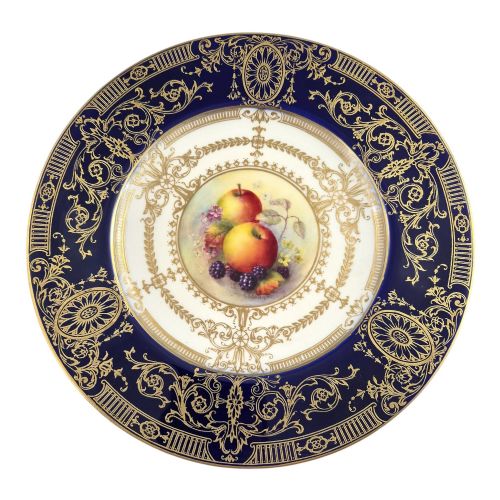
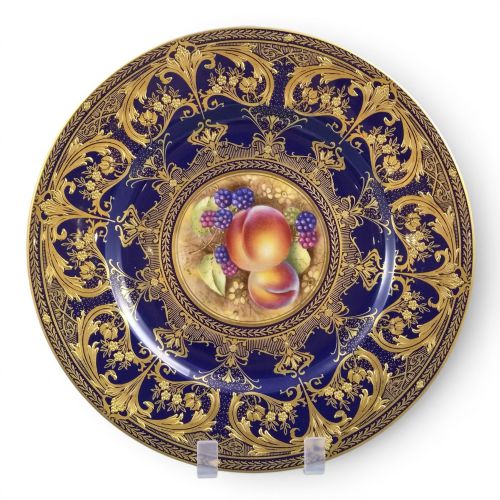
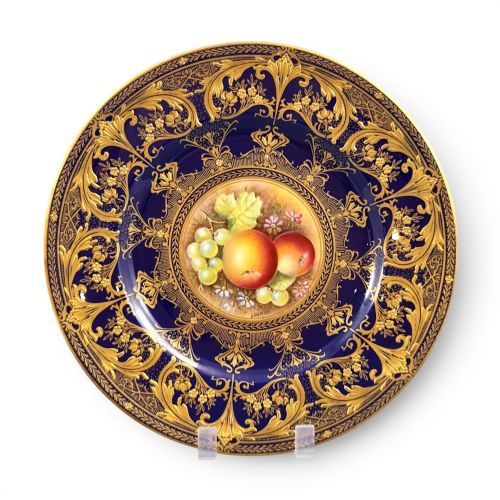
These bone china display plate examples bring hand-painted artistry and rich heraldic history directly to a sideboard or wall.
Bone China Display Plate
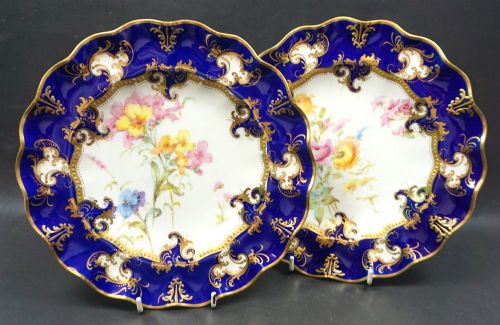
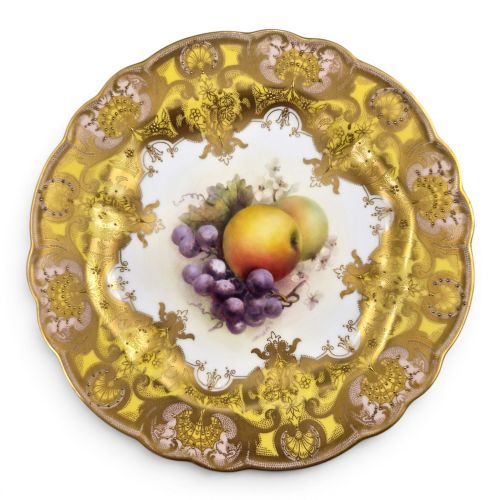
A bone china display plate is a decorative ceramic piece intended for visual presentation rather than everyday dining. When searching this phrase, a buyer encounters refined cabinet plates, dessert services, and serving dishes spanning the Georgian, Victorian, Edwardian, and mid-twentieth-century periods. The most frequent versions on this page are hand-painted works from famous English factories depicting birds, fruit, and botanical studies.
The objects originate from major English manufactories such as Royal Worcester, Royal Crown Derby, Coalport, Minton, and Wedgwood. Forms range from standard circular cabinet plates to oval serving dishes, rope-edge dinner plates, and complete dessert services comprising comports alongside matching plates. Styles encompass traditional English floral painting, Imari patterns, Japanese-inspired aesthetic designs, and armorial crests.
Materials and production methods
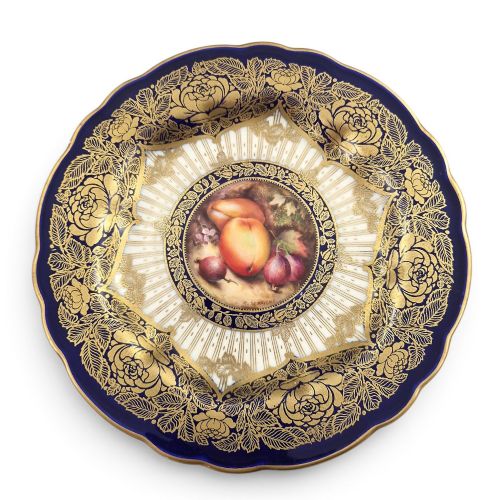
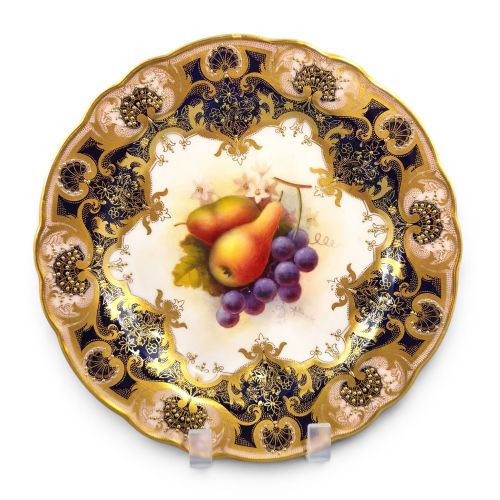
Makers utilised fine bone china and porcelain as the foundational canvas for these decorative items, combining durable clay bodies with delicate potting techniques. Artisans applied hand-painted enamels to depict intricate natural subjects, incorporating gold leaf, gilding, and gilt enamel highlights along the borders and rims. Certain pieces utilised specialised techniques like pate-sur-pate, building up layers of slip in low relief before firing.
Skilled painters signed their individual botanical studies, bird portraits, and fruit compositions directly onto the glazed surface. Kiln firing fixed these rich enamel colours and metallic gilding permanently to the ceramic body, resulting in a polished finish suitable for aristocratic homes and modern collections alike.
Listings feature porcelain and bone china forms from the Georgian, Victorian, Edwardian, and mid-century periods, decorated with gold leaf, enamel, and gilt.
Determinants of distinction
Quality rests upon the skill of the individual artist and the complexity of the painted composition. Pieces bearing signed work from established porcelain painters command attention for their detailed brushwork and naturalistic palettes. Hand-painted subjects such as botanical specimens, fancy birds, and laden fruit branches demonstrate superior artistic execution compared to standard printed transfers.
The application of heavy gilding, raised gold leaf, and intricate enamel work elevates a piece beyond basic domestic ware. Furthermore, provenance adds distinction, particularly when items were commissioned for specific aristocratic families or named institutional services.
Royal Crown Derby·Royal Worcester·Coalport·Minton·Wedgwood·Rockingham
The Bone China Display Plate Glossary
- Cabinet plate
- A decorative ceramic plate intended for display in a glass-fronted cabinet rather than for dining use. These pieces often feature elaborate painted scenes, rich gilding, or armorial crests.
- Bone china
- A type of porcelain composed of clay, feldspar, and a high percentage of animal bone ash. This composition produces a strong, translucent white body ideal for detailed painting.
- Pate-sur-pate
- A ceramic decoration technique where successive layers of liquid white porcelain slip are built up on a coloured clay body to create a low-relief cameo effect.
- Armorial plate
- A ceramic dish painted with a specific family crest, coat of arms, or heraldic motto. These were typically commissioned by aristocratic households for grand dining services.
- Comport
- A raised serving dish or pedestal bowl used traditionally to hold fruit or sweetmeats as part of a grand dessert service.
Bone China Display Plate: Frequently Asked Questions
What is a bone china display plate?
A bone china display plate is a decorative ceramic dish created primarily for visual presentation rather than practical use at the dining table. These items typically showcase detailed hand-painted artwork, gilding, or armorial crests.
Manufactured by prominent English potteries, they reflect the artistic styles of their respective periods, ranging from Georgian botanical studies to twentieth-century fruit paintings.
How were these decorative plates used?
Historically, these items served dual purposes depending on their specific form within a dining or dessert service. Some functioned as part of large dessert sets for serving fruit and sweetmeats, while others were designated specifically as cabinet pieces for display.
Over time, collectors and homeowners have utilised them primarily as wall-mounted art or decorative accents on sideboards and display cabinets.
How do I identify the period of a plate?
Dating a piece involves examining factory marks stamped or painted on the reverse, along with stylistic indicators such as border designs and colour palettes. Victorian and Georgian examples often feature specific puce or blue backstamps and hand-written pattern names.
Artist signatures and date codes found on pieces from factories like Royal Worcester provide further exact chronological markers for collectors.
Can I use these plates for serving food?
While these items were originally made as functional tableware or dessert services, antique display plates are generally treated as decorative art today. The delicate hand-painted enamels and gold leaf gilding can be vulnerable to wear and modern detergents.
Owners typically choose to preserve the integrity of the painted surface by keeping them safely on display rather than using them for daily dining.