



Bohemian Glass Perfume Bottle
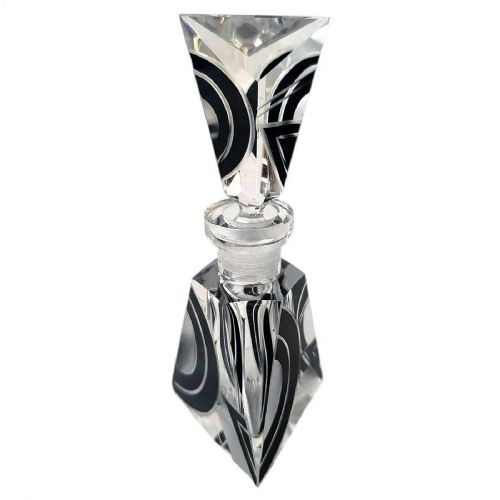
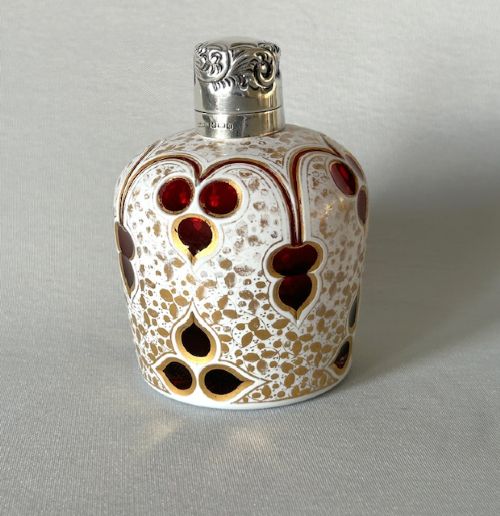
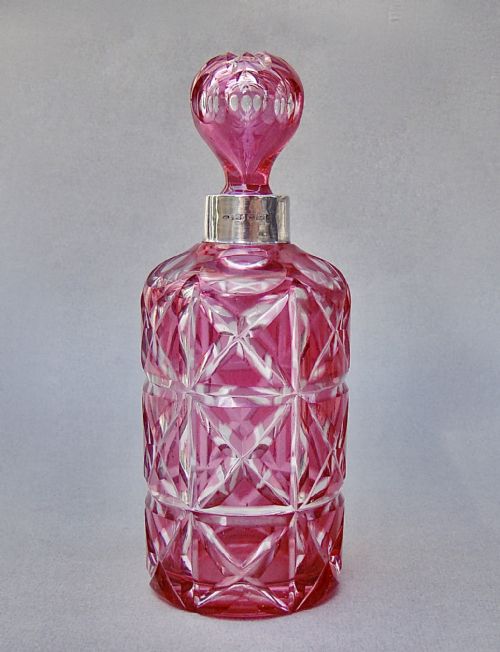
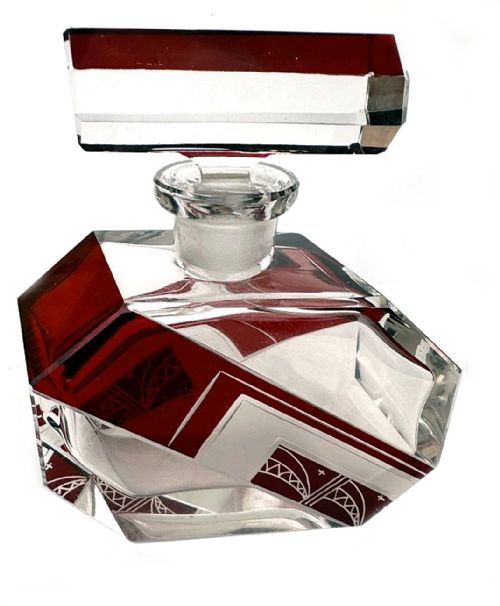
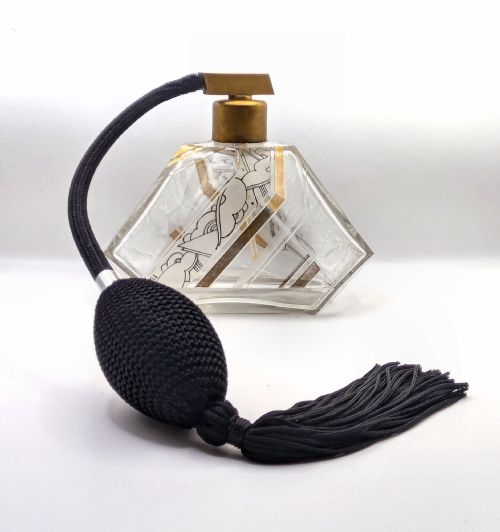
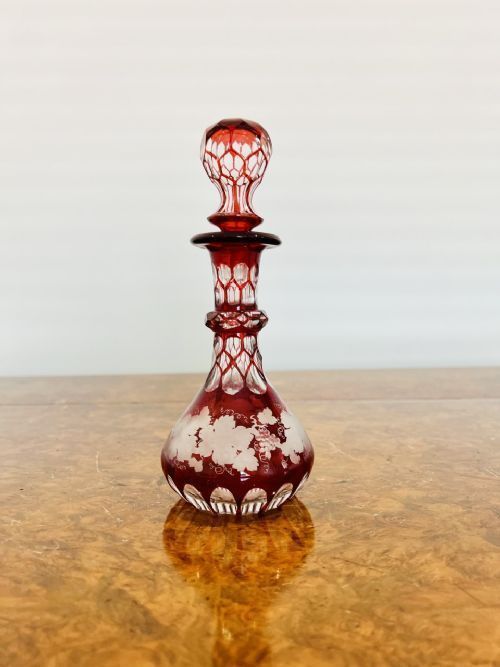
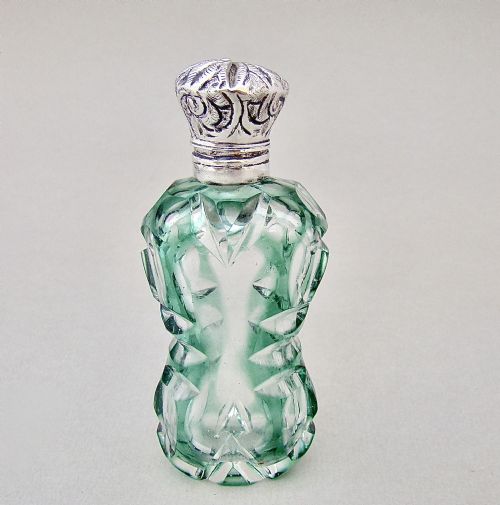
These bohemian glass perfume bottle examples range from heavy Victorian cranberry overlays to geometric Art Deco pieces.
Bohemian Glass Perfume Bottle
A bohemian glass perfume bottle sits on a dressing table or vanity, serving as both a practical container for scent and a decorative object. When searching this phrase, a buyer encounters pieces originating from distinct periods including the Victorian era, the Edwardian period, and the 1930s. The selection spans straightforward glass vessels to complex atomisers.
The 1930s forms represent a significant portion of the pieces, featuring geometric cut glass and enamel work from makers in the Czech Republic. Alongside these modernist designs, Victorian and Edwardian examples appear frequently, often incorporating heavy cut glass, silver mounts, and coloured overlays. These diverse origins provide collectors with a wide range of aesthetic choices.
How they were made
Makers utilised techniques involving layered or overlay glass, where a contrasting colour of glass covers a clear or lighter base before being cut back to reveal the pattern beneath. This method allows artisans to create deep relief designs and complex visual textures on the body of the scent bottle. Cranberry glass, green glass, and deep blue hues feature prominently across the recorded pieces.
Many examples incorporate metallic elements, such as silver mounts, chrome hardware, and gold leaf detailing applied to the surface. Cut glass techniques provide geometric facets, particularly evident in pieces from the 1930s, while enamel work adds contrasting colour directly onto the glass panels or metal atomiser collars.
Materials appearing across the site include cranberry glass, crystal, fabric, chrome, gold leaf, and enamel.
What varies in quality
The execution of the cut glass work separates standard vessels from superior examples, with sharp, clean geometric facets demonstrating greater technical skill. In overlay pieces, the precision of the cut-through layers reveals the underlying contrast without bleeding into adjacent sections. Surface decoration such as enamel and gilding shows variation in application density and preservation.
Hardware integration also defines the hierarchy of pieces, particularly where silver mounts or atomiser mechanisms meet the glass body. Fully integrated mounts that fit the contours of the Victorian or Edwardian glass indicate careful bespoke assembly. Furthermore, matched pairs or complete sets with original stoppers and functional atomiser bulbs retain a higher degree of original integrity.
Karl Palda·Rudolf Hlousek·Hermanova·Harold Bushell & Co
The Bohemian Glass Perfume Bottle Glossary
- Cranberry Glass
- A rich red-pink transparent glass created by adding gold chloride to the molten batch during production. This distinct colour appears frequently in Victorian scent bottles.
- Overlay
- A technique involving two or more layers of different coloured glass fused together while hot. Artisans then cut through the outer layer to expose the contrasting colour underneath.
- Atomiser
- A spray mechanism fitted to a perfume bottle, often incorporating a bulb and mesh tubing. These became common on vanity bottles during the Art Deco period.
- Gilt
- A thin layer of gold applied to the surface of the glass or metal mounts for decoration. This finish adds metallic highlights to the design.
- Silver Mount
- A fitted collar or cap made of silver attached to the neck of the bottle. These mounts often carry hallmarks indicating the assay office and year of manufacture.
Bohemian Glass Perfume Bottle: Frequently Asked Questions
What is a bohemian glass perfume bottle?
A bohemian glass perfume bottle is a decorative container designed to hold scent, originating from the Bohemian region in Central Europe. These pieces incorporate distinct regional glassmaking traditions, spanning coloured overlays, crystal, and geometric cutting.
Over the decades, the designs shifted from heavy Victorian and Edwardian styles with silver mounts to sleek Art Deco forms from the 1930s. Each era brought specific manufacturing techniques that define the appearance of the vessel today.
How do I date these perfume bottles?
Dating relies on stylistic markers, materials, and accompanying hardware such as silver mounts. Victorian and Edwardian pieces frequently feature heavy cut glass, cranberry or green overlays, and hallmarked silver collars.
Art Deco examples from the 1930s often display sharp geometric cuts, enamel decoration, and integrated atomiser hardware. Makers associated with this later period provide more precise attribution when their names appear on the pieces.
Did these bottles always have stoppers?
Most traditional perfume bottles included a matching glass stopper designed to fit the ground neck of the vessel. Atomiser versions utilised spray mechanisms instead of standard stoppers to dispense the scent.
When evaluating older scent bottles, matching stoppers contribute to the completeness of the piece. Replacements occur, so examining the fit and glass colour match is standard practice for collectors.
How should I display them?
These scent bottles suit placement on dressing tables, glass-fronted cabinets, or vanity trays where light can pass through the coloured glass. Positioning them away from direct, high-heat sunlight protects any applied enamel and gilding.
Due to the delicate nature of applied atomiser bulbs and silver mounts, stable flat surfaces prevent tipping. Handling them by the body rather than the hardware ensures secure placement.