


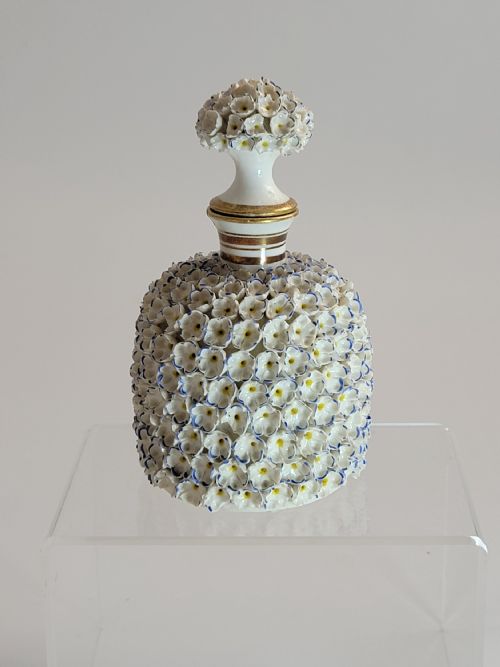


Victorian Perfume Flacon
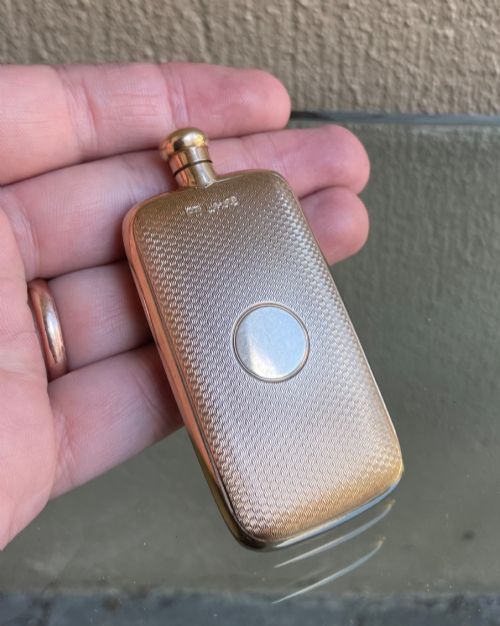
A victorian perfume flacon is a small personal container for scent, prized for its miniature glass and silver craftsmanship.
Victorian Perfume Flacon
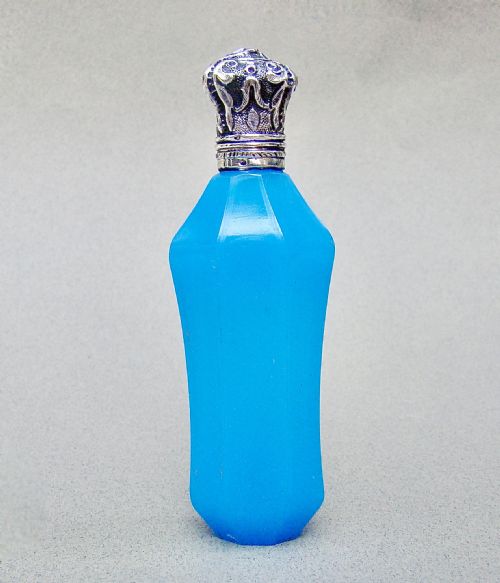
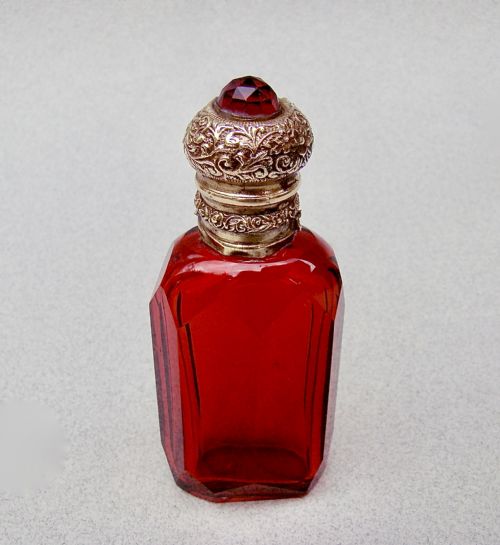
Makers utilised coloured glass such as ruby, cranberry, and opaline turquoise, frequently mounting them in silver, sterling silver, or ormolu. Certain pieces feature porcelain bodies, including works attributed to Minton and Royal Worcester.
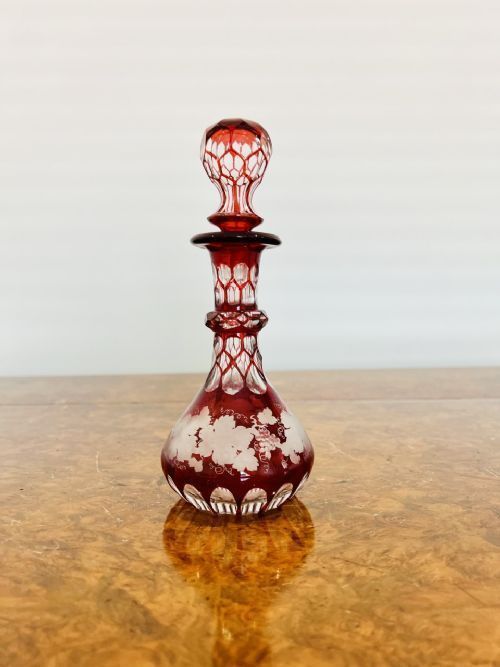
The selection ranges from simple cut glass spirit bottles with silver collars to elaborate cased and overlay glass flasks with hinged caps. Buyers encounter both single vessels and matching pairs designed for dressing table use.
Materials and construction
Glassmakers shaped vessels through cutting lead crystal, blowing overlay glass, and working with specialised hues like cranberry and ruby. Metalworkers then added silver collars, silver-gilt mounts, and ormolu frames to secure the stoppers.
Porcelain bodies received hand-painted details and applied encrustations such as forget-me-nots. Leather and velvet cases often accompanied these delicate containers to protect them during travel.
Listings feature nineteenth-century items spanning the Victorian era, incorporating French Second Empire and Rococo Revival stylistic influences alongside English silver work.
Assessing quality
Distinctions in quality rest upon the precision of the glass cutting, the depth of the coloured glass overlays, and the crispness of metal chasing on silver and ormolu mounts. Finer examples display harmonious proportions between the glass body and its precious metal hardware.
The presence of matching stoppers and intact internal fittings elevates a piece, whilst decorative additions like porcelain flower encrustations demonstrate advanced hand-modelling skill.
Royal Worcester·Minton
The Victorian Perfume Flacon Glossary
- Flacon
- A small stoppered bottle designed for perfume or scent. This term often describes decorative glass or crystal vessels from the nineteenth century.
- Ormolu
- Gilding technique using finely ground gold applied to a bronze base. It provides a bright metallic trim on French nineteenth-century mountings.
- Cranberry glass
- Transparent pinkish-red glass created by adding gold chloride to the molten batch. It appears frequently in nineteenth-century dressing table wares.
- Overlay glass
- Glass composed of multiple distinct layers where the outer stratum is cut away to reveal a contrasting colour underneath. This technique creates geometric or floral patterns.
- Sterling silver
- An alloy containing a high proportion of pure silver by mass, utilised for bottle collars and hinged caps.
Victorian Perfume Flacon: Frequently Asked Questions
What is a victorian perfume flacon used for?
These vessels held liquid scents and colognes for personal grooming on dressing tables. Their tight stoppers preserved volatile fragrances in the nineteenth century.
Many examples were compact enough for carriage use or evening reticules, allowing owners to refresh their scent away from home.
How do I identify French pieces?
French flacons often combine richly coloured or opaline glass with elaborate ormolu mounts or cased overlays. They frequently date to the mid to late nineteenth century under the Second Empire style.
English equivalents tend to feature sterling silver collars bearing assay office marks from cities like Birmingham alongside cut lead crystal.
Are stoppers usually original?
Many surviving bottles retain their matching glass or metal stoppers. Replacement stoppers occur due to the fragile nature of miniature glassware.
Checking the fit and matching the glass colour or mount style helps determine originality.
How should I display them?
Display these bottles on mirrored plateau trays or inside glass cabinets to catch light through the coloured and cut glass surfaces. Stable, flat surfaces away from direct sunlight protect the delicate mounts and glass.
Handling them by the body rather than the hinged cap prevents strain on vintage silver joints.