




Bohemian Ceramic Figure
A bohemian ceramic figure brings sculptural presence and period character into a room through finely modelled porcelain, terracotta and earthenware.
Bohemian Ceramic Figure
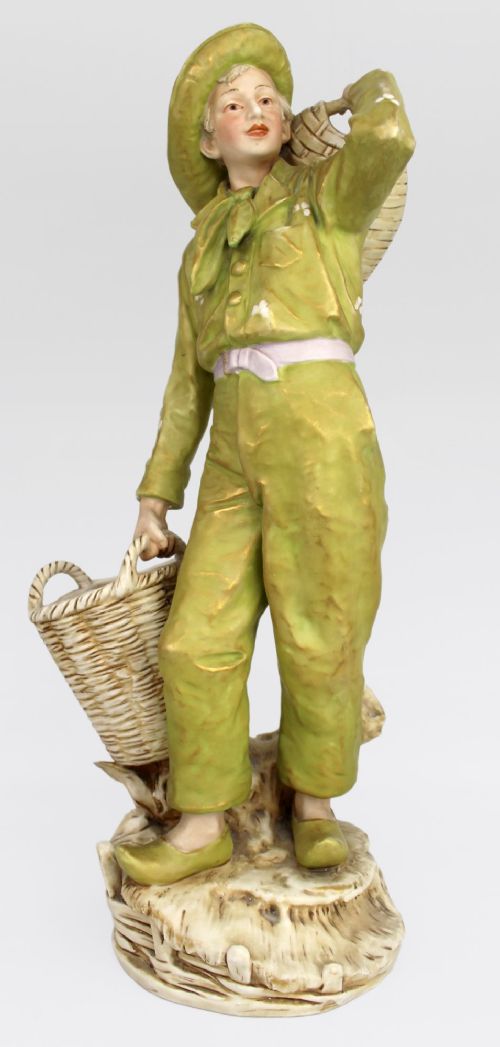
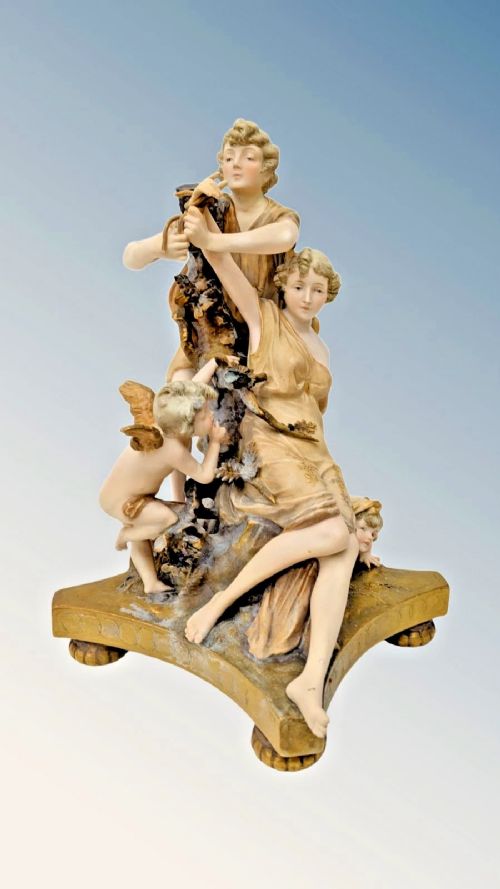
A bohemian ceramic figure represents sculptural work produced in Bohemia from the nineteenth century into the twentieth century, encompassing figures, figurines and larger sculptural groups. When searching for a bohemian ceramic figure, collectors typically encounter works depicting graceful maidens, water carriers, fisher folk, children with animals, and distinct Art Nouveau or Art Deco subjects.
The objects span periods from the eighteen-eighties through the Edwardian era and into nineteen-thirty, reflecting changing design movements from Victorian Orientalism and Neoclassical styles to flowing Art Nouveau and geometric Art Deco forms. Common subjects include female bathers, nymphs, shepherds, and domestic or hunting dogs modelled as single pieces or balanced pairs.
Makers and factories such as Royal Dux, Ernst Wahliss, Bernard Bloch and Eichwald dominate these offerings, providing detailed ceramic sculptures that function as ornamental centrepieces, spill vases or cabinet figurines. These pieces showcase the regional skill in shaping ceramic bodies into expressive human and animal forms.
What varies in quality
The standard of modelling defines the upper tier of these sculptures, separating dynamic, fluidly captured anatomical forms from rigid or generic castings. Crisp detailing in fingers, facial expressions, drapery and animal fur demonstrates the sculptor's original skill and the fidelity of the factory cast.
The application of hand-painted enamel, gilt and glaze alters the visual depth of a piece, with superior examples showing subtle tonal variation rather than flat, uniform colour. Furthermore, monumental scale and intact original numbering or factory signatures elevate the significance of individual works.
A porcelain setter dog stands ready alongside figures of puppies and kittens carried in miniature baskets.
Royal Dux Bohemia·Ernst Wahliss·Bernard Bloch·Eichwald·H. Schubert·Alois Hampel
The Bohemian Ceramic Figure Glossary
- Biscuit porcelain
- Unglazed porcelain fired once to a porous, matt state, prized for its smooth, marble-like surface texture that highlights subtle sculptural details.
- Terracotta
- A porous, brownish-red fired clay body often used for realistic figurative sculptures and busts before surface painting or glazing.
- Art Nouveau
- A decorative style popular in the late nineteenth and early twentieth centuries characterised by organic lines, flowing hair and stylised floral motifs.
- Spill vase
- A hollow cylindrical container integrated into a figurine designed to hold slender wooden spills used for lighting fires or pipes.
- Centrepiece
- A large decorative sculpture or figural group intended to be placed in the middle of a table or sideboard as a focal point.
Bohemian Ceramic Figure: Frequently Asked Questions
What periods do these figures date from?
These ceramic sculptures date primarily from the late nineteenth century through the Edwardian era and up to nineteen-thirty. The selection covers nineteenth century work, eighteen-eighties production, and later Art Nouveau and Art Deco periods.
Makers active during these decades produced diverse models ranging from early numbered pieces to monumental twentieth century exhibition figures.
How can I identify a Royal Dux piece?
Royal Dux works often feature distinct factory markings, including applied pink triangular pads or impressed numbers corresponding to specific model archives. The modelling frequently showcases characteristic Art Nouveau subjects like water nymphs, maidens with shells, and pastoral figures.
Individual sculptors and designers such as Alois Hampel and H. Schubert also contributed modelled forms to the factory output.
Were these figures used as decorative items?
These ceramic works served primarily as decorative ornaments, table centrepieces and figural sculptures within period interiors. Some functional variants, such as spill vases, combined sculptural figures with practical holders for household matches or tapers.
Larger pairs and monumental figures were designed to occupy prominent spaces on mantelpieces and entrance halls.
What materials were used besides porcelain?
While porcelain and biscuit porcelain are common, makers also utilised terracotta and earthenware for figurative work. These varied ceramic bodies received surface treatments including enamel, paint, glaze and gilt to enhance clothing, hair and natural backgrounds.