
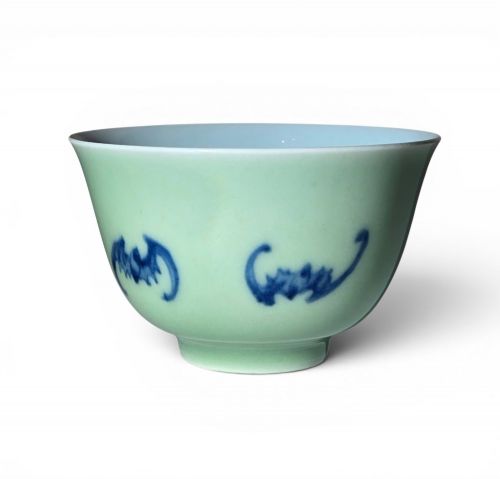
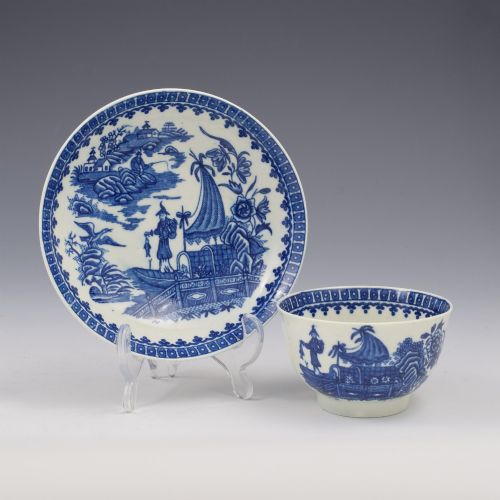


Blue White Tea Cup
These blue white tea cup examples bring together eighteenth and nineteenth-century ceramic traditions, offering collectors tea bowls, saucers, and trios decorated in cobalt.
Blue White Tea Cup
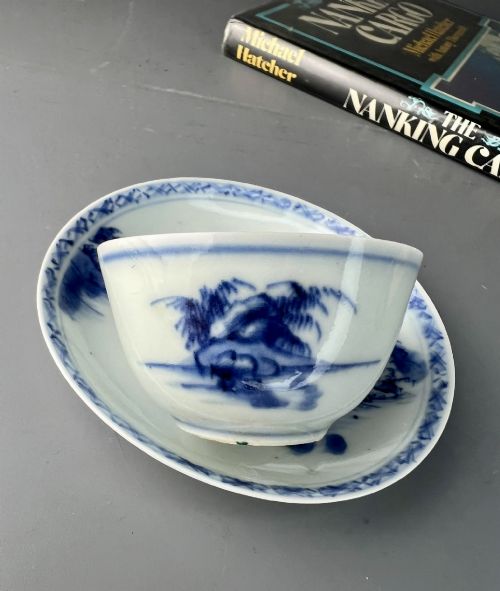
When you search for a blue white tea cup, you encounter forms ranging from eighteenth-century English tea bowls and saucers to nineteenth-century trios and larger tea services. The pieces span Georgian, Regency, and Qing Dynasty periods, alongside specific domestic outputs such as Worcester and Lowestoft.
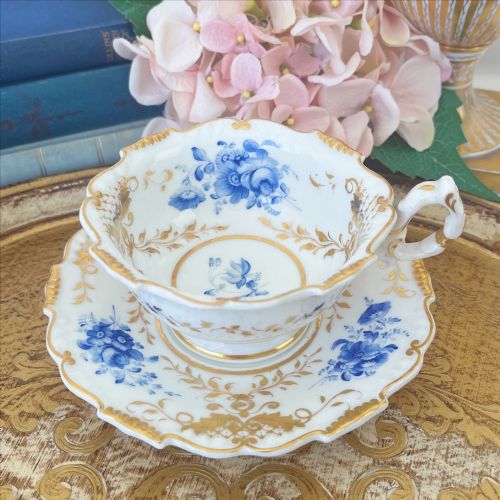
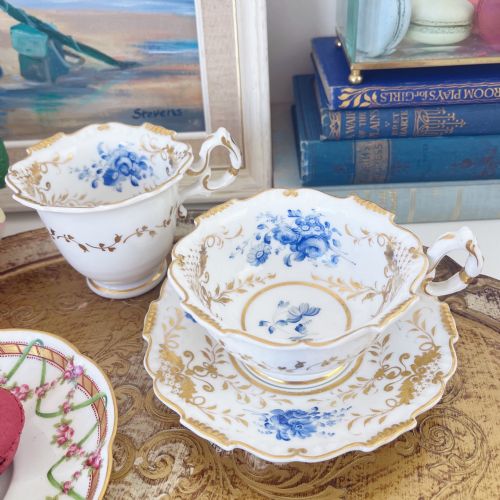
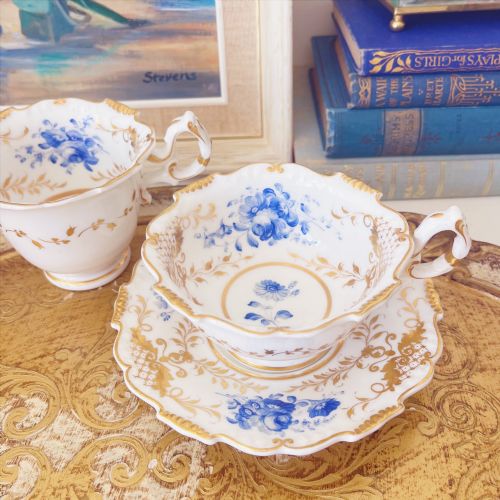
The version you are most likely to meet on this page is the English porcelain tea bowl and saucer set, often featuring moulded or handpainted cobalt designs. Alongside these traditional domestic forms, Chinese export ceramics and occasional glass pieces appear within the selections.
Materials and production methods
Makers utilised porcelain, soft-paste porcelain, and bone china as the primary bodies for these wares, applying cobalt glaze underneath or directly onto the surface. Glaze seals the porous ceramic body while carrying the characteristic blue pigment applied during decoration.
Certain pieces incorporate enamel colours, gold gilding, or gold leaf accents to highlight handpainted motifs. Potters shaped these items into tea bowls, posset pots, and handled cups before firing them in kilns.
Listings feature porcelain, soft-paste porcelain, and bone china items spanning the eighteenth and nineteenth centuries, including Georgian and Regency pieces.
Assessing quality in early ceramics
Quality rests upon the crispness of the cobalt glaze application and the fineness of the porcelain body, distinguishing factory output. Earlier eighteenth-century pieces often show subtle variations in potting thickness and brushwork control.
The prestige of the maker and the preservation of handpainted details or gilding elevate certain trios and tea bowls. Condition plays a role, as pieces retaining complete saucers and unblemished glaze finishes command greater attention.
H & R Daniel Shrewsbury·Coalport·Derby·Minton·Yates·Worcester·Lowestoft
The Blue White Tea Cup Glossary
- Tea bowl
- A handleless cup used for drinking tea before the widespread adoption of handled cups in the late eighteenth century. These small vessels require both hands to hold when the contents are hot.
- Soft-paste porcelain
- A ceramic composition made from white clay, glass, and ground minerals, fired at lower temperatures than hard-paste porcelain. This material appeared widely in eighteenth-century English factories.
- Cobalt glaze
- A blue metallic oxide pigment applied to pottery beneath or over the glaze before firing. It withstands high kiln temperatures without losing its intense colour.
- Trio
- A matched set comprising a teacup, coffee cup, and saucer, popular during the Georgian and Regency periods. They allowed drinkers to alternate between hot beverages.
- Posset pot
- A vessel with a lid and handles used for serving posset, a traditional hot drink made of milk curdled with wine or ale. Examples from the delftware tradition feature tin glazes.
Blue White Tea Cup: Frequently Asked Questions
What is a tea bowl?
A tea bowl is a handleless drinking vessel commonly found in eighteenth-century tea sets. These pieces reflect earlier dining customs before handled cups became standard.
Collectors prize them for their delicate potting and early cobalt blue painted designs. They sit directly in matching saucers.
How do I date an antique cup?
Dating relies on identifying factory marks, paste compositions, and stylistic details such as floral patterns or border designs. Eighteenth-century pieces often feature soft-paste porcelain bodies without handles.
Later nineteenth-century items introduce bone china, handles, and more complex gilded motifs. Comparing pieces to documented factory output helps narrow the period.
What is the difference between porcelain and bone china?
Porcelain uses china clay and petuntse fired at high temperatures to create a hard, vitrified body. Soft-paste porcelain contains glass frit and white clays, producing a warmer tone under the glaze.
Bone china incorporates animal bone ash into the porcelain mixture, introduced later to increase strength and whiteness.