


Blue White Pottery Lid
A blue white pottery lid protects and completes a vessel, turning utilitarian ceramics into collected fragments of centuries past.
Blue White Pottery Lid
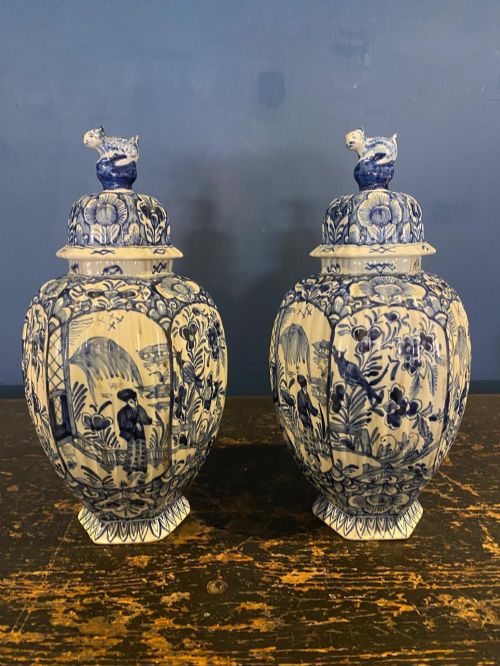
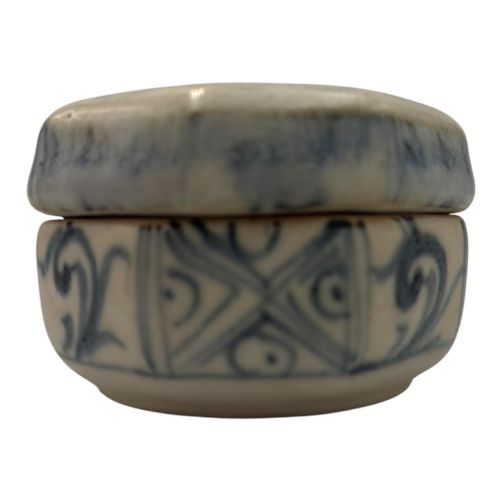
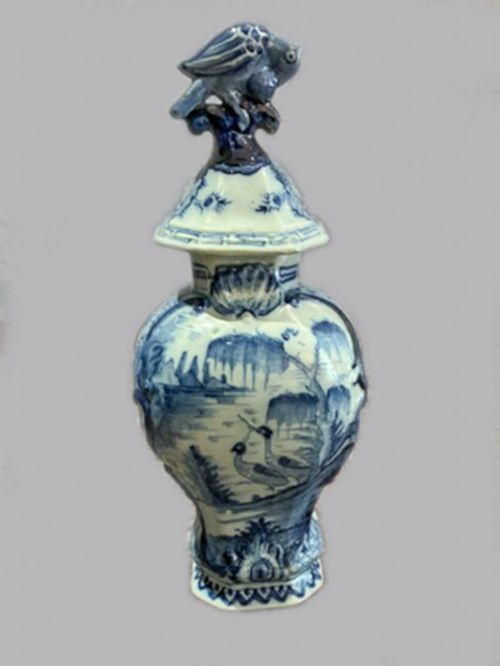
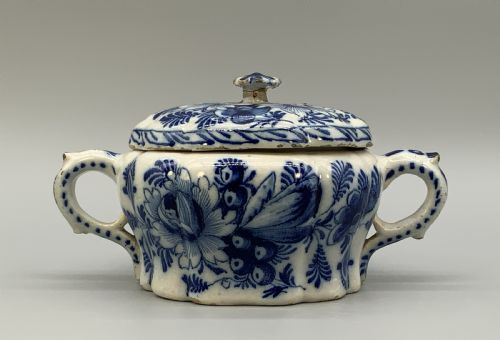
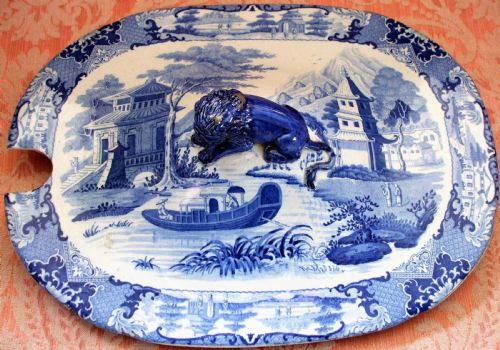
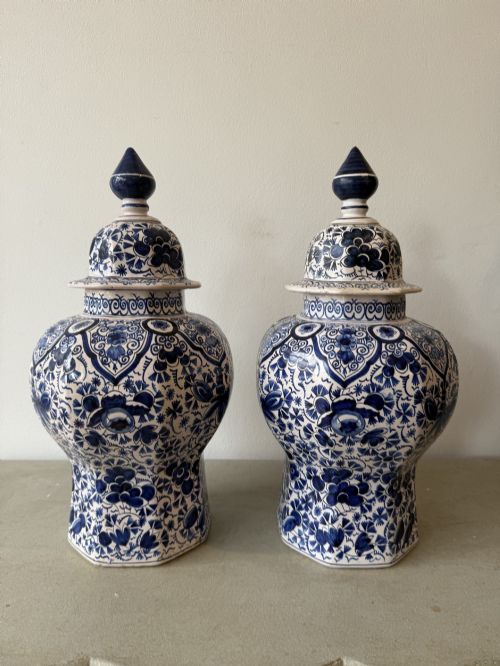
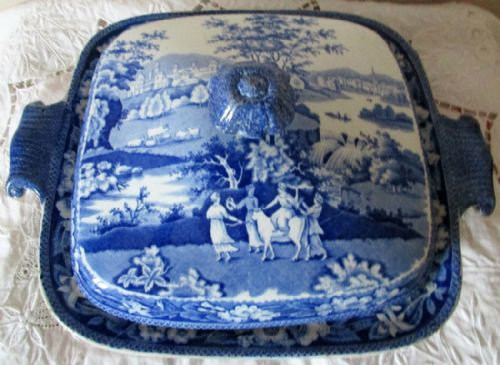
When you search for blue white pottery lid, you encounter individual covers and complete lidded vessels originating from various centuries and workshops. The selection ranges from early Asian covered boxes to English transferware tureen covers and continental delft jars.
Most examples found on this page belong to larger household services or decorative vessels, including tureen covers, lidded vases, and jars. These items span periods from the sixteenth century through the Georgian and Victorian eras, reflecting diverse international ceramic traditions.
How they were made
Potters shaped these objects from earthenware, stoneware, and ceramic bodies before applying tin glazes or transfer-printed cobalt designs. The blue and white coloration relies on metallic oxides fired beneath or within the glaze layers.
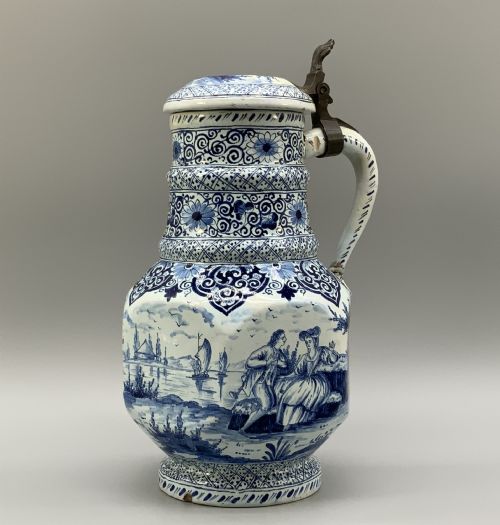
Certain pieces incorporate metal elements, such as pewter lids or brass mounts, attached to ceramic bodies during production or subsequent historic repairs.
Materials documented across the pieces include earthenware, stoneware, tin-glazed earthenware, faience, and brass.
What varies in quality
The sophistication of the cobalt painting or transfer printing dictates the visual strength of each piece. Crispness in the application of patterns like Canton River Scene or floral motifs separates ordinary production from finer examples.
The integrity of the ceramic body and the precision of the fit between cover and vessel demonstrate the skill of the original maker.
Robert Hamilton·John and Richard Riley·James Wallace and Co·Ridgways
The Blue White Pottery Lid Glossary
- Tin-Glazed Earthenware
- Pottery covered with an opaque white glaze containing tin oxide, providing a smooth surface for painted cobalt decoration. This technique defines much of traditional delftware and faience.
- Transfer Print
- A method of decorating ceramics by engraving a design on a metal plate, pulling it on tissue paper, and pressing it onto the biscuit or glazed surface before firing. It allowed intricate scenes like rural landscapes to be reproduced consistently.
- Posset Pot
- A spouted vessel used for serving a traditional hot drink made of curdled milk mixed with wine or ale. Surviving examples often feature matching lids.
- Tureen
- A large, deep serving bowl for soup or vegetables, almost invariably accompanied by a matching cover. They appear frequently in Georgian and Victorian transferware services.
Blue White Pottery Lid: Frequently Asked Questions
Are these lids sold alone or with vessels?
The listings include both standalone covers and complete lidded vessels such as tureens, jars, and vases.
Individual lids usually survive from larger table services where the base has been lost over time.
How do I identify a delft lid?
Delft lids typically display hand-painted cobalt designs over an opaque white tin glaze on an earthenware body.
They generally date from the seventeenth and eighteenth centuries, originating from English or Dutch workshops.
What is transfer printing?
Transfer printing is a mechanical decoration technique introduced in the eighteenth century to apply detailed patterns onto pottery surfaces.
Instead of hand painting, manufacturers used engraved copper plates to transfer ink designs onto the ceramic.
How should I clean antique pottery?
Antique ceramics require gentle cleaning with lukewarm water and mild soap, avoiding harsh scrubbing or soaking.
Old repairs and metal mounts, such as pewter or brass, are particularly sensitive to moisture and should be dried immediately.