



Blue White Porcelain Tableware
Blue white porcelain tableware brings enduring maritime and botanical motifs to the table, offering functional ceramic history from the eighteenth century onwards.
Blue White Porcelain Tableware
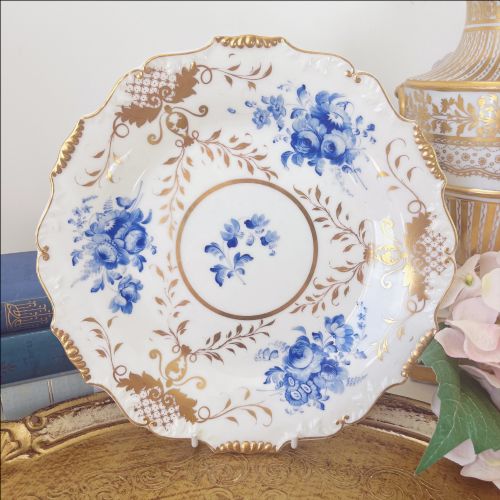
Blue white porcelain tableware encompasses practical dining vessels and serving pieces decorated primarily in cobalt blue underglaze. Buyers encounter functional forms ranging from sauce boats and soup dishes to complete dinner services and specialised pickle dishes.
The selections span distinct periods including the eighteenth century, the nineteenth century, and the nineteen thirties. Pieces originate from English factories such as Worcester, Caughley, Bow, Wedgwood, and Copeland Spode, alongside continental and Japanese makers.
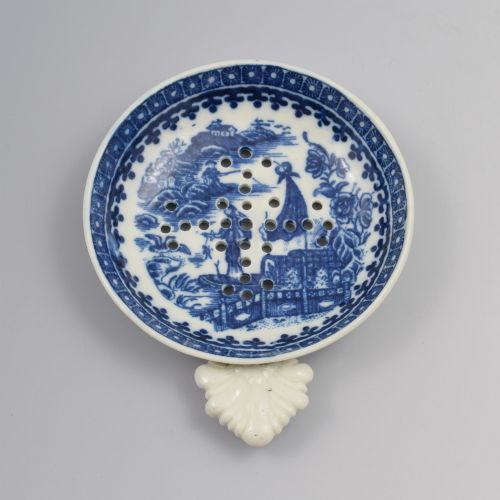
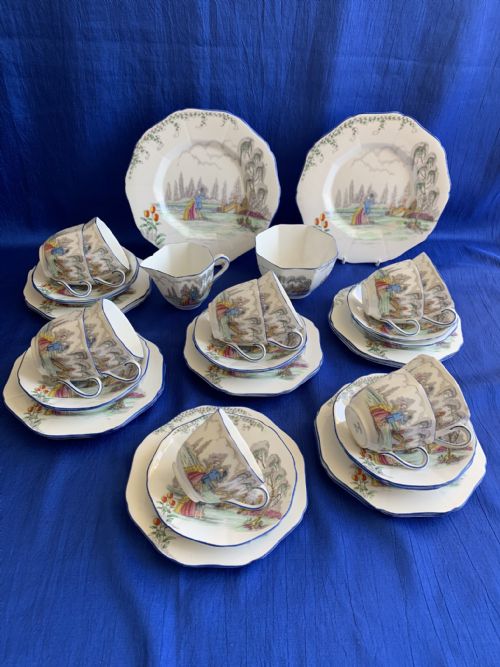
Serving items like sauce tureens with ladles, butter dishes, and egg drainers dominate the earlier centuries, whilst later decades provide larger sets such as sushi plates and extensive dinner services. Each item reflects the enduring popularity of blue and white ceramic decoration across generations of dining.
What varies in quality in blue white porcelain tableware
Quality depends upon the fineness of the ceramic paste and the clarity of the cobalt blue underglaze painting or transfer printing. Crispness in moulded details, such as the relief work on sauce boats and tureens, distinguishes finer productions from standard factory output.
The precision of the glaze finish and the preservation of any supplementary gilt or enamel details influence the overall standing of a piece. Early soft-paste bodies and delicate hand-painted brushwork from eighteenth-century manufactories represent distinct technical achievements compared to later mass-produced ironstone services.
Listings feature items spanning the eighteenth century, nineteenth century, and nineteen thirties, utilising porcelain, soft-paste porcelain, ironstone, and earthenware.
Caughley·Worcester·Bow·Grainger and Co Royal Worcester·Kuznetsov·Wedgwood·Copeland Spode·Sutherland
The Blue White Porcelain Tableware Glossary
- Cobalt glaze
- A metallic oxide pigment applied beneath the glaze to produce rich blue decoration during high-temperature kiln firing. This material withstands intense heat without losing its characteristic hue.
- Soft-paste porcelain
- An artificial ceramic composition fired at lower temperatures than true hard-paste porcelain. It was widely utilised by eighteenth-century English factories before standard porcelain formulas took precedence.
- Ironstone
- A heavy, durable type of earthenware patented in the nineteenth century. It offered robust utility for everyday dining services while maintaining a refined ceramic appearance.
- Sauce boat
- A small ceramic vessel designed with a spout and handle for serving gravies or sauces at the table. Eighteenth and nineteenth-century examples often included matching stands or ladles.
- Underglaze
- A decoration technique where pigments are applied to the unglazed ceramic body before the transparent glaze layer is added. This protects the painted design beneath a glossy vitreous surface.
Blue White Porcelain Tableware: Frequently Asked Questions
How do I clean antique blue white porcelain?
Wash these pieces gently by hand in warm water using a mild, non-abrasive detergent. Avoid dishwashers, harsh scrubbers, and soaking, particularly on items with gilt highlights or delicate enamel decoration.
Dry each vessel thoroughly with a soft cloth to protect the glaze and any historic ceramic crazing from moisture damage over time.
Can I use these antique dishes for daily dining?
Many sturdy ironstone and later porcelain services remain robust enough for careful everyday use. However, eighteenth-century soft-paste pieces and items with delicate handles or gilt work are better reserved for display or occasional special dining.
Assessing the weight, body material, and overall condition of each individual vessel helps determine its suitability for modern culinary tasks.
How do I date an antique blue and white piece?
Examine the underside for factory marks, pattern names, or impressed ciphers that correspond to known historical registration periods. The composition of the ceramic body, whether soft-paste porcelain, early bone china, or heavy ironstone, also provides strong chronological clues.
Stylistic indicators such as Georgian chinoiserie motifs, Victorian transfer prints, or Edwardian aesthetic preferences further narrow down the decade of manufacture.
What is the difference between porcelain and ironstone?
Porcelain is a vitrified ceramic fired at high temperatures until semi-translucent and non-porous, offering a refined and delicate structure. Ironstone is a dense, opaque earthenware developed in the nineteenth century for maximum durability and strength.
While porcelain yields a ringing tone when tapped gently, ironstone produces a heavier, more solid thud and withstands rigorous service environments.