



Georgian Ceramic Pickle Dish
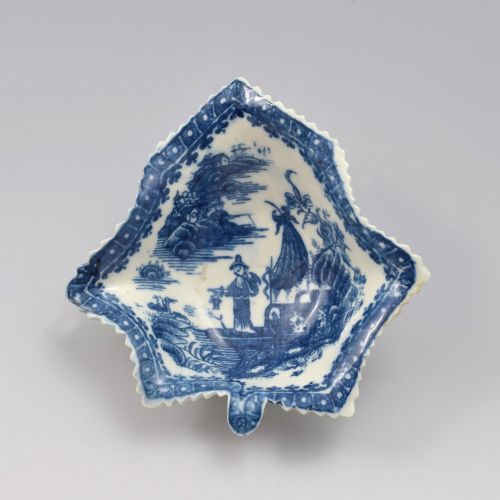
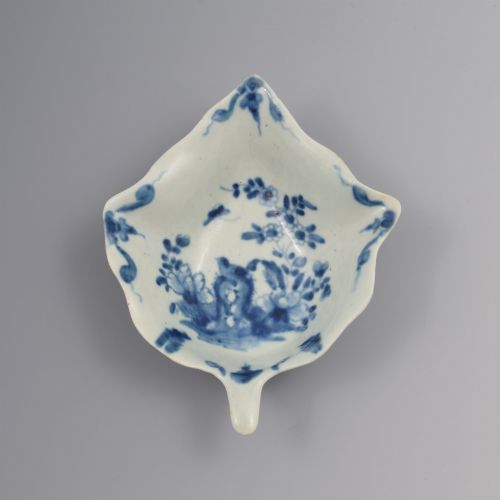
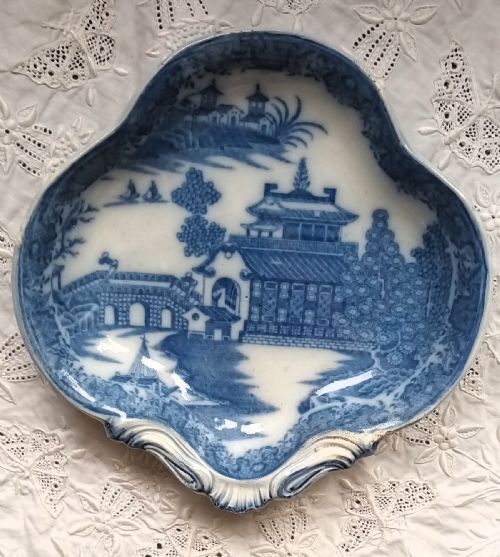
A georgian ceramic pickle dish brings eighteenth-century dining tables to life with shell and leaf forms painted in cobalt underglaze.
Georgian Ceramic Pickle Dish
A georgian ceramic pickle dish is a small tableware item designed for serving condiments, pickles, or sweetmeats during formal meals. The examples found here span the eighteenth century and the early nineteenth century, showcasing the output of English factories.
Most pieces take naturalistic shapes drawn from the botanical and marine worlds, frequently appearing as leaves, shells, or trefoil dishes. Makers adapted these organic forms for functional dining use, producing small serving vessels that added texture to the table setting.
The prevailing styles on this page reflect popular taste of the period, particularly Chinoiserie transfer-printing and hand-painted floral or avian motifs. Buyers encounter both soft-paste porcelain and ironstone bodies, decorated with cobalt underglaze, enamel, or gilt highlights.
How they were made
Potters shaped these vessels using soft-paste porcelain, earthenware, or ironstone, pressing the clay into moulds to achieve intricate leaf and shell contours. The material determines the weight and translucency of the dish, with soft-paste porcelain offering a finer finish than standard earthenware.
Decoration relied heavily on cobalt underglaze painting, transfer-printing in blue and white, and supplementary enamel or gilt highlights applied over the glaze. Factories such as Worcester and Caughley employed skilled painters to execute complex Chinoiserie patterns before a final kiln firing.
Early porcelain decorators had a habit of painting tiny, improbable rocks beneath oversized birds to give them something to stand on.
What varies in quality
The clarity of the cobalt underglaze and the precision of hand-painted details distinguish finer pieces from standard production. Crisp moulding on leaf veins and shell ribs indicates superior execution by the potter.
The reputation of the factory and the complexity of the pattern influence the standing of an individual dish. Early porcelain bodies with intricate Chinoiserie designs show a higher degree of artistic ambition than later utilitarian earthenware.
Caughley Porcelain·Dr Wall Worcester·Liverpool Pennington·Mason’s Ironstone China
The Georgian Ceramic Pickle Dish Glossary
- Soft-paste porcelain
- An artificial porcelain composition fired at lower temperatures than hard-paste porcelain. It exhibits a warm glaze tone and slight translucency.
- Cobalt underglaze
- A blue pigment applied to the ceramic body before glazing and firing. It withstands high temperatures and creates durable patterns.
- Chinoiserie
- A European artistic style reflecting Chinese motifs and landscapes. It appears frequently on eighteenth-century English tableware.
- Ironstone
- A heavy, durable type of earthenware patented in the nineteenth century. It resists chipping and mimics porcelain.
- Sweetmeat stand
- A small serving vessel or dish designed for sweet delicacies. These pieces often match the form of pickle dishes.
Georgian Ceramic Pickle Dish: Frequently Asked Questions
What were georgian ceramic pickle dishes used for?
These dishes served small portions of pickles, relishes, or sweetmeats during formal dining courses. Placed around the table, they added decorative variety to the meal.
Their small scale suited the containment of strong condiments that accompanied heavy meat and fish dishes.
How do I identify a georgian piece?
Examination of the paste, glaze characteristics, and potting style helps determine the period. Eighteenth-century examples often use soft-paste porcelain with underglaze blue painting.
Naturalistic forms like leaves and shells predominate in this era, reflecting the prevailing aesthetic of the time.
Can I use them for dining today?
These antique dishes are primarily collected for display and study rather than daily service. Their age and material composition make them sensitive to modern dishwashers and heavy use.
Gentle hand washing preserves the delicate glazes and hand-painted enamels.
What is Chinoiserie decoration?
Chinoiserie is a European interpretation of Chinese art, featuring imaginary landscapes, figures, and birds. It became popular on English ceramics during the eighteenth century.
Painters applied these motifs in cobalt underglaze or enamel on porcelain bodies.
Why are some pieces shaped like leaves?
Potters drew inspiration from nature, moulding clay directly from real leaves or shells. This naturalistic approach was a hallmark of eighteenth-century ceramic design.
The resulting forms provided both a functional vessel and a decorative table ornament.