



Blue White Porcelain Base
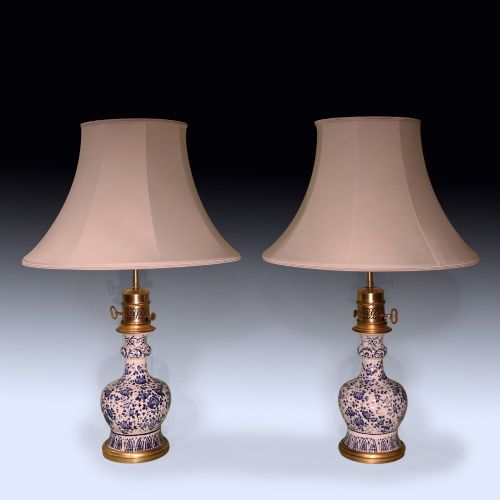
A blue white porcelain base brings centuries of craftsmanship into a room, serving most often as a converted table lamp.
Blue White Porcelain Base
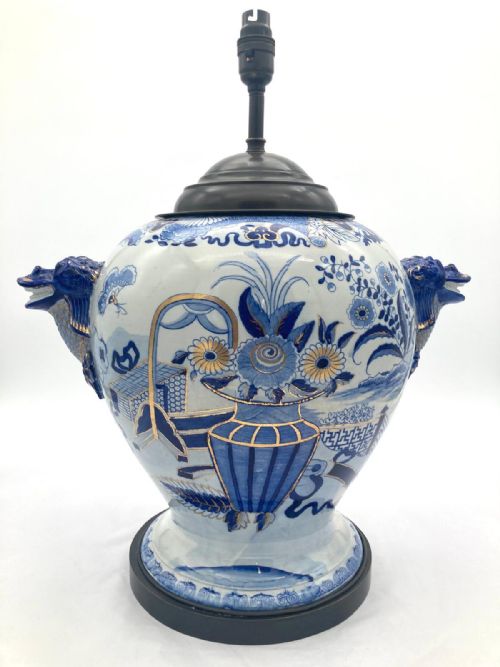
A blue white porcelain base primarily takes the form of table lamps created from converted antique vessels, including ginger jars, ginger jar vases, and larger jars bearing marks from the Kangxi period and Qing Dynasty. These pieces originate from diverse traditions, spanning Chinese export wares, Japanese Arita and Yokohama porcelain, Dutch Delft, and English ironstone or pottery.
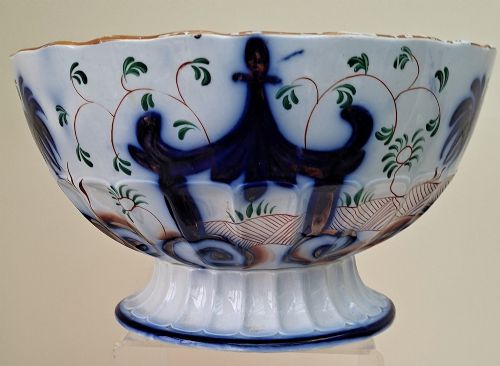
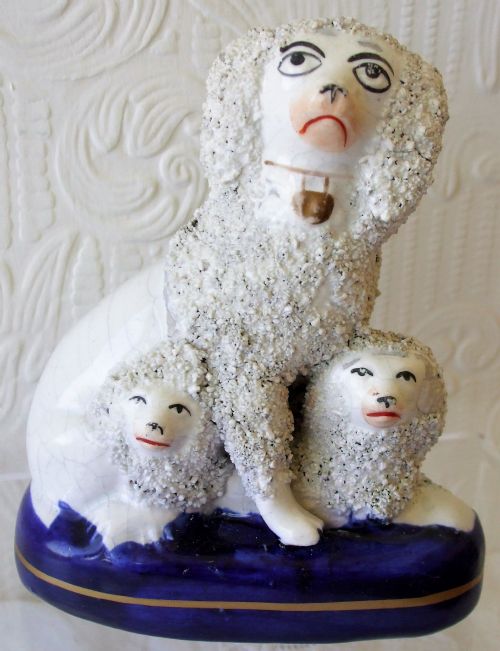
Beyond lamps, the selection includes footed bowls, decorative figurines, and figure groups such as Staffordshire poodles and spaniels, alongside busts and sculptures in porcelain and earthenware. The common thread linking these objects is the blue and white palette applied across centuries, moving from Georgian productions into Victorian interpretations and Art Deco variations.
How they were made
Makers shaped these items using ceramic, porcelain, and earthenware bodies, applying cobalt blue glaze under or over the surface before firing. Many vessels received subsequent modifications, being fitted with brass mounts, gilt bases, and handmade silk or fabric shades to function as lamps.
Decoration techniques range from hand-painted Chinoiserie scenes and crackleware finishes to moulded details on pottery figures. Factories utilised marks stamped or painted to the base, providing clues to origin and period.
Blue White Porcelain Base Retail Price Guide 2026
Typical asking prices for blue white porcelain base among the pieces listed under this phrase on Sellingantiques today, from the lower quarter to the upper quarter. They describe what is for sale here now, not the wider market.
Staffordshire poodles occasionally arrive with tiny ceramic puppies nestled beside them on painted cushions.
What varies in quality
Quality rests in the crispness of the blue pigment against the white ground and the finesse of the hand-painted brushwork on the porcelain body. Early examples demonstrate careful control during high-temperature firing, resulting in stable glazes without excessive pooling or distortion.
The sophistication of associated metalwork, such as brass fittings and gilt bases added during conversion, alters the overall character. Original marks to the base and the integrity of the ceramic body distinguish standard production pieces from finer examples.
Hicks and Meigh·Ridgway·Sevres
The Blue White Porcelain Base Glossary
- Porcelain
- A hard, fine-grained ceramic fired at high temperatures until vitrified and translucent. It forms the primary body for the majority of these bases and vases.
- Chinoiserie
- European artistic style reflecting Chinese motifs and decorative schemes. This aesthetic appears frequently on English and continental ceramics.
- Kangxi Period
- A significant era of Chinese porcelain production under the Qing Dynasty lasting from sixteen sixty-two to seventeen twenty-two. Pieces bearing these marks are often referenced in listings.
- Ironstone
- A heavy, durable type of earthenware patented in the nineteenth century. It offered a robust alternative to porcelain for large vases and tableware.
- Delft
- Tin-glazed earthenware originating from the Netherlands and imitating Chinese blue and white porcelain. It provides an opaque white surface for cobalt painting.
- Crackleware
- Pottery or porcelain featuring a network of fine cracks intentionally created in the glaze layer. This texture appears on specific nineteenth-century vases.
Blue White Porcelain Base: Frequently Asked Questions
Are these lamps wired for modern use?
Most converted vessels receive modern electrical components while retaining their historic ceramic bodies.
Buyers should check wiring details with individual listings to confirm compatibility with current standards.
How do I identify a Kangxi mark?
Kangxi marks consist of characters painted to the underside indicating the reign period.
Many nineteenth-century pieces reproduce these marks as a tribute rather than denoting original seventeenth-century manufacture.
Where were Japanese Arita pieces made?
Arita porcelain originates from the Hizen province in Japan and represents early export wares.
These items frequently reached Europe via Dutch trading companies during earlier centuries.
What is the difference between porcelain and ironstone?
Porcelain is vitrified, resonant, and traditionally translucent when held to light.
Ironstone is an opaque, heavy earthenware developed to withstand robust daily use.
How should I clean a ceramic lamp base?
Dust gently with a soft dry cloth to protect the glazed surface and any gilt mounts.
Avoid harsh chemical cleaners that might damage the painted cobalt decoration or metal fittings.