



Chinese Crackle Glaze Porcelain
Chinese crackle glaze porcelain brings distinct surface crazing and layered historical depth into a room, offering tactile connection to centuries of ceramic tradition.
Chinese Crackle Glaze Porcelain
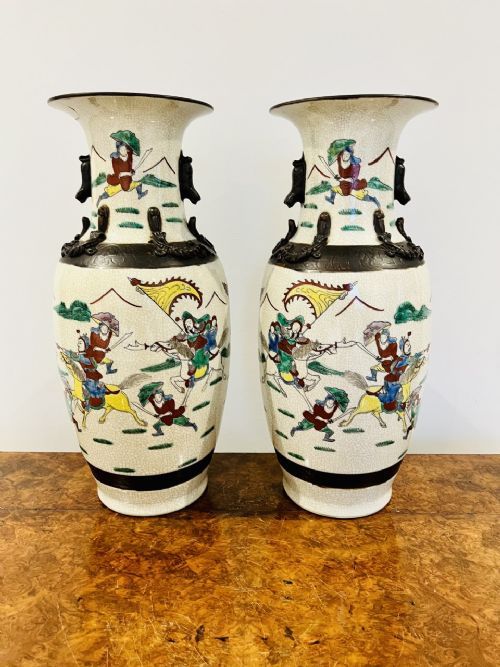
When you search for chinese crackle glaze porcelain, you encounter items spanning the eighteenth and nineteenth centuries, including the Qing Dynasty and later periods up to the nineteen-thirties. The selection encompasses practical vessels and decorative forms designed for both domestic use and export markets.
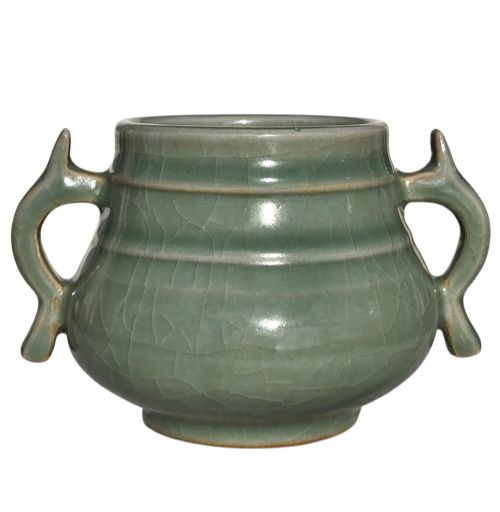
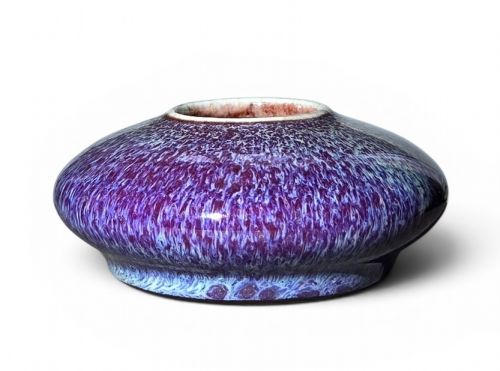
The most frequent items met on this page are vases and table lamps adapted from earlier vessels, alongside decorative bowls, brush washers, tea caddies, and small dishes. Pieces often incorporate celadon glazes, blue and white decoration, or specialised 'Ge'-type finishes associated with imperial workshops.
Origins trace back to traditional Chinese kilns, with subsequent nineteenth-century adaptations reflecting Victorian tastes and European lighting conversions. These objects demonstrate the enduring appeal of deliberate crazing as a decorative surface feature across multiple generations.
Materials and production methods
The foundation rests on dense ceramic bodies and porcelain combined with specialised chemical glazes that contract during cooling to create the signature network of fine surface cracks. Enamel and blue and white pigments are frequently applied beneath or over the glaze to build pattern and depth.
Later nineteenth-century and twentieth-century examples occasionally integrate brass mountings, silk, and fabric elements, particularly in pieces converted into table lamps. These mixed-media adaptations sit alongside traditional unmounted vessels such as brush washers, twin fish dishes, and covered canisters.
Chinese Crackle Glaze Porcelain Retail Price Guide 2026
Typical asking prices for chinese crackle glaze porcelain among the pieces listed under this phrase on Sellingantiques today, from the lower quarter to the upper quarter. They describe what is for sale here now, not the wider market.
Twin fish dishes quietly swim across centuries, bringing aquatic life to nineteenth-century tabletops without requiring a single drop of water.
Assessing quality and execution
Quality reveals itself in the deliberate control of the crackle pattern, where the density and distribution of the crazing complement the precise shape of the vessel. Superior examples display harmonious glaze tones, whether in uniform celadon, vibrant blue and white, or controlled imperial-quality flambé effects.
The refinement of the underlying porcelain body and the crispness of any hand-painted details separate standard commercial output from finer scholar's items or imperial pieces. Condition of the glaze surface and the integrity of any associated export seals or early mounts further influence the standing of an individual piece.
The Chinese Crackle Glaze Porcelain Glossary
- Crackleware
- Pottery or porcelain featuring intentional glaze crazing created during the firing process as the glaze cools at a different rate than the clay body. This decorative network of fine lines defines the visual texture of the pieces.
- Celadon
- A transparent green glaze over a pale clay body, producing subtle shades ranging from grey-green to seafoam. It forms the primary surface finish on several historical dishes and vases.
- Brush Washer
- A small scholar's vessel utilised for rinsing ink brushes during calligraphy and painting. These utilitarian objects often display high technical refinement.
- Qing Dynasty
- The final imperial dynasty of China, ruling from sixteen-fourteen-fourteen-sixteen to nineteen-twelve. Many decorative ceramics on the market originate from the later years of this era.
Chinese Crackle Glaze Porcelain: Frequently Asked Questions
How do I date Chinese crackle glaze porcelain?
Dating relies on examining the characteristics of the glaze, the weight and composition of the porcelain body, and any associated reign marks or export seals. Stylistic indicators from the eighteenth and nineteenth centuries provide primary benchmarks.
Comparison with documented examples from periods such as the Qianlong or Kangxi reigns helps establish the likely decade or century of production. Alterations like lamp fittings typically point to nineteenth or twentieth-century European adaptations.
Were these crackle patterns intentional?
The crazing is an intentional effect achieved by manipulating the chemical composition of the glaze and the cooling rate inside the kiln. Potters controlled the contraction to produce decorative crackle networks.
Historically inspired by earlier Song dynasty wares, later Qing dynasty potters refined this technique for both imperial appreciation and export markets.
How should I clean porcelain lamps?
Dusting with a soft, dry cloth is the safest method for maintaining the ceramic surfaces of vases and converted table lamps. Avoid harsh chemical cleaners that might affect the aged glaze or nineteenth-century mounts.
For lamps with fabric or silk shades, gentle brushing or specialised textile care prevents the accumulation of dirt without disturbing the structure.
What is a brush washer used for?
A brush washer is a traditional scholar's vessel designed to hold water for cleaning ink from brushes during writing or painting. These items were essential implements on a scholar's desk.
Today, these compact ceramic bowls function as decorative cabinet pieces or small display items due to their refined glazes and forms.