
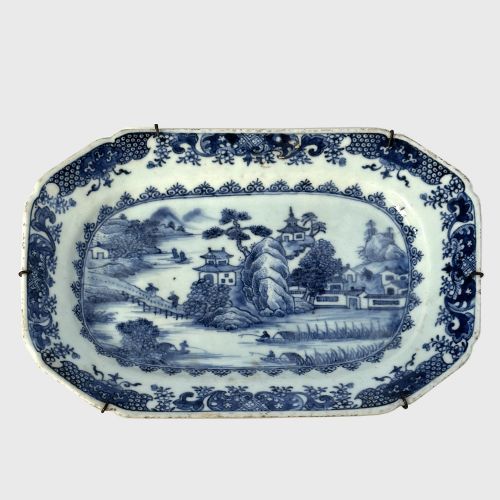


Blue White Landscape Ceramic
Blue white landscape ceramic pieces combine cobalt painting with pastoral scenery, offering collectors enduring elegance for daily display.
Blue White Landscape Ceramic
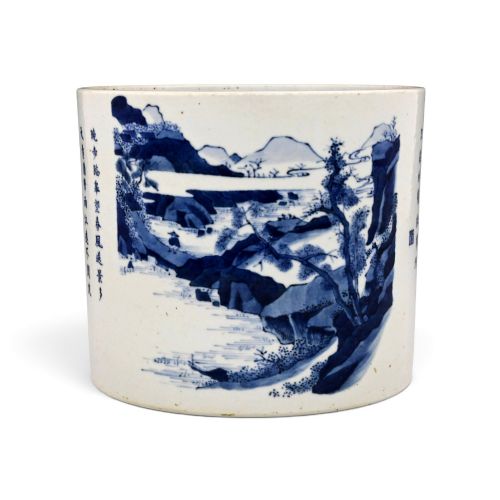
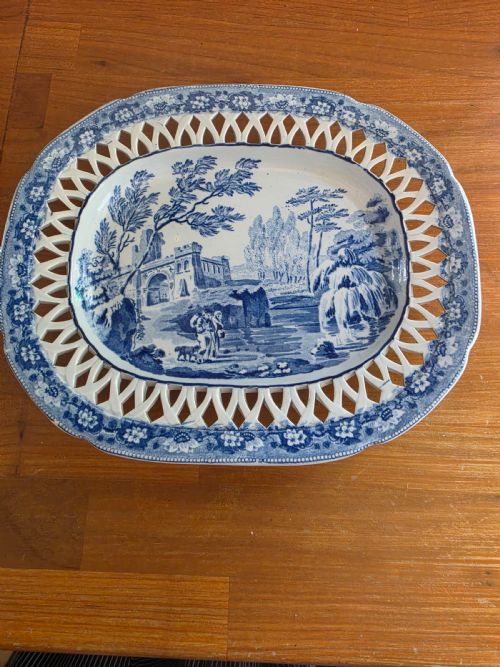
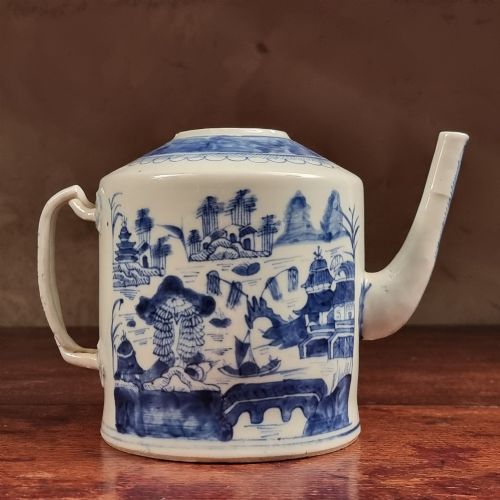
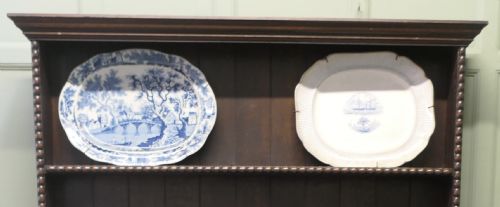
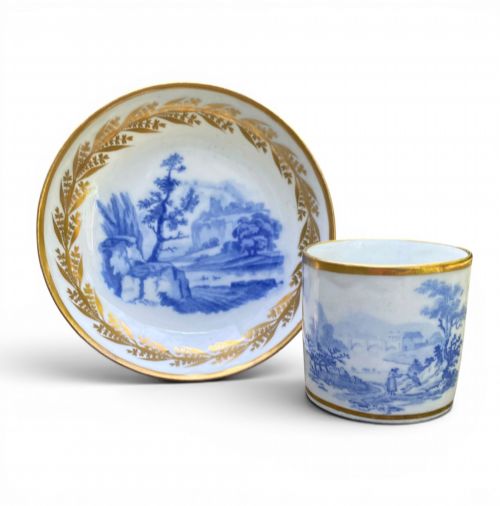
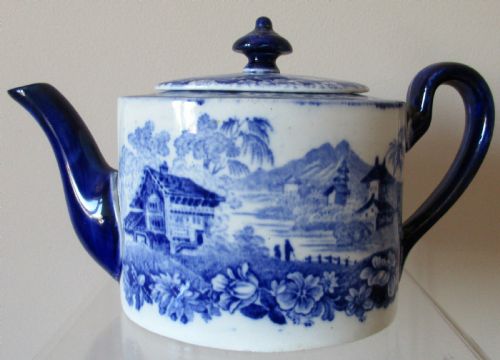
Collectors examining blue white landscape ceramic items encounter a rich variety of forms spanning centuries of international kiln production. The inventory includes utilitarian vessels and ornamental tableware, ranging from serving platters and teapots to chargers, jars, and desk accessories.
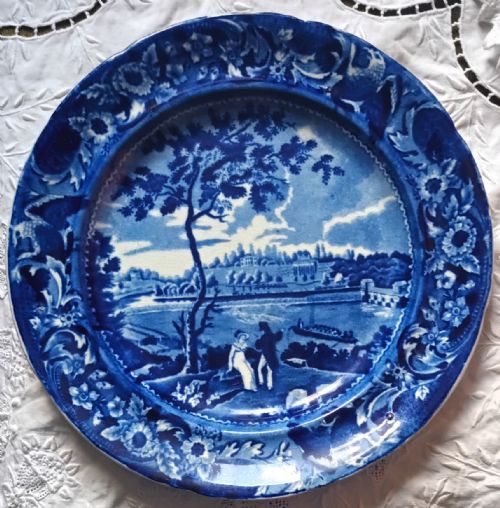
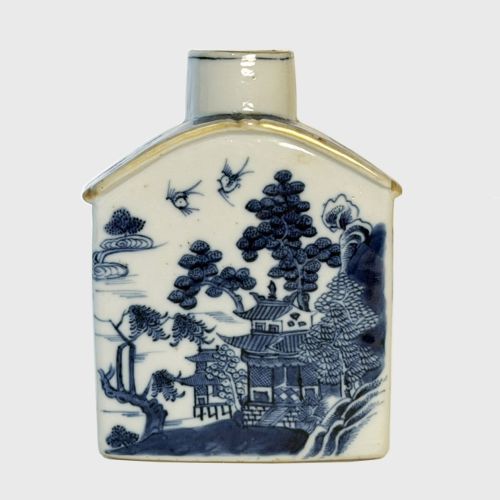
Most examples originate from either Chinese export kilns, Japanese workshops, or English potteries operating during the Georgian and Victorian eras. These pieces typically depict rivers, mountains, bridges, and rustic pavilions rendered in shades of blue upon white pottery surfaces.
Materials and production methods
Potters built these objects using fine-paste porcelain, earthenware, or pearlware, shaping the body before application of the decorative scheme. Cobalt pigment or cobalt underglaze supplied the distinctive blue colour applied directly to the ceramic substrate prior to firing.
Many English works employed transfer printing techniques to apply intricate landscape scenes onto pottery bodies with uniform precision. Far Eastern counterparts relied primarily on hand-painted brushwork using cobalt pigment beneath transparent glaze layers.
Listings feature items from the seventeenth, eighteenth, and nineteenth centuries, spanning Georgian, Victorian, and Qing Dynasty eras.
Assessing quality in blue white landscape ceramics
The refinement of the ceramic body and the clarity of the cobalt pigment determine the upper tiers of quality. Finer items display sharp, deep blue hues without blurring, smudging, or pooling in the glaze.
Hand-painted brushwork depth and the precision of transfer print registration separate standard production wares from exceptional examples. Potteries achieved superior results through careful control of kiln temperatures and well-prepared clay bodies.
Davenport·Mintons·Stubbs·Spode·William Adams·Mason·James Wallace And Co·Makuzu Kozan
The Blue White Landscape Ceramic Glossary
- Cobalt Underglaze
- A blue pigment applied to the unfired ceramic body before glazing and high-temperature firing. This technique protects the pigment beneath a glossy vitreous layer.
- Transfer Printing
- A method of applying engraved pictorial designs to pottery using tissue paper inked from a copper plate. It revolutionised British pottery decoration during the Georgian period.
- Pearlware
- A refined earthenware developed in Staffordshire featuring a bluish-white glaze that imitated Chinese porcelain. It gained widespread popularity around the turn of the nineteenth century.
- Ginger Jar
- A high-shouldered ceramic vessel originally used for packing spices and preserved ginger. Later periods produced these jars purely for decorative display.
- Charger
- A large ornamental decorative plate intended for display on sideboards or walls rather than dining use. These pieces often feature elaborate scenic compositions.
Blue White Landscape Ceramic: Frequently Asked Questions
How do I date an old blue and white plate?
Examine the base for potter marks, factory stamps, or characteristic glaze pooling that indicates period manufacturing methods. Examining the weight, paste composition, and style of the painted or transfer-printed landscape helps narrow down the era.
English transfer-printed wares often bear registry marks or named topographical titles on the reverse. Comparing these details against known production records clarifies the decade of origin.
Can I use antique porcelain teapots for tea?
While structurally sound ceramics can hold liquids, thermal shock from boiling water risks cracking old glazes and weakening fragile historic bodies. Most collectors prefer to keep antique teapots, cups, and saucers strictly for display.
Hairline fractures or hidden interior repairs are easily aggravated by repeated use. Gentle cleaning with warm water suffices for maintenance without risking the ceramic integrity.
What is the difference between porcelain and earthenware?
Porcelain is fired at much higher temperatures, producing a dense, vitreous, and often translucent body that does not absorb moisture. Earthenware uses a more porous clay body fired at lower temperatures.
Most early English landscape pieces utilise refined earthenware or pearlware, whereas Asian counterparts frequently employ true hard-paste porcelain. Each material reacts differently to light and carries distinct weight characteristics.
How should I display heavy ceramic chargers?
Support heavy chargers and platters using sturdy wall brackets or dedicated plate stands designed to distribute the weight evenly. Ensure the display surface remains stable and free from vibrations.
Avoid placing ceramic items in direct sunlight to protect the glaze and prevent colour fading over time. Proper mounting prevents accidental tipping and preserves the piece.