


Blue White Earthenware Pot
These blue white earthenware pot examples bring historic tin-glazed ceramics and transferware straight into your home.
Blue White Earthenware Pot
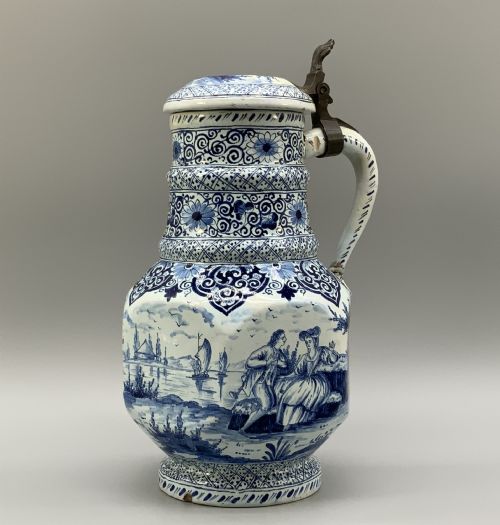
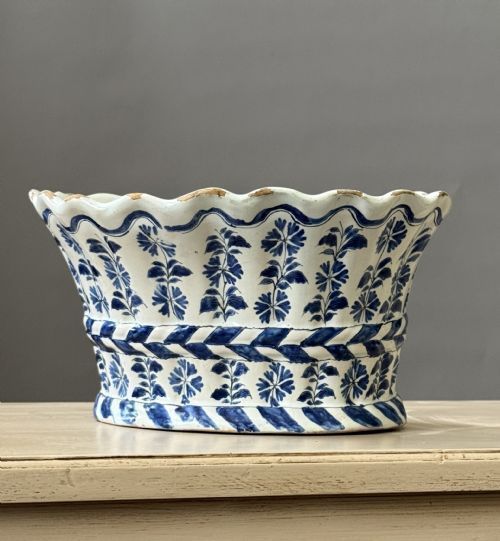
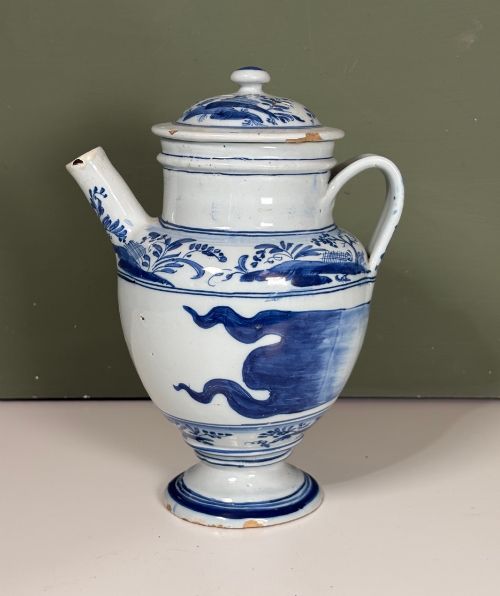
A blue white earthenware pot encompasses centuries of utilitarian and decorative vessels shaped from earthenware bodies. The pieces you encounter most often span 18th-century delftware apothecary jars and drug pots alongside 19th-century transfer-printed teapots and jardinieres.
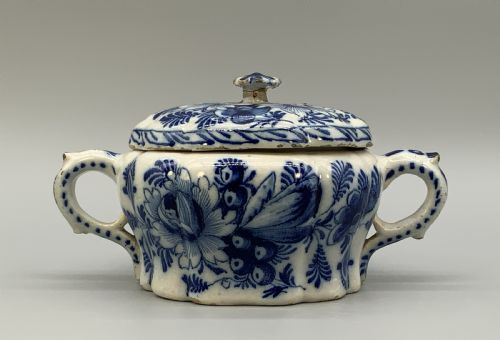
Forms range from pharmacy wet drug jars and tobacco jars to garden urns, posset pots, and lidded jugs. English, Dutch, Italian, and French origins dominate the selection, showing distinct regional shapes and decorative traditions.
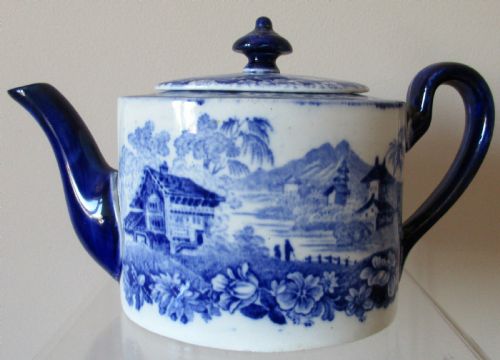
Earlier examples lean towards pharmaceutical and display uses like apothecary vessels and bough pots. Later Victorian iterations shift towards domestic tableware and planters, incorporating transfer printing and jasperware bodies.
Materials and production methods
Potters shaped these vessels from local earthenware clays before applying opaque tin glazes or clear lead glazes. Cobalt pigment provided the characteristic blue decoration, hand-painted directly onto the unfired glaze or transferred mechanically in later periods.
Firing took place in traditional kilns where cobalt absorbed the heat to yield deep blue tones against white or off-white grounds. Certain pieces incorporated fitted pewter lids or brass mounts to secure their contents.
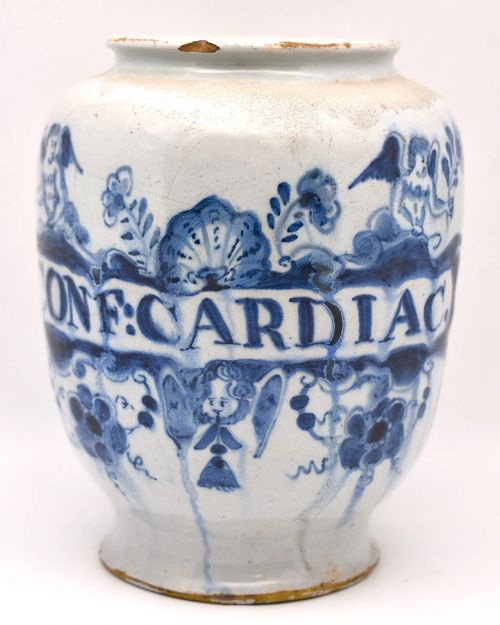
Certain apothecary jars preserve mysterious medical contents labels like cardiac preparations, hinting at historic cures.
Distinguishing quality across the range
Quality rests in the crispness of the cobalt brushwork and the stability of the glaze application. Early hand-painted delft displays variation in pigment saturation and glaze pooling, whereas transfer-printed Victorian wares rely on line clarity and registration precision.
The sophistication of the potting and the completeness of original components, such as lids and mounts, elevate specific examples. Finer pieces demonstrate superior control during the kiln firing, resulting in a smooth, even surface and well-defined pictorial detail.
Mintons·Enoch Wood & Sons·William Adams & Sons
The Blue White Earthenware Pot Glossary
- Delftware
- Tin-glazed earthenware produced in the Netherlands and England from the 16th century onwards. It mimics the appearance of imported Chinese blue and white porcelain using an opaque white lead and tin glaze.
- Faience
- European tin-glazed earthenware, particularly associated with French, Italian, and other continental production centres. The term describes pottery coated with a white tin enamel painted in metallic oxides.
- Posset pot
- A spouted vessel used historically for serving posset, a hot drink made of curdled milk mixed with wine or ale and spices. They often feature multiple handles and secure lids.
- Drug jar
- A ceramic vessel utilised by apothecaries to hold medicinal herbs, syrups, and compounds. Labels were frequently painted directly onto the body in abbreviated Latin.
- Transferware
- Pottery decorated by pressing a paper design inked with copperplate engraving onto the ceramic surface. This technique allowed intricate patterns to be reproduced consistently on 19th-century tableware.
Blue White Earthenware Pot: Frequently Asked Questions
What were apothecary jars used for?
Apothecaries utilised these vessels to store dry drugs, wet medicines, and medicinal compounds safely. The jars kept perishable contents sealed behind tin glazes and sometimes fitted lids.
Pharmacists identified the contents through painted labels on the front, often noting specific medical preparations in abbreviated Latin script.
How do I care for antique earthenware?
Keep these fragile tin-glazed pots away from direct sunlight and damp environments to protect the porous earthenware body. Clean them only with a dry, soft cloth rather than submerging them in water.
Avoid using modern chemical cleaners which can damage the historic glaze surfaces and any exposed clay body underneath.
What is a posset pot?
A posset pot served as a communal drinking vessel for a traditional hot concoction of milk curdled with wine or ale. Guests or family members drank from the spout or shared the vessel during celebrations.
These pots frequently featured two or more handles alongside a matching lid to retain heat during consumption.