

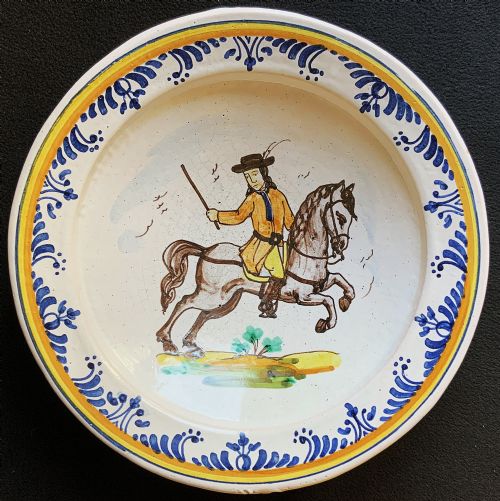


Blue White Earthenware Bowl
When you search for a blue white earthenware bowl, you uncover centuries of ceramic skill spanning Delftware, Staffordshire transfer-printing, and earthenware vessels.
Blue White Earthenware Bowl
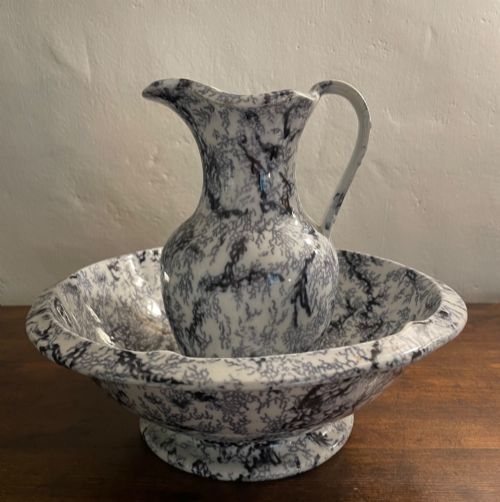
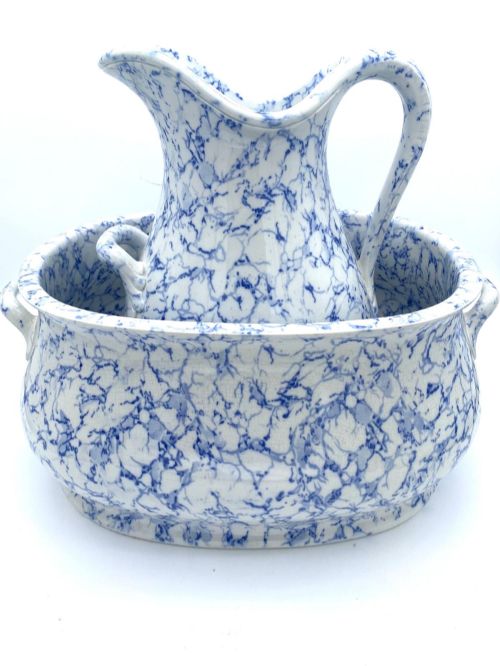
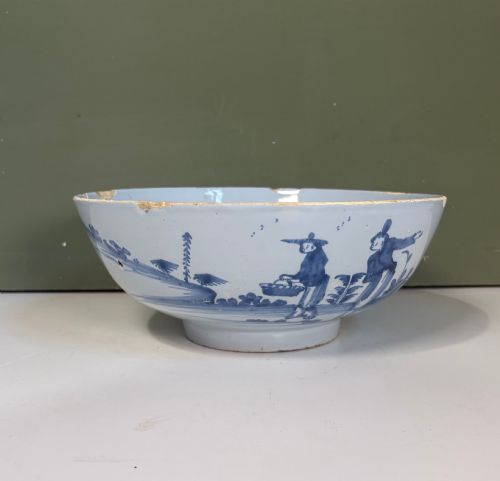
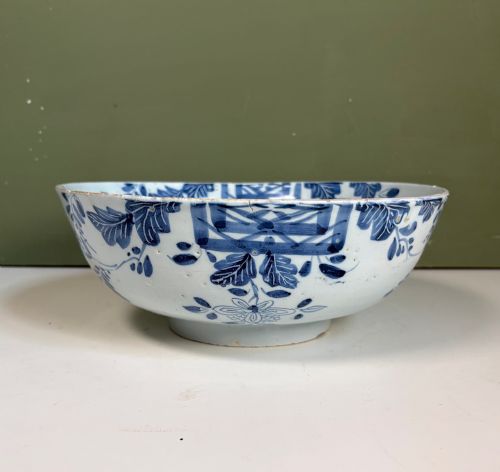
A blue white earthenware bowl encompasses diverse forms from simple shallow dishes to footed vessels and larger decorative containers. Buyers looking for this phrase encounter centuries of ceramic production originating from English potteries, Dutch workshops, and Spanish kilns.
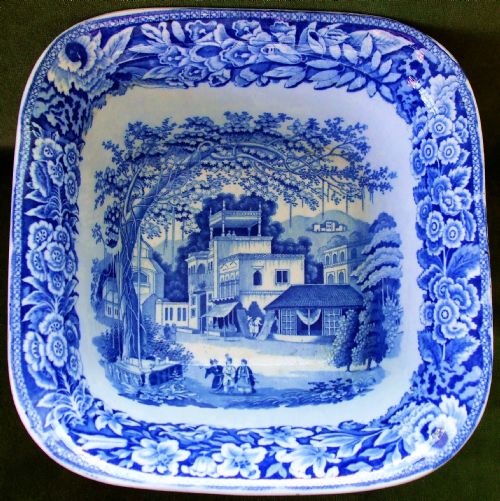
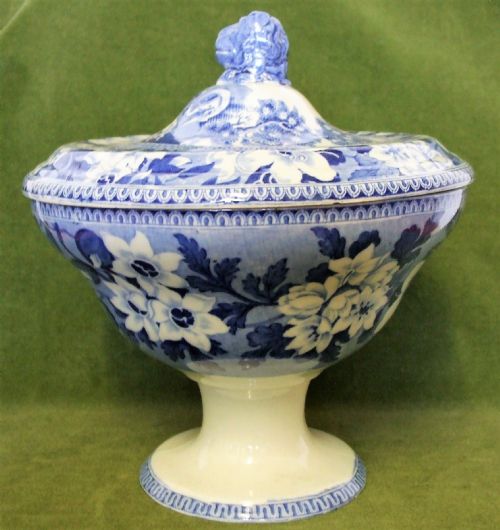
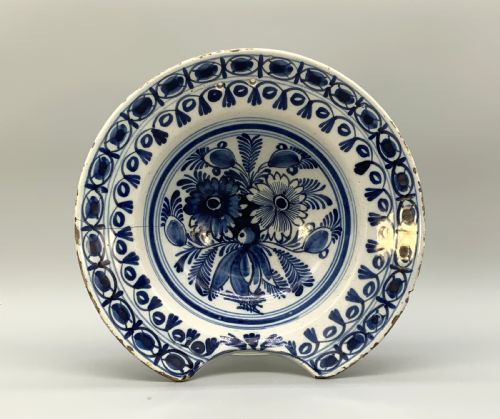
The pieces appearing on this page span the eighteenth and nineteenth centuries, including Georgian and Victorian eras, alongside specialised items like Dutch barber's bowls and footbaths. Form follows function across these eras, moving from domestic utilitarian ware to grand decorative centrepieces.
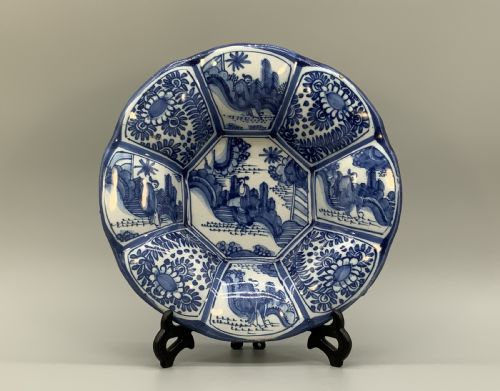
Regional variations define the selection, uniting English transfer-printed earthenware with continental tin-glazed faience and delftware. Each blue white earthenware bowl carries the specific decorative grammar of its period, from Chinoiserie motifs to pastoral river scenes.
Materials and methods
Potters formed these vessels using earthenware clay bodies finished with specialised coatings including tin glaze, pearl glaze, and transparent ceramic glazes. The underlying ceramic body provides a porous, heavy base suited for the fluid application of liquid coatings.
Cobalt oxide served as the primary pigment for creating the deep blue decoration, applied either by hand painting directly onto the raw glaze or through transfer-printing techniques. Tin-glaze methods produced an opaque white surface that accepted cobalt pigments with soft, bleeding edges.
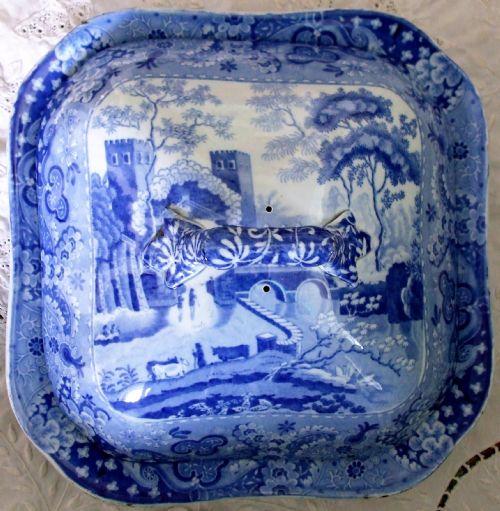
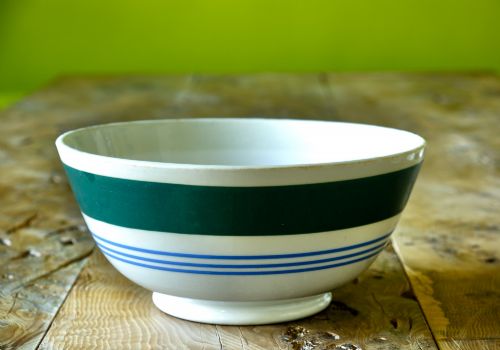
The listings span multiple centuries, uniting 18th-century Dutch Delft bowls with 19th-century Staffordshire transfer-printed tureens and later 20th-century banded ceramics.
Markers of excellence
Quality separates standard utilitarian vessels from exceptional pieces through the crispness of the transfer-print and the intentionality of the hand-painted brushwork. Superior examples display deep, uniform cobalt tones without muddiness or excessive pooling in the glaze.
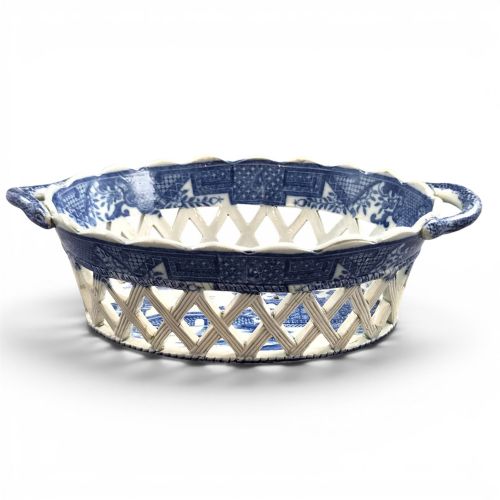
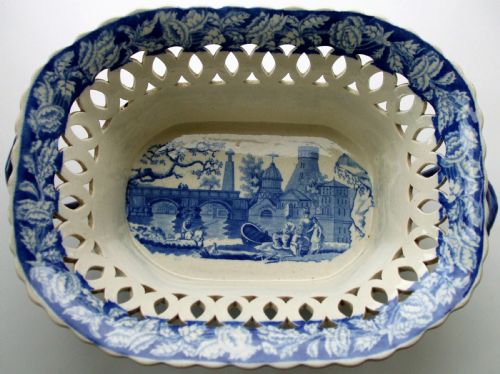
The finesse of the ceramic body and the complexity of the form distinguish finer pieces, such as reticulated chestnut baskets or lobed dishes with intricate moulding. Potter marks and identifiable topographical patterns further elevate the standing of individual vessels within their respective periods.
Minton·Spode·J. & R. Clews·J. & R. Riley·John Rogers and Son·T G Green·Ridgway·Doulton Burslem·James Wallace & Co·Copeland and Garrett·Gien
The Blue White Earthenware Bowl Glossary
- Earthenware
- Porous pottery fired at relatively low temperatures and rendered impermeable through the application of a glaze. It forms the structural body for the majority of these vessels.
- Tin-Glaze
- A ceramic glaze made opaque by the addition of tin oxide, providing a white background for cobalt decoration. It is characteristic of delftware and faience production.
- Transfer-Print
- A method of decorating ceramics by engraving a copper plate, pulling the design on tissue paper, and pressing it onto the bisqued or glazed pot. This technique revolutionised British pottery decoration during the Georgian period.
- Cobalt Oxide
- A mineral pigment used to achieve rich blue decoration on ceramic wares that withstands high kiln temperatures. It remains stable under glaze during firing.
- Pearlware
- An refined earthenware developed by Josiah Wedgwood featuring a faint bluish-white glaze designed to mimic Chinese porcelain. It bridges the transition from creamware to later white earthenware.
Blue White Earthenware Bowl: Frequently Asked Questions
How do I date a blue white earthenware bowl?
Dating relies on identifying the underlying material, such as tin glaze versus later transfer-printed pearlware, alongside stylistic markers like Georgian or Victorian moulding. Maker stamps, registry marks, and specific topographical patterns provide narrower chronological windows.
Examining the footrim, glaze pooling, and wear patterns on the base offers additional clues to establish the manufacturing decade.
What is the difference between delftware and Staffordshire pottery?
Delftware relies on a tin-glaze applied over an earthenware body, producing an opaque white surface often associated with seventeenth and eighteenth-century Dutch and English production. Staffordshire potteries later pioneered refined earthenware bodies decorated with detailed transfer-printing.
Staffordshire wares generally display harder, thinner bodies and crisper printed patterns compared to the softer, hand-painted tin-glazed pieces.
How were these bowls originally used?
These vessels served diverse domestic functions ranging from dining table service, such as vegetable tureens and chestnut baskets, to personal hygiene in the form of wash sets and barber's bowls. Larger basins and footbaths catered to household sanitation.
Decorative bowls and centrepieces functioned primarily as display items in affluent Georgian and Victorian interiors.
Can I use these antique bowls for food?
Using antique earthenware for daily food consumption requires caution due to the porous nature of older ceramic bodies and the composition of early glazes. Historic pieces often develop hairline cracks and crazing that absorb liquids.
Displaying these items as decorative objects protects the fragile glaze and prevents staining or deterioration of the ceramic body.