

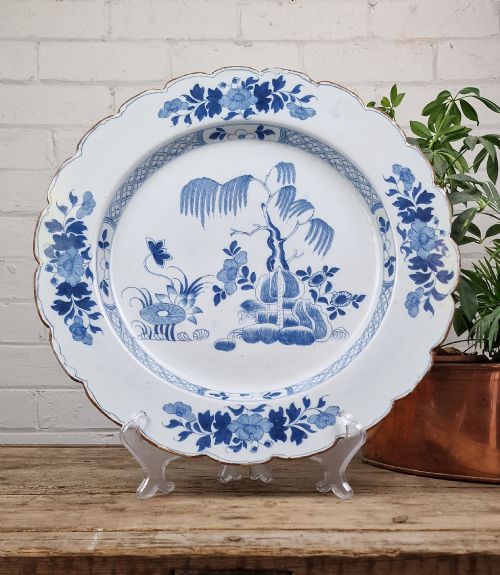


Blue White Delftware Platter
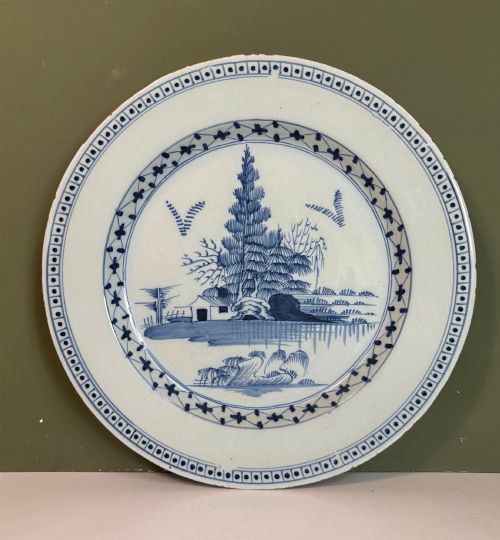
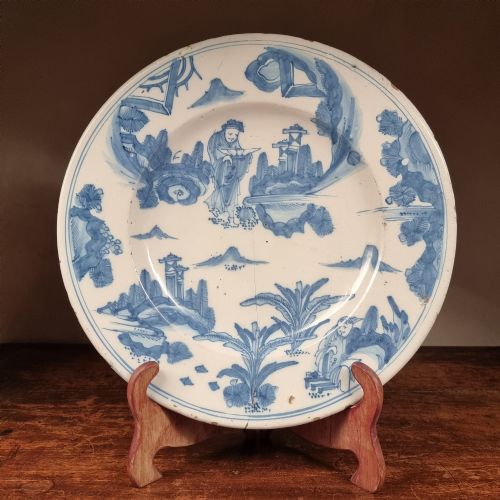
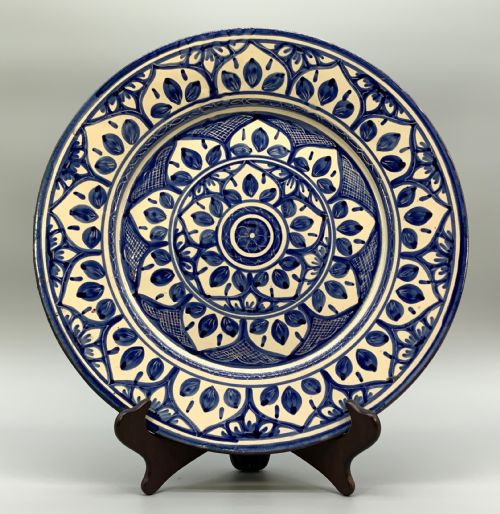
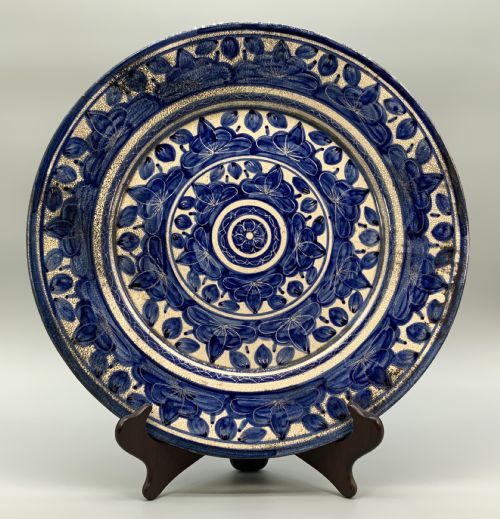
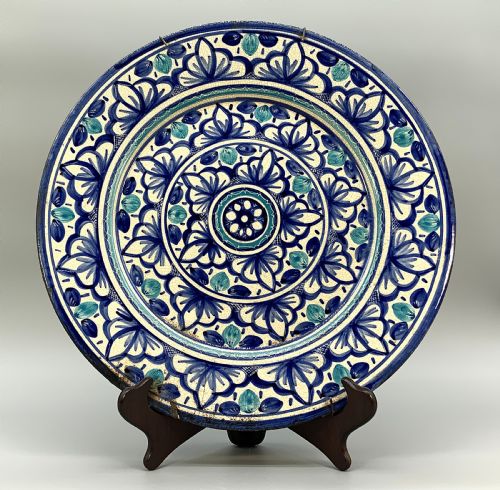
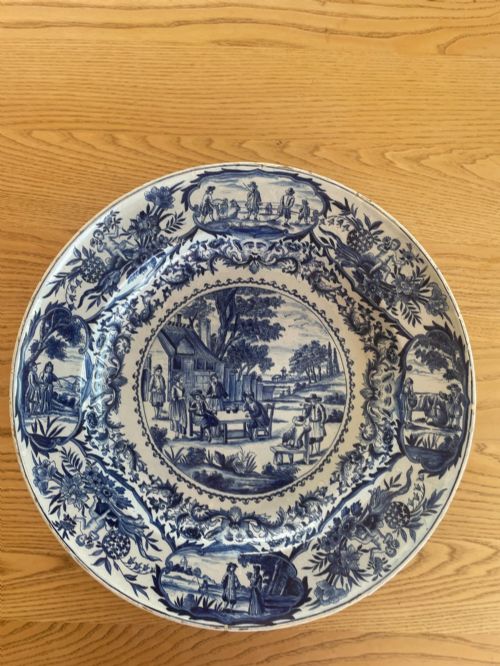
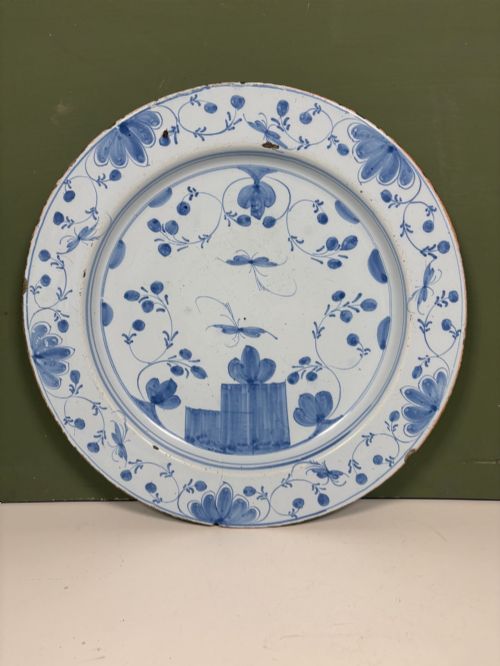
A blue white delftware platter offers rich tin-glazed earthenware and striking cobalt pigment painted across broad charger plates and decorative wall chargers.
Blue White Delftware Platter
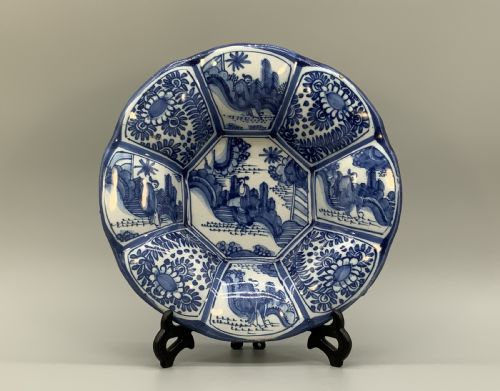
When you search for a blue white delftware platter, you encounter large chargers, decorative plates, and lobed dishes intended for display. These pieces span the seventeenth, eighteenth, and nineteenth centuries, alongside mid-twentieth-century examples.
The versions most frequently met on this page are eighteenth-century English and Dutch chargers featuring traditional cobalt ornamentation. Formats range from standard circular charger plates to vast wall chargers styled after Moorish and Kraak patterns.
Origin points encompass English potteries, Dutch workshops, and continental faience traditions. Collectors select these items for their sweeping diameters and historical tin-glazed surfaces.
Materials and construction
Potters shaped these objects from earthenware bodies before coating them in an opaque tin glaze that provided a smooth white background for painting. Artisans then applied cobalt pigment or cobalt oxide directly onto the unfired or raw glaze.
Brushwork required immense skill because the porous glaze absorbed the liquid pigment instantly, preventing any correction of stray strokes. Once fired in the kiln, the cobalt fused with the tin glaze to produce deep blue tones.
Materials recorded across the inventory include earthenware, tin-glazed earthenware, cobalt pigment, and cobalt oxide.
Judging quality in tin-glazed earthenware
Quality rests upon the crispness of the cobalt painting and the density of the white tin glaze. Stronger examples display confident brushwork and balanced pictorial compositions rather than hurried or muddy strokes.
The smoothness of the ceramic body and the evenness of the glaze application also separate superior pieces from standard domestic wares. Collectors look for depth in the blue pigment and clarity in the final gloss.
De Witte Ster
The Blue White Delftware Platter Glossary
- Charger
- A large decorative plate or platter traditionally displayed on walls or sideboards rather than used at the dining table. These substantial pieces provide a wide surface for pictorial designs.
- Tin-Glaze
- An earthenware ceramic glaze made opaque by the addition of tin oxide. This milky white coating forms the canvas for blue cobalt painting.
- Cobalt Pigment
- A metallic oxide used to achieve the characteristic deep blue colour on pottery. It withstands high kiln temperatures without losing intensity.
- Kraak Style
- A Dutch and continental design approach inspired by imported Chinese porcelain cargo. It typically divides the surface into framed panels radiating from a central motif.
- Faience
- European tin-glazed earthenware produced outside of traditional Italian majolica centres. The term often describes continental European interpretations of delftware.
Blue White Delftware Platter: Frequently Asked Questions
How do I hang a large charger safely?
Heavy earthenware plates require specialised wire spring hangers that distribute weight evenly across the rim without putting pressure on the centre.
Ensure the wall fixing engages securely with brick or a stud rather than depending solely on plaster.
Were these platters used for food?
Most large chargers served primarily as ornamental display pieces on sideboards or walls rather than for serving meals. Their soft tin glaze scratches easily and absorbs liquids over time.
Historical inventories confirm that wealthy households showcased them to display status and taste.
How do I distinguish English from Dutch delft?
English pieces often feature pinker earthenware bodies and slightly softer glaze formulations compared to their Dutch counterparts. Examining the foot rim frequently reveals differences in clay colour and manufacturing debris.
Matching the decorative motifs to known regional archives confirms the likely kiln origin.
Why do nineteenth-century pieces look different from eighteenth-century ones?
Nineteenth-century revivals incorporated varied stylistic influences, such as Moorish revival patterns, alongside traditional cobalt painting. Kiln technology and clay preparation also evolved over the decades.
Tin-glaze thickness and pigment saturation shifted as potters adapted to changing Victorian tastes.