

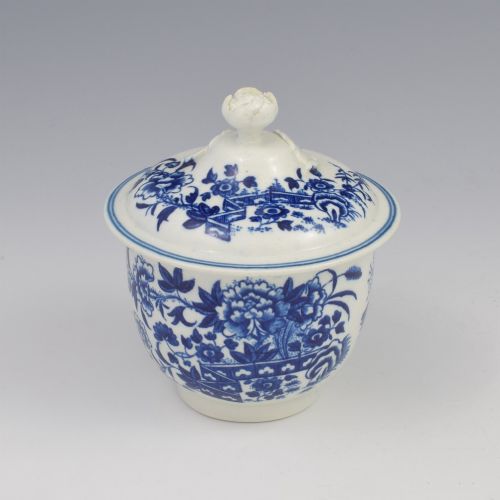


Blue White Bowl Painting
These pieces for blue white bowl painting combine ceramic forms with handpainted cobalt designs spanning multiple centuries and origins.
Blue White Bowl Painting
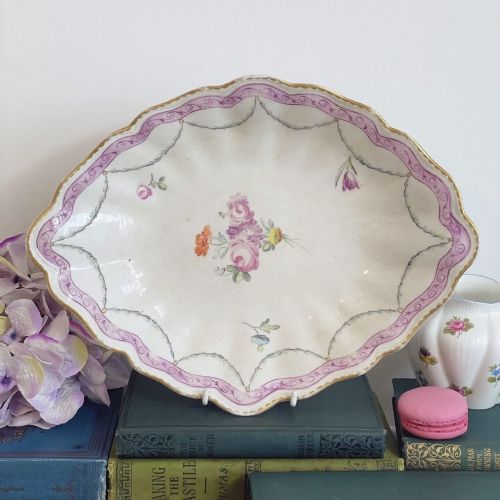
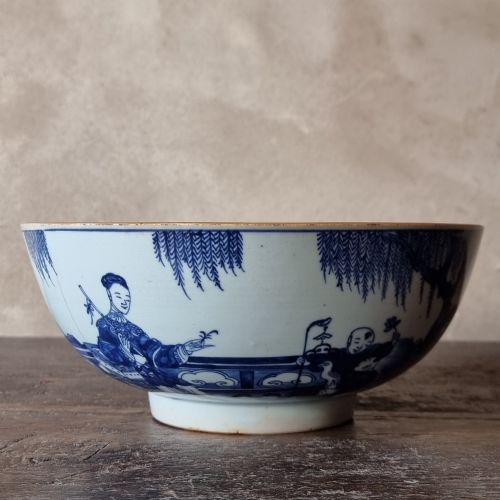
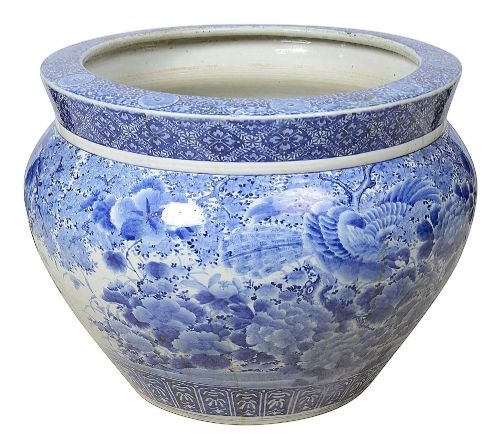
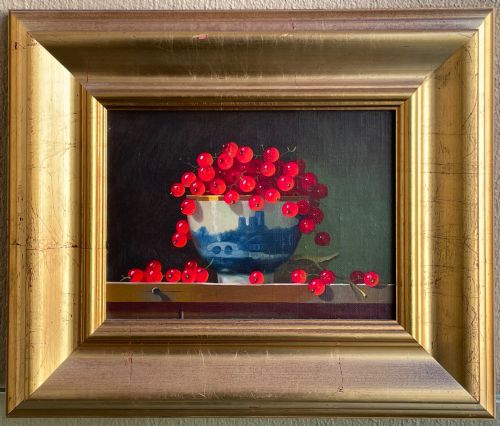
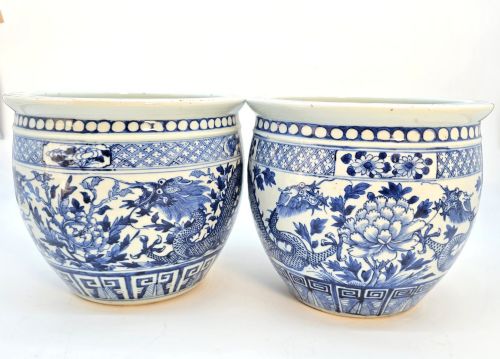
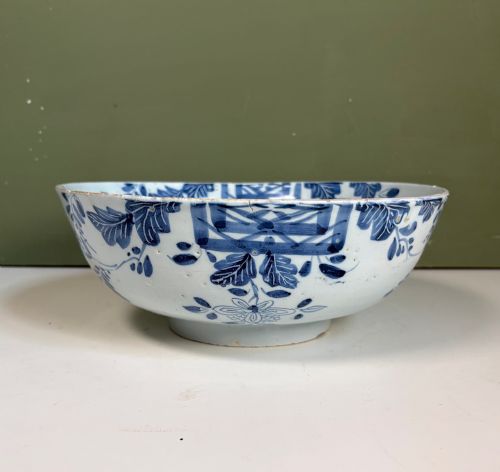
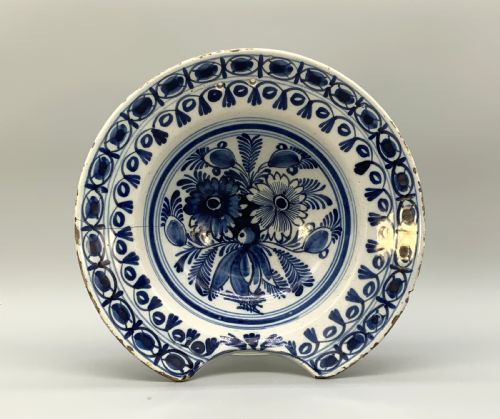
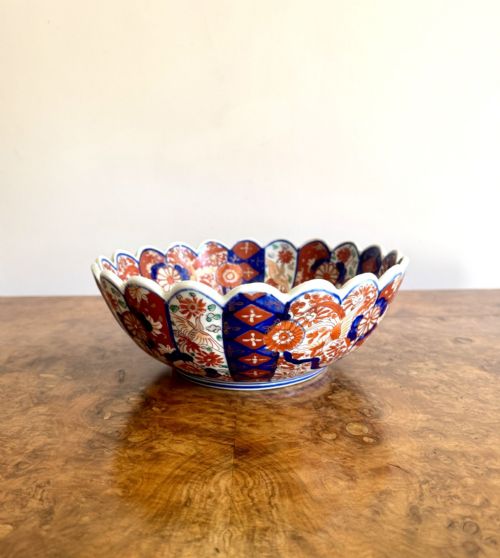
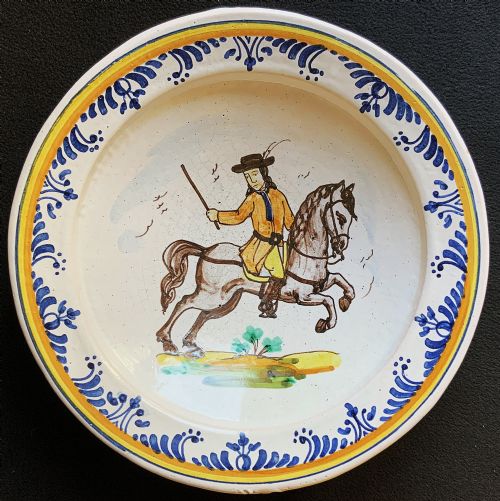
Collectors seeking blue white bowl painting encounter a variety of ceramic and porcelain vessels, including large jardinieres, punch bowls, and shallow dishes originating from Chinese, Japanese, and European kilns.
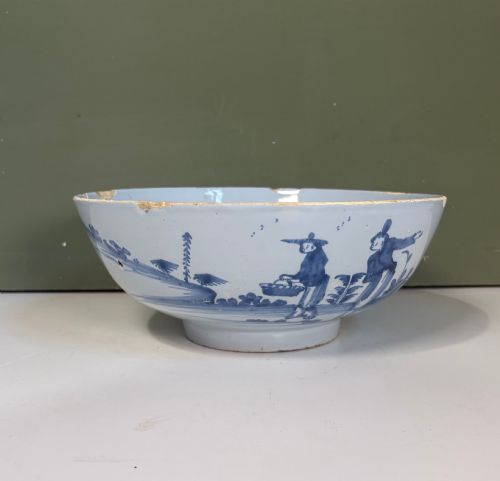
The items range from seventeenth-century cargo vessels and eighteenth-century Delftware to nineteenth-century Japanese porcelain, reflecting diverse stylistic traditions such as Chinese Export and Edo Period aesthetics.
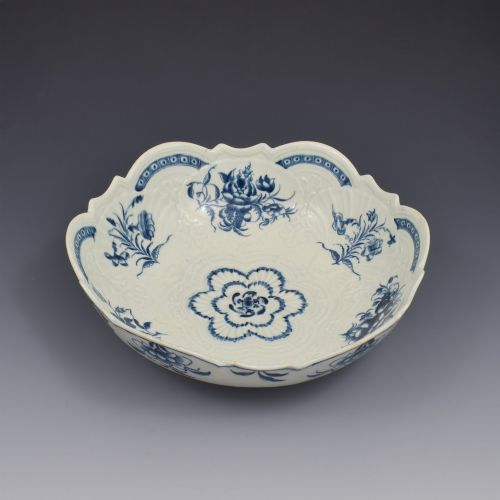
Most examples combine utilitarian or decorative vessel forms with cobalt underglaze or tin-glazed decoration, often depicting traditional floral, landscape, or figurative motifs.
How they were made
Potters shaped porcelain, ceramic, and tin-glazed earthenware before applying cobalt underglaze pigments by hand to create intricate blue and white patterns.
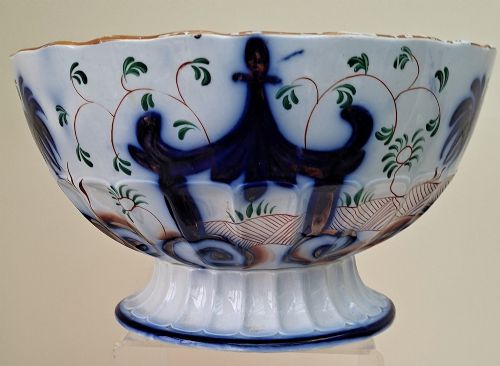
Certain pieces incorporate additional decorative layers such as enamel, gold leaf, or polychrome glazes over the primary ceramic body.
Firing techniques varied from high-temperature porcelain kilns in Asia to European earthenware kilns utilising tin-glazes to achieve an opaque white surface.
Listings span periods from the seventeenth century through the twentieth century, incorporating porcelain, enamel, and tin-glazed earthenware materials.
What varies in quality
The precision and fluidity of the handpainted brushwork determine much of the visual distinction between standard production items and superior examples.
The purity of the ceramic body, the consistency of the glaze application, and the clarity of the cobalt underglaze separate ordinary wares from exceptional pieces.
Dr Wall Worcester·Grainger And Co·Samson
The Blue White Bowl Painting Glossary
- Cobalt Underglaze
- A mineral pigment applied to ceramic pieces before glazing and firing, producing a deep blue hue that withstands high kiln temperatures.
- Tin-Glazed Earthenware
- Pottery covered with a lead glaze made opaque by the addition of tin oxide, providing a white background for painted decoration.
- Jardiniere
- A large ornamental pot or bowl designed to hold live plants or floral arrangements.
- Imari
- A style of Japanese porcelain featuring cobalt blue and iron red decoration, frequently accented with gold leaf.
- Punch Bowl
- A large vessel traditionally utilised for mixing and serving communal drinks during social gatherings.
Blue White Bowl Painting: Frequently Asked Questions
What are blue white bowl painting items?
These items encompass ceramic, porcelain, and earthenware vessels featuring handpainted blue decoration under the glaze.
They originate from diverse historical periods and geographical regions, ranging from Asian export kilns to European pottery centres.
How were these bowls utilised historically?
Many of these vessels served practical functions in domestic settings, including food and punch service, personal hygiene, or holding household plants.
Larger examples functioned as decorative centrepieces or display dishes within period interiors.
How do I identify different periods?
Dating relies upon examining the ceramic body, glaze characteristics, and painting styles associated with specific dynasties, centuries, or manufacturing centres.
Markings, where present, provide additional indicators of origin and production eras.
How should I care for antique ceramics?
Display these vessels away from direct sunlight and extreme temperature fluctuations to protect the glaze and painted surfaces.
Cleaning requires gentle dusting with a soft cloth rather than immersion or chemical washing.